
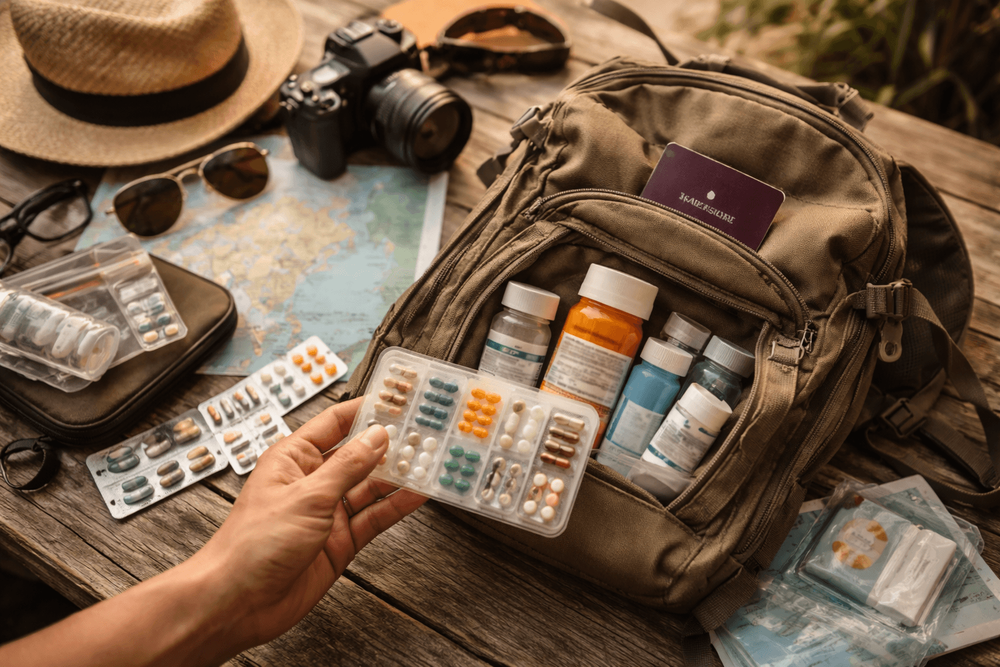
Thailand Packing List for Backpackers with Prescription Meds: Documents, Storage, and TSA-Style Safety Tips
A street-smart Thailand meds packing list: what to bring, what to buy locally, paperwork for prescriptions, and how to keep meds safe in heat and on ferries.
We’re shoulder to shoulder on Soi Rambuttri, the air thick with lemongrass smoke from a grill and the sweet rot of durian from a cart that’s seen better days. A tuk-tuk rattles past, bass thumps from a Khao San Road bar, and we do the backpacker shuffle—passport zip, cash zip, and, most importantly, meds zip. This is the moment when a smart Thailand meds packing list pays off: no panicked pharmacy runs, no guessing which pill is which after a night bus to Chiang Mai.
Your Thailand meds packing list (the real-world version)
We’ll keep this tight and street-tested. No fluff, just what saves trips.
Over-the-counter essentials and first-aid
The goal: handle common issues—heat, stomach, bites, bumps—without turning your bag into a mobile clinic.
- Pain and fever relief: Paracetamol/acetaminophen is our daytime go-to; ibuprofen works too, but we go easy in the heat and after drinks.
- Antihistamines for allergies and bites: Cetirizine or loratadine (non-drowsy for day), diphenhydramine or chlorpheniramine (sleepy, good for night itches and bus naps).
- Stomach and diarrhea: Oral rehydration salts (ORS) are non-negotiable; loperamide for urgent situations (keep it for travel days), and bismuth subsalicylate if you use it at home.
- Motion sickness: Meclizine or dimenhydrinate for ferries in the Gulf and zig-zag minivans to Pai.
- Heartburn/acid: Antacids or famotidine—street food glory sometimes bites back.
- Topicals: Antiseptic (povidone-iodine or chlorhexidine), antibiotic ointment, 1% hydrocortisone cream for rashes, antifungal cream or powder for the sweaty season.
- First-aid basics: Assorted plasters (add hydrocolloids for blisters), gauze, micropore tape, tweezers, small scissors, alcohol wipes.
- Extras that earn their keep: Electrolyte tablets, saline eye drops (fan-room dust is real), insect bite after-gel, mini digital thermometer.
If you want a printable-style checklist to cross-check your kit, we’ve got deeper item rundowns here:
- What to Pack for Thailand for Prescription Meds, Insect Protection, and Basic Health Care on the Road
- Smart Packing for Thailand: Medications, Toiletries, and Travel Documents Checklist
- Backpacker Packing List for Thailand for First Aid and Medicine: The Travel Health Essentials
Doses and interactions
We stick to meds we already know our bodies tolerate. Always read the local leaflet; heat, booze, and dehydration can make side effects worse. When in doubt, we ask a pharmacist—Thailand’s pharmacists are usually excellent and English-friendly in tourist areas.
Prescription medication in Thailand: what to know before wheels up
Here’s how we move through airports and borders without drama.
Bring enough (plus a buffer)
- Pack at least your full trip’s supply, plus an extra week in case ferries cancel, you extend island time, or a night train goes sideways.
- Split your supply: majority in carry-on, a smaller backup in your daypack. Never in checked bags that might vacation in another country.
Original packaging and paperwork
- Keep meds in original pharmacy packaging with your name and dosage visible.
- Carry printed prescriptions and a doctor’s letter describing generic names, dosages, and the condition. We keep digital copies in cloud storage and a photo on our phone.
- Translate drug names to generic when possible; brands differ in Thailand.
Controlled and restricted meds
Some meds that are routine at home can be controlled here (examples: strong painkillers with codeine or tramadol, certain ADHD stimulants, some anxiety/sleep meds). Rules can change. Typical requirements include:
- Limited quantities for personal use (often around a 30-day supply) and documentation.
- In some cases, prior permission from Thai authorities before travel.
We check the Thai FDA/Ministry of Public Health guidance and consult our embassy or a Thai consulate before flying. If we can’t verify a rule from two current sources, we assume permits might be needed and plan extra time. When carrying syringes, pens, or sharps, we pack a doctor’s note and declare them at security.
Temperature-sensitive meds
Insulins, some biologics, and certain eye drops don’t love tropical afternoons. We use:
- A small insulated pouch with reusable gel packs (frozen at a hostel or Café Amazon freezer with a smile and a sawadee).
- A digital thermometer strip inside the pouch to sanity-check temps.
- Backup plan: if gel packs aren’t possible on travel day, we shade the kit, avoid hot car trunks, and ask cafes to chill a pack while we sip an iced cha yen.
Time zones and adherence
- We set alarms in our phone and use 24-hour time to avoid the dreaded AM/PM flip after a red-eye into Don Mueang.
- For strict-timing meds (anticonvulsants, antiretrovirals, birth control), we talk to our prescriber about a stepping schedule across time zones.
Thailand-specific health needs that change the kit
Bangkok’s blast of AC when we duck into 7-Eleven is bliss, but step back into the soi and your body’s working overtime.
- Mosquito defense: Dengue is the big worry in cities and islands; there’s no prophylaxis—prevention is the play. We pack 20–30% DEET or 20% picaridin, plus long, light layers for dusk on the Chao Phraya. Permethrin-treated clothing earns its keep on jungle treks.
- Sun and heat: High-SPF, sweat-resistant sunscreen, SPF lip balm, airy hat. ORS or electrolyte tabs ride shotgun—one sachet after a sweaty temple run up the Wat Phra Kaew is magic.
- Tummy troubles: We go slow on chili the first days, stick to busy stalls where the wok never rests, and carry loperamide for transport days only. If diarrhea runs beyond 48 hours, has blood, or comes with high fever, we stop self-treating and get checked.
- Skin care for the tropics: Antifungal powder/cream for feet and folds, plus hydrocolloid plasters for sandal blisters after a lap around Chatuchak.
- Respiratory and air: Dry season haze can tickle. Saline spray and a basic antihistamine help; anyone with asthma brings inhalers and a spacer, with spares.
Pack it like a pro: TSA-style security, ferries, and Thai heat
The quickest way to lose meds is to overcomplicate. We keep it simple and security-friendly.
- Carry-on only for meds. Liquids follow the 100 ml rule in a clear zip bag. Keep them on top of your pack; declare sharps politely and early.
- Label everything. We use a simple index card: drug name (generic), dose, schedule, and purpose. Saves pantomime at 3 AM on the Lao border bus.
- Use hard-sided mini cases for pills and a second for first-aid. Humidity is relentless—add desiccant packs and avoid leaving meds near open windows or fans spraying sea air.
- Heat-proofing on the move: Never in a parked car trunk or on the parcel shelf of a minivan; keep meds near your body in shade. On ferries, avoid deck bags that bake.
- Backup and redundancy: Split kits between us if traveling as a pair. Photo every label. Keep a paper list with passport copies.
- Hostel organization: We stash the daily set in a small pouch and the bulk kit in a locker. Thailand’s guesthouses are generally chill, but we lock anyway.
For more organizing tricks and documents to print, cross-check with: What to Pack for Thailand for Medication and Health Needs
What to buy in Thailand—and when to see a doctor
Thailand’s pharmacies range from gleaming chains on Sukhumvit to old-school counters tucked into sois where the pharmacist knows half the neighborhood.
Buying at the pharmacy
- Where we go: Chain pharmacies like Boots and Watsons are easy in tourist areas, while local shops often have sharper prices and knowledgeable staff. We look for clean, well-lit counters and visible pharmacist licenses.
- What we buy locally: ORS sachets, DEET or picaridin repellent, sunscreen, hydrocortisone cream, povidone-iodine, antifungal cream, eye drops, plaster refills, and antihistamines. Many brands differ; we ask for the generic name first.
- What we’re cautious about: Antibiotics without a proper diagnosis, and strong painkillers or benzos. If a pharmacist suggests an antibiotic, we ask what for and how long; if it feels off, we skip it and see a clinic.
When to seek medical help instead of self-treating
- High fever, severe dehydration, blood in stool, persistent diarrhea beyond 48 hours, chest pain, confused or fainting, bad head injuries, infected wounds with spreading redness, animal bites/scratches (rabies risk), or any severe allergic reaction—don’t DIY. Head to a clinic or hospital.
- Thailand has excellent private hospitals in major cities; in Bangkok, large international hospitals and reputable clinics are easy to reach by BTS/MRT or Grab. Keep travel insurance details handy.
Money and meds
- Most common pharmacy items are affordably priced; imported sunscreens and branded bug sprays can be pricier. We buy small first, test, then stock up if needed.
Know Before You Go: paperwork and common pitfalls
- We’re not your doctor—this guide is travel-tested advice. Run your personal list by a medical professional, especially for chronic conditions.
- Double-check controlled-substance rules with the Thai FDA or a Thai consulate if your meds include stimulants, opioids, or sedatives. Rules shift.
- If you rely on a specific brand or delivery device (inhaler model, insulin pen), bring spares; exact matches aren’t guaranteed.
- Travel insurance that covers prescriptions and urgent care is worth its weight in mango sticky rice.
Getting There (for your meds)
- On arrival at Suvarnabhumi or Don Mueang, keep meds in your personal item; do not place temperature-sensitive meds on the luggage belt while you sort SIM cards.
- Riding the Chao Phraya Express or long-distance buses, keep the kit with you, not under the bus or in the river-facing splash zone.
Where we stash the kit while bouncing around
- In Bangkok, we usually base ourselves near the Khao San–Phra Athit area for easy pharmacy access and river boats. Guesthouse lockers keep the bulk kit; a slim pouch rides in our day bag to Wat Pho, Yaowarat Chinatown Heritage Center, and back.
- On islands, humidity means zip bags and desiccants matter. We dry gear in AC rooms mid-day; that blast of cold from 7-Eleven buys you a few minutes to reseal the kit without sweat.
Quick Plan (sample route to pressure-test your meds kit)
A → Bangkok → Ayutthaya → Kanchanaburi → Hua Hin → Chumphon → Koh Tao
- Day 1: Bangkok → Ayutthaya, ~80 km, 1.5–2 hrs; key stops: Wat Mahathat, riverside boat noodles; overnight: Ayutthaya Old City.
- Day 2: Ayutthaya → Kanchanaburi, ~170 km, 3–3.5 hrs; key stops: Bridge on the River Kwai, War Cemetery; overnight: Kanchanaburi riverside.
- Day 3: Kanchanaburi → Hua Hin, ~220 km, 3.5–4.5 hrs; key stops: Erawan viewpoint (confirm park timings), Hua Hin Night Market; overnight: Hua Hin center.
- Day 4: Hua Hin → Chumphon, ~320 km, 4.5–5.5 hrs; key stops: beach stretch breaks, seafood by the pier; overnight: Chumphon near ferry.
- Day 5: Chumphon → Koh Tao (ferry), sailing 2–3 hrs; key stops: Mae Haad Pier arrival, Sairee sunset; overnight: Koh Tao west coast.
Use this skeleton to decide where you’ll need ORS, motion-sickness meds, and sun protection. Adjust to trains/buses if you’re skipping a car.
Costs at a Glance (THB)
- Fuel (Gasohol 95): ~34–46 THB/liter range; estimate segments:
- BKK→Ayutthaya fuel: ~200–320 THB
- Ayutthaya→Kanchanaburi fuel: ~420–640 THB
- Kanchanaburi→Hua Hin fuel: ~540–820 THB
- Hua Hin→Chumphon fuel: ~800–1,200 THB
- Tolls per segment (confirm locally):
- BKK→Ayutthaya: 0–120 THB depending on route
- Ayutthaya→Kanchanaburi: 0–60 THB
- Kanchanaburi→Hua Hin: 0–60 THB
- Hua Hin→Chumphon: 0–80 THB
- National parks/attractions (per person; confirm locally):
- Erawan National Park: mid–high hundreds THB (foreign adult)
- Parking per night (city centers): 0–200 THB, often included at guesthouses outside Bangkok.
- Ferry Chumphon→Koh Tao: mid–high hundreds to low thousands THB depending on operator and season; confirm locally.
Last checked: Oct 2026
Booking Pathways
- Car rental: Compare rental deals at https://www.rentalcars.com/
- Hotels: Scan Thailand hostel and hotel options at https://www.agoda.com/
- Attraction tickets: Check ferries, SIMs, and activities at https://www.klook.com/
Verification
- Fuel prices given as safe ranges based on recent pump boards seen at major stations in Bangkok and central Thailand and the Thai Ministry of Energy’s public retail price summaries; variations by region/operator occur—confirm locally.
- Tolls vary by route and current expressway sections; figures given as safe ranges based on posted rates at time of travel—confirm locally.
- National park and ferry prices change seasonally and by operator; we avoid exact figures without current confirmation—confirm locally.
If you’re reading this on Khao San with a mango shake sweating down your wrist, take two minutes tonight to lay out tomorrow’s meds in a tiny zip bag. Future us—squinting at the sunrise ferry—will be grateful.
Pill Pouch with Zippered Organizer for Travel Medication
EVAL_DATA
- quickPlanIncluded: true
- costsAtAGlanceIncluded: true
- bookingPathwaysIncluded: true
- verificationIncluded: true
- internalLinksUsed: true
- internalLinksCount: 4
- outboundLinksCount: 3
- hotelInventoryUsed: false
Related Hotels & Places
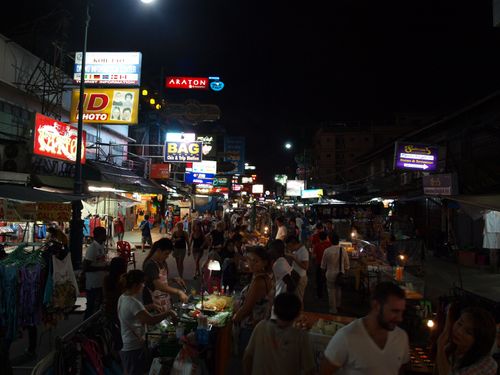
Khao San Road
Attractions
Bangkok’s backpacker carnival: curbside bars, live bands and DJs from 3pm–2am (midnight Sun). Street eats are cheap — pad thai 70–100 THB, mango sticky rice 60–100 THB. Come for wild people-watching; duck into Rambuttri for a calmer beer.
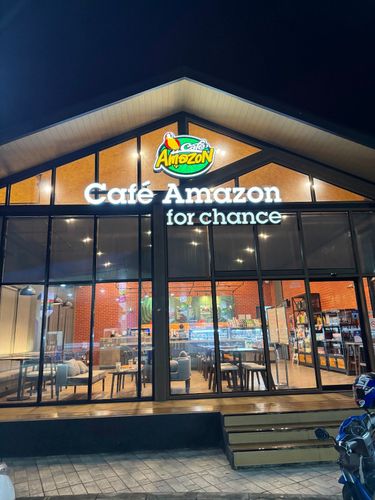
Café Amazon
Cafes
Phra Athit’s Café Amazon “For Chance” pours reliable iced coffees from 55 THB, made by hearing‑impaired baristas. Grab a seat at Baan Chao Phraya before a riverside stroll or a hop on Phra Athit pier. Open daily 7am–8pm.
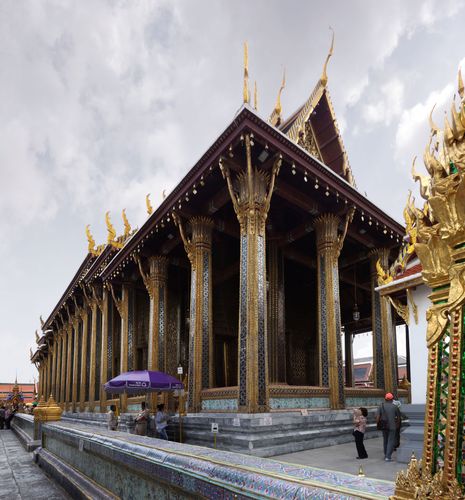
Wat Phra Kaew
Temples
Bangkok’s holiest temple inside the Grand Palace. Go early (8:30am–3:30pm). Buy the 500 THB ticket at Na Phra Lan Rd gate. Dress code enforced. Marvel at Ramakien murals and the tiny Emerald Buddha whose robes change with the seasons. 10–15 minutes’ walk from Khao San.
Yaowarat Chinatown Heritage Center
Attractions
Inside Wat Traimit by Chinatown Gate, this tidy museum charts Yaowarat’s Chinese roots with bilingual displays, period photos and short films. Open Tue–Sun 8:30am–4:30pm; closed Mon. Pair it with the Golden Buddha upstairs.
Wat Mahathat
Temples
Hua Hin Night Market
Markets
Nightly street market on Dechanuchit (Soi 72) with sizzling seafood grills, Thai comfort snacks, and easy souvenir shopping—an evening stroll from the beach. Go 7–9pm for peak buzz; 6pm if you want space. Open daily 6pm–midnight.
Mae Haad Pier
Attractions
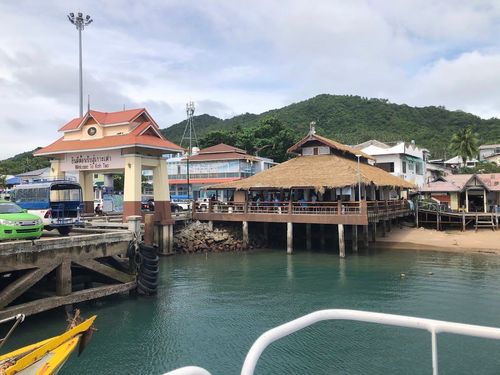
Koh Tao’s gateway. Ferries from Samui, Phangan and Chumphon dock here, with dive boats buzzing off at dawn. Grab cash and a coffee, then hop a songthaew to Sairee or a longtail to Shark Bay. Busy at boat times; for a swim, head to Sai Nuan or Sairee.
Recommended Products
More Khao San Road Guides
- Thailand Packing List for Backpackers with Medical Needs: Medicines, Prescriptions, and Health Essentials
- What to Pack for Thailand for Backpackers Traveling with Prescription Medication: Documents, Storage, and Backup Supplies
- Thailand Packing List for Backpackers with Prescription Meds: Documents, Storage, and TSA-Style Safety Tips
- Thailand Packing List for First-Time Backpackers: What to Bring, What to Skip, and What to Buy on Arrival