
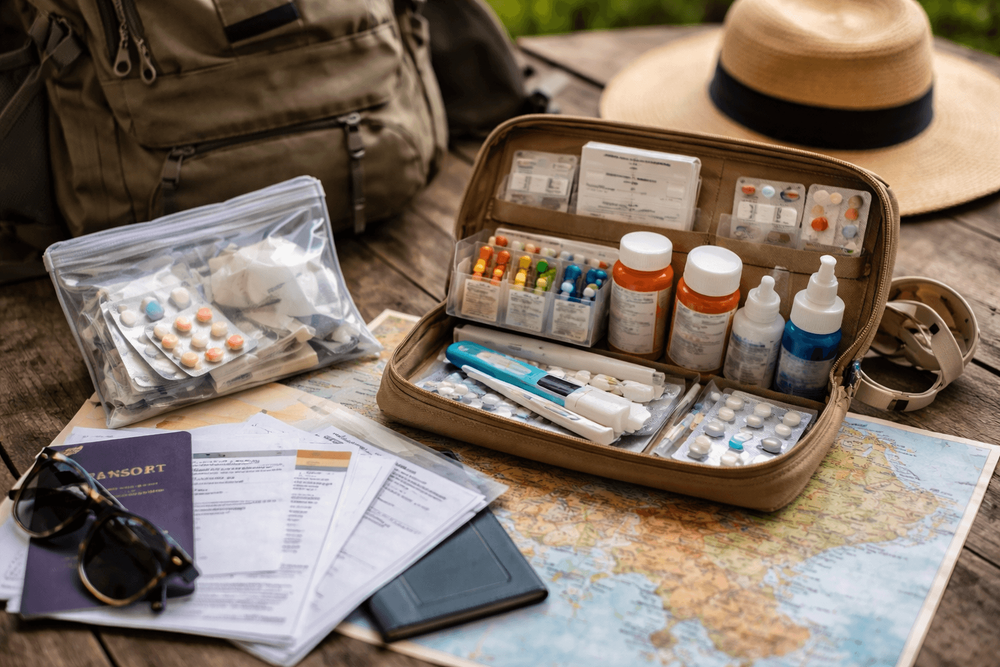
What to Pack for Thailand for Backpackers Traveling with Prescription Medication: Documents, Storage, and Backup Supplies
Bring prescriptions right, beat Thai customs, and keep meds cool in Bangkok heat. What to pack, how to store, and where to refill—zero drama, all sanuk.
We’re shoulder-to-shoulder on Khao San Road, bass thumping from a neon bar, the sweet rot of durian drifting from a cart, and that blissful blast of 7-Eleven AC on our faces. Your phone pings with a flight reminder and—bam—the panic hits. Did we actually nail our Thailand medication packing, or did we just toss loose pills in a soap dish like chaotic farang? Breathe. We’ve done this run from Soi Rambuttri to the islands more times than we can count. Here’s how to bring what you need, breeze through Thai customs, and stay medicated and merry without breaking a sweat.
The Essential List: OTC and Prescription Meds to Pack
Let’s sort what’s worth bringing versus what’s easy to buy on Phra Athit or at a pharmacy by the khlong.
Everyday OTC we pack (and why)
- Pain/fever: Paracetamol (acetaminophen) and/or ibuprofen. Cheap and ubiquitous here, but we still pack a starter strip. Expect 10–30 THB per blister at Thai pharmacies.
- Stomach stuff: Loperamide (for emergency stops), oral rehydration salts (ORS), and bismuth subsalicylate tablets. ORS is clutch in this heat; a sachet runs around 10–20 THB at 7‑Eleven.
- Antihistamines: Cetirizine or loratadine for dust, cats, or the occasional mystery rash from a jungle trek. Cost: ~20–60 THB per strip.
- Motion sickness: Dimenhydrinate or meclizine for ferries to Koh Tao or minivan rides that corner like a tuk‑tuk.
- Cough/cold basics: Throat lozenges and a decongestant you know agrees with you. Note: pseudoephedrine is restricted in Thailand—bring your own from home and keep it in original packaging.
- Topicals: Antiseptic wipes, a small tube of antibiotic ointment, hydrocortisone cream for bites, and a few hydrocolloid plasters for blisters after climbing the Golden Mount.
- Sun and bugs: High‑SPF sunscreen and DEET 20–30% or picaridin repellent. Dengue’s a thing; prevention beats pills.
If you want a deeper dive into health‑focused packing, we break it out here: What to Pack for Thailand for Medication and Health Needs.
Prescription meds we bring (labelled and papered)
- Daily must‑haves: Thyroid meds, blood pressure pills, SSRIs/SNRIs, asthma inhalers—whatever you’re on. Enough for your stay plus a buffer.
- Allergy/asthma: Inhalers and spacers; an EpiPen if you need one. EpiPens are harder to find and pricey in Thailand—don’t rely on local stock.
- Diabetes gear: Insulin pens/vials, needles, CGM sensors, test strips, glucagon. Pack extras and see storage tips below.
- GI rescue (if prescribed): Your travel clinic might give azithromycin as a just‑in‑case. Don’t self‑prescribe antibiotics—ask a clinician.
- Women’s health: Birth control pills, IUD info card, yeast‑infection treatment, and emergency contraception if you want the peace of mind.
- Controlled meds: ADHD meds (e.g., methylphenidate), benzodiazepines, some sleep meds, and any opioids require extra care with documents (see customs notes below).
For a checklist that pairs meds with toiletries and travel documents, this is handy: Smart Packing for Thailand: Medications, Toiletries, and Travel Documents Checklist.
Thailand Medication Packing Rules at Customs: Quantities, Paperwork, Original Boxes
This is the least sexy part of thailand medication packing, but it’s the difference between breezing through Suvarnabhumi and sweating at the red‑channel desk.
- Quantities: As a rule of thumb, bring no more than a 30‑day personal supply per medication in your carry‑on. If you’re staying longer, bring what you can legitimately cover with a prescription and be ready to refill locally for non‑controlled meds. When in doubt, ask your doctor and check Thai FDA guidance before you fly.
- Original packaging: Keep medicines in their original boxes/blister packs with pharmacy labels showing your full name, drug name (generic preferred), and dosage. Pill organizers are fine for day‑to‑day, but keep at least one labelled blister or the box to show customs.
- Paper trail: Pack printed prescriptions and a doctor’s letter that lists your diagnoses, generic drug names, dosages, and total quantities. A calm, official tone works wonders at 3 AM after a long‑haul.
- Controlled and restricted meds: Opioids, benzodiazepines, some sleeping pills, ADHD stimulants, and codeine‑containing products are tightly regulated. Pseudoephedrine is restricted. You can usually carry a small personal supply with a prescription and doctor’s letter; for certain substances/quantities, advance permission from Thai authorities may be required. If your regimen includes any of these, confirm requirements with your embassy or the Thai FDA before you travel.
- Cannabis and vapes: Do not bring cannabis/THC products, oils, or edibles across the border, even if legal at home. Airport enforcement is strict and rules are evolving. Nicotine vapes are also restricted and often confiscated.
- Declare if asked: Most of the time nobody blinks. If an officer asks, show your meds and paperwork without drama. We keep everything tidy in a clear zip pouch.
Pro tip: Keep high‑resolution photos of labels, prescriptions, and your doctor’s letter in cloud storage plus a hard copy. If your daypack does a disappearing act on a night bus, you’ve still got the docs.
For multi‑entry runs or border crossings where paperwork gets checked more often, skim this too: What to Pack for Thailand for Border Crossings and Multiple Entry Days: Documents, Photos, and Small-Format Travel Gear.
Build a Thailand‑Ready Personal Med Kit
Thailand’s climate and pace change what we pack. Humidity, street food, ferries, sleeper trains—our kit evolves to match the sanuk.
Hydration and heat
- ORS and electrolyte tabs for day trips and temple days. We toss one into a bottle after sweating our way down Chao Phraya on the Express Boat.
- Zinc tablets (if recommended by your clinician) can help with certain GI upsets.
- Anti‑chafe powder or balm—Bangkok in hot season will test your thighs.
Food, water, and the infamous “Bangkok belly”
- Hand sanitizer and a small pack of soap sheets for mystery bathrooms.
- Loperamide for emergencies; bismuth subsalicylate for milder cases. If a bout lasts >48 hours or you have a fever/blood, see a doctor.
- Probiotics if they work for you—store them per label; heat matters.
Bites, scrapes, and rashes
- Repellent (DEET/picaridin) and, if you’re the sweet‑blooded type, an after‑bite or hydrocortisone cream.
- Antiseptic wipes and a few gauze pads. Renting a scooter? Add tougher bandages.
- Hydrocolloid plasters save heels after a long wander down Soi Ari or Chatuchak.
Sleep and city noise
- Earplugs and an eye mask for Khao San hostels and night trains.
- Melatonin if you use it at home; label it and keep it with regular meds.
We’ve got broader medical‑packing advice if you want to cross‑check your kit: Thailand Packing List for Backpackers with Medical Needs: Medicines, Prescriptions, and Health Essentials.
How to Store, Label, and Carry Meds in Thai Heat
The climate here is a steamy hug. Protect your meds like you’d protect your phone from a sudden monsoon.
Flights and long hauls
- Carry‑on only: Always keep meds with you, not in checked bags. Lost luggage plus a weekend in transit is a bad combo.
- Liquids and sharps: Airport security allows necessary meds over 100 ml and needles/insulin with documentation—declare them politely. Keep liquids in a clear bag and show your letter.
- Labels: Even if you decant into a pill case for daily use, keep the original box or one labelled blister for each drug.
- Time zones: Set alarms labeled with local time for critical meds. Bangkok is GMT+7; your body clock won’t care when your train pulls into Hua Lamphong at dawn.
On the road (and water)
- Heat/humidity: Use zip‑top bags with silica gel packs to keep tablets dry. Don’t leave meds baking on a ferry roof or in a parked tuk‑tuk.
- Insulin and temperature‑sensitive meds: Use an insulated pouch with a cooling element; avoid direct ice. Most guesthouses—yes, even on Soi Rambuttri—will store a clearly labeled bag in a staff fridge if your room lacks one. A minibar is fine at a mid setting; avoid freezing.
- Day‑trip pouch: A small, waterproof organizer holds a few doses, blister labels, and your insurance card. We drop it into our sling before hitting the khlong boats.
- Water: 7‑Eleven saves the day again—buy a cold 10 THB bottle when you need to take meds on the move.
Labeling that works in Thailand
- Generic names: Write the generic (international nonproprietary) name on your boxes. Thai pharmacists work from generics; brand names vary.
- Thai phrase to know: “Pharmacy” is often signed with a green cross; if you need the licensed pharmacist, ask for the “phae‑sat‑cha‑kon.” English is common in tourist zones, but a smiley “sawadee” first goes a long way.
Replacing or Refilling Medication in Thailand
Things go missing: a night boat to Koh Samui, a sleepy minivan stop, a hostel bunk shuffle. Here’s how we bounce back.
Pharmacies: easy for many meds
- Where: Chains like Boots/Watsons and plenty of independent pharmacies cluster around tourist areas—Khao San, Silom, Sukhumvit, Chiang Mai’s Old City.
- What you can get: Many antibiotics, asthma inhalers, allergy meds, blood pressure meds, thyroid pills, and birth control—often without a new prescription. Controlled drugs are the exception.
- How to ask: Show your box, a photo of the label, or your doctor’s letter with the generic name and dose. We’ve paid 10–60 THB per blister for generics; brands can be more.
- Quality: Stick to reputable pharmacies. If a pharmacist tries to hand you something unlabeled in a baggie, politely ask for factory‑sealed blisters.
Clinics and hospitals: for controlled or complex meds
- When to go: For ADHD meds, benzodiazepines, strong painkillers, or anything the pharmacy declines, you’ll need a doctor. Bring your passport, prescription, and letter.
- Costs: Tourist‑area clinics often charge 500–1,500 THB for a consult; private hospitals in Bangkok can be 1,500–3,000 THB and up, plus meds. Expect higher fees at international hospitals but fast, English‑friendly care.
- Insurance: If you have travel insurance, call the assistance number first—they’ll point you to a partner clinic and may sort payment.
If you run out up‑country
- Strategy: Buy a few days’ supply in the local town, then plan a refuel stop in Bangkok where selection is widest. The Chao Phraya Express Boat to Sathorn, then BTS up Sukhumvit, will put you near major hospitals and bigger pharmacies.
Keep all receipts and boxes; they help if you need to justify quantities at future border checks or claim insurance.
Know Before You Go: The Quick Checklist
- Print prescriptions and a doctor’s letter listing generic names, dosages, and quantities. Keep digital copies backed up.
- Pack no more than a 30‑day personal supply per medication in original packaging; bring extra for delays.
- For controlled substances (opioids, benzos, ADHD meds, codeine products), confirm Thai rules in advance; carry paperwork and consider a backup plan.
- Bring a heat‑proof storage plan: insulated pouch for insulin, zip bags with silica gel for tablets.
- Carry meds in your personal bag on flights, buses, and ferries—never checked.
- Build a daily carry pouch with a labeled blister and essentials (ORS, loperamide, antihistamine, painkiller).
- Know where to go: reputable pharmacies for common meds; clinics or private hospitals for controlled/complex refills.
- Add bug repellent, sunscreen, hydrocolloid plasters, and ORS to your kit.
If you like ticking boxes before wheels up, you’ll appreciate this companion piece: Smart Packing for Thailand: Medications, Toiletries, and Travel Documents Checklist. And for a broader, medication‑centric rundown, keep this handy: What to Pack for Thailand for Medication and Health Needs.
A quick reality check: we’re savvy travelers, not your doctor. Chat with your healthcare provider or a travel clinic before you fly, especially for vaccines and prescriptions.

We usually crash in a low‑key guesthouse off Soi Rambuttri where the night air smells like fried garlic and fresh lime, toss our med pouch on the bedside table, and plan the next morning’s noodle run. Get your thailand medication packing sorted now, and tomorrow we’re taking the first river boat, sunglasses on, ORS in the daypack, chasing boat noodles by Victory Monument—no detours to the pharmacy unless it’s for extra sunscreen.
Related Hotels & Places
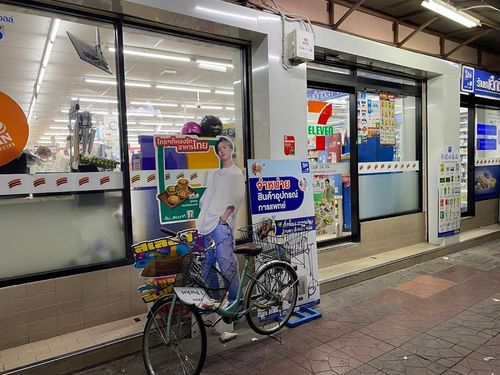
7-Eleven
Shops
Khao San’s 24/7 reset button: ice‑cold A/C, ham‑cheese toasties, All Café iced lattes, water for 7–14 THB, and late‑night supplies from snacks to sunscreen—right by Rikka Inn.
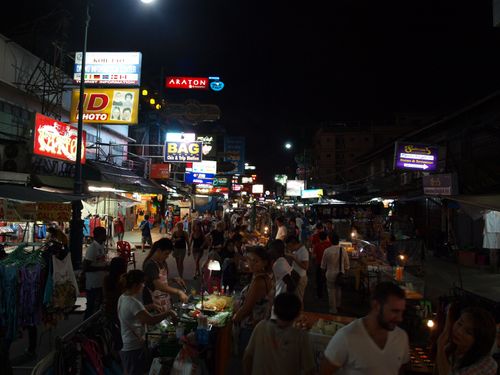
Khao San Road
Attractions
Bangkok’s backpacker carnival: curbside bars, live bands and DJs from 3pm–2am (midnight Sun). Street eats are cheap — pad thai 70–100 THB, mango sticky rice 60–100 THB. Come for wild people-watching; duck into Rambuttri for a calmer beer.
Pharmacy
Shops
Backpacker-friendly pharmacy off Khao San for ORS, ibuprofen, antihistamines, blister patches, DEET and after-sun. Staff are used to travelers and can suggest sensible OTC fixes—perfect before a night bus or island hop.
Recommended Products
More Khao San Road Guides
- What to Pack for Thailand for Budget Backpacker Essentials: Cash, Documents, and Everyday Security
- Thailand Packing List for Backpackers with Medical Needs: Medicines, Prescriptions, and Health Essentials
- What to Pack for Thailand for Prescription Meds, Insect Protection, and Basic Health Care on the Road
- Backpacker Packing List for Thailand: Gadgets, Chargers, and Power Bank Essentials