
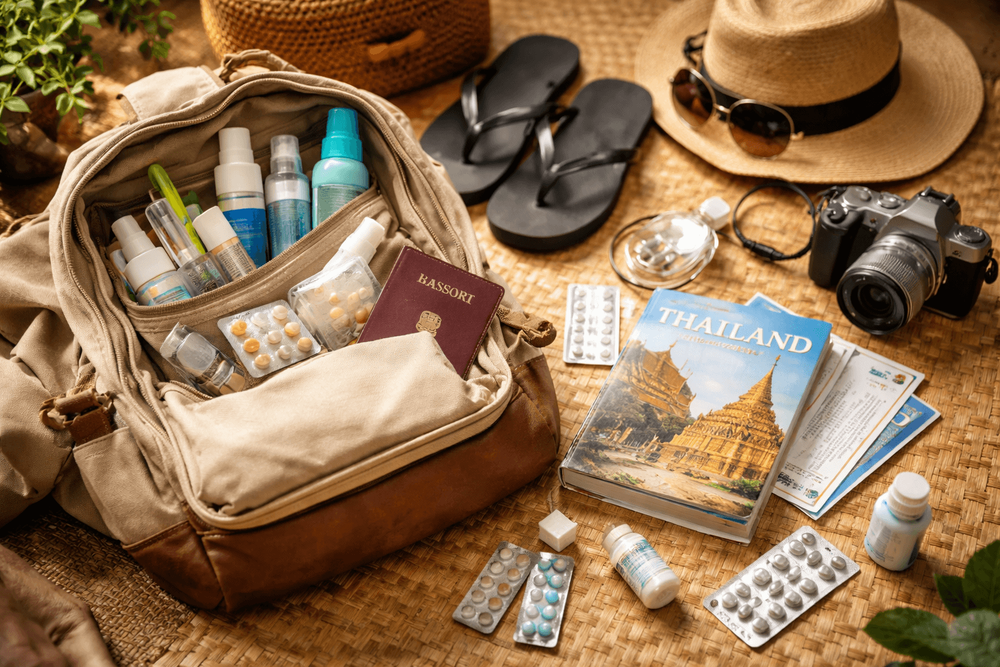
Smart Packing for Thailand: Medications, Toiletries, and Travel Documents Checklist
Your Thailand travel checklist for passports, visas, meds, toiletries, money, SIMs, and temple etiquette—packed with insider tips you’ll actually use.
We step off the jet bridge into Bangkok’s humid hug—the smell of grilled moo ping curling through Don Mueang, the steady whir of luggage wheels, the promise of mango sticky rice somewhere beyond immigration. This is where a tight Thailand travel checklist pays off: passport squared away, visas sorted, sunscreen not exploding in your daypack. Let’s run through what we actually bring and prep so we can spend our baht on boat noodles by Phra Athit instead of emergency pharmacy runs.
Thailand Travel Checklist: Essential Pre-Trip Prep
Passport, Visa, and Entry Rules
- Passport validity: We aim for at least 6 months beyond your arrival date and two blank pages. Some airlines will deny boarding if you’re cutting it fine.
- Visa/entry: Many nationalities get visa-exempt entry for around 30 days when arriving by air, sometimes extendable once (commonly 1,900 THB at immigration). Rules shift—double-check with your nearest Thai embassy/consulate.
- Proof of onward travel: Airlines and immigration can ask. We usually keep a confirmed flight or bus ticket PDF handy.
- Accommodation address: Immigration arrival cards or officers may ask. We jot down our first-night spot (Soi Rambuttri works nicely if you’re near Khao San Road).
- E-gates and forms: Procedures change; sometimes there’s an arrival card, sometimes not. Just have a pen, your flight details, and your first address ready.
Travel Insurance (Non-Negotiable)
- Buy coverage that includes medical, evacuation, theft, and trip interruption. Hospitals in Bangkok are excellent but not cheap.
- Screenshot and print the policy number, hotline, and coverage summary.
Flights and Arrival Basics
- Airports: Suvarnabhumi (BKK) handles most long-haul; Don Mueang (DMK) is low-cost central. Both have 24/7 ATMs, SIM counters, and the sweet blast of AC that feels like a hug from 7-Eleven.
- Airport to city: Airport Rail Link (BKK) into Phaya Thai, or grab a metered taxi. At DMK, use the A1/A2 buses to Mo Chit BTS or a taxi. Avoid unmetered “special price” offers—if it sounds too easy, it’s too expensive.
What to Pack for Thailand’s Climate and Activities
Light, breathable, temple-ready, beach-proof. Thailand bounces between oven-hot and surprise downpour, with plenty of AC blasts in between. If you want a deeper gear dive after this checklist, bookmark our backpacker-focused breakdowns here: Thailand Packing List for First-Time Backpackers: What to Bring and What to Leave Behind and the latest Backpacker Packing List for Thailand.
Clothing (Mix-and-Match, Quick-Dry)
- Tops: 3–5 lightweight tees/tanks or linen/cotton button-downs
- Bottoms: 1–2 shorts; 1–2 airy trousers or a midi skirt for temples and nicer dinners
- Dress/jumpsuit: 1–2 breathable picks for beach towns or rooftop bars
- Swimwear: 1–2 suits; add a rash guard if you burn easily
- Light layer: Thin long-sleeve or shawl for AC or sun
- Sleepwear and underwear: Quick-dry works great; laundry’s 40–80 THB/kg
- Temple kit: Shoulders and knees covered; pack a scarf/sarong and loose pants
- Rain gear: Compact umbrella or a featherweight rain jacket (April–Oct especially)
Insider note: If you forget something, markets deliver—Chatuchak and Pratunam have linen shirts and “temple pants” for 100–300 THB. Just remember those sizes run snug for farang frames.
Footwear (Street to Sand)
- Sandals/flip-flops: For beach days and guesthouse bathrooms
- Lightweight sneakers or breathable walking shoes: For pounding pavements from Golden Mount to Chinatown
- Water shoes: Optional but handy for rocky coves or island hopping
Sun and Rain Protection
- Reef-safe sunscreen: Thailand stocks it, but it’s pricier (300–600 THB). Bring what your skin loves.
- Sunglasses and a crushable hat: The noon sun on the Chao Phraya’s no joke.
- Dry bag or phone pouch: For Songkran splash zones and longtail boat spray.
Toiletries (Buy Some There, Bring Your Must-Haves)
- Deodorant, toothbrush, travel-size toothpaste, floss
- Face cleanser, light moisturizer, lip balm with SPF
- Razor, small shaving cream, nail clippers
- Menstrual supplies: Your preferred brand may be hard to find outside Bangkok
- Tissues and pocket hand sanitizer: Street-food survival kit
- Talc or anti-chafe balm: The real MVP when it’s 36°C and you’re chasing pad thai at 2 AM
7-Eleven and Watsons have almost everything, but specific Western brands can be pricey. Stock your prescriptions and your favorite sunscreen at home.
Adapters, Cables, and Power
- Plugs: Thailand uses 220V, 50Hz. Sockets commonly accept Type A (flat) and Type C (round) pins. A universal adapter saves headaches.
- Power bank: Airlines usually allow up to 20,000 mAh in carry-on only. Perfect for BTS/MRT days and late-night Grab hunts.
- Spare cables and a tiny multi-plug: Hostels and cafes may have one outlet per life decision.
Medications and a Tiny First-Aid Kit
- Prescriptions: In original packaging with your name; bring a copy of the script (generic name included).
- OTC picks: Pain reliever, antihistamine, motion-sickness tabs, antacid, loperamide, oral rehydration salts (ORS), basic bandages, blister patches, antiseptic wipes.
- Traveler’s diarrhea backup: Talk to your doctor about a just-in-case antibiotic like azithromycin; use responsibly.
- Mosquito repellent: 20–30% DEET or 20% picaridin; add permethrin-treated clothing if you’re jungle-bound.
For more pack-by-pack ideas, skim our up-to-date Backpacker Packing List for Thailand to fine-tune your load.
Beach and Temple Extras
- Sarong/light scarf: Beach blanket by day, shoulder cover by temple
- Quick-dry towel: Some budget stays don’t provide them
- Small tote: For markets and beach runs (plastic bags cost extra in many shops)
- Shoe bag: Handy when you kick them off outside a wat (temple)
Important Travel Documents and Digital Backups
We love a paper folder and a clean cloud backup. Bangkok’s chaos is part of the charm; losing your passport is not.
Paper Copies (Keep in Separate Places)
- Passport photo page and any visa/entry stamps
- Travel insurance policy and claim instructions
- Flight itineraries and hotel/hostel confirmations
- A few spare passport photos for extensions or SIM registration
Digital Backups (Encrypted if You Can)
- Cloud folder: Scans of all the above plus your driver’s license and prescriptions
- Offline essentials: Download Google Maps areas for Bangkok, Chiang Mai, and any islands; save booking barcodes and e-boarding passes offline
- Password manager: Stores your policy numbers, card hotlines, and emergency contacts
Local SIM/eSIM Setup
- eSIM: Set it up before you fly if your phone supports it. Choose a plan with at least 10–20 GB for maps, translation, and Grab.
- Physical SIM: AIS/True/DTAC counters at BKK/DMK are fast and usually open late; expect 150–600 THB for 7–15 days of data. Bring your passport for registration.
- Tethering: If you’re two people, one big data plan can feed both phones.
Money and Connectivity Checklist
Thailand is easy to navigate with a mix of cash and cards. The trick is dodging the fees and staying connected even when Chinatown’s wok thunder drowns your brain.
Cash, Cards, and ATMs
- ATMs: Most charge a foreign withdrawal fee (often around 220–250 THB). Withdraw more, less often; stash cash in separate spots.
- Cards: Visa and MasterCard widely accepted in malls and nicer restaurants; many street spots are cash only. Tell your bank your travel dates.
- Exchange: City exchange booths often beat airport rates. Look for licensed money changers with tight spreads; bring your passport.
- Daily budget ballparks: Street lunch 50–120 THB, iced coffee 40–100 THB, beer at 7-Eleven 60–100 THB, BTS rides 17–62 THB, Chao Phraya Express (orange flag) around 16–30 THB.
Budgeting Tips
- Split your funds: Primary card + backup card + emergency USD/EUR tucked away.
- Keep small bills/coins: Ferries, buses, and market snacks expect exact-ish change.
- Haggle with humor: Markets and tuk-tuks are a dance—smile, counter once or twice, and walk if it’s not sanuk (fun) anymore.
Staying Connected
- Wi-Fi: Hostels, cafes, and malls have it, but it’s not always stable.
- Apps to install: Grab or Bolt for rides, Google Translate, a currency converter, and your airline’s app. For river thrills, check timetables for the Chao Phraya Express online before you head to Sathorn pier.
Health, Safety, and Cultural Considerations
The heat, the crowds, the tuk-tuk symphony—Thailand is glorious sensory overload. A few precautions keep the adventure singing.
Vaccines and Health Prep
- Routine vaccines: MMR, Tdap, flu current.
- Strongly consider: Hepatitis A and Typhoid for most travelers; Hep B for longer stays or if you’ll get tattoos/piercings.
- Situational: Rabies (animal exposure risk), Japanese encephalitis (long rural stays or farm visits). Consult a travel clinic 6–8 weeks before departure.
- Malaria vs. dengue: Cities and popular islands are generally malaria-free; dengue exists broadly. There’s no one-size-fits-all dengue prevention for travelers—avoid bites.
Beat the Heat and the Mosquitoes
- Hydrate constantly: Carry a bottle; refill at your stay or water stations. ORS is gold after sweaty days.
- Shade strategy: Explore temples early, siesta midday, night markets later.
- Repellent and cover: Apply repellent at dusk; long sleeves and pants help. Many guesthouses have screens, but we still check.
Food and Water Smarts
- Street food: Busy stalls move product fast—watch what locals order and join the queue. The sizzle of a wok on Yaowarat Road at 10 PM is your best sign.
- Ice: Factory ice (with a hole) is generally safe; we go for it in drinks.
- Water: Stick to bottled or filtered. Brush with tap at your own risk—most of us do fine in Bangkok; sensitive stomachs should use bottled.
- If you get the dreaded tummy: Rest, ORS, bland foods, and your doctor-approved meds. If symptoms are severe or persistent, see a clinic.
Temple Etiquette and Local Customs
- Dress modestly for wats: Shoulders and knees covered; remove hats and shoes. Socks are fine if floors are hot.
- Feet and heads: Don’t point your feet at Buddha images or people; don’t touch anyone’s head.
- The wai: A palms-together greeting—don’t overthink it, but return it with a smile when appropriate.
- Public behavior: Keep voices down in temples and on public transit; no vaping in BTS/MRT stations (heavy fines).
Traffic, Scams, and Emergencies
- Motorbikes: Helmets are mandatory. An International Driving Permit is required to ride legally; police checks are common.
- Taxis and tuk-tuks: Insist on the meter for taxis. If a tuk-tuk quotes 40 THB for a city tour, expect detours to gem shops—sanuk for them, not for us.
- Bags: Crossbody in crowded markets; keep your phone tethered on ferries and piers.
- Emergency numbers: 191 (police), 1669 (medical), 199 (fire), 1155 (Tourist Police, multi-language). Save your embassy details, too.
Sample One-Bag Thailand Travel Checklist
- Passport + 2 copies + digital scans
- Insurance policy + hotline saved in phone
- Onward ticket + first-night address
- 3–5 tops, 2–4 bottoms (mix of shorts/trousers), 1 light layer
- 2 pairs shoes (sandals + sneakers), 5–7 underwear, 3–5 socks
- Temple cover-ups (scarf/sarong, long pants/skirt)
- Swimwear, quick-dry towel, hat, sunglasses
- Compact umbrella or rain jacket; dry bag for boats
- Toiletries kit + menstrual supplies + hand sanitizer + tissues
- Sunscreen (reef-safe), lip balm SPF, talc/anti-chafe
- Meds (prescriptions + OTC; ORS; basic first aid)
- Universal adapter, power bank, cables, small multi-plug
- Phone with eSIM/SIM, offline maps, ride-hailing app
- Cards (primary + backup), cash stash, coin pouch
- Small daypack + tote; packing cubes; cable lock
Getting There and Settling In
- Arrival shuffle: Hit an airport ATM for a starter stack, grab a SIM, then rail or taxi in. If you’re staying near Khao San, we like rolling in via the Chao Phraya—Airport Rail Link to Phaya Thai, BTS to Saphan Taksin, orange-flag boat up to Phra Arthit. You’ll glide past Wat Arun Ratchawararam Ratchawaramahawihan and disembark to the thump of bass from McDonald's Khaosan Road and fairy lights along Soi Rambuttri.
- First-night plan: Shower, street food, early night. Your jet-lagged self will thank you when you’re at the Golden Mount at 8 AM with a breeze and a city view.
Pack smart, travel lighter, and let the city do the heavy lifting. We’ll save you a plastic stool at the boat noodle stall off Phra Athit and a cold Leo in the alley when the rain finally breaks.
Related Hotels & Places
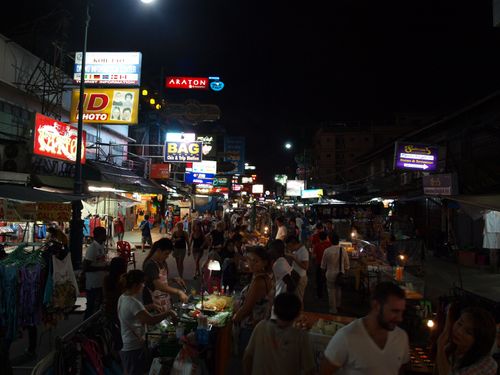
Khao San Road
Attractions
Bangkok’s backpacker carnival: curbside bars, live bands and DJs from 3pm–2am (midnight Sun). Street eats are cheap — pad thai 70–100 THB, mango sticky rice 60–100 THB. Come for wild people-watching; duck into Rambuttri for a calmer beer.
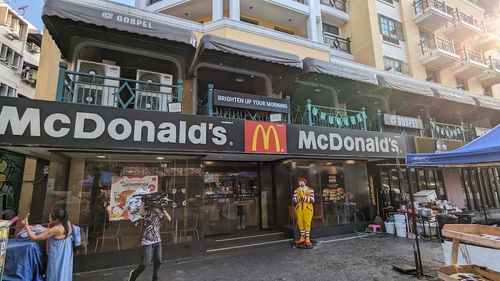
McDonald's Khaosan Road
Restaurants
Khao San’s reliable late-night fix. Burgers, fries and spicy McWings served till 4am daily — ideal post-bar fuel. Streetfront on Thanon Khao San; quick counter service and takeaway. Last checked Mar 2026.
Wat Arun Ratchawararam Ratchawaramahawihan
Temples
More Khao San Road Guides
- Backpacker Packing List for Thailand: Documents, Cash, and Travel Admin Essentials
- Carry-On Packing for Thailand: A Minimal Backpacker Checklist for Long Trips
- Backpacker Packing List for Thailand for Essential Documents and Backup Safety: Passports, Copies, and Emergency Storage
- Thailand Packing List for Backpackers in Domestic Flights and Baggage-Strict Travel