
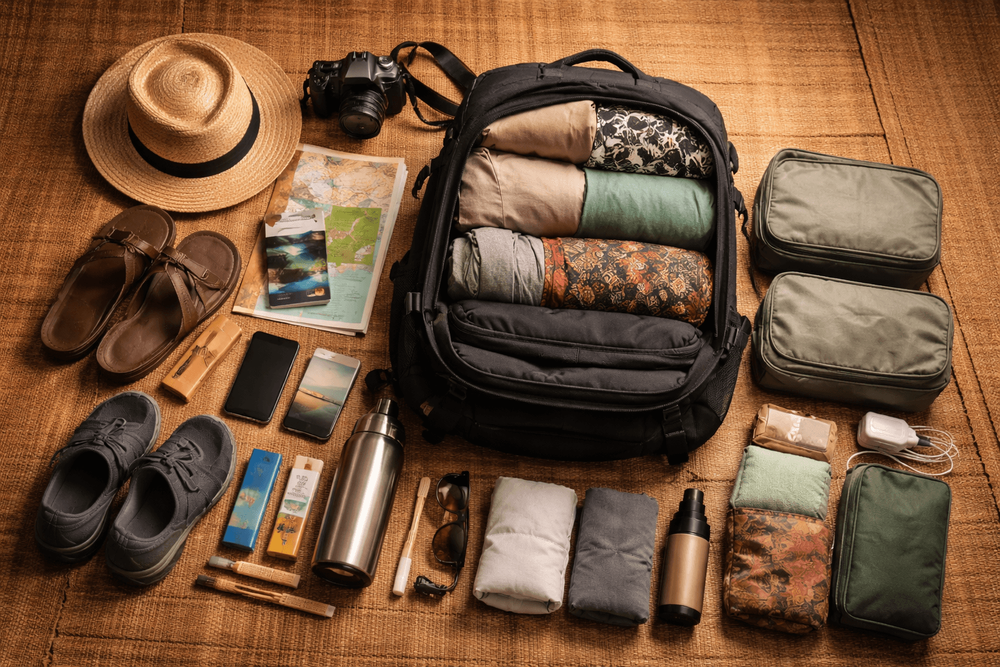
Carry-On Packing for Thailand: A Minimal Backpacker Checklist for Long Trips
Fly carry-on only in Thailand without stress. Honest airline rules, a minimalist packing list, what to skip, and smart tips for Bangkok, islands, and night buses.
We step off the AirAsia flight into Don Mueang’s blast-furnace jet bridge, sweat beading before immigration. The bass from Khao San Road is still ringing in our ears from last trip, and we promised ourselves we’d pack lighter this time. If you’re eyeing carry-on packing for Thailand, this is how we do it without paying a single baht in baggage fees—and still having what we need for Bangkok’s heat, island rain, temple dress codes, and those 12-hour night buses.
Carry-on packing Thailand: airline rules that actually matter
Budget carriers flying to and within Thailand are ruthless with weight and size. We’ve seen more than one farang unpacking underwear at the gate to hit the limit. Here’s the stuff worth knowing before we roll into BKK or DMK.
Size and weight basics
- Typical size limit: around 56 x 36 x 23 cm for the main bag. If your backpack looks “mountain” instead of “metro,” they’ll eyeball it.
- Typical weight: 7 kg for most economy tickets on Thai budget carriers. International full-service airlines often allow 7–10 kg in economy, with a personal item. Always check your booking for the exact allowance.
Common Thailand carriers and norms (economy)
- AirAsia: 7 kg total across one cabin bag plus a small personal item. They do gate-weighs.
- Thai VietJet, Nok Air, Thai Lion Air: usually 7 kg and strict when flights are busy.
- Bangkok Airways, Thai Airways (domestic economy): generally 7 kg carry-on. Some fares include a checked bag—nice, but don’t bank on it.
Tip: Wear your heaviest shoes, stash your charger brick and power bank in your pockets during check-in if you’re flirting with 7 kg, then pop them back after security.
Liquids, power banks, and other pitfalls
- Liquids: On international flights leaving/connecting in Thailand, follow the 100 ml per item rule in a 1-liter bag. Domestic policies can be looser, but play it safe and stick to 100 ml for anything in your cabin bag.
- Power banks: Carry-on only. Up to 100 Wh is fine (most 10,000–20,000 mAh units). Over 100 Wh needs airline approval; over 160 Wh is a no-go.
- Lighters: Usually one standard lighter on your person, not in your bag. No torches.
- Sports gear and tools: Knives, big scissors, camping stoves with fuel residue—skip them for carry-on.
For a deeper dive on minimalist strategy, we’ve laid out tactics in our companion piece: Thailand Carry-On Packing Guide: How to Travel with Just a Backpack.
What to pack for Thailand’s heat, rain, temples, and transit
Bangkok’s heat hits like a wok flare. One minute we’re on Phra Athit Road by the river, the next we’re ducking into 7-Eleven for that glorious AC blast and a 14-baht water. Pack light, quick-dry, and versatile.
Clothing (quick-dry everything)
- 3–4 breathable tees or tanks (merino or quick-dry synthetics beat cotton in humidity)
- 1–2 travel shirts with buttons for temples and nicer dinners (linen blends are magic)
- 2–3 pairs of shorts (one swim-capable)
- 1 pair of lightweight long pants (or a maxi skirt/palazzo pants)
- 1–2 quick-dry underwear per day you can tolerate between washes, plus one sports bra if needed
- 3 pairs of socks (merino dries faster, smells less)
- Light scarf/sarong: doubles as temple cover, beach towel, bus blanket
Temple note: At Wat Pho, Wat Arun, and especially the The Grand Palace, shoulders and knees must be covered. Men: pants to the knee or longer. Women: cover shoulders and knees; leggings under a skirt work. They’ll sell you wraps if you forget, but we’d rather keep our baht for boat noodles on Samsen.
Footwear
- Breathable sneakers or trail runners (good for city stomping and light hikes)
- Sandals/flip-flops (showers, beaches, hostel life)
- Optional: packable water shoes if you plan on rocky snorkeling spots
Rain gear (monsoon-proof your daypack)
- Ultralight rain jacket or poncho (a 50–100 baht poncho from a stall on Khao San works in a pinch)
- Compact umbrella (great shade in noon sun, too)
- Dry bag or zip pouches for phone/passport—fast boat spray is real on Koh Tao runs
Sun and beach kit
- Reef-safe SPF 50 sunscreen (buying in Thailand can be 300–500 baht and many include whitening agents)
- Sunglasses and a cap/hat
- Swimwear (women: one-piece that doubles as a bodysuit pairs well with a skirt for temple days)
- Microfiber towel (dries quick, won’t swamp your pack)
Nightlife + AC survival
- Light long sleeve for overzealous AC on overnight buses and mall cinemas
- Earplugs and eye mask (the thump from a Khao San bar travels)
Laundry and hygiene
- Travel-size toiletries in 100 ml bottles (you can top up at 7-Eleven anywhere)
- Solid soap/shampoo bars if you want to skip liquids
- Laundry soap sheets or a mini bar; most guesthouses do laundry for 40–60 baht/kg, coin-ops run 30–50 baht per wash
If you love a master checklist, we’ve got a thorough breakdown here: Backpacker Packing List for Thailand.
Thailand-specific carry-on necessities
We keep this stuff reachable—front pocket of the pack, never buried.
Money and cards
- 2 debit cards, 1–2 credit cards (separate them in different pouches)
- 3,000–5,000 baht cash on arrival to dodge ATM fees day one (Thailand ATMs often charge 220–250 baht per withdrawal)
- Wise/Revolut-style card if you use them—still expect local ATM fees
Documents
- Passport valid 6+ months, plus a couple of photocopies
- Digital backups in encrypted cloud and on your phone
- Proof of onward travel if your airline asks
- International Driving Permit if you’ll rent scooters in Pai or Phuket
Tech and power
- Universal adapter: Thailand takes 220V, 50Hz; sockets commonly accept two flat (Type A) or two round pins (Type C). Many hotels have multi-standard outlets, but we bring a slim adapter anyway.
- 10,000–20,000 mAh power bank (carry-on only)
- Short USB-C/Lightning cables and a compact wall charger (2 ports minimum)
- E-reader or phone with offline maps (BTS/MRT, Khlong boats, island ferries)
Health kit (carry-on friendly)
- Prescription meds in original packaging and a copy of prescriptions
- Basic first aid: plasters, antiseptic wipes, painkillers
- Anti-diarrheals and oral rehydration salts (ORS is a lifesaver after a night on Chang beers)
- Antihistamines for mosquito bites and mystery rashes
- Motion-sickness tablets (Surat Thani ferries can be chunky)
- 20–30% DEET or 20% picaridin repellent; light, long layers at dusk help too
Need a focused checklist on meds and documents? See: Smart Packing for Thailand: Medications, Toiletries, and Travel Documents Checklist.
SIMs and connectivity
- eSIM is the cleanest play—activate before landing. If you like plastic, 7-Eleven and carrier kiosks at BKK/DMK can set you up in minutes.
- Keep a paper copy of your accommodation address in Thai if you’re grabbing a taxi—helps after a red-eye when the Grab app lags.
Pack smart for different Thailand trip styles
We don’t pack different bags—we pack the same smart bag differently.
City stays: Bangkok, Chiang Mai, and temple loops
- Clothes: skew casual-smart and breathable. A collared shirt gets you into nicer rooftop bars without the “tourist tax” vibe.
- Day kit: packable rain layer, scarf, and a dry pouch for your phone—afternoon downpours on Sukhumvit are ambush-level.
- Footwear: sneakers for pavement, sandals in the hostel shower.
- Temple etiquette: stash knee/shoulder cover-ups in the daypack. The Grand Palace is strict.
Island trips: Phuket, Krabi, Koh Tao, Koh Phangan
- Dry bag for boat transfers (spray on longtails is guaranteed)
- Reef-safe sunscreen and a rashguard; sun here cooks fast
- Minimal clothes—sarongs, swimwear, and one lightweight outfit for “nice dinner by the beach” is plenty
- Cash buffer: some islands have spotty ATMs; bring extra baht
Night buses and sleeper trains
- Eye mask, earplugs, light long sleeve for Arctic AC
- Flip-flops for bus rest stops; wet wipes for the midnight noodle stop
- Padlock for luggage racks and a cable lock if you nap hard
- Snacks: rice crackers, bananas, 7-Eleven onigiri—just no durian, unless you enjoy being unpopular
Quick domestic flights
- Keep liquids consolidated; DMK security can be fickle
- Weigh your bag at your guesthouse before heading out; budget carriers love gate scales
- Wear bulky layers on the plane, stuff pockets with chargers if needed
What not to carry on in Thailand (and how to stay organized)
Prohibited or risky items
- E-cigarettes and vapes: illegal to import/possess in Thailand. Don’t bring them—full stop.
- Big aerosols, pepper spray, knives, multi-tools with blades: not cabin-friendly
- Power banks over 100 Wh: airline approval needed; over 160 Wh banned
- Drones: legal only with registration and insurance per CAAT/NBTC. If you don’t have permits, think twice
- Buddha images and antiques: tight export rules. Mini souvenirs are fine; don’t try to take a Buddha head out of the country
Inconvenient stuff to buy at home
- Jumbo toiletries: buy in Thailand at 7-Eleven/Boots/Watsons
- Towels and sarongs: cheap all over Khao San and Soi Rambuttri
- Umbrellas: 100–150 baht from street stalls when the sky turns black over Sathorn
How we keep a 7 kg bag honest
- Use one midsize backpack (28–35L) that fits airline sizers; avoid external dangly bits that scream “gate check me”
- Packing cubes: one for clothes, one for smalls, one for tech. Roll soft stuff, slide cubes in like Tetris
- 1–2 pairs of shoes max; wear the heavy pair on flights
- Laundry every 3–4 days instead of carrying extra outfits
- Refill toiletries as you go; don’t haul liters of shampoo across the klong
Know before you go: airport and transit tips
- Suvarnabhumi (BKK) vs Don Mueang (DMK): BKK feels sleeker, DMK is budget-airline central. Both have SIM kiosks and water refill stations after security.
- Airport rail links: From BKK, the Airport Rail Link drops us into Phaya Thai BTS faster than any taxi in rush hour. From DMK, grab bus A4 to Khao San/Phra Arthit or A1/A2 to Mo Chit BTS.
- Taxis and Grab: Metered taxis are fine—insist on the meter and have small bills. Grab is great if you’ve got data. Tuk-tuks are fun but negotiate upfront; think of it as sanuk, not savings.
- Money exchange: Rates near Khao San and in town are better than airport kiosks. We still pull a little cash at the airport for the first ride and a street pad thai.
A minimalist loadout we actually carry
- 30–35L backpack + 10L packable daypack
- Clothes listed above + scarf/sarong
- Sneakers + flip-flops
- Ultralight rain jacket + compact umbrella
- Toiletries: 100 ml bottles or solids
- Med kit + prescriptions + ORS
- Passport + copies + 2 cards + some baht
- Phone + universal adapter + 10–20k mAh power bank + cables
- Microfiber towel + earplugs + eye mask
- Dry bag/zip pouches for boats and storms
If you want a templated, print-ready version of this strategy, check our streamlined Thailand Carry-On Packing List: How to Travel Light on a Long-Term Backpacking Trip.
Final word from Soi Rambuttri
We’ll meet you under the banyan lights on Soi Rambuttri after sundown—the air thick with lemongrass smoke, guitars strumming, tuk-tuks coughing past. With a 7 kg pack, we float from river ferries to rooftop beers without baggage desks dictating our day. Pack light, keep your sarong handy, and save those baht for a bowl of boat noodles by the khlong. See you on the Chao Phraya Express at dawn.
Related Hotels & Places
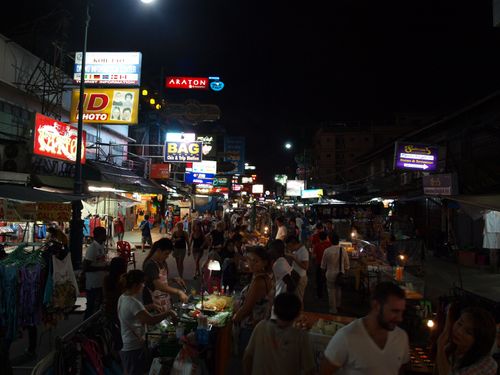
Khao San Road
Attractions
Bangkok’s backpacker carnival: curbside bars, live bands and DJs from 3pm–2am (midnight Sun). Street eats are cheap — pad thai 70–100 THB, mango sticky rice 60–100 THB. Come for wild people-watching; duck into Rambuttri for a calmer beer.
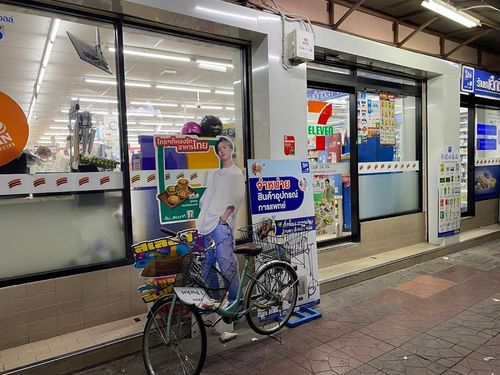
7-Eleven
Shops
Khao San’s 24/7 reset button: ice‑cold A/C, ham‑cheese toasties, All Café iced lattes, water for 7–14 THB, and late‑night supplies from snacks to sunscreen—right by Rikka Inn.
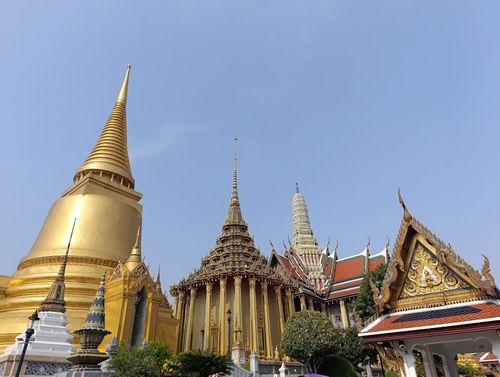
The Grand Palace
Attractions
Bangkok’s royal showpiece a short hop from Khao San: glittering Wat Phra Kaew, Ramakien murals, and gold-on-gold rooftops. Go 8:30am to dodge the heat, dress modestly, and boat to Tha Chang for the prettiest arrival.
More Khao San Road Guides
- Backpacker Packing List for Thailand’s Minimalist Travel: One-Bag Gear for Light, Flexible Trips
- What to Pack for Thailand for Backpackers with a Carry-On Only: Minimal Gear That Actually Works
- Thailand Backpacker Packing List for Short Trips: Pack Light for a Few Days in Bangkok and Beyond
- Backpacker Packing List for Thailand: Documents, Cash, and Travel Admin Essentials