
What to Pack for Thailand for Prescription Meds, Insect Protection, and Basic Health Care on the Road
The street-smart Thailand health packing list: prescriptions, legal tips, insect defense, first aid, and AC-to-sun survival—built for Bangkok, islands, and beyond.
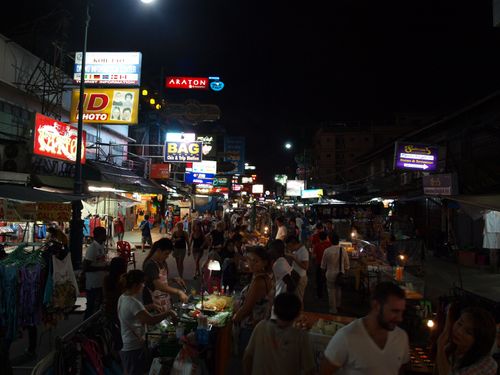
We’re shoulder-to-shoulder on Soi Rambuttri, dodging a tuk-tuk and a coconut cart while the night air sticks to our skin like syrup. The DJ at a Khao San Road bar drops a bass line, a wok hisses, and that sweet-rot durian breeze drifts in from a side soi. This is the moment your Thailand health packing list either earns its keep—or you learn to say “pharmacy” (raan kai ya) the hard way.
Data Freshness + Pricing:
- Prices are approximate and in THB.
- Last checked: June 2026.
- Happy hour and promo details change frequently—confirm locally.
We’ve built this Thailand health packing list from a decade of sweaty boat rides on the Chao Phraya, hikes up the Golden Mount, and too many 7-Eleven sanctuary breaks to count. It’s practical, street-smart, and ready for Bangkok’s heat, island sun, mountain trails, and market meals.
Thailand health packing list: what we actually pack
1) Prescription meds, documents, and Thailand’s rules (the non-scary version)
Bring exactly what you need—and proof that you need it.
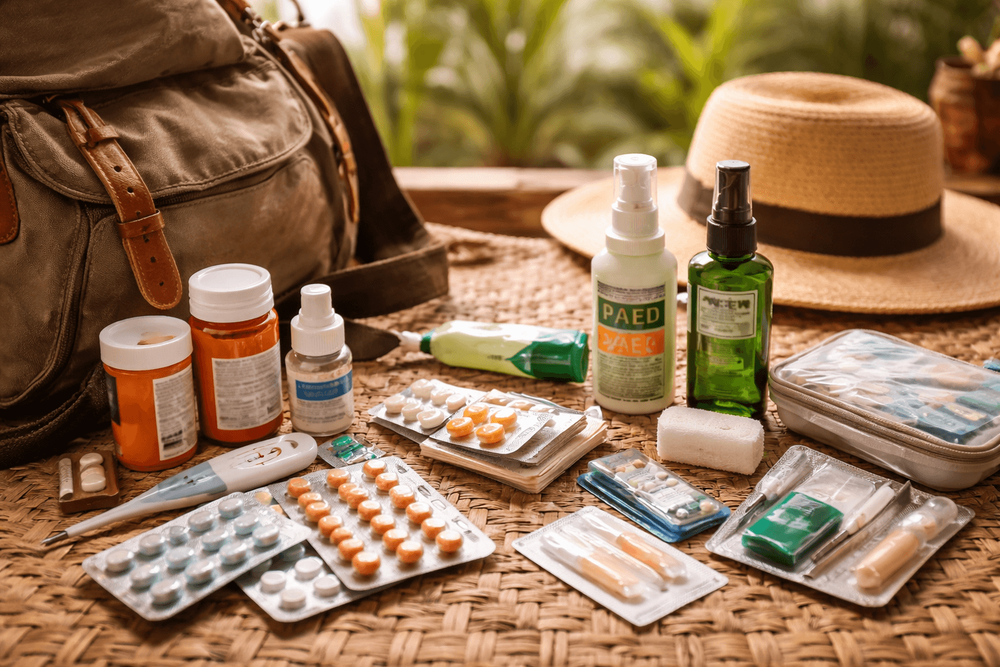
- Your personal prescriptions: Pack enough for your full trip plus a buffer (7–10 days). Keep meds in original labeled containers. Split supplies: a main stash in checked baggage and a 3–5 day kit in your carry-on.
- Doctor’s letter: One page stating diagnoses, generic drug names, doses, and the need to carry meds on board. English is fine; print a spare copy.
- Copies of prescriptions: Paper + digital (email/cloud). Photograph the labels.
- Controlled meds: Thailand restricts some substances (e.g., opioids, certain ADHD stimulants, benzodiazepines, and meds with pseudoephedrine). For personal use, typical guidance is max ~30 days’ supply with documents. Some categories may require prior permission from Thai FDA/Narcotics authorities if quantities are large. Don’t bring cannabis products or e-cig/vape liquids—importation is prohibited.
- At the airport: Keep all meds together in a clear pouch. Liquid meds over 100 ml can be carried if medically necessary—have your letter ready and arrive early.
We’re travelers, not your clinic or lawyer—rules change. Check current guidance with a travel clinic and your nearest Royal Thai Embassy before you fly. If you’re traveling with multiple prescriptions or chronic conditions, we also lay out extra tips in our deep-dive: What to Pack for Thailand for Medication and Health Needs.
Pro tip for Bangkok days: the small day kit lives in our crossbody bag so we’re not digging through luggage on Phra Athit Road when that headache hits.
2) Over-the-counter items for heat, food, insects, and city chaos
You can buy most basics at 7-Eleven, Boots, or Watsons—but we still pack a starter kit to dodge midnight pharmacy hunts.
- Pain/fever relief (paracetamol or ibuprofen): Start with a small supply; top up locally. Approx 10–30 THB per strip in Bangkok.
- Antihistamine (cetirizine or loratadine): For bites and dust. Approx 20–60 THB per strip.
- Motion sickness tabs: For Gulf ferries and twisty mountain roads. Approx 20–60 THB per strip.
- Stomach toolkit:
- Oral rehydration salts (ORS): Non-negotiable in the tropics. Local sachets cost approx 8–20 THB each; “Royal-D” drinks run approx 12–25 THB.
- Loperamide: For essential bus-ride control. Approx 30–80 THB per strip.
- Probiotics or bismuth (if you use them): Pack from home; bismuth products are less common here.
- Sun care:
- High-SPF sunscreen (SPF 50+, sweat-resistant). Local prices: approx 180–450 THB for travel tubes.
- Aloe gel or after-sun: Approx 80–200 THB.
- Insect defense:
- Repellent with 20–30% DEET or 20% picaridin. Approx 120–250 THB for a small spray.
- Bite-relief cream (antihistamine/calamine). Approx 50–150 THB.
- Masks (for smoky season up north): A couple of N95s. Approx 25–60 THB each at pharmacies.
- Lip balm with SPF and a tiny saline nasal spray (hotel AC and plane cabins are dry).
We also keep a flat-foldable water bottle and sip constantly. A 1.5L bottle from 7-Eleven is approx 14–20 THB; refill stations on side streets can be as low as 1 THB per liter (bring coins and common sense).
If you like checklists that keep passports and pill boxes in the same brain space, bookmark: Smart Packing for Thailand: Medications, Toiletries, and Travel Documents Checklist.
3) First-aid basics and hygiene for solo travelers, families, and adventure heads
Build a kit that fits your trip style.
The core kit (everyone):
- Plasters/band-aids and a couple of blister pads (Bangkok pavement + wet feet = hotspots)
- Antiseptic wipes or a 30 ml bottle of povidone-iodine
- Sterile gauze + micropore tape
- Small roll of elastic bandage
- Tweezers and nail clippers
- Digital thermometer (tiny, invaluable)
- Hand sanitizer (50–100 ml) and a travel soap sheet pack
- A few alcohol swabs for phone and small cuts
- Condoms (heat-resistant storage; buy fresh if you left them in the sun)
Solo travelers: Keep it ultralight. We carry a “street kit” the size of a passport: 2 plasters, 1 blister pad, 2 ORS, 2 loperamide, 2 painkillers, 2 antihistamine, tiny sanitizer, mini repellent. For bigger stock, see our lean approach in the Thailand Packing List for Solo Backpackers.
Families: Add kid-dose paracetamol/ibuprofen, a child-safe repellent (lower-concentration picaridin), oral syringes for dosing, and a spare sun hat that lives in your daypack. Tampons are findable in Bangkok malls but not everywhere upcountry; bring your preferred menstrual care. For broader family gear ideas: Thailand Packing List for Family Travelers: Kid-Friendly Gear for a Smooth Trip.
Adventure travelers: Jungle day-hikes? Toss in moleskin, a small saline bottle for wound rinse, a triangular bandage, and a few waterproof dressings. Treat socks and cuffs with permethrin at home if you’re heading into leech country. Helmet hair beats hospital hair—rent quality gear and spot cracks before you scoot.
4) Thailand-specific health realities (and how we dodge them)
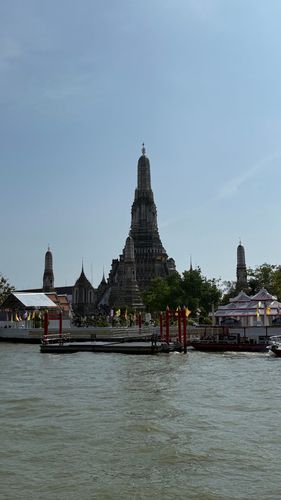
Mosquitoes: Dengue and chikungunya are spread by day-biting Aedes mosquitoes. Yes, daytime. That’s why we use repellent before a Wat Arun Ratchawararam Ratchawaramahawihan ferry ride and again around sunset drinks by the river.
- What works: 20–30% DEET or 20% picaridin on exposed skin; long, light sleeves at dawn/dusk; sleep with AC or a fan; check for window screens; use a plug-in vaporizer in rural stays (approx 150–250 THB) or coils outdoors (approx 30–60 THB per pack—never indoors).
- If fever + severe aches pop up after bites, skip self-medication with ibuprofen and see a clinic—dengue and NSAIDs don’t mix well.
Sun and heat: Bangkok’s sidewalks bounce heat like a frying pan. We reapply SPF every two hours, chase shade on Phra Athit Road, and plan temples early. Hat, light scarf, and a UV shirt make island days more sanuk and less sizzle.
Water and ice: Tap water isn’t for drinking. Bottled is everywhere; refill wisely. Ice from big bags with the stamp triangle logo is generally purified and safe. Bring a small brush—washing fruit from a market near the khlong can be a sand trap otherwise.
Food: Follow the crowd. High turnover = fresher fry oil. On night market runs, we go one deep-fried thing (hello, banana roti) for every fresh papaya salad, and we ask for “mai sai prik mak” (not too much chili) if our stomachs are tender.
Air-con whiplash: That 7-Eleven blast feels like stepping into a glacier. We stash a thin layer in our daypack to dodge sore throats from rapid chills.
5) Packing and flying with health gear like a pro
- Keep meds with you: All essential meds live in carry-on. Checked bags go missing; daily doses don’t.
- Beat the humidity: Bangkok is a steam room. Seal meds in zip bags with a few silica gel packets. Hotels usually have a mini-fridge—store heat-sensitive meds (e.g., some biologics) in the fridge, never the freezer. For insulin, we carry a small evaporative cooler pouch and request a room with a fridge when we book.
- Label clearly: Generic name + strength on every container; print a med list for quick border checks.
- Liquids and sharps: Pack syringes with your letter. Keep liquid meds in a separate pouch for security. If you need ice for a short transfer, 7-Eleven sells small bags (approx 10–20 THB); drain before security.
- Day kit logic: One pouch you can grab for a Chinatown food crawl—repellent, sunscreen stick, sanitizer, ORS, a couple plasters, and your daily meds.
- Refill plan: We map a nearby pharmacy whenever we land—there’s a solid Boots on Khao San’s corner and independents tucked off Tani Road. Tell the pharmacist the generic name; they’ll often have an equivalent at a friendly price.
Where to find help when things go sideways
- Pharmacies: Independent shops often beat chain prices and can dispense common antibiotics with pharmacist guidance when appropriate. Say “yai” (medicine) and show your empty strip if you forget the name.
- Clinics and hospitals: Private hospitals in Bangkok are efficient and foreigner-friendly; prices vary by brand. For island injuries, get stabilised locally, then ferry/flight to a city if needed.
- Travel insurance: Boring until it isn’t. Screenshot your policy and save an emergency number in your phone under ICE.
Sample packing lists you can copy (and tweak)
The lightning-fast city hopper (3–7 days):
- Daily prescriptions + doctor’s letter
- Sunscreen stick + 30 ml sanitizer
- Repellent (20–30% DEET/picaridin)
- ORS x 3, loperamide x 4, painkillers x 6, antihistamine x 4
- 4 plasters + 1 blister pad + 2 antiseptic wipes
The slow traveler (2–6 weeks, Bangkok + islands + north):
- All of the above, plus aloe gel, motion-sickness tabs, thermometer, elastic bandage, spare antihistamine, and a vaporizer unit for mosquitos if rural stays are planned
- Refill strategy: note local prices—sunscreen approx 180–450 THB, repellent 120–250 THB, ORS 8–20 THB per sachet
The family set:
- Adult + child pain/fever meds with dosing syringes
- Child-appropriate repellent, zinc oxide diaper cream if traveling with infants
- Extra hats, long-sleeve UV tops, and electrolyte ice pops (many minimarts stock them; approx 10–20 THB)
Know before you go (and what to skip)
- Vaccines and pre-trip checks: A travel clinic can advise on Hep A, Typhoid, and Tetanus boosters based on your itinerary. Build in 4–6 weeks if you need a series.
- Don’t bring: Cannabis products, THC/CBD vapes, or e-cig gear—importation is prohibited. Skip popping antibiotics “just in case”; see a clinician if you’re properly ill.
- Timing your city days: Do temples in the morning cool; street eats after sunset. Your sunscreen and repellent go further that way.
- More medical-meets-practical advice if you carry multiple meds or assistive gear: Thailand Packing List for Backpackers with Medical Needs: Medicines, Prescriptions, and Health Essentials.
How we roll in Bangkok (a tiny routine that saves the day)
We stash our day kit by the door, refill our bottle before stepping out, and do a quick spritz—repellent first, then sunscreen. We eat where the wok queue is long, duck into 7-Eleven for an AC reset and an ORS if we’re flagging, and keep our evening bites to places buzzing with locals. When we head back along the river on the Chao Phraya Express, we’ve still got a couple of plasters and a sachet of ORS in the pocket—just enough to carry us from Chao Phraya Tourist Boat N13 Phra Arthit Pier to our room without detours.
When you land on Khao San, ping us—we’ll be the ones with the tiny pharmacy in our pocket and a plan for boat noodles after the Golden Mount steps. Bring the right kit and the city opens up like a bowl of steaming guay tiew: fragrant, fast, and exactly what you came for.
Related Hotels & Places
Khao San Road
Attractions
Bangkok’s backpacker carnival: curbside bars, live bands and DJs from 3pm–2am (midnight Sun). Street eats are cheap — pad thai 70–100 THB, mango sticky rice 60–100 THB. Come for wild people-watching; duck into Rambuttri for a calmer beer.
Wat Arun Ratchawararam Ratchawaramahawihan
Temples
Chao Phraya Tourist Boat N13 Phra Arthit Pier
Services
Khao San's river gateway. N13 Phra Arthit is the Chao Phraya Tourist Boat stop: grab a day pass and hop to Wat Arun, the Grand Palace and Sathorn. Boats every ~30 mins; last around 7:15pm. The scenic, no-traffic way to get around.
More Khao San Road Guides
- What to Pack for Thailand for Backpackers Traveling with Prescription Medication: Documents, Storage, and Backup Supplies
- Backpacker Packing List for Thailand: First Aid, Medicines, and Health Essentials
- Thailand Packing List for Backpackers with Medical Needs: Medicines, Prescriptions, and Health Essentials
- Thailand Packing List for First-Time Backpackers: What to Bring, What to Skip, and What to Buy on Arrival