
Backpacker Packing List for Thailand: First Aid, Medicines, and Health Essentials
Build a smart Thailand first aid packing list: meds for heat, insects, stomach, blisters, and what to buy locally. Prices in THB, last checked July 2026.
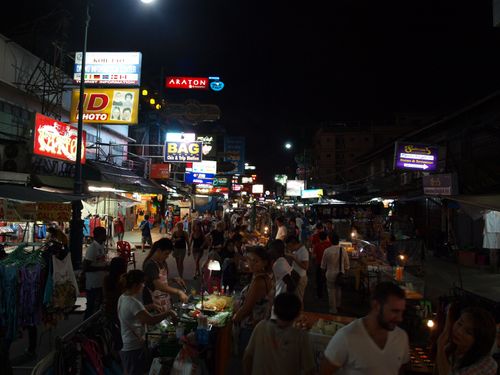
We’re halfway down Khao San Road, sweat turning our shirts into second skins, when the neon light and wok smoke start to blur. A tuk-tuk coughs past, the bass thumps from a bar, and we duck into 7-Eleven for that blessed AC blast. It’s here—between the instant noodles and menthol sticks—that our Thailand first aid packing list proves its worth: a blister patch for the sandal rub, an electrolyte tab for the heat, and antihistamine for that mystery mozzie bite that’s swelling faster than the crowd on Soi Rambuttri.
Data Freshness + Pricing:
- Prices are approximate and in THB.
- Last checked: July 2026.
- Happy hour and promo details change frequently—confirm locally.
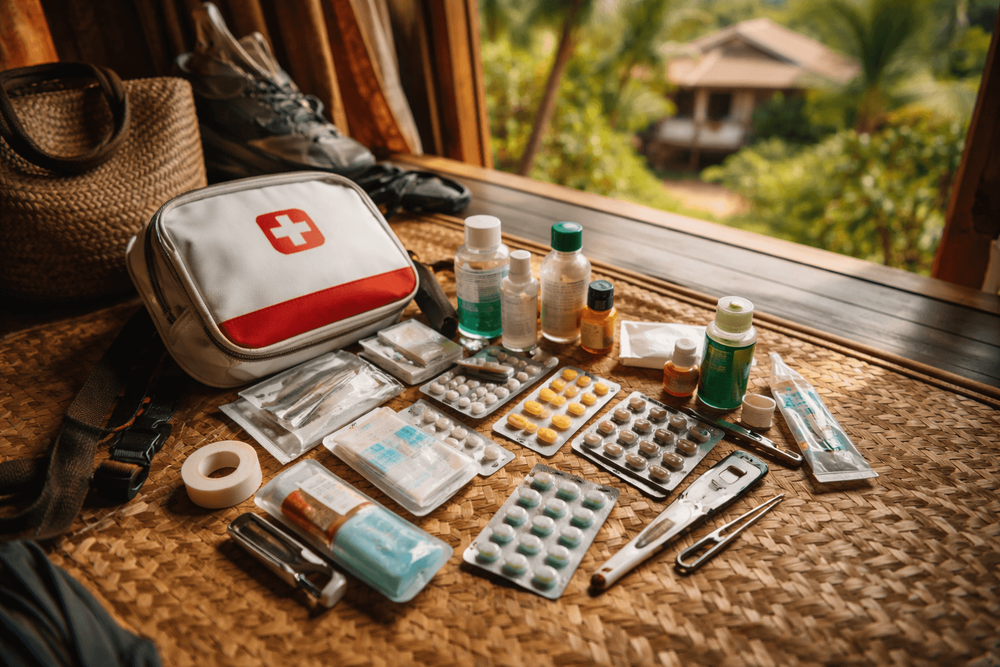
Your Thailand First Aid Packing List: The Essentials
Bangkok rewards the prepared. The good news: Thai pharmacies are excellent, but we still carry a compact kit so we don’t lose time hunting for supplies mid‑heatwave or mid‑ferry. Here’s what earns its space in our daypack.
Cuts, scrapes, and blisters
- Waterproof plasters/bandages (mixed sizes). Approx. 40–90 THB per pack.
- Hydrocolloid blister pads for heel/toe hotspots. Approx. 80–180 THB.
- Antiseptic wipes or small bottle of povidone‑iodine/chlorhexidine. Approx. 30–80 THB.
- Sterile gauze pads + micropore tape. Approx. 40–120 THB.
- Tweezers + small scissors (pack scissors in checked luggage when flying domestic). 60–150 THB.
- Wound‑closure strips (for neat edges on minor cuts until you reach a clinic if needed). 60–120 THB.
Street stalls on Phra Athit Road are generous with the chili; chopping boards can be rustic. We clean, cover, and watch for spreading redness or heat—if that kicks in, it’s clinic time.
Tummy trouble and hydration
- Oral rehydration salts (ORS) or electrolyte tablets. Approx. 10–20 THB per ORS sachet; tabs 150–320 THB per tube.
- Loperamide for short‑term relief of non‑bloody diarrhea on travel days. Approx. 30–80 THB per strip.
- Probiotics (shelf-stable). Approx. 120–280 THB.
- Simethicone for gas/bloating. Approx. 40–120 THB.
- Activated charcoal tablets (some travelers find them helpful early on). Approx. 40–100 THB.
We go easy on rich curries our first night, pick busy stalls with fast turnover, and always hydrate—Bangkok heat and farang bravado don’t mix.
Pain, fever, and inflammation
- Paracetamol/acetaminophen. Approx. 20–60 THB per strip.
- Ibuprofen or naproxen (with food; avoid if you’ve got stomach issues). Approx. 40–100 THB.
- Heat/cooling patches for long bus rides. Approx. 30–60 THB each.
Allergies and bites
- Non‑drowsy antihistamines (cetirizine/loratadine). Approx. 40–120 THB per strip.
- Hydrocortisone 1% or mild steroid cream for itchy bites/rashes. Approx. 80–160 THB.
- After‑bite gel/roll‑on (ammonia or benzocaine). Approx. 60–160 THB.
Mosquito defense (dengue is no joke)
- Repellent: DEET 20–30% or picaridin 20%. Approx. 80–250 THB travel size.
- Lightweight long sleeves/pants for dusk in leafy sois and by the khlongs.
- Optional: permethrin‑treated clothing (treat at home; sprays are harder to find locally).
Sun, heat, and skin
- Broad‑spectrum sunscreen SPF 30–50 (reef‑safe if you’re island‑bound). Approx. 250–600 THB.
- Aloe vera gel or after‑sun. Approx. 80–220 THB.
- Prickly heat powder for Bangkok’s steam‑room sidewalks. Approx. 35–80 THB.
- Zinc oxide or anti‑chafe balm for sweaty temple days. Approx. 80–200 THB.
Motion and transit days
- Motion‑sickness meds (dimenhydrinate/meclizine) for ferries and winding roads to Pai. Approx. 30–90 THB per strip.
- Sea‑bands if you prefer non‑medicated. Approx. 180–350 THB.
Eyes, nose, and air quality
- Lubricating eye drops for dust and diesel along Yaowarat. Approx. 50–150 THB.
- Saline nasal spray and a couple of quality masks for PM2.5 days. Mask packs approx. 40–150 THB.
Hygiene and extras
- Hand sanitizer + small soap leaves. Approx. 20–70 THB.
- Pocket tissues/wet wipes (great for bus stations). Approx. 10–40 THB.
- Condoms (buy new on arrival; heat degrades the ones you’ve been backpacking with). Approx. 40–120 THB.
- Small first‑aid pouch, ziplocks, and a Sharpie to label doses/expiries.
Want a printable-style breakdown? We also wrote up a focused kit here: Thailand Travel First Aid Kit: What Backpackers Should Carry.
Thailand’s health realities that shape what you pack
We love street food and sticky nights by the Chao Phraya, but Thailand’s climate and travel rhythm are their own beasts. A few realities to plan for:
Humidity and heat
Bangkok in April can feel like walking through hot soup. Dehydration sneaks up on you on the stairs of the Golden Mount—pack ORS and reapply sunscreen more than you think. Heat rash is common; that prickly heat powder is pure sanuk when your backpack straps rub.
Street food and shared tables
Most of the best meals happen on plastic stools. Choose vendors with sizzling woks, high turnover, and food cooked to order. We skip pre‑peeled fruit that’s been sunbathing and keep wet wipes handy for messy som tam.
Beaches, reefs, and jellyfish
Coral cuts sting and infect easily—clean, cover, and watch. Some beaches (especially parts of the Andaman) keep vinegar stations for jellyfish stings; a 100 ml bottle in your daypack won’t hurt. If you get severe pain, difficulty breathing, or a rapidly spreading rash after a sting, get to a clinic or hospital.
Mosquito‑borne illness
Dengue pops up in cities and islands alike. There isn’t a one‑size‑fits‑all vaccine plan for travelers; bite prevention is king. Malaria risk is low in cities and most islands but can exist in forested border areas—check advice before remote treks and consider prophylaxis only if recommended by a travel clinic.
Air quality and urban irritants
Bangkok sees PM2.5 spikes, usually in the cool season. Masks and saline spray keep our sinuses happy when we’re weaving between sois or riding the Chao Phraya Express boat into a headwind.
Prescriptions, documents, and building a personal medical kit
If you take regular meds, Thailand is easy—if you plan.
- Bring enough for your full trip plus 1–2 weeks’ buffer, in original packaging with your name and the generic name visible.
- Carry paper or digital copies of prescriptions and a short doctor’s letter describing conditions and dosages, especially for controlled meds (stimulants, some anxiety/sleep meds, strong painkillers). Rules change; for large quantities or controlled substances, check current Thai FDA/embassy guidance before travel.
- Keep all meds in your carry‑on during flights and long bus rides; heat in luggage holds isn’t your friend. Add silica/desiccant packs and ziplocks to fight humidity.
- If your doctor advises stand‑by antibiotics or altitude/antimalarial meds for remote areas, carry the instructions in writing and use only as directed.
- Pack a basic vaccination record (tetanus up to date is wise). Travel insurance that covers outpatient visits and evacuation is worth the few hundred baht you’ll hopefully never “use.”
More detail on prescriptions and travel documentation: What to Pack for Thailand for Medication and Health Needs.
Tailor your kit to your trip: city, islands, treks, and everything between
One size doesn’t fit all trips. We tweak the kit depending on where we’re sleeping and how bumpy the road looks.
City stays (Bangkok, Chiang Mai, Ayutthaya day-trips)
- Pharmacies are everywhere (look for the green cross). We carry a lean kit: blister pads, sunscreen, repellent, ORS, painkillers, antihistamine, and hand sanitizer.
- Add eye drops and a mask for Bangkok’s busier junctions; a cooling patch helps after market crawls from Chatuchak to Talat Noi.
Island hopping (Phuket, Koh Phi Phi, Koh Tao, Koh Phangan)
- Motion‑sickness meds, reef‑safe sunscreen, vinegar ampoule, and waterproof bandages earn their keep.
- Flip‑flop blisters are basically an island rite; hydrocolloids save parties and hikes.
- Bring any specialty meds—you can find most basics, but some islands have limited stock or shorter pharmacy hours.
Trekking and remote loops (Mae Hong Son, Chiang Dao, Umphang)
- Add a compression bandage, extra gauze/tape, small SAM‑style splint if you’ve got space, and water purification tabs/droplets.
- Consider leech socks in the wet season and a small tube of antibacterial ointment.
- If you’re days from a clinic, talk to a travel doc pre‑trip about stand‑by meds tailored to you.
Kanchanaburi waterfalls and national parks
- Slippery rocks mean more scrapes—pack antiseptic and a couple of larger dressings.
- Mosquitoes can be feistier under the canopy—long sleeves and repellent at dusk.
Party nights (Khao San, RCA, Full Moon)
- Earplugs, electrolytes, plasters, and a spare antihistamine or two in your pocket.
- Condoms from a cool, air‑conditioned shop—not sunbaked market racks.
Diving days (Koh Tao, Similan)
- Never dive while congested without medical clearance; decongestants can wear off underwater and risk barotrauma. Keep ears happy with surface‑safe drying drops after snorkeling and consult a dive pro when in doubt.
Buying extras in Thailand and when to see a pro
The beauty of Thailand is how quickly you can sort small problems.
Where to buy and what it costs
- Pharmacies: Independent shops, plus chains like Boots/Watsons in malls and along Sukhumvit, Silom, and around Khao San. Many are open late or 24/7 near nightlife areas.
- Typical prices (approx.): ORS 10–20 THB/sachet; DEET repellent 80–250 THB; sunscreen 250–600 THB; paracetamol 20–60 THB/strip; antihistamine 40–120 THB/strip; small clinic consultation 300–800 THB; private hospital outpatient 800–1,800 THB; basic dressing change 150–400 THB. Prices vary by neighborhood and hospital tier.
- Bring a photo of your medication’s generic name. Brands differ; pharmacists will match the active ingredient.
When to see a pharmacy, clinic, or hospital
- Pharmacy: Minor diarrhea without blood/fever, mild rashes, small cuts, motion sickness, basic cough/cold. Thai pharmacists are excellent at triage.
- Clinic: Wound looks infected (spreading redness, warmth, pus), persistent fever, ear/sinus pain that won’t quit, simple burns, traveler’s diarrhea lasting more than 48 hours, moderate allergic reactions.
- Hospital (go now): Severe dehydration, chest pain, difficulty breathing, high fever with rash, head injuries, severe jellyfish stings, deep or gaping wounds, animal bites (dogs/monkeys—rabies prophylaxis is time‑critical), or any rapidly worsening symptoms.
Tip: Keep 1–2,000 THB in cash for quick visits; cards are usually fine at private hospitals, but small clinics may be cash‑forward.
Know before you pack: how we carry it all
- Decant and label: Move bulky boxes into ziplocks and write dosage + expiry with a Sharpie.
- Heat and humidity: Store gels/creams in a small dry bag. Don’t leave meds in a tuk‑tuk trunk or on a sunny beach.
- Air travel rules: Keep liquids under 100 ml for carry‑on; scissors go in checked baggage on flights and sometimes in intercity bus luggage checks.
- Daypack mini‑kit: 2–3 plasters, 1 blister pad, 1 ORS, 2 painkillers, 1 antihistamine, small sanitizer, and a repellent roll‑on. That’s our “Soi Rambuttri survival kit.”
- Refill rhythm: We top up in Bangkok before heading to islands or into the hills; shops on Koh Phangan and Koh Tao are fine, but selection swings with deliveries and seasons.
If you’re building the rest of your bag too, we’ve got a bigger gear overview here: Thailand Packing List for First-Time Backpackers: The Essentials You Actually Need.
The Travel Book: A Journey Through Every Country in the World (Lonely Planet)
We’ll be the ones tossing ORS into a water bottle as the Chao Phraya Express boat kicks up spray by Phra Arthit Pier. Pack smart, eat brave, and let Bangkok’s chaos work its magic—your kit has your back while you chase that perfect bowl of boat noodles.
Related Hotels & Places
Recommended Products

More Khao San Road Guides
- Backpacker Packing List for Thailand’s Health and First-Aid Needs: Stomach Issues, Blisters, and Pharmacy Basics
- Backpacker Packing List for Thailand for First Aid and Medicine: The Travel Health Essentials
- Backpacker Packing List for Thailand: Essential Gear for First-Time Southeast Asia Backpackers
- Thailand Backpacker Packing List for First-Time Visitors: Essentials, Don’ts, and What You Can Easily Buy There