
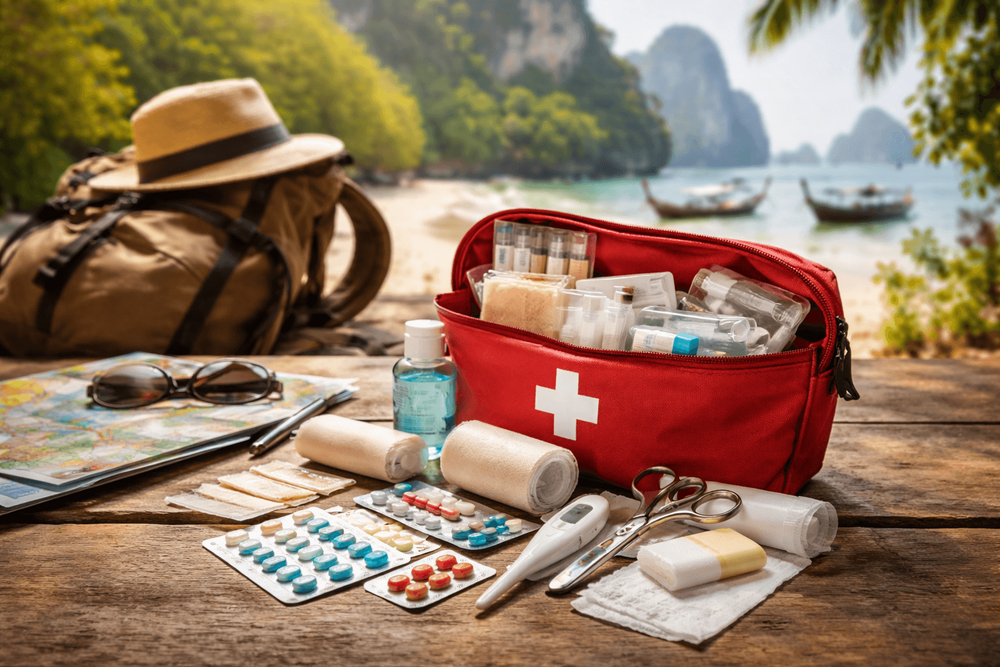
Thailand Travel First Aid Kit: What Backpackers Should Carry
A seasoned backpacker’s Thailand travel first aid kit: what to pack, what to skip, airport rules, and when to see a pharmacist or clinic in Bangkok and beyond.
We step off the Chao Phraya Express boat at Chao Phraya Tourist Boat N13 Phra Arthit Pier, sweat already beading under the pack straps, tuk-tuks buzzing like mosquitoes in rush hour. Bangkok hits hard: the thump from a Khao San Road bar, the sweet rot of durian from a passing cart, and that blast of saintly AC when we duck into 7-Eleven. That’s exactly when a dialed Thailand travel first aid kit earns its space in your bag—because the city doesn’t wait while you hunt down rehydration salts or a decent blister patch.
What to Pack in Your Thailand Travel First Aid Kit
We keep our kit lean but ready for heat, street food, island scrapes, and night-bus nonsense. Pack the essentials below, then top up as you go—Bangkok and bigger towns have excellent pharmacies.
For cuts, scrapes, and city-meets-jungle mishaps
- Assorted plasters/bandages, including waterproof and fingertip types
- Gauze pads and a small roll of micropore tape
- Antiseptic: povidone-iodine swabs or chlorhexidine wipes
- Antibacterial ointment or cream
- Tweezers and small scissors (check airline rules if carrying on)
- A few sterile alcohol wipes for quick cleanup
- Hydrocolloid blister patches (lifesavers for temple-marathon days)
For bites, stings, and rashes
- Insect repellent: DEET 20–30% or picaridin 20% (reapply after sweating/swimming)
- Bite-relief stick or gel (ammonia or after-bite roll-on)
- Hydrocortisone 1% cream for itchy reactions
- Antihistamine tablets (cetirizine/loratadine daytime; diphenhydramine for night)
For stomach and hydration
- Oral rehydration salts (ORS) packets—toss two in your daypack
- Loperamide for emergency bus-ride control (don’t overuse)
- Bismuth subsalicylate tablets for mild traveler’s tummy
- Probiotics if they agree with you (optional)
- Electrolyte powder for the morning after Khao San sanuk
For pain, fever, and sun
- Paracetamol/acetaminophen for fever and general pain
- Ibuprofen for inflammation (use after you’ve rehydrated)
- Aloe vera gel for sunburn
- Zinc oxide or thick sunscreen for nose/cheeks on boats and bikes
- Snake Brand Prickly Heat powder (buy locally; great for heat rash)
Motion, sleep, and long-haul sanity
- Motion-sickness tabs (meclizine or dimenhydrinate) for ferries to the islands
- Melatonin or your go-to sleep aid for red-eyes and night trains
- Earplugs and an eye mask (Khao San bass doesn’t keep office hours)
Monitoring and must-haves
- Digital thermometer (tiny, reliable)
- A couple of safety pins and a few zip ties (field fixes)
- A couple of pairs of nitrile gloves
- Small hand sanitizer (refill at 7-Eleven)
- Copies of prescriptions and your medication list with generic names
Tip: Keep a “day kit” in a zip pouch—one ORS, a few plasters, bite relief, loperamide, paracetamol, and sanitizer. The rest can live in your main bag back at the guesthouse on Soi Rambuttri.
Health Risks in Thailand That Shape Your Kit
Heat and dehydration
Bangkok heat is no joke. From Chatuchak to the Golden Mount stairs, most crashes we see are heat-and-sweat related. ORS beats plain water when you’re hammered by humidity. Reapply sunscreen more than you think, and aim for shade at midday.
Mosquitoes and dengue
Urban Bangkok isn’t malarial, but dengue is a countrywide risk, especially in the rainy season. Repellent, long sleeves at dusk, and a fan in your room help. Mosquitoes love legs at riverside beer spots along Phra Athit—spray ankles before you sit.
Street food stomachs
We love a plastic-stool feast—boat noodles near Victory Monument, pad kra pao on Dinso Road—but new guts sometimes revolt. Carry bismuth for mild rumbles, loperamide only for transit emergencies, and ORS for recovery. For severe diarrhea with fever or blood, see a clinic and ask about azithromycin; don’t self-medicate blindly.
Scratches, reefs, and scooters
Flip-flop scrapes on temple steps, scooter burns (so common they have a nickname), or coral grazes off Koh Tao—clean immediately and use antiseptic. Reef cuts get infected fast in the tropics; keep them covered and dry when you can.
Pollution and temples-without-shade
Dry eyes and mild coughs happen in traffic-choked zones. Lubricating eye drops and a lightweight sun hat with a brim go a long way.
Prescription and OTC Medicines to Consider
Not everyone needs a pharmacy’s-worth. Start with your regular meds and add region-smart extras.
Bring from home (in original boxes)
- Your daily prescriptions (30–60 days, or enough for your trip)
- EpiPen/epinephrine autoinjector if you have severe allergies
- Inhalers for asthma
- A small course of azithromycin for bacterial traveler’s diarrhea if your doctor recommends it
- Any specialist meds that might be hard to source abroad
Buy or top up locally
Thailand’s pharmacies are excellent. Look for the green cross or “Pharmacy/ร้านขายยา.” Pharmacists are knowledgeable and can advise on brands and dosing.
- ORS packets (Royal-D is everywhere)
- Prickly Heat powder (Snake Brand)
- Sunscreen refills
- Repellent refills
- Antihistamines, paracetamol, ibuprofen, motion-sickness tabs
Thailand-specific cautions
- Don’t bring narcotics without permits. Codeine, morphine, and some strong painkillers are tightly controlled; tramadol is highly restricted. If you need any controlled substance, speak to your doctor well in advance and check Thai FDA rules.
- Some sleep and anxiety meds (e.g., benzodiazepines) and ADHD medications (like methylphenidate) are psychotropics. Carry a doctor’s letter and keep amounts to around a 30-day supply. When in doubt, bring documentation.
- Avoid buying antibiotics casually. While some pharmacies will sell them OTC, inappropriate use fuels resistance. Use only with proper guidance.
- Cannabis/THC products and vapes are a legal grey/ever-shifting zone. Don’t bring them through the airport. Just… don’t.
If you’re building your whole pack from scratch, we’ve got broader gear notes here too: see Thailand basics in Thailand Packing List for First-Time Backpackers (/articles/thailand-packing-list-for-first-time-backpackers) and the medical-specific checklist in Smart Packing for Thailand (/articles/thailand-travel-checklist-medications-toiletries-documents).
Carrying Medications Through Airports and Into Thailand
This is the part people overthink. Keep it tidy, labeled, and legal.
The practical rules we follow
- Keep medicines in original packaging with your name where applicable.
- Pack a printed prescription and a doctor’s letter listing generic names, dosages, and conditions treated.
- Non-controlled meds for personal use: a 30-day supply is standard guidance. Longer stays? Bring more documentation, or plan a refill in Thailand with a local doctor.
- Controlled/psychotropic meds: bring no more than 30 days and carry a doctor’s letter. For narcotics (e.g., codeine, morphine) or any doubt, check Thai FDA requirements before you fly and obtain written permission if required.
- Needles/syringes (insulin, EpiPen): carry in hand luggage with the doctor’s letter. Tell security before it goes through the scanner.
- Liquids and gels: the 100 ml cabin rule still applies. Decant sunscreen and antiseptic gels accordingly, or pack in checked luggage.
- Don’t decant loose pills into unmarked baggies. That’s how you ruin your morning at Suvarnabhumi.
Heat-proofing your meds
- Thailand cooks. Keep temperature-sensitive meds in your daypack, out of direct sun. Ask your guesthouse to refrigerate items if necessary—most are happy to help.
- Use desiccant packs for blistered tablets in humid season.
We keep a printable version of docs and digital backups in the cloud. If you’re still streamlining your loadout, our Backpacker Packing List for Thailand (/articles/backpacker-packing-list-for-thailand-2026-06-06) pairs well with this first-aid build.
When Your Kit Is Enough—and When to Get Help
Use your kit for
- Minor cuts, scrapes, and blisters
- Mild food upsets without fever or blood
- Sunburn, heat rash, and mild headaches
- A few itchy bites
See a local pharmacy for
- Persistent diarrhea (24–48 hours), stomach cramps, or traveler’s tummy plus fever
- Wounds that look red, swollen, or ooze after a day despite cleaning
- Bad rashes, allergic reactions, or dozens of bites after a jungle trek
Pharmacies are everywhere around Khao San Road, Soi Rambuttri, and along Phra Athit. Expect to pay 50–200 baht for most OTC items, 10–30 baht per ORS packet, and a friendly consult at the counter. Say “sawadee,” explain symptoms, and let the pharmacist guide you.
Go to a clinic or hospital for
- High fever, severe dehydration, blood in stool
- Deep cuts, suspected fractures, scooter burns larger than your palm
- Severe allergic reactions (breathing issues, facial swelling)
- Head injuries or anything that scares you
Public hospitals are affordable but busy; private hospitals are pricier but quick and tourist-savvy. From Khao San, the river boat to Siriraj Hospital across the khlong is easy; for private care, major spots like the hospitals in Silom or Sukhumvit are used to farang and insurance paperwork. Keep travel insurance details on you and know the emergency number: 1669 for medical, 1155 for Tourist Police.
Costs and timing
- Private clinic consults: roughly 300–800 baht
- Private hospital ER: more, but fast—bring a credit card and insurance info
- Pharmacies: open late, many until 9–10 pm; on Khao San, you’ll find some open even later
Know Before You Go: Quick Tips That Save You
- Take photos of all meds and prescriptions before you fly.
- Split your kit: day pouch + main stash at the guesthouse.
- Start ORS before you feel wrecked; don’t wait for the wobble.
- Repellent on ankles before riverside beers; reapply after a swim at Koh Chang.
- Don’t pop ibuprofen on an empty, dehydrated stomach—sip water first.
- Hydrocortisone is magic for mystery rashes; keep a 1% tube handy.
- Reef cut? Clean like you mean it, antiseptic, cover, and watch for redness.
- New scooter riders: long sleeves and pants save skin. Your future self says thanks.
Building Your Thailand Travel First Aid Kit, Piece by Piece
You don’t have to nail it on day one. Grab the basics at home, then fine-tune on arrival. In Bangkok, it’s easy: we can walk from Soi Rambuttri to Phra Athit, duck into a pharmacy for ORS and hydrocortisone, and be slurping boat noodles ten minutes later. On the islands, stock up near the pier towns; in the north, Chiang Mai’s old city has reliable chemists on most corners.
If you’re a list person, we’ve stashed more packing smarts here:
- Thailand Packing List for First-Time Backpackers: What to Bring and What to Leave Behind (/articles/thailand-packing-list-for-first-time-backpackers)
- Smart Packing for Thailand: Medications, Toiletries, and Travel Documents Checklist (/articles/thailand-travel-checklist-medications-toiletries-documents)
- Backpacker Packing List for Thailand (/articles/backpacker-packing-list-for-thailand-2026-06-06)
We’ll be the ones by the riverside, sleeves rolled, Prickly Heat in the daypack, and a couple of ORS packets folded into the guidebook. If you spot us in a pharmacy on Phra Athit comparing blister patches, say hi—we’ve probably got a spare.
Related Hotels & Places
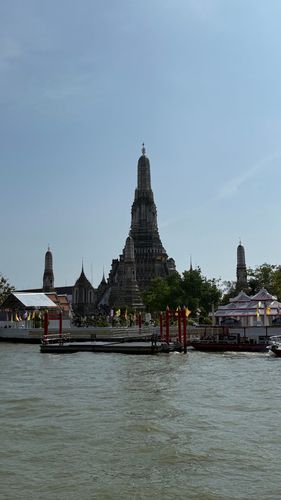
Chao Phraya Tourist Boat N13 Phra Arthit Pier
Services
Khao San's river gateway. N13 Phra Arthit is the Chao Phraya Tourist Boat stop: grab a day pass and hop to Wat Arun, the Grand Palace and Sathorn. Boats every ~30 mins; last around 7:15pm. The scenic, no-traffic way to get around.
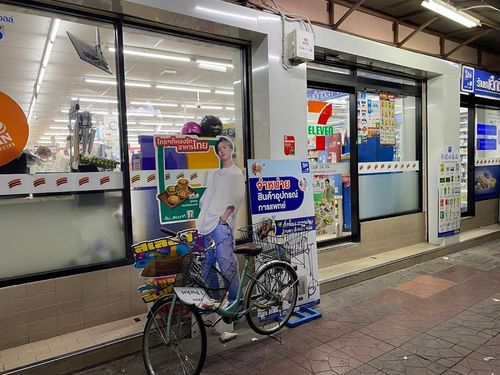
7-Eleven
Shops
Khao San’s 24/7 reset button: ice‑cold A/C, ham‑cheese toasties, All Café iced lattes, water for 7–14 THB, and late‑night supplies from snacks to sunscreen—right by Rikka Inn.
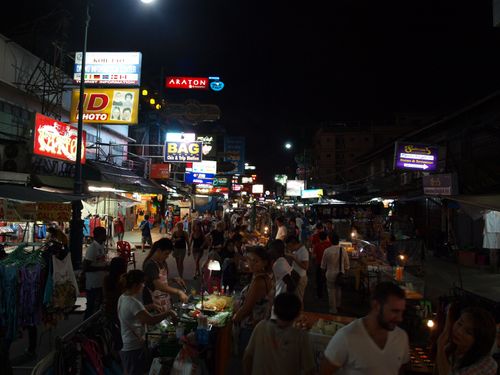
Khao San Road
Attractions
Bangkok’s backpacker carnival: curbside bars, live bands and DJs from 3pm–2am (midnight Sun). Street eats are cheap — pad thai 70–100 THB, mango sticky rice 60–100 THB. Come for wild people-watching; duck into Rambuttri for a calmer beer.
More Khao San Road Guides
- Backpacker Packing List for Thailand’s Medical and Insurance Prep: First-Aid Basics, Prescriptions, and Emergency Copies
- Backpacker Packing List for Thailand with Safety and Security Essentials
- Thailand Packing List for Budget Backpackers: Low-Cost Gear, Laundry Strategy, and Smart Replacements
- Backpacker Packing List for Thailand’s Long-Stay Slow Travel: Reusable, Refillable, and Low-Stress Essentials