
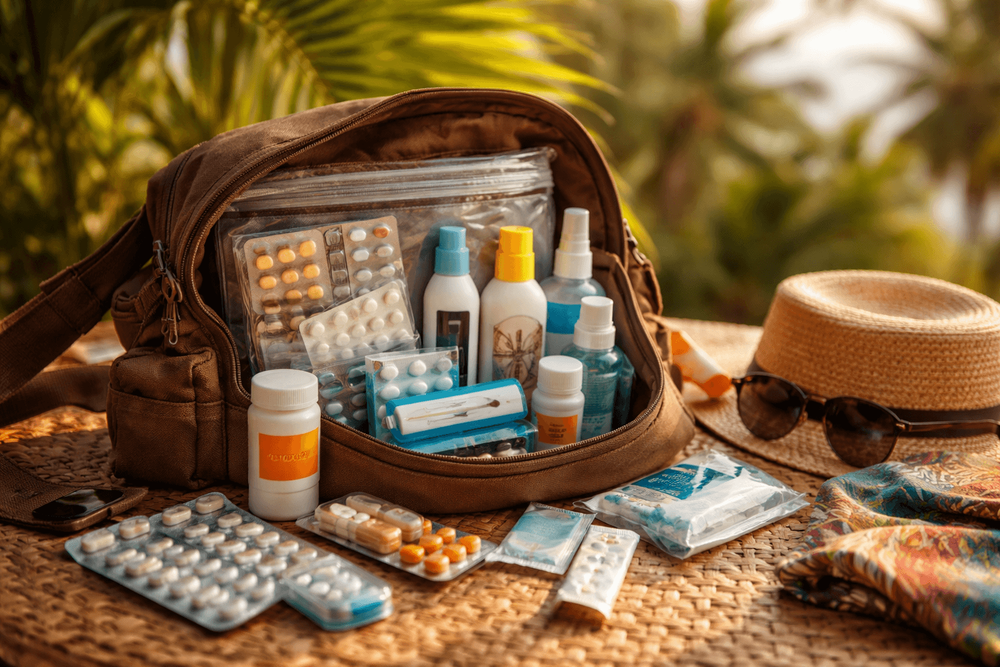
What to Pack for Thailand for Medication and Health Needs
A street‑savvy Thailand medication packing list: prescriptions, OTC must‑haves, dengue‑smart repellents, and heat hacks so you stay healthy and keep exploring.
We step off the Chao Phraya Express boat at Phra Athit, skin still tacky from the river breeze, and there it is: the cool blast of a 7-Eleven and a pharmacy with a bright green cross two doors down. Bangkok does convenience like a pro—but your health still starts at home. This Thailand medication packing list is the difference between sanuk (fun) and a week sidelined in your guesthouse while tuk‑tuks rattle by without you.
Your Thailand Medication Packing List
Let’s build a smart, no‑panic kit together—one that works whether you’re grabbing pad thai on Soi Rambuttri, riding a long‑tail on a khlong, or temple‑hopping from the The Grand Palace to the Golden Mount.
1) Prescription medications and the paperwork to match
Bring the meds you rely on and make them border‑proof.
- Bring enough for your entire trip, plus a buffer of 5–7 days. Delays happen. Bangkok time stretches in unexpected ways.
- Keep medications in original packaging with your name and dosage clearly labeled. Toss in the pharmacy leaflet too.
- Carry a doctor’s letter and prescriptions listing generic names, doses, and the condition treated. Print copies and keep photos on your phone. If anyone asks, you’re covered.
- Pack prescriptions in your carry‑on, never your checked bag. Bags wander; you don’t want your meds to.
- Know the rules for controlled substances. Some painkillers, ADHD meds (e.g., methylphenidate), benzodiazepines, and strong cough syrups can be tightly controlled in Thailand. Regulations change; check current guidance from your embassy and Thailand’s FDA before you fly. When in doubt, carry the doctor’s letter and stick to small, personal‑use quantities.
- Birth control and hormones: bring your exact brand if continuity matters. Brands differ locally. For timing across time zones, set reminders and adjust gradually a few days pre‑flight.
- Injectables and needles (insulin, EpiPen): allowed for medical need. Keep them in your carry‑on with the prescription letter. Ask your accommodation to store extras in a fridge if required.
If you want a broader checklist that includes toiletries and travel documents alongside meds, we keep a lean, street‑tested list here: Smart Packing for Thailand: Medications, Toiletries, and Travel Documents Checklist.
2) Over‑the‑counter essentials we actually use
Pharmacies in Bangkok are excellent, but having a starter kit means you can crash, rinse, repeat without a midnight scramble.
- Pain/fever: paracetamol (acetaminophen) and/or ibuprofen. Heat headaches are real after a Chinatown Bangkok (Yaowarat) run.
- Allergies: a non‑drowsy antihistamine like cetirizine or loratadine for dust, PM2.5 days, or mystery rashes.
- Stomach: loperamide for emergency control, oral rehydration salts (ORS) sachets, and an antacid. We skip casual antibiotics; if you’re that sick, see a doctor.
- Motion sickness: dimenhydrinate or meclizine for choppy Gulf ferries and winding minivan rides. Even the Khlong Saen Saep boat can rock your inner ear.
- Topicals: hydrocortisone 1% for bites/rashes, antiseptic wipes, and a small tube of antibiotic ointment.
- Bite relief: Tiger Balm or a soothing gel for mozzie welts. Your ankles will thank us after a dusk wander down Soi Rambuttri.
- Insect repellent: DEET 20–30% or picaridin 20% for day and dusk. Aedes mosquitoes (the dengue ones) bite when the sun’s up.
- Sun care: SPF 50+ broad spectrum, lip balm with SPF, and aloe vera gel for “we missed a spot” days.
- Blister kit: hydrocolloid plasters for sandal sins.
- Eyes/nose: lubricating drops and saline spray; city air can be spicy.
- Antifungal cream (clotrimazole) for humid‑life surprises.
- Thermometer: small, digital. Fever plus mosquito exposure needs attention.
Local prices (ballpark): ORS 10–15 baht per sachet; paracetamol 20–40 baht per strip; DEET repellent 100–250 baht for a small bottle; Tiger Balm 45–80 baht. In malls, Boots and Watsons carry most of this; independent pharmacies often beat them on price.
3) Thailand‑specific health risks to plan for
We love the chaos, but we respect it too.
Heat and dehydration
Bangkok cooks—you’ll feel it hit when you step off the skytrain at Mo Chit and wander toward Chatuchak Market by late morning. Carry a refillable bottle, sip constantly, and use ORS after long days. Electrolyte drinks (Pocari Sweat, Sponsor) are everywhere from 7‑Eleven fridges to ferry kiosks.
Signs you need a pause: dizziness, headache, dark urine. Duck into air‑con (hello, mall sanctuaries) and cool down.
Dengue and other mosquito‑borne issues
There’s no everyday dengue vaccine solution for most travelers, so repellent, long sleeves, and screened or air‑con rooms are your armor. Aedes bite daytime; reapply repellent before morning temple runs and late‑afternoon street eats. If you get a fever plus bad body aches, avoid ibuprofen until a doctor rules out dengue.
Food safety and stomach sanity
Street food is a joy—listen for the wok’s sizzle and follow the lines. Choose stalls cooking to order, with hot foods steaming and a fast turnover. Peel your own fruit. Ice from big blocks is generally filtered and fine in Bangkok, but trust your gut. Wash hands or use sanitizer; your phone is dirtier than the table.
Sun and skin
Even on hazy days the UV slaps. SPF 50+, hat, sunglasses with UV400, lightweight long sleeves. If you’re island‑bound, reef‑friendlier mineral formulas help keep Thailand’s waters blue.
Air quality and allergies
Dry season can bring smoky days upcountry and occasional PM2.5 spikes in the city. An N95/FFP2 mask makes a tangible difference, especially if you’re sensitive.
Animals and bites
Avoid petting soi (street) dogs and cats no matter how cute. Rabies post‑exposure shots are available in major hospitals, but avoiding bites is better sanuk.
Know Before You Go: Documents, Rules, and Common Sense
- Check your home doctor and relevant health authorities for the latest on routine shots (tetanus, Hep A) and any travel‑specific advice.
- If you transit from a yellow‑fever country, carry your yellow card.
- Controlled meds rules shift. Before flying, verify what’s allowed for personal use via your embassy and Thai FDA resources, especially for opioids, benzodiazepines, or stimulants. Carry prescriptions and a doctor’s letter in English.
- Travel insurance that covers outpatient visits is worth its weight in mango sticky rice. Save digital and paper copies of your policy.
If you’re building a full packing plan around weight, budget, and what to buy here versus bring, our street‑wise lists will help:
- Backpacker Packing List for Thailand
- Thailand Packing List for Backpackers on a Budget: What to Buy, Bring, and Skip
Packing and Transport Tips That Survive the Thai Heat
Original packaging beats mystery baggies
Thai customs and airline security prefer labeled boxes and pharmacy labels. If you use a weekly pill organizer, keep a few original boxes/labels as proof.
Quantity and backups
- Bring your full course for the trip plus that 5–7 day buffer.
- Split your supply into two small stashes in separate carry‑ons (daypack and under‑seat bag). If one walks off in a Khao San Road bar, you’re not stranded.
Carry‑on vs checked
Medications live with you on the plane. Checked bags nap in odd places and sometimes forget to meet you in Don Mueang.
Beat the humidity
Bangkok is basically a steam room. Use zip bags or a small dry bag to keep boxes from turning into papier‑mâché. Toss in silica gel packets if you have them.
Keep cool meds cool
Insulin and certain biologics need chilling but not freezing. Most hotels and guesthouses can help—either a minibar or a staff fridge. Label your bag clearly with your name, phone, and “Medication—Do Not Freeze.” For bus and train days, a small insulated pouch with a cold pack does the job.
Time zones and dosing
- For once‑daily meds (e.g., birth control), adjust an hour or two per day before travel or keep a strict 24‑hour interval using phone alarms.
- For complex schedules (insulin, anticoagulants), get a written plan from your doctor.
Liquids and sharps at security
- 100 ml per container for liquids and gels still applies. Decant sunscreen and solutions into travel sizes if you’re carry‑on only.
- Syringes and pens: allowed with your prescription letter. Keep them accessible but secure.
For broader gear strategy (and how to keep the pack light while still carrying the good stuff), we’ve road‑tested advice here: Thailand Packing List for First-Time Backpackers: What to Bring and What to Leave Behind.
Buying Medications in Thailand: Pharmacies, What’s Easy, and When to See a Doctor
Where to go
- Independent pharmacies (look for the green cross) dot every soi. Pharmacists often speak solid English in Bangkok, Chiang Mai, and major beach towns.
- Boots and Watsons in malls stock international brands of basics—sunscreen, repellent, ORS, first‑aid.
- Around Khao San, Phra Athit, Silom, and Sukhumvit, you’ll find late‑opening or 24‑hour options.
What’s easy to find
- Pain relievers (paracetamol, ibuprofen), antihistamines, antacids, ORS, topical creams (antifungal, hydrocortisone), and repellent are everywhere.
- Birth control pills are widely available, though brands differ.
- Antibiotics can sometimes be offered without a prescription; we don’t self‑medicate for gut bugs—resistance and misdiagnosis are real.
What’s tricky
- ADHD stimulants, certain opioids, and some anxiety meds are restricted or unavailable. If you rely on them, bring your legal personal supply plus documentation.
- Specialized inhalers or niche chronic meds may be sold under different brand names; bring the generic names and dosages.
How to ask (and avoid the upsell)
- Share your symptoms and duration. Ask for the generic name to keep costs low.
- Check expiry dates, keep receipts, and avoid mystery “just take this, it’s strong” solutions.
When to seek medical care
Head for a clinic or hospital if you have:
- Fever over 38.5°C (101.3°F), especially with body aches or a rash (possible dengue)
- Severe dehydration, persistent vomiting, or blood in stool
- Chest pain, difficulty breathing, or a bad asthma flare
- A deep or infected wound, animal bite, or head injury
- Persistent symptoms beyond 48–72 hours
In Bangkok, private hospitals like Bumrungrad, BNH, and Samitivej have international clinics with English‑speaking staff; government hospitals like Siriraj are excellent but busier. Expect to pay more at private facilities; keep your insurance info handy. Emergency number nationwide: 1669.
Consult fees in private hospitals can start around 1,500–3,500 baht, plus tests and meds; pharmacies are far cheaper for simple issues. If you’re unsure, a quick triage at a pharmacy can point you the right way.
Street‑Level Realities (And Little Comforts)
- Rehydrate like a local: ORS in your water bottle before a sweaty temple crawl or a Chatuchak sprint.
- Repellent before sunrise hikes and sunset beers. Reapply after swimming or sweating.
- Keep a pocket pack with painkiller, antihistamine, ORS, and two plasters for daytime runs; the rest lives in your room.
- Sunscreen is pricier here—bring enough if you’re budget‑minded. We usually stash a full bottle in the backpack and a small one in the day bag.
- On night buses and trains, set med alarms; engine thrum plus a blackout cabin messes with routine.
About accommodation: we like staying in places with a reliable fridge and decent AC—nothing fancy, just the kind of room where sunscreen doesn’t liquefy and insulin stays steady. Around Phra Athit and Soi Rambuttri you’ll find plenty of budget spots where the staff won’t blink if you ask to label a bag for the reception fridge.
Quick Thailand Medication Packing List (copy this into your notes)
- Prescriptions in original packaging + doctor’s letter (generic names included)
- Daily meds (full trip + 5–7 day buffer)
- Birth control/hormones (plan for time zone)
- Insulin/EpiPen/inhalers + supplies; insulated pouch if needed
- Pain relievers (paracetamol/ibuprofen)
- Antihistamine (cetirizine/loratadine)
- Stomach kit: loperamide, antacid, ORS
- Motion sickness tabs
- Hydrocortisone, antibiotic ointment, antiseptic wipes
- Bite relief balm/gel
- DEET or picaridin repellent
- Sunscreen SPF 50+, SPF lip balm, aloe gel
- Blister plasters, bandages
- Eye drops, saline spray
- Antifungal cream
- Thermometer, hand sanitizer
- Small dry bag/zip bags + silica packs
If you want to zoom out and see what else earns a spot in your pack (and what’s cheaper to grab once we hit Bangkok), peek at our budget‑minded take: Thailand Packing List for Backpackers on a Budget: What to Buy, Bring, and Skip.

We’ll be the ones clinking electrolyte bottles on the ferry deck, sunscreen already on, repellent doing its quiet magic, and a no‑drama med kit tucked away. Pack smart now, and we can spend our energy chasing boat noodles by the pier and watching the city glow from Phra Athit—not hunting for a pharmacy at midnight.
Related Hotels & Places
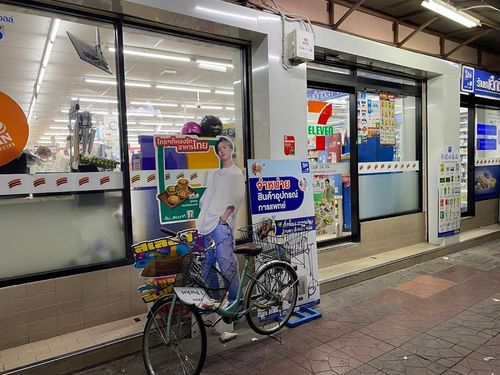
7-Eleven
Shops
Khao San’s 24/7 reset button: ice‑cold A/C, ham‑cheese toasties, All Café iced lattes, water for 7–14 THB, and late‑night supplies from snacks to sunscreen—right by Rikka Inn.
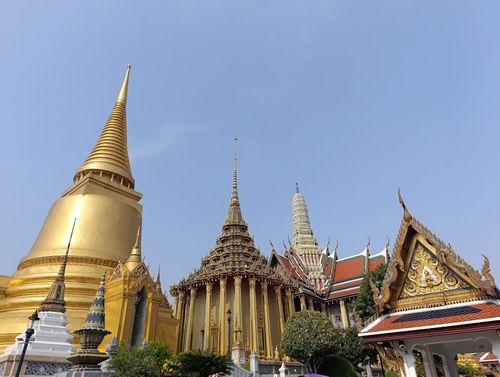
The Grand Palace
Attractions
Bangkok’s royal showpiece a short hop from Khao San: glittering Wat Phra Kaew, Ramakien murals, and gold-on-gold rooftops. Go 8:30am to dodge the heat, dress modestly, and boat to Tha Chang for the prettiest arrival.
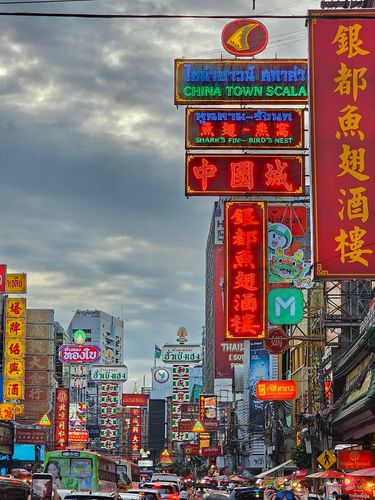
Chinatown Bangkok (Yaowarat)
Attractions
Neon, woks, and queues: Yaowarat is Bangkok’s street‑food strip. Start at Wat Mangkon MRT, graze T&K Seafood and Nai Ek’s peppery guay jub, snag toasted buns, and finish with mango sago at Sweet Time. Best 6pm–late; ~10‑minute taxi from Khao San.
Khao San Road
Attractions
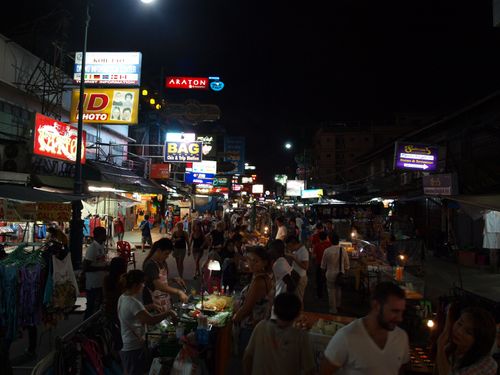
Bangkok’s backpacker carnival: curbside bars, live bands and DJs from 3pm–2am (midnight Sun). Street eats are cheap — pad thai 70–100 THB, mango sticky rice 60–100 THB. Come for wild people-watching; duck into Rambuttri for a calmer beer.
Recommended Products
More Khao San Road Guides
- Backpacker Packing List for Thailand’s Medical and Insurance Prep: First-Aid Basics, Prescriptions, and Emergency Copies
- Thailand Travel First Aid Kit: What Backpackers Should Carry
- Backpacker Packing List for Thailand with Safety and Security Essentials
- What to Pack for Thailand for Prescription Meds, Insect Protection, and Basic Health Care on the Road