
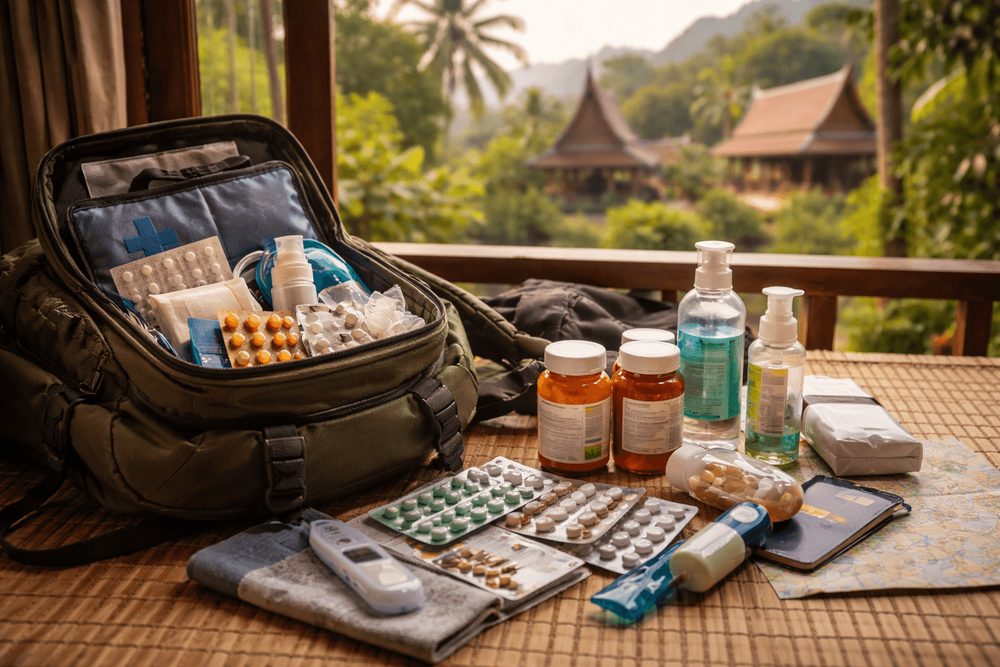
Thailand Packing List for Backpackers with Medical Needs: Medicines, Prescriptions, and Health Essentials
Build a Thailand medical packing list that actually works: prescriptions, OTC must-haves, first aid, documents, and rules for bringing meds—streetwise and practical.
We’re standing under a buzzing fluorescent tube on Soi Rambuttri, sweat sticking to our shirts, haggling with a kind auntie-pharmacist over blister packs while the bass from Khao San thumps through the shutters. This is where a smart Thailand medical packing list pays off: when your stomach flips after a dodgy papaya salad, when the ferry to Koh Tao gets rocky, or when Bangkok’s heat pins you to the shade of a 7-Eleven, blessed AC blasting your face. We love winging it, but meds aren’t something to improvise. Let’s pack like pros and keep the sanuk rolling.
Why Your Thailand Medical Packing List Matters
Thailand is friendly to travelers with minor ailments—pharmacies are plentiful, prices are gentle, and pharmacists often speak English. But there are catches: controlled meds face strict rules, some brands you rely on at home may be unavailable, and that midnight tuk-tuk to a clinic is the worst kind of scavenger hunt. Having the right meds and documents in your daypack means we can enjoy boat noodles on Phra Athit Road without worrying what happens if the khlong air or chili overload hits hard.
Essential Medications to Bring
We’re not here to play doctor, but we’ve learned what actually earns space in the backpack. Pack originals with clear labels and stick to generics when you can—they’re easier to match locally.
Pain and Fever
- Paracetamol/acetaminophen or ibuprofen: For heat headaches, temple climbs at the Golden Mount, and the occasional full-moon hangover. Paracetamol is easy to buy in Thailand, but bring a starter supply so you’re not hunting a pharmacy at 2 AM.
- Topical pain relief: A small tube of anti-inflammatory gel can be a lifesaver after a long day traipsing Chatuchak.
Allergies and Sinuses
- Antihistamines (cetirizine/loratadine): For dust, pet dander at homestays, and Bangkok’s flowering trees. Non-drowsy versions keep us upright on temple days.
- Decongestant spray or tablets: Use sparingly; some pseudoephedrine products are restricted. Bring what you use at home in original packaging.
Stomach and Food Safety
- Oral rehydration salts (ORS): The secret weapon against Bangkok sweat and one-too-many chilies. In Thailand they’re cheap (10–20 THB per sachet), but toss a few in your daypack now.
- Loperamide (Imodium): For bus rides to Chiang Mai and long boat days when you just need to make it from A to B.
- Probiotics: Helpful for adjusting to new gut flora.
- Bismuth subsalicylate or charcoal tablets: For mild traveler’s tummy. If you need antibiotics, get proper guidance—self-medicating with random pills isn’t a flex.
Motion Sickness
- Meclizine or dimenhydrinate: Essential for Gulf of Thailand ferries and those hairpin mountain roads in Mae Hong Son. We pack chewables so we’re not fumbling with water on a rocking deck.
Skin and Bites
- Antihistamine cream or hydrocortisone: Mozzie bites love humid ankles.
- Antifungal cream/powder: Heat + wet socks = athlete’s foot. A tiny tube prevents a week of itch.
Sleep and Jet Lag
- Melatonin or your preferred sleep aid: For the first nights when the city’s neon sizzles and our body clock thinks it’s brunch.
- Earplugs and a soft mask: Not “meds,” but essential when the bar downstairs believes in bass therapy.
Chronic Conditions and Regular Prescriptions
- Bring a trip’s worth of your essential meds, plus a 1–2 week buffer. Keep them in carry-on, in original pharmacy-labeled boxes, with a doctor’s note listing generic names, dosages, and conditions treated.
- Devices: Inhalers, EpiPens, insulin pens/needles, CPAP supplies, glucose test strips. Pack spares and a small cooler pack if anything needs refrigeration; most guesthouses will stash meds in a staff fridge if you ask nicely.
For a broader packing run-down with a medical lens, we also lean on this checklist: What to Pack for Thailand for Medication and Health Needs.
Medical Documentation to Carry
Border agents don’t want your life story, just proof you’re legit. We keep:
- Paper prescriptions and a doctor’s letter: On clinic letterhead, list generic names, doses, and why you take them. Note any devices (e.g., “patient requires needles for insulin administration”).
- Pharmacy labels intact: Keep meds in original boxes or blister cards with your name.
- Digital backups: Photos/PDFs of scripts and letters stored offline on your phone.
- Health insurance details: Policy number, emergency contact, and coverage summary for overseas care.
- Allergies and conditions card: A simple index card in your wallet: blood type (if known), allergies, and emergency contact.
For a documents-first prep, bookmark: Smart Packing for Thailand: Medications, Toiletries, and Travel Documents Checklist.
Thailand-Specific Health and Climate Considerations
Thailand is a wall of warm air that smells like lemongrass, grill smoke, and durian if you’re lucky (or unlucky). Your Thailand medical packing list should play to local realities:
- Heat and humidity: Hydration matters more than bragging rights. ORS, electrolyte tablets, and a small collapsible bottle will carry you through temple marathons and BTS delays. Chafing cream or balm helps on sweaty walk days.
- Mosquito exposure: Dengue is the real mosquito worry in cities and islands; malaria risk is limited to specific forested border regions. Pack 20–30% DEET or 20% picaridin, and consider permethrin-treated clothing if you’re heading upcountry.
- Sun: SPF 50+ broad-spectrum sunscreen. Thai pharmacies stock it, but it’s pricier (300–600 THB). A zinc stick for nose/cheeks helps when we’re on long-tail boats.
- Food safety: Street food is often safer than sad buffet trays—choose busy stalls cooking to order. A tiny hand sanitizer lives in our pocket for the pre-pad-thai cleanse.
- Long travel days: Night trains, sleeper buses, and island hops. Motion sickness tabs, earplugs, and a neck-friendly pain reliever make us better humans on arrival.
First Aid and Personal Care Items That Earn Their Keep
We’re minimalists until blisters happen. Then we’re evangelists.
- Assorted plasters/band-aids and blister pads: Khaosan flip-flops make promises your heels can’t keep.
- Antiseptic wipes or small bottle (povidone-iodine or chlorhexidine): For scrapes and scooter kisses.
- Sterile gauze and medical tape: Ultralight, big payoff.
- Tweezers and mini scissors: Splinters and gear fixes.
- Thermometer: For that “is this heat or fever?” moment.
- Insect repellent and after-bite: We swipe repellent on ankles before riverside beers along Phra Athit.
- Sunscreen and lip balm with SPF: The river breeze lies—UV does not.
- Hand sanitizer: 50 ml bottle for markets and ferry piers.
- Condoms/contraceptives and period supplies: Brands vary; pack what you trust.
- Contact lens solution and spare lenses: Not every 7-Eleven stocks your brand.
- Rehydration salts: Again, heroes.
If you’re building a broader backpacker kit around this, cross-check with our latest advice here: Backpacker Packing List for Thailand.
Rules, Precautions, and Practical Tips for Bringing Medication into Thailand
This is where we tighten up. Thai authorities are generally reasonable with travelers, but some lines aren’t fuzzy at all.
- Keep it personal and modest: Bring a reasonable personal-use quantity. For routine, non-controlled meds, pack what you need for the trip. For any controlled or psychotropic meds (opioids, benzodiazepines, certain ADHD stimulants, some sleeping pills), keep it to about a 30-day supply and carry a doctor’s letter and original labels. When in doubt, get written proof.
- Permits for controlled meds: Some substances require pre-approval from Thailand’s Food and Drug Administration for import, even for personal use. If your meds fall into opioid, stimulant, or strong sedative categories, check the Thai FDA guidance in advance and carry printed copies of approvals/letters.
- Don’t bring cannabis or CBD: Regardless of what’s legal at home, do not import cannabis or CBD products into Thailand. Rules on local use shift, but import is a hard no with heavy penalties.
- Keep meds in carry-on: Avoid checked-bag misadventures and temperature swings. Security is used to pill bottles; your doctor’s letter smooths any questions.
- Original packaging over pill organizers: Weekly pill boxes are fine on the road, but keep the labeled boxes or blister packs with you for customs and clinic visits.
- Don’t mail meds to yourself: Shipments are screened and can be seized. Bring what you need or buy locally with pharmacist guidance.
- Be careful with antibiotics and injections: Pharmacies may sell antibiotics freely, but misuse is common. See a clinic for guidance, especially if fever or blood/mucus accompanies diarrhea.
We also recommend a quick scan of our medication-focused prep list before you fly: What to Pack for Thailand for Medication and Health Needs.
Buying Medicine in Thailand: What’s Easy, What’s Not
Bangkok is kind to the unprepared. Around Khao San Road and Soi Rambuttri, you’ll find late-night mom-and-pop pharmacies alongside Boots and Watsons. English is common, and pharmacists are typically well-trained.
- Easy to buy: Paracetamol, ibuprofen, antihistamines, ORS, hydrocortisone, antifungals, antiseptics, motion-sickness meds. Expect 20–50 THB for common blister packs, 100–200 THB for repellents, and 300–600 THB for sunscreen.
- Might require a clinic visit: Strong painkillers, antibiotics tailored to specific infections, and controlled psychotropics. Private hospitals and international clinics can write scripts; bring your passport and card.
- Where to go if things escalate: Private hospitals like Bumrungrad or BNH offer English-speaking care and swift diagnostics; government giants like Siriraj across the river are excellent but busier. Prices vary wildly—budget 800–1,500 THB for a basic private-hospital consultation before meds or tests.
- 24-hour help: In tourist zones, at least one pharmacy stays open late. Ask your guesthouse staff; they’ll point you to the neon cross.
Know Before You Go: Packing and Storage Tactics
We’ve learned these the sweaty way.
- Split and stash: Keep a 2–3 day mini-kit on you (daypack) with the rest in your main bag. If a tuk-tuk joyride turns into a detour, we’re still covered.
- Beat the heat: Most meds are fine at room temp, but Bangkok rooms can cook. Ask for a room with a fridge, or have reception store temperature-sensitive meds. Even budget guesthouses near Khao San usually help if you smile and say “khap/ka, chuay duai”—please help.
- Labels matter: Peel-off pharmacy stickers? Keep them. They’re your easiest proof.
- Refill smart: If you must switch brands, match the generic name and dosage, not the box color.
- Diabetics and injectables: Carry a sharps container or ask pharmacies/hospitals for disposal. Don’t bin needles in a street can.
- Vaccinations: Talk to a travel clinic 4–6 weeks out about Hep A, typhoid, tetanus updates, and region-specific advice if you’re heading to border jungles. No one at the street pad thai cart wants you to get jaundiced.
- Insurance: Choose a policy that covers outpatient visits, prescriptions, and medical evacuation. Screenshot the policy benefits; hospital desks love PDFs with stamps.
For solo travelers balancing safety with space, this is useful too: Thailand Packing List for Solo Backpackers: Safety, Convenience, and Easy-to-Carry Essentials.
Sample Thailand Medical Packing List (Copy/Paste and Tweak)
- Prescriptions: Full trip supply + 1–2 week buffer; original boxes; doctor’s letter
- Paracetamol/ibuprofen; topical anti-inflammatory gel
- Antihistamines (non-drowsy) + decongestant
- Loperamide; probiotics; bismuth/charcoal; ORS sachets
- Motion-sickness tablets (meclizine/dimenhydrinate)
- Hydrocortisone/antihistamine cream; antifungal cream/powder
- Sunscreen SPF 50+; lip balm SPF; insect repellent (DEET 20–30% or picaridin 20%)
- Assorted plasters/blister pads; antiseptic wipes/liquid; gauze; tape; tweezers; scissors; thermometer
- Melatonin/sleep aid; earplugs; eye mask
- Hand sanitizer; condoms/contraception; period supplies
- Contact lenses/solution; spare glasses
- Copies (paper + digital) of prescriptions, doctor’s note, and insurance
A Streetwise Final Word
We pack meds so we can forget about them. That way, when the Chao Phraya Express boat sprays our face and the skyline winks at sunset, we’re not counting tablets—just planning which night market stall gets our baht next. Keep your Thailand medical packing list tight, your documents tidy, and your ORS within reach. If you need us, we’ll be on Phra Athit, chasing boat noodles with a bottle of water and a pocket full of plasters, ready for whatever the soi throws our way.
Cruise Motion Sickness Relief Bands
If you want to build this into a full backpacking setup without overloading, we’ve road-tested picks here: Backpacker Packing List for Thailand and a documents-and-meds primer here: Smart Packing for Thailand: Medications, Toiletries, and Travel Documents Checklist.
Related Hotels & Places
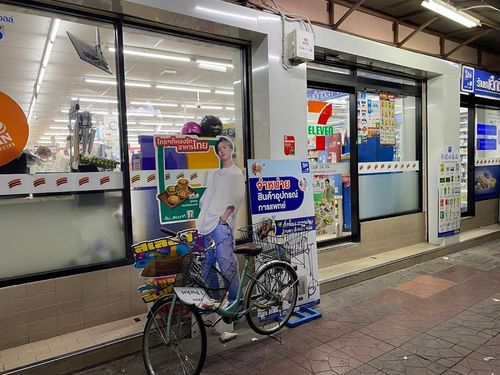
7-Eleven
Shops
Khao San’s 24/7 reset button: ice‑cold A/C, ham‑cheese toasties, All Café iced lattes, water for 7–14 THB, and late‑night supplies from snacks to sunscreen—right by Rikka Inn.
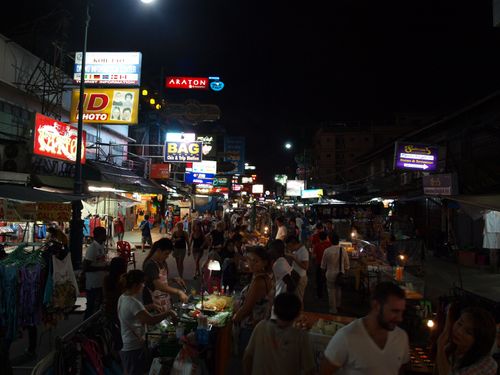
Khao San Road
Attractions
Bangkok’s backpacker carnival: curbside bars, live bands and DJs from 3pm–2am (midnight Sun). Street eats are cheap — pad thai 70–100 THB, mango sticky rice 60–100 THB. Come for wild people-watching; duck into Rambuttri for a calmer beer.
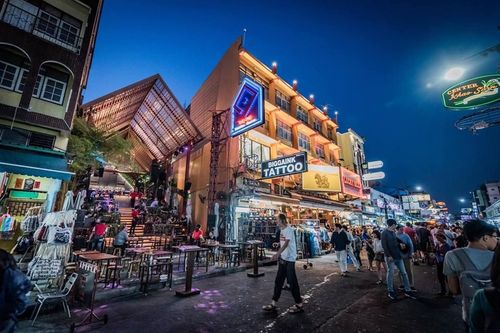
Khao San Road (shopping area)
Shops
Bangkok’s backpacker circus. By 3pm the stalls roll out; by night the bars roar until 2am. Street pad thai and scorpions, buckets and cheap beers, tattoos and foot massages (~฿250). Start on Khao San, drift to Rambuttri when you need a breather.
Recommended Products
More Khao San Road Guides
- Backpacker Packing List for Thailand: First Aid, Medicines, and Health Essentials
- What to Pack for Thailand for Backpackers Traveling with Prescription Medication: Documents, Storage, and Backup Supplies
- What to Pack for Thailand for Prescription Meds, Insect Protection, and Basic Health Care on the Road
- Backpacker Packing List for Thailand’s Medical and Insurance Prep: First-Aid Basics, Prescriptions, and Emergency Copies