What to Eat Near Wat Pho, the Grand Palace, and Golden Mount After a Temple Day from Khao San Road
Eat like a local after the wats: our first-hand guide to Old Town Bangkok food near temples—Wat Pho, Grand Palace, Golden Mount—with prices, hours, and routes.
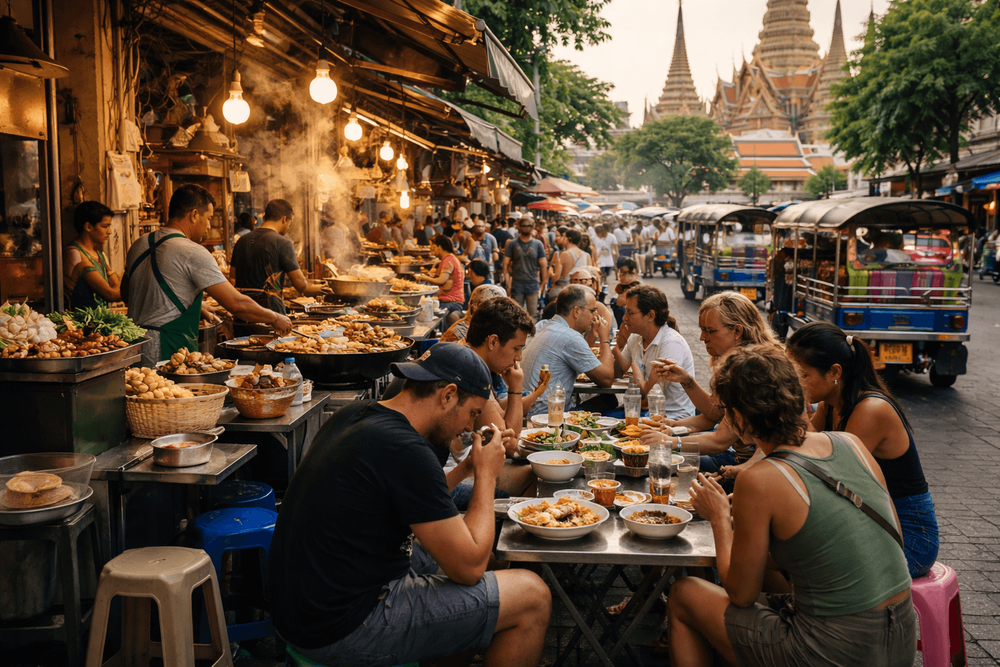
We spill out of Wat Phra Chetuphon Wimon Mangkhalaram Rajwaramahawihan blinking into the Bangkok heat, incense still clinging to our clothes, flip-flops collecting dust. The river smells like wet rope and diesel, a wok snaps awake from a stall at Tha Tien, and someone is pounding som tam with a wooden mortar you can hear half a soi away. This is exactly why we chase Old Town Bangkok food near temples: easy, delicious plates within a few hundred meters of gilded chedis and ferry piers.
We’ll walk, boat, and nibble our way from Khao San Road to the The Grand Palace, Wat Pho, Wat Arun Ratchawararam Ratchawaramahawihan, and the Wat Saket Ratchawora Mahawihan, tagging the spots that keep us fed between wats. Expect classic Thai flavors, heritage snacks, and the kind of stalls where the plastic stools wobble but the garlic-sizzle is perfect.
Where to Eat: Old Town Bangkok Food Near Temples
Wat Pho and Tha Tien: Noodle steam and river breezes
Wat Pho is a natural launchpad for a food hunt. Step out the south gate toward Tha Tien Pier and follow your nose.
- Tom yum or pork noodles (40–80 THB): Look for bubbling brass pots and neat stacks of fish balls. Order bah mee moo daeng (egg noodles with red pork) or yen ta fo (pink, tangy fermented tofu broth) if you’re feeling adventurous.
- Grilled squid and prawns by the river (80–200 THB): The smoke haze near the pier usually hides a grill master flipping skewers brushed with sweet-salty sauce. Grab a bag to-go and sit on the steps to catch the Chao Phraya breeze.
- Fried mussel or oyster omelet, hoy tod (70–120 THB): Listen for the clack of a metal spatula on a flat griddle—crispy edges, soft middle, chili-vinegar to cut the richness.
- Mango sticky rice (60–100 THB): Ripe, perfumed, and not shy with coconut cream. Temple-day reward unlocked.
Two short detours worth your sandals:
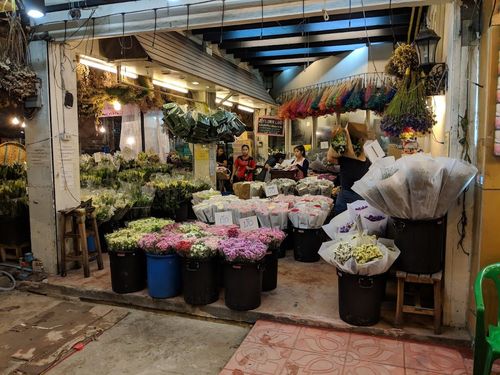
- Pak Khlong Talat (Flower Market) Talat (Flower Market): Five minutes south of Wat Pho along Maharat Road. Between the marigolds and roses, vendors hawk khao gaeng (rice and curry, 50–80 THB) and Chinese-Thai snacks—fried sesame balls, sweet-salty sausages.
- Yodpiman Riverwalk River Walk: When the heat wins, we duck into this riverside strip for AC, views, and a safe bet on clean bathrooms. The food court is tourist-friendly without totally neutering the spice.
If you want a deeper list of quick eats walking distance from big-name sights, we keep this handy: Bangkok Street Food at Tourist Landmarks: What to Eat Near the Grand Palace, Wat Pho, and Along the River.
Grand Palace, Sanam Luang, and Tha Chang: Snack central between wats
Circle the Grand Palace walls and you’ll hit Tha Chang Pier—chaotic, useful, and full of snacking.
- Khanom buang (Thai crispy pancakes, 20–40 THB each): Look for crepe-like shells with meringue and bright orange foi thong (egg threads). Sticky, sweet, and perfect for eat-as-you-walk.
- Coconut ice cream (30–60 THB): Scooped into a coconut shell with toasted peanuts and sticky rice. When the sun is merciless, this is sanity.
- Khao gaeng counters (50–80 THB per plate): Stainless-steel trays loaded with green curry, panaeng, stir-fried holy basil, bitter melon with egg. Point, smile, wai, and you’ve got lunch.
- Moo ping and sticky rice (15–20 THB per skewer): Grilled pork skewers varnished with palm sugar—breakfast, lunch, or emergency protein after the Emerald Buddha line.
Walk north toward Thammasat University and Tha Phra Chan and you’ll find bargain student eats—curry rice, pad krapao (basil chicken), and icy cha yen (Thai tea, 25–40 THB). When we’ve budgeted monk-quiet mornings and loud-snack afternoons, this zone is our reset button.
For an area-by-area street food breakdown across Old Town and riverside, bookmark: Bangkok Street Food by Neighborhood: Where to Eat in Banglamphu, Old Town, Chinatown, and Riverside.
Across the river from Wat Pho: Wat Arun and Wang Lang Market
Hop the little cross-river ferry from Tha Tien to Wat Arun (5–10 THB, coins handy). The temple grounds are serene; the food is over the water at Wang Lang, a few minutes upriver by local ferry.
Wang Lang Market sits behind Siriraj Hospital and runs late morning through mid-afternoon (roughly 10:00–16:00; many stalls close on Sundays). It’s a wonderland of bite-size Thai cravings:
- Sai krok Isan (northeastern sausage) and nam prik platters (20–50 THB per piece/portion)
- Kanom krok (coconut custard cups, 20–40 THB for 6–8 pieces)
- Fried chicken and sticky rice (60–90 THB)
- Boat noodles in tiny bowls (20–40 THB each—stack two or three and feel like a champ)
- Fresh fruit bags—guava, pomelo, pineapple (20–40 THB)
We graze, we hydrate, we people-watch students, nurses, aunties with market baskets. It’s sanuk—pure fun—and unbeatable for Old Town Bangkok food near temples when you want a real-deal local vibe.
Golden Mount (Wat Saket), The Giant Swing, and Loha Prasat: Heritage plates and late-night legends
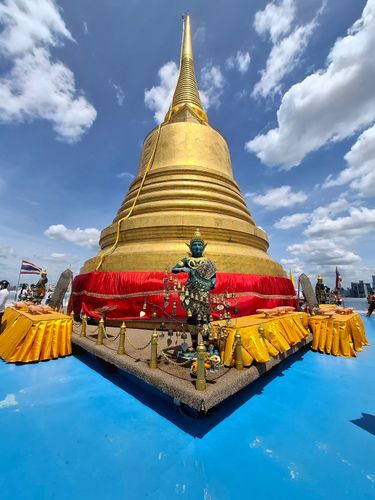
Climb the Golden Mount’s corkscrew path for city views, then come down hungry onto Maha Chai Road and Dinso Road—Bangkok’s old-school belly.
- Pad Thai on Maha Chai Road (80–150 THB): This stretch is ground zero for wok-fired noodles. Expect queues after dark and flames licking high like they’re trying to impress the moon.
- Kuay jap (rolled rice noodles in peppery broth, 60–90 THB): Fatty pork, offal if you like, and a broth that bites back. Locals slurp it for breakfast; we’ll eat it whenever it appears.
- Chicken rice and roast duck (60–120 THB): Chinatown-adjacent flavor meets Old Town calm. If the chopping board is stained and the cleaver’s singing, get in line.
- Mont-style toast and condensed milk on Dinso Road (30–70 THB): Thick slices, oozing butter, sweet milk—retro cafe energy that never gets old.
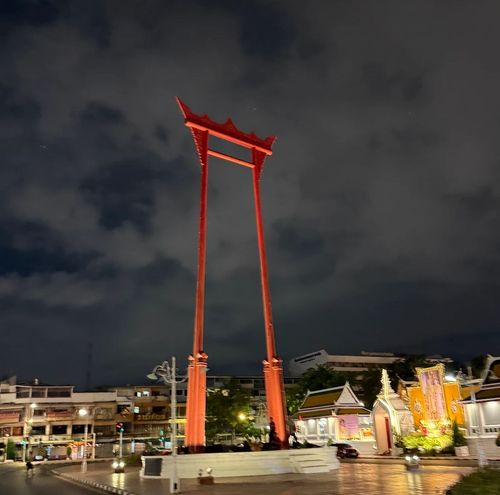
Slide over to the Giant Swing (Sao Chingcha) and Bangkok City Hall. Around the square you’ll find street carts frying dough sticks at dawn, curry-and-rice canteens by late morning, and vendors pulling your iced coffee through cloth filters like a magic trick. Loha Prasat and the Rattanakosin Exhibition Hall nearby add a cultural excuse for stopping again to eat.
Northwest of Golden Mount, Nang Loeng Market is one of the last classic Bangkok fresh markets with a lunch-only cadence. Think smoky grilled pork, old-recipe curries, and trays of Thai khanom (sweets) lacquered in syrup. Show up by noon—after 14:00, the shutters start to drop.
If you’re plotting a progressive feast between temples, we’ve mapped compatible stops here: Where to Eat on a Bangkok Street Food Crawl: Old Town, Banglamphu, and Riverside Stops.
Banglamphu, Soi Rambuttri, and Phra Athit: Night bites after the wats
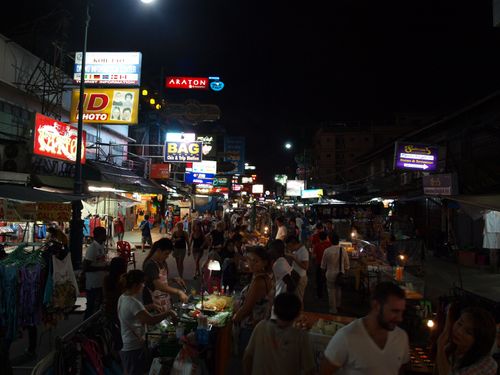
After sunset, we drift back toward Khao San Road and its mellower neighbor, Soi Rambuttri. Yes, it’s touristy. Also yes: the banana rotis slap.
- Banana roti with egg or Nutella (40–70 THB): The thwap-thwap of dough on oiled steel is your siren song.
- Som tam and gai yang (papaya salad and grilled chicken, 60–120 THB): Isan-style, usually with sticky rice and a table caddy of chilies and fish sauce.
- Late-night pad kra pao (60–100 THB): Basil-chili stir-fry with a runny-fried egg—when the thump of bass from a Khao San bar says “second dinner.”
- Moo ping and beer at plastic tables (skewers 15–20 THB): We claim a stool, watch the backpacker parade, and chat with tuk-tuk drivers trading gossip like currency.
A few minutes’ walk away, Phra Athit Road hugs the river with mellow cafes, riverside breezes, and Santichaiprakan Park for a breather. It’s where we debrief the day, plan the next boat hop, and remember that the city’s rhythm is water-first.
For more easy eats slotted neatly between major sights, we’ve got another cheat sheet: Best Bangkok Street Food Near Temples and River Stops: Easy Eats Between Sightseeing Breaks.
What Makes Old Town Bangkok Food Special
Old Town isn’t just convenient snacking; it’s living culinary history. This is Rattanakosin—the royal island—where palace kitchens once defined “Thai” for the rest of the country. That influence flows into:
- Balance-forward flavors: sweet, sour, salty, spicy playing equal partners, not one-note heat bombs.
- Heritage recipes: peppery broths, coconut custards, slow-cooked curries that survive because aunties won’t stop making them.
- River DNA: ingredients arrived by boat—shrimp paste, dried fish, rice, spices—so riverside markets grew teeth and taste.
- Chinese-Thai backbone: duck, noodles, soy, wok-char folded tightly into the area around Maha Chai, Dinso, and the Giant Swing.
The result? You can step from a 200-year-old chedi into a stall that’s been perfecting the same dish for three generations. That’s Old Town Bangkok food near temples at its finest—proximity and provenance.
Practical Tips for Temple-Day Eating
- Timing is everything:
- Breakfast: 6:00–10:00 for dough sticks, soy milk, congee, and early-bird noodles.
- Lunch: 11:00–14:00 for markets like Wang Lang and Nang Loeng at full strength.
- Evenings: 17:00–22:00 for wok-fired noodle streets around Maha Chai and Rambuttri.
- Budget expectations:
- Street snacks: 15–40 THB (skewers, ice cream, sweets)
- Noodle bowls and rice plates: 40–100 THB
- Riverside cafes or AC malls: 120–300 THB per dish
- Ferries: 5–10 THB for cross-river, more for Express Boat depending on distance
- Hygiene hacks:
- Follow the crowd—fast turnover means fresh oil and hot pans.
- Look for gloves/tongs and reheating on order. Clear soup, rolling boil: good sign. Lukewarm vats: pass.
- If you’re sensitive, stick to bottled water and peeled fruit, and ask for “mai phed” (not spicy) first round.
- Dress code and etiquette:
- Temples require covered shoulders and knees—packing a light scarf means fewer rental sarongs.
- Don’t eat inside temple grounds; snack outside gates or by the river.
- A small wai and a smile go far. “Khop khun krub/ka” for thanks.
- Tuk-tuk sanity:
- If someone tells you a temple is “closed,” it’s a scam to redirect you to a gem store. Walk away or grab a metered taxi/Grab.
- Agree on tuk-tuk prices up front; for short Old Town hops, 60–120 THB is normal depending on traffic and time.
- Heat management:
- Duck into 7-Eleven for that blessed AC blast, electrolyte drinks, and to reset your core temperature.
- Shady soi > sunny avenue, every time.
Beyond Stalls: Riverside Restaurants, Desserts, and Iconic Cafes
When we want plates with a view (and a seat-back that doesn’t wobble), we aim for the river.
- Tha Maharaj: A modern riverside strip near Thammasat with Thai chains, dessert bars, and breezy decks. Prices swing higher (120–300 THB per dish), but air-con and clean restrooms are worth it when you’re melting.
- Phra Athit cafes: Coffee, simple Thai lunches, cakes. Great pre- or post-boat pit stop with Santichaiprakan Park a few steps away.
- Yodpiman and Pak Khlong: Espresso with a flower-market stroll. Grab Thai tea, watch long-tail boats dart past, remember to breathe.
Dessert detours we rarely skip:
- Mont-style milk-and-toast on Dinso Road: Buttery, sweet, late-night friendly.
- Old-school coconut ice cream carts: Usually near Sanam Luang and Tha Chang.
- Khanom krok trays: Fresh off the cast-iron pan, still quivering.
If you want a bigger-picture wander that combines temples with food and river stops, this pairs well with a lazy afternoon: Bangkok Old Town (Rattanakosin) Guide: Top Sights, Food & Where to Stay.
Getting There from Khao San Road
We keep it simple and watery.
- On foot: Khao San to Soi Rambuttri (2 minutes), to Phra Athit Road (10 minutes), to Phra Athit Pier for the Chao Phraya Express Boat (12–15 minutes from Khao San). From there: two stops south to Tha Chang (Grand Palace) or three to Tha Tien (Wat Pho). Boats run frequently from early morning to early evening; last services thin after sunset.
- Cross-river ferries: From Tha Tien to Wat Arun and from Tha Chang/Tha Phra Chan to Wang Lang—5–10 THB, correct change wins you smiles.
- Tuk-tuk/taxi: For short hops between Sanam Luang, Giant Swing, and Golden Mount, tuk-tuks are fun if you set the price first. Taxis should use the meter; if they won’t, bail and flag another.
If we’re staying nearby, we like to base ourselves in Banglamphu—within walking distance of Phra Athit and the boats. A small pool for the midday heat and a quiet soi for sleep matter more than any lobby chandelier. If you don’t swim, at least angle for a room with a fan that doesn’t wiggle like it’s about to take off.
A Temple-Day Eat Plan We Actually Do
- Start early at Wat Pho to beat tour buses; breakfast on soy milk and dough sticks near Sanam Luang.
- Walk to the Grand Palace/Wat Phra Kaew; celebrate escaping the crowd with coconut ice cream at Tha Chang.
- Boat-hop to Wat Arun; ferry up to Wang Lang for grazing lunch.
- Cross back, tuk-tuk to Golden Mount for a breezy climb; pad Thai or kuay jap on Maha Chai after sunset.
- Drift home through Soi Rambuttri for banana roti and a last iced tea as the bar bass kicks in.
Old Town packs the day with wats and the night with wok-fire. Tomorrow, we chase the river again—maybe further down to Chinatown—but tonight we’ve earned one more skewer and the slow walk back along Phra Athit, breeze in our hair, chili on our lips.
Related Hotels & Places
Wat Phra Chetuphon Wimon Mangkhalaram Rajwaramahawihan
Temples
Khao San Road
Attractions
Bangkok’s backpacker carnival: curbside bars, live bands and DJs from 3pm–2am (midnight Sun). Street eats are cheap — pad thai 70–100 THB, mango sticky rice 60–100 THB. Come for wild people-watching; duck into Rambuttri for a calmer beer.
The Grand Palace
Attractions
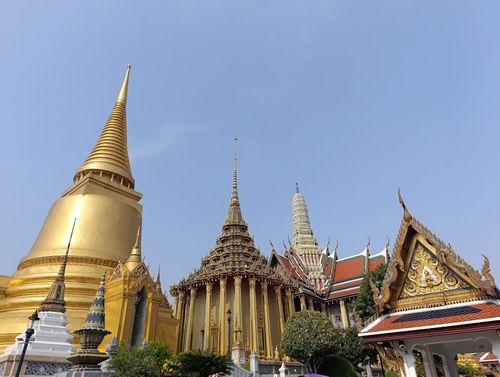
Bangkok’s royal showpiece a short hop from Khao San: glittering Wat Phra Kaew, Ramakien murals, and gold-on-gold rooftops. Go 8:30am to dodge the heat, dress modestly, and boat to Tha Chang for the prettiest arrival.
Pak Khlong Talat (Flower Market)
Markets
Bangkok’s 24‑hour flower market by Memorial Bridge. Best after midnight when trucks unload orchids, marigolds, roses and fragrant jasmine garlands. Photogenic, lively, and easy to reach from Khao San for a late‑night wander.
Yodpiman Riverwalk
Shops
Wat Arun Ratchawararam Ratchawaramahawihan
Temples
Wat Saket Ratchawora Mahawihan
Temples
The Giant Swing
Attractions
Bangkok’s scarlet Giant Swing towers outside Wat Suthat—free to visit, open all day, and best at sunset. Pair it with the temple across the street, then graze Dinso Road’s street food. A quick tuk‑tuk or 20‑minute walk from Khao San.
Rattanakosin Exhibition Hall
Attractions
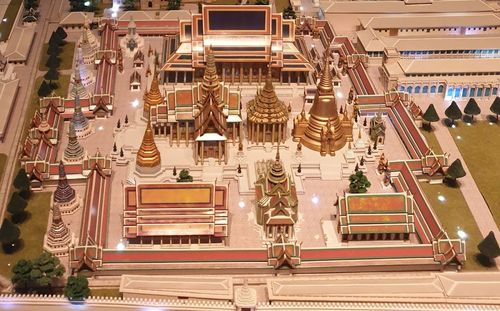
Nine smart galleries map Bangkok’s Rattanakosin era with models, multimedia, and staff‑led tours every 30 minutes. Air‑con refuge near Democracy Monument; open Tue–Sun 9am–5pm. Tickets from ~200 THB. Coffee shop and a small library upstairs.
Rambuttri
Markets
Khao San’s calmer cousin: a tree‑shaded lane of VW van cocktail bars, open‑air foot massages, pad thai grills, and easygoing live bands. Best from sunset to 11pm; beers 80–120 THB, cocktails 150–220 THB. One block from the chaos, all the charm.
Wat Phra Kaew
Temples
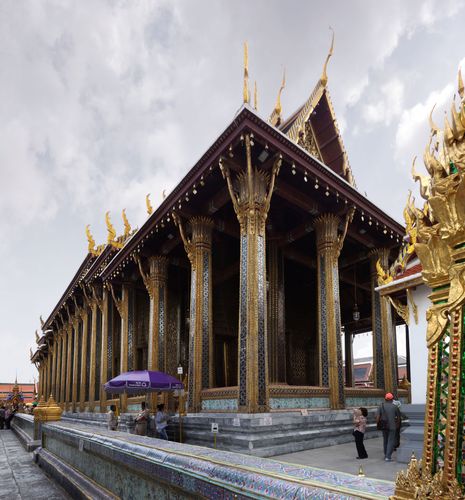
Bangkok’s holiest temple inside the Grand Palace. Go early (8:30am–3:30pm). Buy the 500 THB ticket at Na Phra Lan Rd gate. Dress code enforced. Marvel at Ramakien murals and the tiny Emerald Buddha whose robes change with the seasons. 10–15 minutes’ walk from Khao San.
More Khao San Road Guides
- What to Eat Between Wat Pho, the Grand Palace, and Golden Mount: A Khao San Road Temple Run Food Break Guide
- Where to Eat Between Wat Pho, the Grand Palace, and Golden Mount on a Khao San Road Temple Day
- A Food-and-Temple Day from Khao San Road: Where to Eat Between Wat Pho, the Grand Palace, and Golden Mount
- How to Visit Wat Pho, the Grand Palace, and Golden Mount in One Day from Khao San Road