Bangkok Old Town (Rattanakosin) Guide: Top Sights, Food & Where to Stay
Your insider guide to Bangkok Old Town (Rattanakosin): best temples, food, walks, river boats, and where to stay — with real-world tips and no tourist traps.
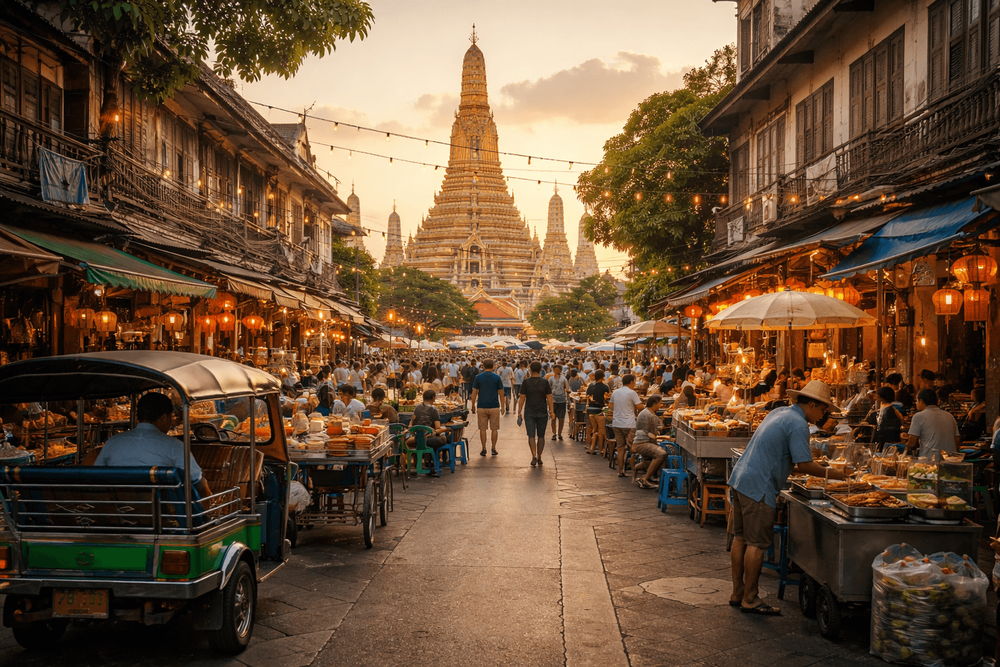
We hop off the Chao Phraya Express at Tha Chang pier into a tangle of incense, grilled pork skewers, and fluttering parasols. Golden chedis wink over the rooftops, tuk-tuk drivers call out sawadee with hopeful grins, and the heat wraps us like a hot towel straight from the massage table. Welcome to Bangkok Old Town — Rattanakosin — where the city first found its swagger.
What is Bangkok Old Town (Rattanakosin)? Quick history & neighborhood map
Bangkok Old Town (Rattanakosin) is the historic core of the city — the royal island established in 1782 by King Rama I when Bangkok became the capital. Imagine a fortified wedge of land cradled by the Chao Phraya River to the west and old defensive khlongs (canals) — Khlong Lord and Khlong Ong Ang — to the east. On the northern tip sits Phra Sumen Fort and leafy Santichaiprakan Park by Phra Athit Road; to the south, Memorial Bridge and the flower market glow late into the night.
It’s temple bells and teak shutters, grand salons turned museums, and street food that’ll make you forget your diet. We can walk from the Grand Palace to Wat in under 10 minutes, then hop a 3-baht ferry across to Wat Arun. East, towards the The Giant Swing and Loha Prasat, the streets widen into ceremonial boulevards. North, the backpacker thump of Khao San Road and the laid-back curve of Soi Rambuttri pull us in for a late-night roti and cold Singha.
Tip: Rattanakosin is compact on a map but sweaty in real life. Shade is scarce and the sun means business. We break our days with AC pit stops — a museum, a café, a strategic 7-Eleven blast.
Top must-see attractions in Bangkok Old Town
Grand Palace & Wat Phra Kaew (Temple of the Emerald Buddha)
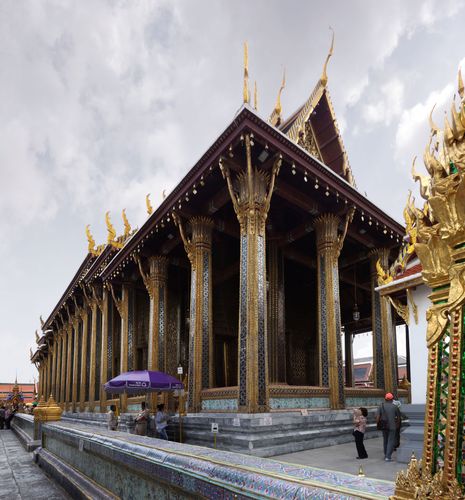
This is the big one. A riot of mirrored mosaics, demon guardians, and spires that look like fireworks frozen mid-burst. Wat Phra Kaew, within the palace complex, houses the revered Emerald Buddha. Expect crowds, especially mid-morning when tour buses unload.
- Hours: roughly 8:30–15:30 daily; can close for royal ceremonies
- Dress code: strict — shoulders and knees covered; long pants/skirts; no ripped or see-through fabrics
- Entrance: typically around 500 THB for foreigners (check the official site for updates)
- Pro move: Be there at opening. If anyone on the street says “Palace closed” and steers us to a jewelry shop, we smile and keep walking — it’s the oldest scam in Bangkok.
Wat Pho (Temple of the Reclining Buddha)
Just south of the palace, Wat Pho’s 46-meter reclining Buddha shimmers in gold leaf, his mother-of-pearl feet inlaid with intricate designs. Between the chedis, we hear the clink of coins and the rhythmic thwap of massage at the Wat Pho Thai Traditional Massage School — a dreamy way to reset our legs.
- Hours: about 8:00–18:30
- Entrance: around 200 THB
- Don’t miss: A 30–60 minute massage inside the temple compound; bring cash.
Wat Arun (Temple of Dawn)
Across the river from Wat Pho, we hop the ferry at Tha Tien pier and climb the steep porcelain-clad prang of Wat Arun. The view back to the palace gleams at sunset when the river goes molten and long-tail boats growl past like colorful dragonflies.
- Hours: roughly 8:00–18:00
- Entrance: around 100–200 THB
- Photo tip: Dawn is soft and empty; blue hour lights up the prang for riverfront rooftop bars.
Bangkok National Museum
On Na Phra That Road near Sanam Luang, the museum unpacks Siam’s whole backstory from Ayutthaya treasures to royal funeral chariots that look engineered by gods. It’s cool, quiet, and fascinating.
- Hours: Wed–Sun, about 9:00–16:00; closed Mon–Tue
- Entrance: around 200 THB
Hidden gems we love
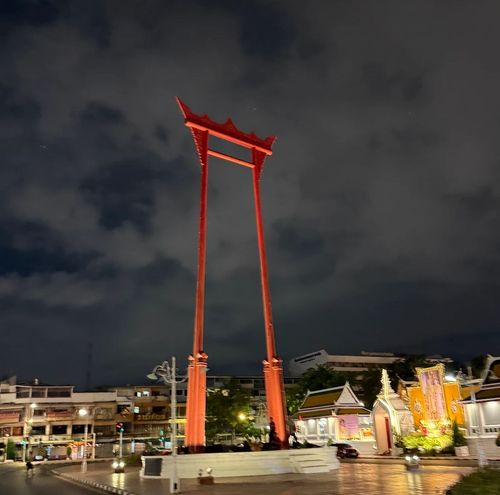
- Wat Suthat & the Giant Swing (Sao Chingcha): Bronze Buddha, low-lit murals, and the famous red swing outside on Bamrung Muang Road. Late afternoon light is gorgeous here.
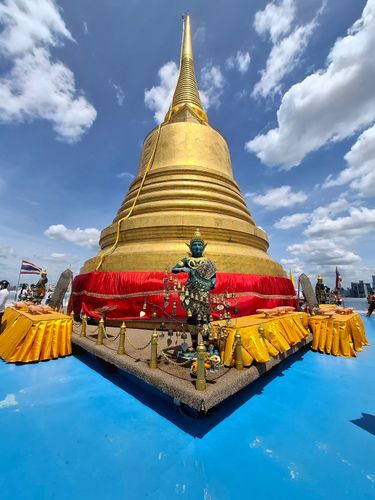
- Loha Prasat (Wat Ratchanatdaram): The “Metal Castle” — climbable spires and a monk’s labyrinth of meditation halls. Combine with the nearby Wat Saket Ratchawora Mahawihan.
- Golden Mount (Wat Saket): A breezy spiral up to a 360° view over Old Town’s terracotta roofs. Try it at golden hour.
- Rattanakosin Exhibition Halls: Slick, interactive storytelling of Bangkok’s royal-era city planning and culture. Great AC.
- Bangkok City Pillar Shrine (Lak Mueang): A quick, meaningful stop — incense, sacred poles, local devotion.
- Amulet Market (near Tha Prachan): Rows of talismans and monks’ charms; we eavesdrop on collectors arguing about authenticity like wine geeks.
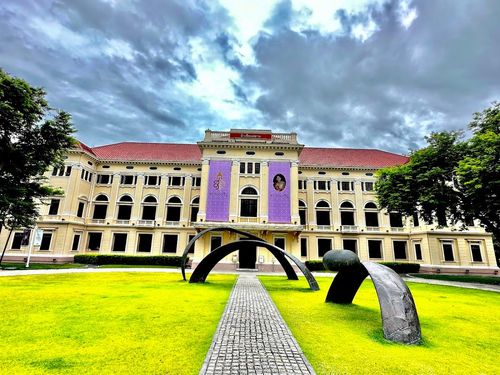
- Museum Siam (Sanam Chai MRT): Playful, modern take on Thai identity and history in a handsome neoclassical building.
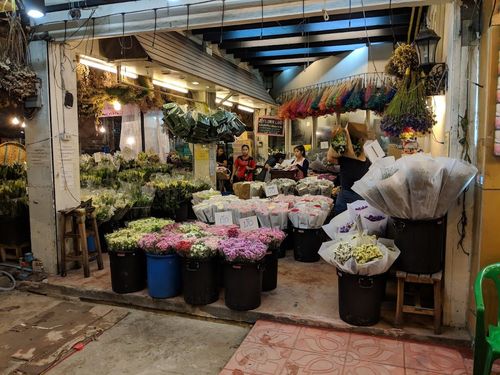
- Pak Khlong Talat (Flower Market) (Flower Market): Open day and night; mountains of marigolds, jasmine garlands, the sweet-green smell of stems under misting hoses.
- Phra Sumen Fort & Santichaiprakan Park: Sunset picnic territory on the river, buskers on weekends, and the breeze we needed all day.
Best walking routes & easy itineraries
Classic half-day: Temples & river
- Start 8:30: Grand Palace & Wat Phra Kaew before it heats up.
- 10:30: Walk to Wat Pho; detour for iced Thai tea on Maharat Road.
- 12:00: 30-minute massage at Wat Pho school.
- 13:00: Cross the river by ferry to Wat Arun; climb if we’re feeling brave.
- 14:00: Late lunch by the river (think spicy som tam and grilled chicken with the breeze).
Foodie half-day: Giant Swing to Phra Athit
- 16:00: Wat Suthat in the hush before evening prayers.
- 17:00: Pad Thai at Thip Samai on Maha Chai Road; watch the wok flames lick the sky.
- 18:30: Kor Panich on Tanao Road for mango sticky rice (old-school, fragrant, not too sweet).
- 19:15: Stroll to Phra Sumen Fort via Soi Rambuttri; grab a cocktail under the banyan trees; listen for the thump from a Khao San bar as the night wakes up.
Full-day Rattanakosin loop
- Morning: Golden Mount (Wat Saket) for city views, then Loha Prasat. Coffee on Dinso Road.
- Late morning: Bangkok National Museum or Museum Siam (pick one for AC and brain food).
- Lunch: Krua Apsorn @Dinso on Dinso Road — blue crab omelette and stir-fried lotus stems are sanuk-level good.
- Afternoon: Amulet Market wander to Tha Prachan; ferry to Wang Lang Market (across-river snack bonanza) if energy allows.
- Sunset: Back to Tha Tien or Tha Maharaj for riverfront glow; sip something cold as Wat Arun lights up.
- Night: Phra Athit jazz, Soi Rambuttri chill, or the flower market’s nocturnal bustle.
Getting around Bangkok Old Town
River boats
The Chao Phraya Express Boat is our best friend here. We look for the orange-flag boats — frequent, cheap, and sanuk with a breeze. Fares are usually around 16 THB. The blue-flag Tourist Boat costs more but is simple to navigate. Key piers:
- N9 Tha Chang: Grand Palace/Wat Phra Kaew
- N8 Tha Tien: Wat Pho & ferry to Wat Arun
- N13 Phra Arthit: Khao San Road/Soi Rambuttri/Phra Athit Road
Pro tip: Have small change ready. Conductors hustle through the aisle with a metal change box, and we sway along like seasoned river rats.
BTS/MRT connections
- BTS Saphan Taksin (S6) links directly to Sathorn pier for boats into Old Town.
- MRT Sanam Chai drops us near Museum Siam/Wat Pho/Tha Tien.
- MRT Sam Yot is handy for Wat Suthat, the Giant Swing, and Khlong Ong Ang walking street.
Buses, taxis, and tuk-tuks
- Buses: A web of lines (including the old-town stalwart No. 53) trundles through; slow but dirt-cheap. We flag them on Ratchadamnoen Avenue or near Democracy Monument.
- Taxis: Insist on the meter. If a driver proposes a “special price,” we smile and find another. Traffic can snarl late afternoon.
- Tuk-tuks: Fun for short hops; agree the fare beforehand. If it seems suspiciously cheap, expect a “bonus” stop at a tailor or gem shop.
From Khao San Road
We walk to Phra Arthit pier in 10–15 minutes via Phra Athit Road for the orange-flag boat. For temples, a morning stroll to the Grand Palace is 20–25 minutes, shaded in parts by Sanam Luang’s trees. Otherwise, hop a short tuk-tuk.
Where to eat: street food, cafés, and restaurants we return to
Bangkok Old Town feeds us from dawn to midnight — a chorus of sizzling woks, the sweet rot of durian from a cart, and charcoal smoke curling up from marinated pork.
- Thip Samai (Maha Chai Road): The pad thai benchmark with tamarind bite and a smoky kiss. Expect a queue; worth it. Open evenings till late.
- Krua Apsorn (Dinso Road): Beloved by locals; crab omelette, stir-fried crab with yellow chilies, and young coconut custard. Lunch is prime time.
- Kor Panich (Tanao Road): Classic mango sticky rice; go when Nam Dok Mai mangoes are in season.
- Roti Mataba (Phra Athit Road): Flaky roti, chicken curry, and tea that’ll fog our glasses.
- Jay Fai (Maha Chai Road): The Michelin-star unicorn in ski goggles; crab omelette legend with a wait to match. Pricey, memorable, very Bangkok.
- Amulet Market snacks (Tha Prachan): Skewers, kanom krok coconut pancakes, and fresh pomegranate juice between talisman stalls.
- Wang Lang Market (across the river): Hop the ferry from Tha Maharaj for grilled pork neck, boat noodles, and pandan desserts. Lunchtime is a glorious crush.
- Café stops: On Phra Athit Road, we duck into air-con for Thai-style iced coffee, or snag a stool on Soi Rambuttri under dangling fairy lights when the day softens.
Expect street food plates from 40–100 THB, simple shophouse meals 80–200 THB, and sit-down restaurants 200–500 THB per person. Cash rules many stalls; keep small bills handy.
Where to stay in Old Town: hotels, boutiques, and budget hostels
We like to sleep where the river breeze can actually find us and the morning bells do the alarm work.
- Riva Surya (Phra Athit Road): Riverside boutique with a pool that saves lives on August afternoons. Step straight onto Phra Athit’s café strip; Phra Arthit pier is next door.
- Sala Rattanakosin (opposite Wat Arun): Rooms that frame the Temple of Dawn like a painting; rooftop bar is a sunset magnet.
- Riva Arun (Tha Tien area): Intimate, polished, and a sunrise view across to Wat Arun that makes early wake-ups easy.
- Inn a Day (near Wat Pho): Playful industrial-chic, each room themed after a local trade. We love the community feel and easy temple access.
- Baan Wanglang Riverside (across-river, Wang Lang): Budget-friendly river views a short ferry hop from Old Town; great for food forays.
- Villa Phra Sumen Boutique (near Phra Sumen Fort): Quiet, leafy courtyard vibe, convenient to Phra Athit and Banglamphu.
- The Printing House Poshtel (Dinso Road): A design-forward poshtel with a rooftop — perfect if we want hostel energy without sacrificing sleep.
- Once Again Hostel (near Wat Saket): Social, spotless, and handy for the Golden Mount morning climb.
We usually crash by the river — the breeze and boat-watching beat a generic downtown tower any day. If we’re on a shoestring and chasing the Khao San hum, Samsen Road up to Soi 1 and Soi 2 hides surprisingly calm guesthouses.
Practical tips: hours, dress, fees, safety, best time
- Dress codes: Grand Palace/Wet Phra Kaew is strict — shoulders, knees, and midriffs covered; long pants/skirts. Wat Pho and Wat Arun are more flexible but be respectful.
- Entrance fees (subject to change): Grand Palace around 500 THB; Wat Pho around 200 THB; Wat Arun around 100–200 THB; National Museum around 200 THB; Museum Siam around 200 THB.
- Best time: Coolest months Nov–Feb. Mornings year-round are friendliest; aim temple visits for 8:30–10:30.
- Heat and hydration: Electrolyte drinks at every 7-Eleven; we duck in for the blast of AC whenever the pavement starts shimmering.
- Scams: “Temple closed” and “gem shop” classics around the palace. Politely decline and keep moving. Tuk-tuks are fun but confirm the fare and route.
- Footwear: Slip-on shoes make temple visits easier. Shoulders/knees covered? Carry a light scarf or sarong.
- Cash & ATMs: ATMs are plenty, but small notes make boat fares and snacks painless.
- Photography: Drones are a no at most sites; inside some temples, photography is restricted. Follow signs and staff instructions.
Day trips & nearby experiences
- Chinatown (Yaowarat): One MRT stop or a short taxi east. Nighttime is neon and noodles — peppery kuay jub, dim sum alleys, and the buzz of grills.
- Khlong Ong Ang walking street: Evenings by Sam Yot MRT, a revived canal with murals, street performers, and snacks.
- Democracy Monument & Ratchadamnoen: Monumental boulevard linking to Sanam Luang; peer into Bangkok’s political heartbeat.
- Phra Sumen Fort & Santichaiprakan Park: Early evening breeze, street musicians, picnic mats, and river-gazer bliss.
- Pak Khlong Talat (Flower Market): A fragrant late-night wander after dinner; garland makers working at speed is mesmerizing.
- River at dusk: Hop an orange-flag boat around sunset for a budget “cruise” — the city glows without the markup.
Know before you go: Getting there
- From downtown/Sukhumvit: BTS to Saphan Taksin, then orange-flag boat upriver to Tha Chang (Grand Palace) or Tha Tien (Wat Pho). Alternatively, MRT Blue Line to Sanam Chai or Sam Yot.
- From the airport: Airport Rail Link to Phaya Thai, taxi from there (20–30 minutes off-peak) or connect to the MRT at Phetchaburi/Phra Ram 9 and ride to Sanam Chai.
- From Khao San Road: Walk to Phra Arthit pier in 10–15 minutes; for Grand Palace, we follow Phra Athit to Sanam Luang along shady paths.

Bangkok Old Town isn’t just where Bangkok began — it’s where the city still breathes in technicolor. Let’s meet at Phra Athit for a late-afternoon wander, grab a boat when the river turns copper, and end the night with jazz and a plate of something spicy that we’ll still be thinking about on the flight home.
Related Hotels & Places
Wat
Temples
Wat Phra Kaew
Temples
Bangkok’s holiest temple inside the Grand Palace. Go early (8:30am–3:30pm). Buy the 500 THB ticket at Na Phra Lan Rd gate. Dress code enforced. Marvel at Ramakien murals and the tiny Emerald Buddha whose robes change with the seasons. 10–15 minutes’ walk from Khao San.
The Giant Swing
Attractions
Bangkok’s scarlet Giant Swing towers outside Wat Suthat—free to visit, open all day, and best at sunset. Pair it with the temple across the street, then graze Dinso Road’s street food. A quick tuk‑tuk or 20‑minute walk from Khao San.
Wat Saket Ratchawora Mahawihan
Temples
Museum Siam
Attractions
Playful “Decoding Thainess” exhibits inside a stately yellow mansion by Wat Pho. Bilingual, hands‑on, and air‑con cool, with MRT Sanam Chai right at the door. Open Tue–Sun 10am–6pm; closed Monday.
Pak Khlong Talat (Flower Market)
Markets
Bangkok’s 24‑hour flower market by Memorial Bridge. Best after midnight when trucks unload orchids, marigolds, roses and fragrant jasmine garlands. Photogenic, lively, and easy to reach from Khao San for a late‑night wander.
Phra Sumen Fort
Attractions
1783 riverfront fort on Phra Athit with white battlements, park breezes, and killer sunset views over Rama VIII Bridge. Free entry; best from 5–7pm before the gates close at 9pm.
Khao San Road
Attractions
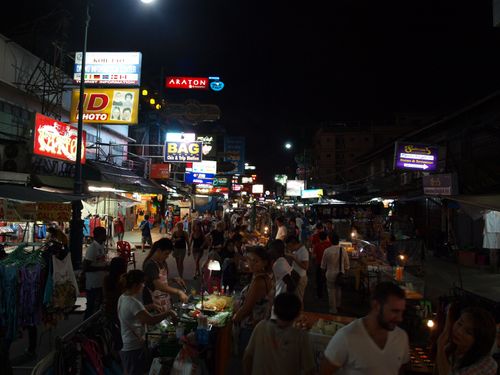
Bangkok’s backpacker carnival: curbside bars, live bands and DJs from 3pm–2am (midnight Sun). Street eats are cheap — pad thai 70–100 THB, mango sticky rice 60–100 THB. Come for wild people-watching; duck into Rambuttri for a calmer beer.
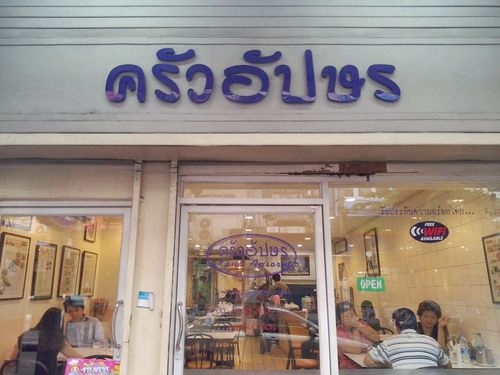
Krua Apsorn @Dinso
Restaurants
Popular Thai restaurant on Dinso Road.

sala rattanakosin Bangkok
Hotels
A 4-star hotel in Bangkok.

Riva Arun Bangkok
Hotels
A 4-star hotel in Bangkok.

Inn A Day
Hotels
A 4-star hotel in Bangkok.

Baan Wanglang Riverside
Hotels
A 3-star hotel in Bangkok.

Villa Bangkok Formerly Villa Phra Sumen
Hotels
Villa Bangkok Formerly Villa Phra Sumen provides flawless service and all the necessary facilities for visitors. Stay connected with your associates, as complimentary Wi-Fi is available during your entire visit.The hotel offers reception assistance, including safety deposit boxes, to ensure guest sa

The Printing House Poshtel Bangkok
Hotels
A 3-star hotel in Bangkok.

Once Again Hostel
Hotels
A 2-star hotel in Bangkok.
Recommended Products
More Khao San Road Guides
- Best Hotels in Bangkok Old City (Rattanakosin): Where to Stay for Temples, River Views, and Walkable Sightseeing
- Best Hotels in Bangkok Old City (Rattanakosin) for First-Time Sightseers
- Rattanakosin Island: Complete Guide to Bangkok’s Historic Old City
- Best Hotels in Bangkok Old City (Rattanakosin) for First-Time Visitors: Walkable Sights, Easy Transport, and Low-Stress Stays