
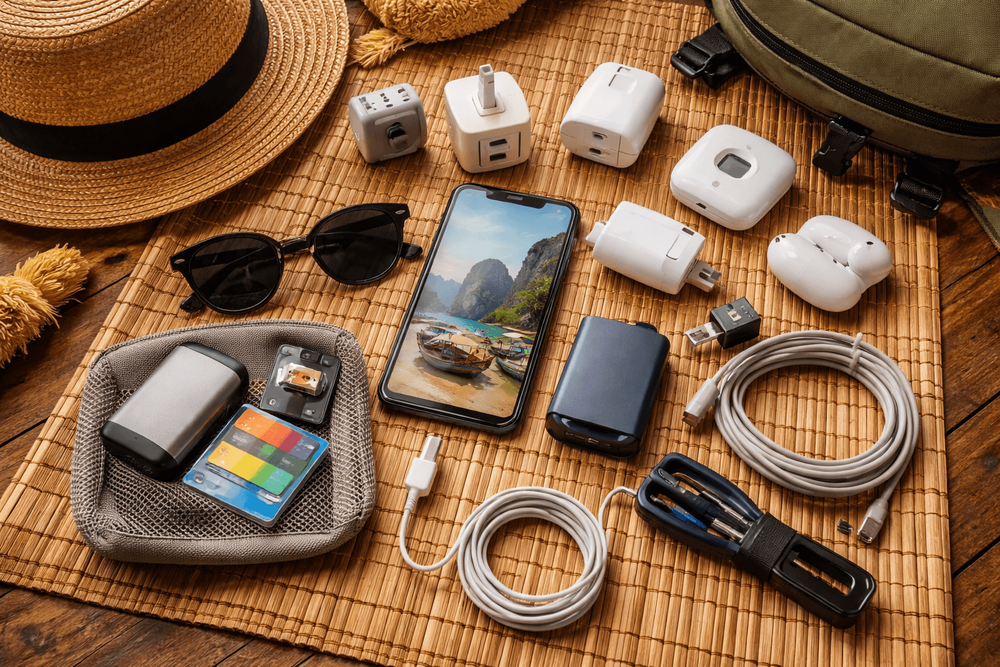
Backpacker Packing List for Thailand for Phone, Power, and Connectivity Essentials
The exact Thailand phone charging packing list we carry—chargers, cables, power banks, adapters, and real-world tips for Bangkok, islands, and night trains.
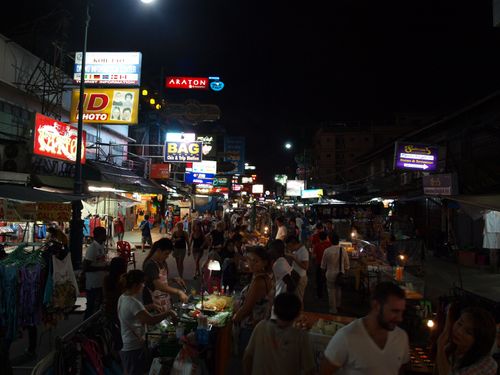
We’ve all been there: Khao San Road’s neon is humming, a tuk-tuk backfires at the curb, and our phone is gasping at 7%. The bass thumps from a bar on Soi Rambuttri, the ตลาดโต้รุ่ง throws off a thousand smells—from sizzling moo ping to the sweet rot of durian—and we’re trying to pull up a Grab while ducking into 7‑Eleven for that lifesaving blast of AC. This is exactly why a smart, lightweight Thailand phone charging packing list matters. Get it right and we glide from boat to BTS to bowl of boat noodles without a low‑battery panic.
Data Freshness + Verification
- Prices are approximate (THB). Last checked: July 2026.
- For venue facts (name, hours, closures, boat/bus schedules), avoid absolutes; give typical ranges and add "confirm same-day locally."
- When citing any price, include neighborhood and, if known, source type (menu, recent visitor, operator site).
Concrete Planning Details
- Mini food crawl near Khao San/Phra Athit (early evening):
- Roti Mataba (Phra Athit Rd) for a curry + roti snack. 60–120 THB per plate (Phra Nakhon, menu). 5–8 min walk from Phra Sumen Fort.
- Stroll 8–10 min via Phra Athit to Soi Rambuttri for a fruit shake (40–60 THB, Banglamphu, cart price). People-watch under the fairy lights.
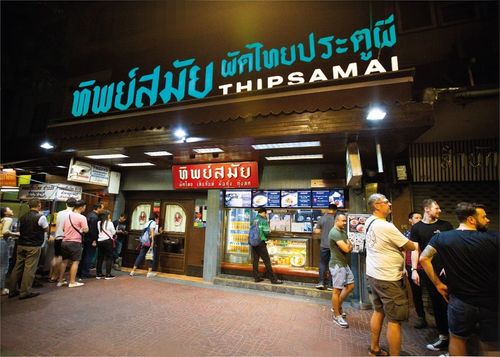
- Tuk-tuk 10–15 min to Thipsamai Pad Thai (Maha Chai Rd; queue moves fast). 90–200 THB (Old Town, menu). Confirm hours same‑day; it’s usually evenings‑late.
- If you want dessert and it’s not too late, swing by Mont Nom Sod at the Giant Swing for milk toast (45–95 THB, Rattanakosin, menu), 10–12 min walk from Thipsamai. Then tuk-tuk back to Khao San (8–12 min, traffic depending).
- Transit time realities: Walks are short; tuk-tuks are fastest across the Old Town maze. Chao Phraya Express (orange flag) runs roughly 6:00–19:00; last boats vary—confirm same‑day at Phra Athit Pier.
Booking Suggestions (if relevant)
- If we’re planning a late arrival, we like to pick a Banglamphu guesthouse with bedside outlets and USB ports—worth paying a touch more so we can plug in everything on night one. Check availability ahead if it’s peak season or a festival weekend.
- For night trains, book a lower berth if you want a better shot at a nearby outlet, but carry a power bank regardless.
Your Thailand Phone Charging Packing List
Let’s build the exact kit we toss into our daypack and carry-on—lean, durable, and ready for Bangkok heat, island humidity, and that overnight train to Chiang Mai.
1) Compact multi-port wall charger (USB-C PD)
- Aim for 20–35W USB‑C PD if you’re phone‑only; 45–65W if you’ll also top up a tablet or small laptop. GaN bricks are lighter and run cooler in Bangkok’s 35°C blast.
- One USB‑C + one USB‑A port covers most combos (new cable + legacy cable at the same time).
Tip: Many Thai hotel rooms now have universal or multi‑standard outlets, but older guesthouses may not. A single, good charger plus the right adapter beats juggling three cheap ones.
2) Cables (bring backups)
- Two primary cables for your phone (one in your day bag, one in your room) and one spare. Mix lengths: a short 0.3–1 m for café tables, a 2 m for awkward sockets behind the bed.
- Durable, braided cables survive tuk‑tuk tosses and beach sand better than flimsy generics. Add a tiny cable tie to stop the backpack spaghetti.
3) Power bank (the right size)
- 10,000 mAh: pocketable, solid for a full day in Bangkok with map use, photos, and Grab.
- 20,000 mAh: best for ferries, long bus runs, and festival or temple days when outlets are scarce. Still airline‑legal in carry‑on (see airline rules below).
- Features to like: USB‑C in/out, 18–30W PD, and at least two ports so you can be the hero for your friend on the Chao Phraya boat.
Recent prices we’ve seen: 10,000 mAh at 450–800 THB (Pathum Wan/MBK Center, retail counters); 20,000 mAh at 800–1,600 THB (Power Buy, mall price). Counterfeit risk exists—buy from big-box electronics or carrier shops.
4) Universal travel adapter (compact, with fuse)
- Thailand’s mains are 230V/50Hz. Sockets frequently accept both flat (US-style) and round (EU-style) pins, but not always. A compact universal adapter removes the guesswork.
- A tiny, fused unit is enough for phone gear; skip the brick-sized monsters unless you genuinely need multi-country sockets and an extra fuse.
5) Slim travel power strip (optional but clutch)
- One short lead + 2–3 outlets + 2 USB ports turns one wall socket into a charging hub for the whole crew. Handy in older rooms where the only free outlet is across the room.
6) Waterproofing and heat control
- Dry bag or at least a zip-lock for Songkran, island long‑tails, and those surprise khlong splashes. A soft pouch shields your phone from beach sand.
- Keep the phone out of direct sun; on ferries and temple courtyards it overheats fast and charging slows or stops.
7) SIM/eSIM backup bits
- Save your eSIM QR to offline storage and cloud, and bring a SIM tool (or straighten a paperclip). Keep your passport photo page scan handy for kiosk registrations.
- Top‑ups are easy at 7‑Eleven—just say top‑up (เติมเงิน) with your number.
If you want an even deeper dive into cables, banks, and adapter options, we’ve broken down pros/cons here: What to Pack for Thailand for Phone, Power, and Connectivity: SIMs, Chargers, Adapters, and Backup Battery Basics and Thailand Electronics Packing List: Adapters, Power Banks, and SIM Gear.
Thailand plugs, voltage, and whether you need an adapter
Here’s the quick reality on outlets so we don’t play plug gymnastics at midnight in Banglamphu:
- Voltage: 230V, 50Hz across Thailand. Most modern phone chargers accept 100–240V automatically—check your brick’s fine print.
- Socket shapes: You’ll commonly see two-slot outlets that accept both flat (Type A) and round (Type C) pins; many places also have multi-standard faceplates. Newer grounded outlets (Type O) appear in renovated hotels and malls, but not everywhere.
- Do you need a universal adapter? Often yes, especially if your plug is UK three‑prong or you want guaranteed fit in an older guesthouse. A compact universal adapter avoids the “wiggly connection” dance.
- Surge risk: Power is generally stable in cities, but island outages and generator switches happen. Your phone charger can handle small blips; if you’re nervous, add a tiny, fused adapter or charge during the day when generators are steady.
We keep a separate adapter explainer here if you want nitty‑gritty: What to Pack for Thailand for Backpacker Electronics: Charging, Adapters, and Power Backup Essentials.
Where you can actually charge—airports, cafés, hotels, boats, and buses
- Airports (BKK Suvarnabhumi, DMK Don Mueang): You’ll find charging bars in airside seating zones and near some gates. Outlets fill fast near boarding time. Expect a mix of universal sockets and a few USB‑A ports. If you’re early, grab a counter seat in the food court; buy a drink and plug in.
- Hotels/hostels/guesthouses: Newer rooms often have bedside outlets and a desk outlet. Older Banglamphu guesthouses might have just two outlets total—one eaten by the fridge. That’s when the mini power strip shines.
- Cafés and co‑working: Bangkok’s café scene is generous with plugs. In Old Town, you’ll usually need to buy a drink (iced lattes 70–120 THB, Phra Nakhon, menu) to linger. Air‑con saves your phone from heat throttling.
- BTS/MRT: Trains themselves rarely have sockets, but stations sometimes have USB spots near seating. Count on them as a bonus, not a plan.
- Intercity buses/minivans: Sockets are rare. Charge before you board. A 20,000 mAh bank covers Bangkok–Chiang Mai or Bangkok–Chumphon overnight runs.
- Trains: Newer Thai trains and refurbished sleepers may have shared outlets per berth or per carriage; older stock can be a lottery. Charge up in the station café before boarding.
- Ferries and long‑tails: Gulf and Andaman ferries sometimes have outlets near snack bars; long‑tail boats absolutely do not. Island power can flicker—charge midday when generators are steady, and don’t leave gear plugged in unattended.
Price notes we’ve logged recently:
- Café sit‑downs with outlet lingering: 40–60 THB for a fruit shake on Rambuttri (Banglamphu, cart/stand price); 80–140 THB for iced coffees on Phra Athit (Phra Nakhon, menu). Confirm same‑day.
Practical power tips so your phone lasts all day
- Download offline maps around Banglamphu, Chinatown, and your islands before you land. Google Maps + an offline layer means you can still stumble down Soi Rambuttri after a night out and find your bed without data.
- Keep your big uploads (video, photo backups) for hotel Wi‑Fi or a café with strong AC and steady power. Heat + heavy uploads = your battery melts faster than coconut ice cream on Phra Athit.
- Brightness is a battery vampire in Thai sun. Use adaptive brightness and dark mode; keep the phone shaded with your hat when navigating.
- Ferry or mountain drives? Signal is weak; flip airplane mode and re‑enable GPS and Wi‑Fi for offline nav. Your battery will thank you halfway across the khlong.
- Carry-on only for power banks—airlines restrict them to hand luggage. Typical limit is under 100 Wh (roughly up to 26,800 mAh at 3.7V). Keep banks accessible for security checks.
- Label your cables. In dorms, everyone’s white cable looks the same.
- SIM sanity: Tourist eSIMs from Thai carriers are convenient; you can also buy physical SIMs at airport kiosks or 7‑Eleven (49–299 THB SIM; tourist data bundles 150–599 THB, Phra Nakhon/airport, operator boards). Top up little and often. More on setups here: What to Pack for Thailand for Phone, Power, and Connectivity: SIMs, Chargers, Adapters, and Backup Battery Basics.
- Grab, LINE, and translation apps: Keep them pinned on the home screen. We save Thai addresses and hotel names in both English and Thai script for quick copy‑paste when a taxi uncle asks where we’re going.
- Night markets and Songkran: A waterproof pouch and a short cable + small bank in your pocket keep the party sanuk without the “my phone drowned” blues.
If you want to level up beyond phone‑only gear, we keep a broader tech rundown here: Backpacker Packing List for Thailand’s Tech and Charging Setup: Adapters, Power Banks, and Cable Control.
Packing priorities by trip type
Quick Bangkok hit (48–72 hours)
- 20–35W USB‑C PD wall charger
- Two cables (short + long)
- 10,000 mAh bank
- Compact universal adapter
- Waterproof pouch for sudden monsoon dumps
Why: You’ll charge in cafés between the Grand Palace, the Golden Mount, and Chinatown eats. Outlets abound but lines at airport gates and busy cafés mean the bank still saves your night.
Island‑hopping (Koh Tao, Koh Pha Ngan, Koh Lanta)
- 20,000 mAh bank (PD)
- 20–35W wall charger
- Universal adapter + slim power strip
- 2–3 cables (salt + sand kill them)
- Dry bag
Why: Ferries, beach days, and bungalows with limited outlets call for extra juice. Power can flicker during stormy spells—charge midday when the generator’s humming.
Northern loop (Chiang Mai, Pai, Mae Hong Son)
- 10,000–20,000 mAh bank depending on bus hours
- 20–35W wall charger
- Universal adapter
- Cable trio (short/long/spare)
Why: Café culture in Nimman is plug‑friendly, but minivans to Pai don’t have sockets and the mountain switchbacks will have your phone hunting for signal and burning battery.
Multi‑city with trains (overnight journeys)
- 20,000 mAh bank
- Multi‑port wall charger + slim power strip
- Universal adapter
- Extra cable for a compartment mate (good karma returns)
Why: Newer sleepers sometimes have one outlet per berth; older ones don’t. We pre‑charge at the station café and never assume there’ll be a socket by our pillow.
Digital‑nomad month
- 45–65W GaN charger (USB‑C PD) to cover phone + small laptop
- 20,000 mAh bank
- Universal adapter + short power strip
- Cable kit with spares, plus a tiny USB tester if you’re nerdy about speeds
Why: You’ll hop cafés, coworking, and condos. A small strip makes any room “remote‑workable,” and bigger PD wattage speeds phone top‑ups between meetings and moo ping runs.
Know before you go (rules, safety, buying locally)
- Airlines: Power banks must go in carry‑on. Typical cap is 100 Wh (check your carrier). One or two banks are fine; loose lithium cells are not. Staff may ask to see the Wh rating.
- Heat and safety: Don’t charge phones under a pillow or on top of a bed in that Bangkok heat. Put the bank on a hard surface and let it breathe.
- Hotel realities: Two outlets total is normal in budget digs around Banglamphu. We’ve learned to check for a bedside plug when we tour the room; if not, we keep the 2 m cable so we can scroll with the fan on.
- Buying in Thailand: Cables at 7‑Eleven run ~59–149 THB (Banglamphu, shelf price) but may be slow‑charge. For the good stuff, look to Power Buy in malls, carrier shops (AIS, True, DTAC), or big electronics floors at MBK and Central (expect 250–690 THB for decent PD‑rated cables, Pathum Wan, retail counters). Haggle at MBK gently; if a price feels too good to be true, it probably is a knockoff.
- Scams and gotchas: If a tuk‑tuk uncle promises a “free” electronics outlet stop, we smile, say mai ao khrap/ka (no thanks), and keep rolling. Charge at places you chose, not where someone steers you.
A day powered right
Here’s our favorite rhythm: morning temple loop with the phone on low brightness and offline maps; midday AC pit stop on Phra Athit to top up both us and the battery; sunset at the river with a 60% charge; a quick top‑up at dinner; and then we ride the night on Rambuttri without watching the percentage tick down. Pack smart, and your phone becomes the quiet, reliable sidekick that lets us chase what really matters—the smoky sizzle from a wok down a nameless soi and that last boat back from Tha Tien as the city glitters.
Related Hotels & Places
Khao San Road
Attractions
Bangkok’s backpacker carnival: curbside bars, live bands and DJs from 3pm–2am (midnight Sun). Street eats are cheap — pad thai 70–100 THB, mango sticky rice 60–100 THB. Come for wild people-watching; duck into Rambuttri for a calmer beer.
ตลาดโต้รุ่ง
Markets
Bangkok’s late-night street-food fix: moo ping skewers, pad thai off the wok, boat noodles, and 40–60 THB fruit shakes. Open till around 1am—perfect for a cheap refuel after Khao San.
Thipsamai Padthai Pratoopee
Restaurants
Mont NomSod
Shops
The Dinso Road institution for late-night sweet tooths: thick-cut toast with condensed milk, steamed bread with pandan custard, and icy Thai tea. Daily 1pm–10pm, two minutes from the Giant Swing; expect a queue after 7pm but it moves fast.
Khaosan Bar Ayutthaya
Bars
More Khao San Road Guides
- Backpacker Packing List for Thailand: Gadgets, Chargers, and Power Bank Essentials
- Backpacker Packing List for Thailand with Electronics: Adapters, Chargers, Power Banks, and Device Protection
- Backpacker Packing List for Thailand for Phone-First Travel: Navigation, Payments, and Backup Power Basics
- Backpacker Packing List for Thailand: Security Gear for Hostels, Buses, and Day Trips