
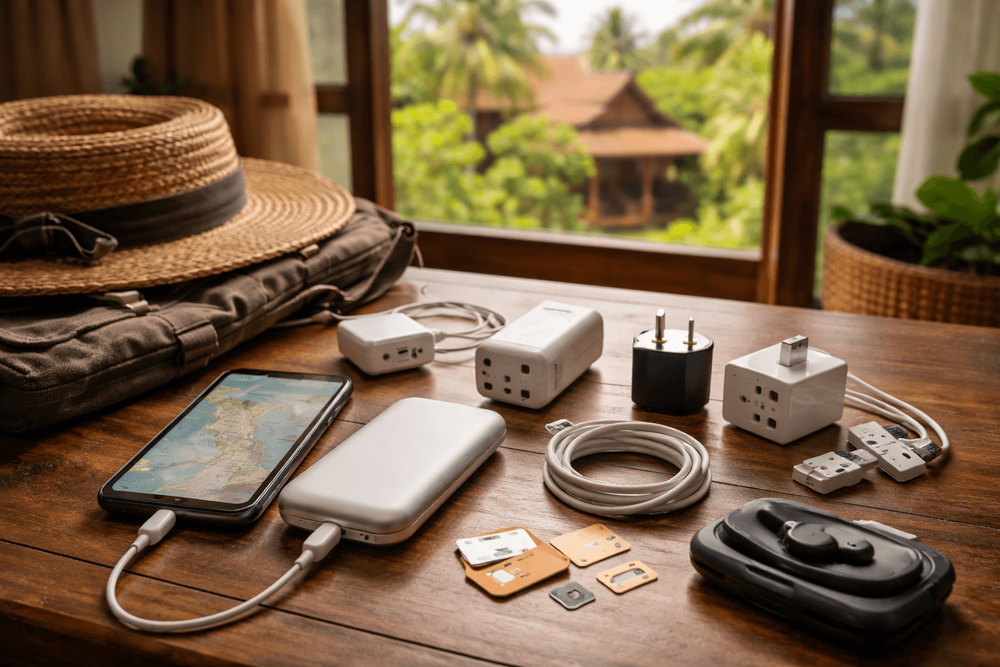
What to Pack for Thailand for Phone, Power, and Connectivity: SIMs, Chargers, Adapters, and Backup Battery Basics
The insider’s guide to Thailand phone charger packing: plugs, voltage, fast chargers, power banks, adapters, SIMs, and real-world charging tips across Bangkok.
We’ve all been there: it’s midnight off Khao San Road, our phone’s at 3%, the tuk-tuks are buzzing, and the neon 7-Eleven glow feels like salvation. Good Thailand phone charger packing means we don’t panic—we already have the right adapter, a fast charger, and a power bank that laughs at long bus rides.
Data Freshness + Pricing:
- Prices are approximate and in THB.
- Last checked: June 2026
- Happy hour and promo details change frequently—confirm locally.
Thailand Phone Charger Packing: The Basics
Here’s the electricity reality. Thailand runs on 230V, 50Hz. Most modern phone chargers (USB‑C, Lightning, micro‑USB bricks) are dual‑voltage (100–240V), so no heavy voltage converter needed for phones and laptops. But you do need the right plug shape.
- Common plug types: Type A (two flat pins), Type C (two round pins), and Thailand’s Type O (three round pins) show up all over. Many sockets are “universal” and accept both A and C, but older places might favor just one. Grounded three‑prong outlets aren’t guaranteed.
- What we carry: one slim global adapter with a fuse (approx. 250–600 THB) plus a short, light travel power strip or multi‑plug cube with surge protection (approx. 350–900 THB). That way one hostel socket becomes charging for phone, watch, earbuds, and a friend’s dead battery.
- Safety note: During monsoon downpours, power can flicker. A surge‑protected strip is boring but clutch.
If you want a broader kit beyond phones—camera, laptop, backup drives—our deeper gear breakdown lives here: Thailand Electronics Packing List: Adapters, Power Banks, and SIM Gear.
What to Pack for Different Devices
USB‑C phones and tablets
- Charger: Bring a compact GaN wall charger with at least one USB‑C PD port. For modern Androids and iPhone 15 series, 20–30W gets you fast top‑ups without bulk (approx. 350–900 THB locally if you need a spare). If you carry a tablet or small laptop, 45–65W is a great one‑brick solution (approx. 700–1,800 THB).
- Cables: Two USB‑C to USB‑C cables—one short (0.5–1m) for cafés and planes, one long (2m) for awkward hostel sockets. Braided or reinforced ends survive backpack life better (approx. 120–350 THB each).
Lightning (older iPhones)
- Charger: Any 18–30W USB‑C PD brick works. If you’re still on a USB‑A charger, it’ll charge, just slower.
- Cables: Pack two—one primary, one backup. Consider a USB‑C to Lightning for fast PD charging (approx. 250–600 THB).
micro‑USB (earbuds, headlamps, older devices)
- One short, reliable cable so you’re not stuck at a night market hunting a wobbly 60‑THB special. If you carry multiple standards, a quality 3‑in‑1 cable can be handy—just expect slower charge speeds (approx. 150–350 THB).
Multi‑port wall chargers (the MVP)
- Look for 2–4 ports (mix of USB‑C and USB‑A), 30–65W total output, and foldable prongs or a slim profile. We love using one brick in hostels to keep the whole kit topped up overnight without outlet drama.
Power banks (carry‑on only)
- Capacity: 10,000 mAh (approx. 350–900 THB) is perfect for city days and temple hopping (Golden Mount to Wat Ratchanatdaram Worawihan to Phra Athit sunsets). 20,000 mAh (approx. 800–1,600 THB) is better if you’ve got long buses or ferries in the plan.
- Airline rules: Power banks must ride in your carry‑on, not checked baggage. Under 100Wh is the sweet spot (about 27,000 mAh at 3.7V); many airlines allow 100–160Wh with approval, but why hassle?
- Features worth it: USB‑C PD input/output, 18–30W fast charge, clear LED readout. Wireless pads are nice but less efficient in Bangkok heat.
Adapters, mini power strips, and backup bits
- A fused universal adapter (one per traveler) and a short extension or travel power cube solve 90% of room setups.
- Tiny 2‑pin to 3‑pin ground adapters can help in older places, but don’t expect perfect grounding everywhere.
- Cable ties, a handful of rubber bands, and a pouch save your sanity when we’re re‑packing in a moving tuk‑tuk.
For protecting your chargers, lenses, and backup drives from the wet season and island spray, bookmark this: What to Pack for Thailand for Camera and Gadget Protection.
Real‑World Charging in Thailand: Where It Actually Happens
Hotels, hostels, and guesthouses
Near Soi Rambuttri and along Phra Athit Road, many rooms have universal sockets by the bed. Budget spots may have exactly one outlet hiding behind a mini‑fridge. We plug a multi‑port charger into the most accessible socket and run everything from there. Front desks often lend adapters with a deposit (approx. 100–200 THB), but they run out by evening.
Cafés and co‑working
Bangkok’s café game is strong. Around Ari and Ekkamai you’ll find laptop‑friendly spots with plentiful outlets; on Khao San, think more “bar stool by a fan” than “ergonomic workstation.” Etiquette: order something every hour or so—an iced latte (approx. 70–120 THB) buys time and amps. Co‑working spaces near Asok or Sathorn offer day passes (approx. 200–500 THB) with reliable sockets and ice‑cold AC if you need a focused charge + upload session.
Airports: BKK and DMK
Suvarnabhumi (BKK) has charging bars near many gates with a mix of USB and outlets, though adapters are your problem. Don Mueang (DMK) has fewer, and they fill fast at night when backpacker flights stack up. We top up from a power bank in the queue, then finish on a gate bar if there’s space. Spare cables and power banks are sold airside, but expect airport markups (approx. +20–40%).
Trains, buses, and vans
- Trains: Newer Thai Railways carriages sometimes have outlets in second‑class seats; older rolling stock may have just a couple per car. Overnight trains can be hit‑or‑miss. Don’t count on it—bring a full power bank.
- Buses: VIP buses on routes like Bangkok–Chiang Mai may offer USB ports, but a few can be underpowered. Minivans to Ayutthaya or Damnoen Saduak? Rarely any ports. Assume none, plan accordingly.
- Ferries: Gulf island routes (Samui, Phangan, Tao) and Andaman hops sometimes have outlets near snack counters. They’re contested; a power bank ends the scramble.
Day trips and street days
A full temple loop—Wat Phra Chetuphon Wimon Mangkhalaram Rajwaramahawihan, Grand Palace, across the Chao Phraya Express boat to Wang Lang Market—can roast both you and your battery. Between photos, map checks, Translate, and Grab rides, we chew through 50–80% by late afternoon. A 10,000 mAh bank keeps the sanuk going so we can still capture sunset from the Phra Pinklao Bridge without power anxiety.
Common Packing Mistakes (We’ve Made Them So You Don’t Have To)
- Bringing the wrong adapter: Thailand’s universal sockets help, but not everywhere. One fused universal adapter per person is safer than hoping reception has a loaner.
- One cable to rule them all: That cable snaps, frays, or walks away—now you’re stuck. Bring two per connector you rely on.
- No fast charging: A 5W cube is a museum piece. Get 20–30W USB‑C PD for modern phones; it turns 20 minutes of café time into 50% battery.
- Giant, cheap power banks: A 30,000 mAh brick with no PD feels powerful until it takes 10 hours to refill. Smart mid‑size + PD > massive and sluggish.
- Not checking voltage on non‑phone gear: Hair dryers and curling irons are the usual culprits. If it’s not 100–240V, skip it or buy local (approx. 300–800 THB for a basic dryer).
- Outdated, brittle cables: Bangkok heat + sun + backpack abrasion eats weak insulation. Retire the crusty cable before it betrays you.
Tips for Staying Powered Safely and Efficiently
- Charge while you sleep: Plug the multi‑port brick in and let everything sip overnight. We rotate devices so cameras and banks finish first.
- Use airplane mode on boats and in rural patches; searching for signal cooks battery. Download offline maps before leaving Wi‑Fi.
- Don’t daisy‑chain cheap extensions: Thailand’s 230V will expose weak links. Stick to a single quality strip or cube.
- Label your gear: A strip of colored tape per cable and brick. Dorm‑room drama solved.
- Keep it cool: Phones throttle in midday heat. Duck into 7‑Eleven (hello, blast of AC), give the phone a minute, then resume filming that wok sizzle.
- Buy spares smart: 7‑Eleven and mini‑marts stock cables (approx. 120–300 THB) and tiny banks (approx. 350–700 THB). For better quality, hit MBK Center, Fortune Town, or a carrier shop (AIS/True/dtac) where fakes are less likely.
- SIM sanity: eSIMs are convenient; physical SIMs from carrier kiosks often come with airport install help. Tourist packages with chunky data (e.g., 7–30 days) run approx. 149–599 THB depending on speed and cap. Deep dive here: What to Pack for Thailand for Thai SIM Cards, eSIMs, and Mobile Connectivity: Power, Storage, and Backup Essentials.
If you’re working on the road—editing reels from Chatuchak or backing up photos from Yaowarat Chinatown Heritage Center—this is your friend: Thailand Packing List for Digital Nomad Backpackers.
Quick Packing Checklist (Copy/Paste This Before You Fly)
- 1× fused universal adapter (A/C/O compatible)
- 1× compact GaN wall charger (20–30W) for phones; 45–65W if also charging a tablet/laptop
- 1× multi‑port charger (2–4 ports) or a tiny travel power cube with surge protection
- 2× USB‑C to USB‑C cables (short + long)
- 1–2× Lightning cables (if needed)
- 1× micro‑USB cable (if needed) or a quality 3‑in‑1
- 1× 10,000–20,000 mAh power bank with USB‑C PD
- Cable ties, labels, and a small waterproof pouch
- Optional: short extension cord (1–1.5m) with universal sockets
- Optional: spare wall plug kept in daypack for café charges
For bigger, work‑ready setups (laptops, hubs, storage), we keep this bookmarked: Thailand Packing List for Backpackers Carrying Electronics and Work Gear.
Know Before You Go: Plugs, Voltage, and Safety
- Voltage: Thailand is 230V at 50Hz. Phones, tablets, cameras, and most laptops are dual‑voltage—check the tiny print on the brick. If it says “100–240V,” you’re solid.
- Plugs: Expect a mix of Type A (flat), Type C (round), and Thai Type O (three round). Many outlets are ungrounded two‑pin holes.
- Surge and storms: Afternoon downpours can cause brief cuts or spikes. A strip with surge protection is worth the weight.
- Charging around water: Beach cafés on Koh Tao or riverfront bars along the Chao Phraya can be splashy. Keep chargers off the floor and use a dry bag in your daypack.
If You Forget Something in Bangkok
- 7‑Eleven/mini‑marts: Emergency cables and small power banks, island to city.
- MBK Center (Siam): Floors of phone shops—haggle a bit; quality varies. Mid‑range prices (cables approx. 150–350 THB; PD chargers approx. 400–1,000 THB).
- Fortune Town (Rama 9 MRT): More techy, better for reliable brands and laptop chargers.
- Carrier stores (AIS/True/dtac): Legit cables, power banks, and SIM help, at fair prices (slightly above market, but less gamble).
- Night markets: Fun to browse under string lights, but treat ultra‑cheap cables like a temporary fix.
How We Work It Day to Day
- Morning: Everything charges while we sleep. Before we head out for noodles on Soi Rambuttri, we toss the 10,000 mAh bank and the short cable into the daypack.
- Midday: We’ll duck into a café near Democracy Monument, grab an iced Thai tea, and throw 20 minutes of PD fast charge into the phone while the fan thumps.
- Evening: On the BTS to Saphan Taksin for river views, we top up from the bank so we can film the Chao Phraya Express boat skimming past temples at golden hour.
- Night: Back in the room, everything back on the multi‑port, cables coiled, adapter back in the pouch so it doesn’t get orphaned in a wall.
Anker PowerCore 10000 Portable Charger
We love the chaos of Bangkok—the hiss of woks in Yaowarat, the bass throb from a Khao San bar, the sweet rot of durian sneaking up a soi—but a dead phone kills the magic fast. Pack smart, charge fast, and keep a little juice in reserve. We’ll meet you by the river on Phra Athit with a cold Leo and a 90% battery.
Related Hotels & Places
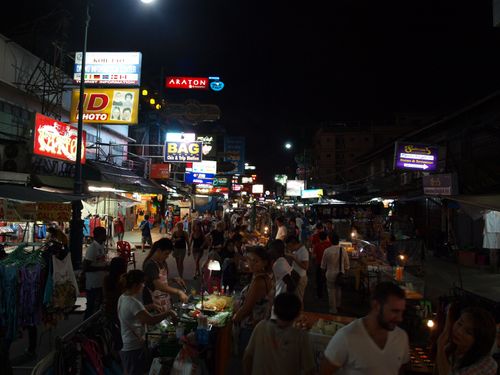
Khao San Road
Attractions
Bangkok’s backpacker carnival: curbside bars, live bands and DJs from 3pm–2am (midnight Sun). Street eats are cheap — pad thai 70–100 THB, mango sticky rice 60–100 THB. Come for wild people-watching; duck into Rambuttri for a calmer beer.
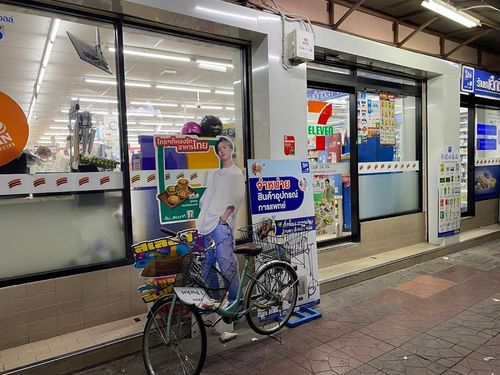
7-Eleven
Shops
Khao San’s 24/7 reset button: ice‑cold A/C, ham‑cheese toasties, All Café iced lattes, water for 7–14 THB, and late‑night supplies from snacks to sunscreen—right by Rikka Inn.
Wat Phra Chetuphon Wimon Mangkhalaram Rajwaramahawihan
Temples

Wat Ratchanatdaram Worawihan
Temples
Bangkok’s Loha Prasat “metal castle” steals the scene—37 spires, serene courtyards, and golden-hour light. An easy 15‑minute walk from Khao San, open daily 8am–5pm. Come early for quiet, or late for the best photos.
Yaowarat Chinatown Heritage Center
Attractions
Inside Wat Traimit by Chinatown Gate, this tidy museum charts Yaowarat’s Chinese roots with bilingual displays, period photos and short films. Open Tue–Sun 8:30am–4:30pm; closed Mon. Pair it with the Golden Buddha upstairs.
Recommended Products
More Khao San Road Guides
- What to Pack for Thailand for Phone-Heavy Travelers: SIMs, Chargers, and Power Bank Setup
- What to Pack for Thailand for SIM Card, Connectivity, and Charging on the Road
- What to Pack for Thailand for Backpacker Electronics: Charging, Adapters, and Power Backup Essentials
- Thailand Electronics Packing List: Adapters, Power Banks, and SIM Gear