
What to Pack for Thailand for SIM Card, Connectivity, and Charging on the Road
The field-tested Thailand charging packing list: SIM and eSIM tips, adapters, power banks, and smart packing so your devices stay alive from Bangkok to the islands.
We’ve all been there: the bass on Khao San Road thumps like a second heartbeat, the mango sticky rice disappears in three bites, and just as we’re about to hail a tuk-tuk, our phone dies. Not today. This Thailand charging packing list is our secret stash of cables, bricks, SIM tricks, and power moves that keeps us online from Rambuttri to the last ferry off Koh Lanta.
The Essential Thailand Charging Packing List
We’ll keep this tight and field-tested. Everything here has earned space in our daypack or dry bag.
Phone power, front and center
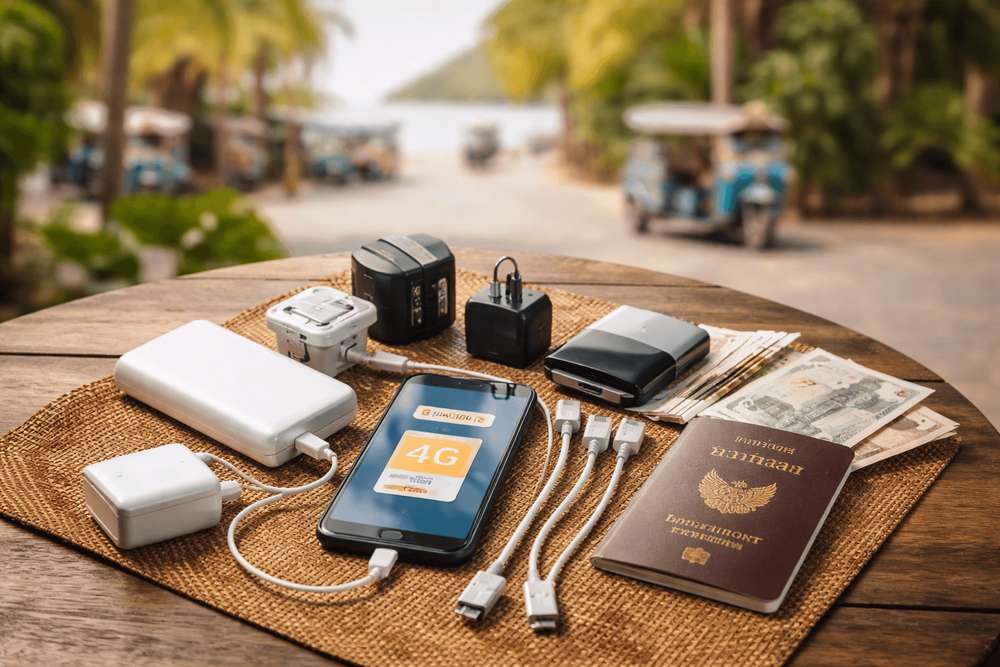
- Dual-port GaN USB-C charger (at least 30–65W): One brick to fast-charge your phone and a second device. GaN stays cool in Bangkok heat and works on dodgy hostel sockets.
- USB-C cables (2x) and a short 0.3 m spare: USB-C runs Thailand now. If you’re rocking an older iPhone, pack a Lightning cable. We carry color-coded cables so they don’t walk off in dorms.
- Portable power bank (10,000–20,000 mAh): 20,000 mAh will juice a phone 3–4 times, ideal for night buses and island ferries. Keep it under 100 Wh for flights (26,800 mAh ≈ ~99 Wh is the sweet spot). Always carry-on, never checked.
- SIM toolkit: Paperclip/SIM ejector, a spare nano SIM tray, and a tiny zip bag. Sounds extra until you’re swapping eSIM and plastic SIM in a taxi on ร้านวิรัช.
Laptop and camera kit (only if you need it)
- 65–100W USB-C PD charger: Enough oomph for MacBook/Ultrabook and rapid phone charging. PPS support helps Samsung flagships gulp watts.
- USB-C to USB-C and USB-C to USB-A cables: Hotel desks sprout mysterious USB-A ports; we make them work.
- Card reader + 128–256 GB SD spares: Keep wet beach hands away from your camera’s lone card.
- Compact surge protector travel strip: Two AC sockets + three USB ports with a fuse is our insurance during monsoon lightning or island generator hiccups.
Headphones and wearables
- True wireless buds with a short USB-C cable: That tiny 20 cm lead stays married to the case in our sling.
- Over-ears? Pack a 3.5 mm analog cable for plane screens and a 1–2 m charge cable for hostel shelves far from outlets.
- Smartwatch charger: Label it. Everyone’s is black and round.
Backup and organization
- Zip pouches or a tech roll: One for “daily” (phone cable, bank, brick) and one for “basecamp” (laptop, spare cables). We don’t go feral in our backpack when the bus stops at Chumphon.
- Two cable ties and one right-angle USB-C: Right-angles don’t poke you on cramped minibuses.
- Dry bags or freezer-grade ziplocks: Rainstorms on Sukhumvit arrive sideways. Electronics stay bone dry if you plan for it.
If you’re deep into the nitty-gritty—PD wattage charts, multi-country adapters, and SIM choices—see our companion deep dive: ทาชาเน่ แซ่บแอนด์ชิล.
Plug Types, Voltage, and Do You Need a Converter?
Here’s the skinny on Thailand’s sockets, without the engineering lecture.
- Voltage & frequency: 220 V, 50 Hz across the country. Modern phones, laptops, and cameras are dual-voltage (100–240 V). Check your brick. If it says 100–240 V, you’re golden.
- Plug shapes you’ll meet: Most sockets accept both flat US-style (Type A) and round Euro (Type C). Newer places add a grounded three-prong (Thai Type O or US Type B). Many hotels use “universal” faceplates that swallow them all.
- Do you need a voltage converter? Almost never. Skip heavy converters unless you insist on a single‑voltage hair dryer or curling iron (don’t). Buy a dual‑voltage travel version or pick up a cheap local dryer if you must.
- What adapter to bring: A compact universal adapter with one grounded input plus 2–3 USB ports covers 99% of rooms. If you’re traveling lean, a simple Type A/C two‑pin adapter does the job.
- Grounding gotchas: Older guesthouses may have only two-pin sockets. If your laptop brick expects ground, it will still usually charge via two pins—but avoid metal sinks and barefoot charging in puddles (yes, we’ve seen it).
- Surges and storms: Bangkok storms can flicker power; islands run on generators. A tiny surge-protected strip with a fuse is cheap insurance.
SIM Cards, eSIM, and Staying Online
Thailand is friendly to farang data addicts.
- eSIM: Easiest if your phone supports it. Activate before touchdown or on airport Wi‑Fi. We land, scan, and we’re online before the AC blast from 7-Eleven hits us.
- Physical SIM: AIS, TrueMove H, and dtac are the big three. You’ll find them at Suvarnabhumi/Don Mueang arrivals, MBK Center, Terminal 21 Pattaya, and every mall. Passport required for registration. Tourist bundles at airports cost more but are plug‑and‑play.
- Prices (ballpark): 7–15 days unlimited or 100–200 GB packages run 299–599 THB at airports; in the city, monthly data-heavy packs from 150–300 THB. Top-up at 7‑Eleven (24/7) or via apps.
- Coverage: Bangkok and big towns have fast 4G/5G. Islands and khlong-side guesthouses can dip to 3G in storms. Hotspotting to your laptop is fine; we do it daily.
- APN settings: Usually automatic. If data’s dead, a quick reboot or toggling APN to the carrier default fixes it.
Pro tip: We carry one eSIM for primary data and a cheap physical SIM as backup—handy if you nuke a phone in Songkran.
How to Pack Charging Gear for Different Trip Styles
Backpacking Bangkok and beyond
We base near Khao San, hop the Chao Phraya Tourist Boat ICONSIAM Pier, and roam temples on foot. Our kit:
- Daypack: 20,000 mAh bank, dual-port USB-C charger, two cables, SIM tool, and a tiny dry bag.
- Main pack: Laptop brick, surge strip, spare cables, SDs, and silica gel.
Why: Many cafes on ตลาดโต้รุ่ง and Phra Athit have outlets, but not every temple-area stall does. Power goes fast when we’re on Maps, Translate, and snapping murals.
For a broader gear checklist that keeps weight sane while you zigzag across the city, we lean on this: Backpacker Packing List for Thailand.
Island hopping (Koh Tao → Phangan → Samui)
- Go heavier on power banks (two is not crazy). Ferries have few sockets, and full-moon weeks strain island grids.
- Dry everything: One roll‑top dry bag for tech. Salt air and humidity sneak into ports and battery leads.
- USB fan? If you’re in bungalows without steady AC, a palm-size USB fan earns its grams.
Hostels vs. hotels
- Hostels: Outlets can be far from bunks or hoarded. Bring a 1.5–2 m cable and a small extension with USB. Label your kit clearly.
- Hotels: Many have universal sockets and bedside USB. Still pack your own brick—built‑ins can be slow 5 V trickles.
If you’re coming for just a few days and want a lean kit that still covers charging and connectivity, skim this: Thailand Packing List for Backpackers on a Short Trip: 3 to 7 Day Carry-On Checklist.
Long-distance buses, trains, and vans
- Night buses: Sometimes a single outlet per row—iffy and slow. Start the ride at 100% and keep a bank on your lap.
- Trains: Newer carriages have sockets; older ones, not so much. Window seats hoard power.
- Minivans: Rarely any charging. A right‑angle cable prevents the driver’s seat from eating your cord.
Digital nomad months
- Double down on chargers: One 65–100W brick for home base, one 30–45W brick for the daypack.
- Ethernet adapter: Some Airbnbs still wire the fastest line to the router—plug in and fly.
- Extra power bank: Meetings don’t care about island blackouts.
If you’re planning to work while you wander, our nomad‑tilted gear notes help: Thailand Packing List for Digital Nomad Backpackers.
Practical Tips to Keep Devices Charged in Thailand
Pack smart, charge smarter
- Top up whenever you sit: Street pad thai on Soi Rambuttri? Ask for the table near the outlet. A smile and a “khop khun” goes far.
- Use airplane mode bursts: Grab your map, kill data, re‑enable when needed. Heat and poor signal drain batteries fast.
- Keep chargers accessible: Wall brick and short cable live in our sling, not buried under laundry.
Weather and safety
- Rain rules: Don’t charge while soaked. We’ve seen cracks, pops, and one sad puff of magic smoke in a beachfront hut. Wait until you’re dry.
- Humidity defense: Toss a few silica gel packets in your tech pouch. Wipe salty condensation with a dry microfiber.
- Surge etiquette: Unplug during lightning tantrums, especially on islands.
Cable and battery hygiene
- Label everything: A stripe of washi tape or nail polish turns “generic black cable” into “ours.”
- Rotate use: Swap which bank or cable you use daily to spot duds before a 10‑hour ride.
- Temperature watch: Bangkok heat punishes batteries. Keep banks shaded; never under a scooter seat cooking in midday sun.
Where to buy or replace
- 7‑Eleven: Adapters, basic cables, top-ups, tiny power banks—24/7 convenience.
- Malls and IT hubs: MBK Center, Fortune Town, and Pantip Plaza for legit brands. Prices are decent; Anker-tier gear runs pricier than online back home.
- Big-box stores: HomePro and Big C stock power strips with fuses. Worth it if you’re staying a while.
Common Mistakes to Avoid
We’ve seen (and committed) all of these. Dodge them and your thailand charging packing list will actually work.
- Bringing a 110 V–only hair tool. It will die or trip a breaker. Buy dual‑voltage or go natural.
- One sad 5 V/1 A wall wart. In 2026, that’s a museum piece. Get a 30–65W USB‑C PD brick.
- Airline-incompatible power banks. Over 100 Wh can get confiscated. Keep it ≤ 100 Wh and carry-on only.
- Only one cable. Lose it on a night train and you’re bartering for a frayed knockoff at 3 a.m.
- No SIM ejector. You’ll end up improvising with a toothpick on a bumpy tuk‑tuk.
- Assuming every outlet is the same. Two‑pin is still common; some rooms have one plug for the whole wall. Pack a small strip.
- Skipping surge protection. One lightning crack over the Chao Phraya and your charger’s toast.
- Relying solely on hotel Wi‑Fi. It hiccups. A local eSIM or SIM keeps maps and rideshares rolling.
- Forgetting offline maps and backups. Download Bangkok offline in Maps and back up photos before ferries.
- No cable management. Tangled spaghetti leads to bent pins and bad moods.
Know Before You Go: Power and Connectivity Basics
- Voltage: 220 V/50 Hz countrywide.
- Plugs: Mostly accept Type A (flat) and Type C (round); grounded outlets increasingly common.
- Adapters: One compact universal adapter + 2–3 USB ports covers most setups.
- Power banks on flights: ≤ 100 Wh in carry-on only. Typical 10,000–20,000 mAh is fine.
- SIM registration: Passport needed. Airport counters are fast but pricier; city shops are cheaper.
- Data costs: 150–600 THB for tourist-friendly bundles. Top-up at 7‑Eleven or carrier apps.
- Charging etiquette: Ask before plugging in at cafes. A smile and a drink purchase make it sanuk for everyone.
For an even more granular checklist (especially if you’re mixing clothes, meds, and gadgets), pair this with our lean masterlists: Thailand Electronics Packing List: Adapters, Power Banks, and SIM Gear and the pragmatic Thailand Packing List for Backpackers on a Long-Term Trip: Reusable Gear, Laundry Setup, and Durable Basics.
Final word from Khao San
Anker PowerPort III Nano 20W USB-C Charger
When we lace up at dusk, stash a 20,000 mAh bank in the sling, and step into the sweet-rot perfume of durian and the sizzle of woks on Tanao Thai Massage - ตะนาวนวดไทย (Certified by Ministry of Public Health), we don’t think about battery percentages—we think about where we’re going next. Pack this thailand charging packing list right, and we’ll see you under the neon, phone at 100%, ready to grab that tuk‑tuk before the rain hits.
Related Hotels & Places
Khao San Road
Attractions
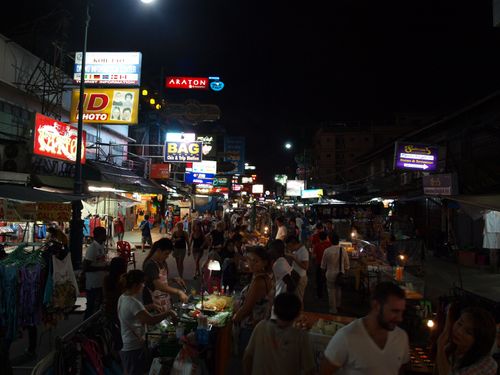
Bangkok’s backpacker carnival: curbside bars, live bands and DJs from 3pm–2am (midnight Sun). Street eats are cheap — pad thai 70–100 THB, mango sticky rice 60–100 THB. Come for wild people-watching; duck into Rambuttri for a calmer beer.
Rambuttri
Markets
Khao San’s calmer cousin: a tree‑shaded lane of VW van cocktail bars, open‑air foot massages, pad thai grills, and easygoing live bands. Best from sunset to 11pm; beers 80–120 THB, cocktails 150–220 THB. One block from the chaos, all the charm.
ร้านวิรัช
Shops
No-frills Thai shophouse turning out wok-fired rice plates and noodle soups at friendly prices. Order pad kra pao with a runny egg or a tom yum noodle bowl, then cool off with a sweet iced tea. Local crowd, fast service, easy on the wallet.
ทาชาเน่ แซ่บแอนด์ชิล
Bars
ตลาดโต้รุ่ง
Markets
Bangkok’s late-night street-food fix: moo ping skewers, pad thai off the wok, boat noodles, and 40–60 THB fruit shakes. Open till around 1am—perfect for a cheap refuel after Khao San.
Terminal 21 Pattaya
Shops
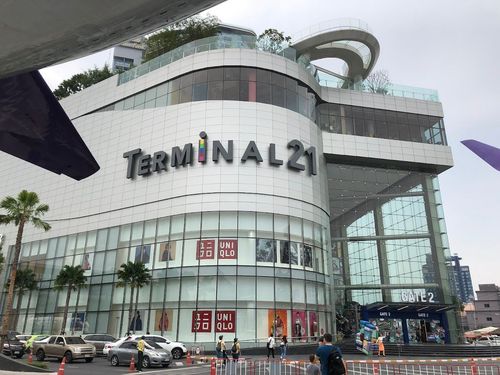
Airport‑themed mega‑mall by Dolphin Circle with city‑style photo ops, a bargain‑friendly Pier 21 food court (dishes ~40–70 THB), cafés, and an SF Cinema upstairs. Easy Baht‑bus hop for an air‑conned break from the beach, open daily from 11am.
7-Eleven
Shops
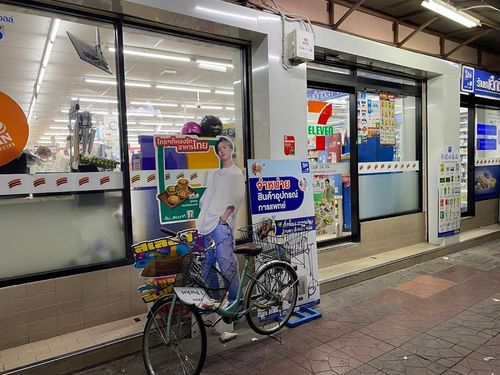
Khao San’s 24/7 reset button: ice‑cold A/C, ham‑cheese toasties, All Café iced lattes, water for 7–14 THB, and late‑night supplies from snacks to sunscreen—right by Rikka Inn.
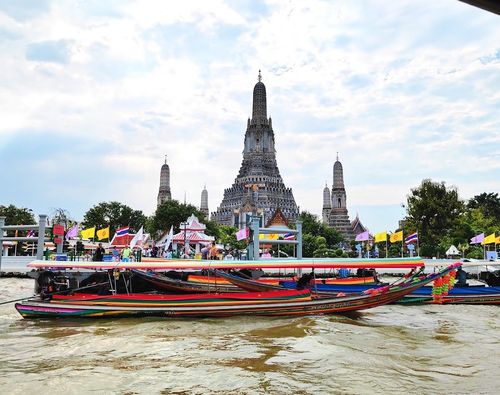
Chao Phraya Tourist Boat ICONSIAM Pier
Services
Hop on the blue‑flag tourist boat at ICONSIAM to cruise Wat Arun, Wat Pho, the Grand Palace and Chinatown. Day pass ~150 THB, boats every ~30 mins, last runs around 7:15pm. Easiest river launchpad via BTS Gold Line to Charoen Nakhon.
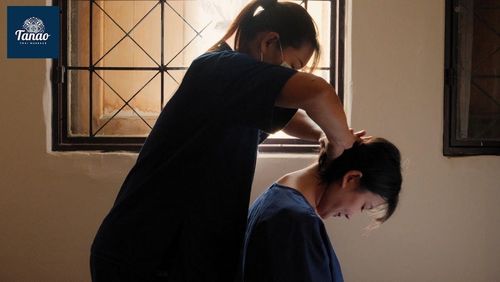
Tanao Thai Massage - ตะนาวนวดไทย (Certified by Ministry of Public Health)
Massage
Thai massage near Khao San.
Recommended Products
More Khao San Road Guides
- What to Pack for Thailand for Phone, Power, and Connectivity: SIMs, Chargers, Adapters, and Backup Battery Basics
- What to Pack for Thailand for Phone-Heavy Travelers: SIMs, Chargers, and Power Bank Setup
- Backpacker Packing List for Thailand’s Sim Card, Cashless Payment, and Connectivity Setup: What to Bring for Staying Online
- Backpacker Packing List for Thailand for Phone, Power, and Connectivity Essentials