
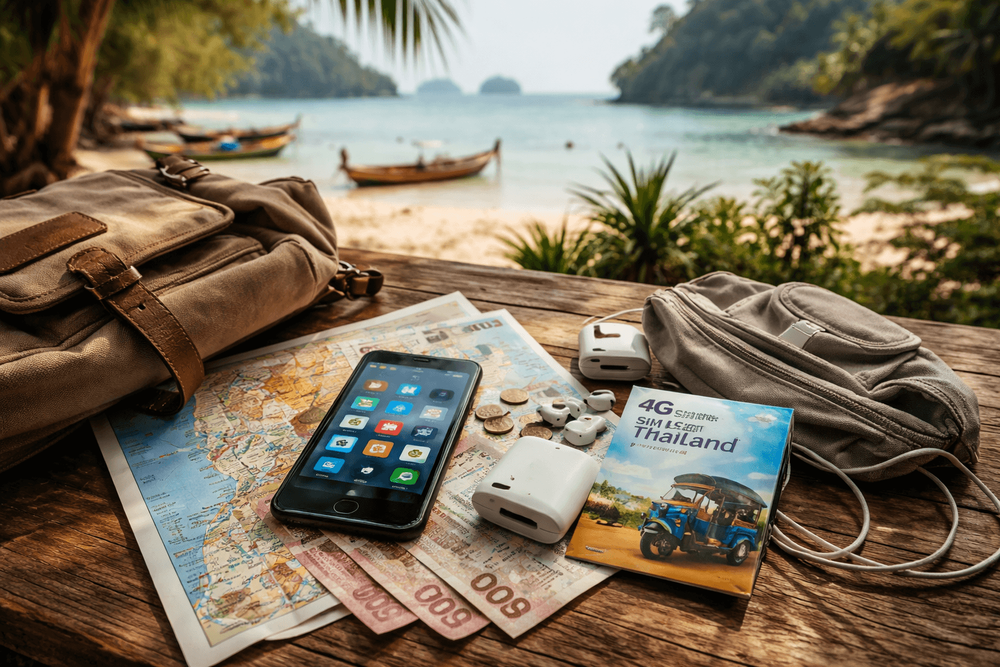
Backpacker Packing List for Thailand’s Sim Card, Cashless Payment, and Connectivity Setup: What to Bring for Staying Online
The Thailand connectivity packing list we actually use: eSIM vs SIM, chargers, power banks, adapters, and real-world tips for Bangkok, islands, and beyond.
We’re on Soi Rambuttri, the wok hiss is competing with the thump of bass from Khao San Road, and our phone’s at 7%. We duck into the blast of AC at 7‑Eleven, grab a bottle of water, a charging cable, and—because we came prepared with a Thailand connectivity packing list—we’re not panicking. SIM sorted, power bank juiced, maps downloaded, and we’re back on the street before the pad thai gets cold.
Thailand Connectivity Packing List: The Essentials
If you take one thing from this guide, let it be this: Thailand makes staying online easy if you show up with the right kit. Here’s the core loadout we actually carry.
- Unlocked smartphone with eSIM support: Dual-SIM is sanuk (fun) when you want a Thai data line plus your home number for OTPs. eSIMs mean no tiny tray to lose in a tuk‑tuk.
- Thai eSIM or prepaid SIM plan: Tourist eSIMs/SIMs from AIS, TrueMove H, and DTAC typically run 299–599 THB for 8–15 days of data (speed-capped “unlimited” or a generous high-speed bucket). Bring your passport for registration.
- SIM eject tool + tiny zip bag: If you go physical SIM, keep the pin and card somewhere you won’t fling into a khlong with your Chang bottle cap.
- Multi‑port USB charger (GaN 45–65W): One brick, many ports. Charge phone, earbuds, camera, and laptop from a single plug in that crowded hostel dorm.
- Cables: At least 2x USB‑C, 1x Lightning (if needed), and a short USB‑C to USB‑C for power banks. Toss in a spare—Bangkok eats cables.
- Power bank (10,000–20,000 mAh): 10k for day trips, 20k for ferries, sleeper trains, and island‑hop days. Airlines allow up to 100Wh (≈27,000 mAh) in carry‑on only.
- Universal adapter (with 2 USB ports if possible): Thailand’s voltage is 220V, 50Hz. Sockets usually accept Type A (flat) and Type C (round). If you’re coming with UK Type G or other plugs, bring an adapter.
- Short extension cord or travel power strip: Useful in older guesthouses with one hard-to-reach outlet.
- Waterproof pouch/dry bag: For Songkran, longtail splashes, and monsoon squalls. Phones don’t like the Gulf of Thailand.
- Laptop charger + surge protector: Afternoon thunder can flicker power in the islands; a compact surge protector helps.
- Camera gear: Extra battery and SD cards. Shooting temples at dawn? Battery drains faster in Bangkok’s heat.
- Travel router or portable Wi‑Fi hotspot (optional): Handy for couples/friends sharing one Thai data plan or for cameras/kindles without SIMs.
- Lightweight phone stand/tripod + Bluetooth shutter: For self‑shots at Golden Mount or by the Chao Phraya at Phra Athit Road without begging a stranger.
- Small VPN subscription (software, not hardware): For security on cafe Wi‑Fi and to access home banking cleanly.
Want a deeper dive on the SIM bit? What to Pack for Thailand for Sim Card, Money, and Phone Setup: Staying Connected Without Overpacking What to Pack for Thailand for Sim Card, Money, and Phone Setup: Staying Connected Without Overpacking.
How Mobile Data Actually Works in Thailand (Cities, Islands, Rural)
Thailand’s big three—AIS, TrueMove H, and DTAC—blanket the country with 4G/LTE. 5G is common in central Bangkok (think Siam, Silom, Asok, and Thong Lo) and spreading in Chiang Mai and Phuket. In practice:
- Bangkok: Speeds are snappy. You’ll upload that Wat Pho timelapse before your iced latte drips at Ari or Ekkamai. Underground MRT tunnels can dip; BTS platforms are fine.
- Islands: Koh Samui and Phuket are strong; Koh Phangan and Koh Tao mostly fine in villages and around piers, spottier on remote beaches and during island‑wide parties when the network groans. Koh Lipe is decent near Walking Street, weaker out by the far reefs.
- Rural north and Isaan: Along main highways and towns (Chiang Rai, Udon Thani), data’s solid. Venture into the mountains on the Mae Hong Son loop or national parks and expect drops—download maps first.
- Long travel days: Ferries and sleeper trains can be patchy. Newer trains have better coverage between larger stations; boats vary with distance from shore.
Tourist SIMs typically come with local call minutes you’ll rarely use unless you’re phoning a driver or calling your guesthouse in old‑school fashion. Hotspot/tethering usually works—handy if your laptop needs a quick upload from a cafe that’s more vibes than bandwidth.
Charging and Power: Keeping the Juice Flowing
Bangkok hums at 220V. Most hostels, cafes, and malls have outlets, but they’re not always where you want them. A few ground rules we live by:
- Charge overnight and top up at meals: If we stop for boat noodles near Victory Monument, we plug in. That 20‑minute slurp can add 30%.
- Bring a short extension: Vintage shophouse on Phra Athit Road with a single hidden socket? Your extension turns one outlet into a charging station.
- Know your plugs: Thailand’s sockets commonly accept Type A and C; some support grounded Type B. If you’re rocking UK three‑prong G or oddball plugs, pack a universal adapter.
- Respect the heat: Charging phones in a tuk‑tuk under midday sun near Grand Palace? They’ll throttle. Keep devices shaded.
- Transport power: Newer buses and some minivans add USB ports, but don’t bet your navigation on them. Same for ferries—sometimes there’s a power strip, sometimes just salty wind.
- Buy spares anywhere: 7‑Eleven and mini-marts sell cables (100–250 THB) and basic chargers. Malls like MBK Center or Fortune Town have every adapter under the sun.
What to Pack for Thailand for SIM Card, Connectivity, and Charging on the Road What to Pack for Thailand for SIM Card, Connectivity, and Charging on the Road.
Protecting Your Tech: Rain, Sand, and Street Life
- Waterproof and dustproof: A cheap dry bag is worth its weight in mango sticky rice on island days and Songkran (mid‑April) when Bangkok turns into a friendly water war.
- Screen and case: Between temple steps and night markets, devices take bumps. A rubberized case plus tempered glass is Bangkok‑proofing.
- Lockers and storage: Most hostels offer lockers; carry a small combo lock. On night trains, keep electronics close; we loop a cable lock through bag handles when we nap.
- Backups: Sync photos to cloud when you’re on strong Wi‑Fi (hotel mornings or co‑working spots). If clouds aren’t your thing, carry a tiny SSD.
- Security: Public Wi‑Fi at cafes on Soi Rambuttri is fine for maps; use a VPN for banking or bookings. Avoid public computers for anything sensitive.
Choosing the Right Setup by Trip Length and Style
There’s no single perfect kit; build your Thailand connectivity packing list around how you move.
- 3–5 day city sprint (Bangkok/Chiang Mai): eSIM with a 7–10 day plan (299–399 THB), one 10k mAh bank, multi‑port charger, two cables. Download offline maps of Bangkok and the BTS/MRT routes before landing at Suvarnabhumi.
- 2–3 week backpacker loop (Bangkok → Chiang Mai → Islands): 15‑day or 30‑day plan (399–699 THB), 20k mAh bank, extension cord. Add a dry bag for ferries and Songthaew splash zones.
- 1–3 months slow travel/digital nomad: 30‑day rolling packages, consider a local number for deliveries and co‑working signups. Add a 65W GaN charger and spare laptop charger if you’re working from cafes in Nimman or On Nut.
- Couples/friends: Either each get a SIM or share one big data plan and tether. If you’re photographing everything from Wat Arun sunsets to Chinatown street food, bring extra camera batteries.
- Budget‑watchers: Tourist plans are already cheap; you can go even leaner by snagging a thin data‑only add‑on and living on Wi‑Fi, but it’s a headache when you’re hailing a Grab near Democracy Monument.
Backpacker Packing List for Thailand: Gadgets, Chargers, and Power Bank Essentials Backpacker Packing List for Thailand: Gadgets, Chargers, and Power Bank Essentials.
Money, Payments, and Staying Reachable
- Cash vs cashless: Big malls, 7‑Elevens, and many cafes accept cards; street stalls and small family guesthouses prefer cash. Keep a bit of baht for markets and ferries (20–50 THB fares on local boats can be cash only). ATMs usually charge 220–250 THB per withdrawal.
- QR codes: You’ll see PromptPay QR everywhere, but it’s tied to Thai bank accounts. Some foreign wallets work at select merchants, but don’t rely on it; carry a card and cash backup.
- OTPs and banking: Keep your home SIM active (eSIM dual‑line helps) for two‑factor texts. Roaming voice/text often costs less than roaming data.
- Ride‑hailing: Grab runs Bangkok and most cities; data is essential for pickups on chaotic corners around Asok or Victory Monument.
- Bookings on the go: Many ferries, buses, and trains can be booked online now, but station counters still shine for last‑minute changes. Screenshots of tickets and QR codes save the day when the app times out in spotty coverage.
Common Mistakes to Avoid
- Relying on roaming: International data roaming bills can nuke a budget pad thai binge. Buy a local eSIM/SIM.
- Wrong plugs: Showing up with UK Type G only and no adapter is a facepalm moment. Pack a universal adapter.
- One cable to rule them all: Cables fail, and vendors love a markup at 2 AM. Bring spares.
- Dead power bank: Charge it before long ferries and overnight trains. Airlines ban power banks in checked bags—carry‑on only.
- No offline maps: BTS tunnels, rural valleys, and ferry crossings will humble your signal. Download Bangkok and island areas in Google Maps.
- Ignoring heat and water: Phones shut down in the sun and die in Songkran crossfire. Shade and waterproofing are your friends.
- Skipping registration docs: SIMs require your passport. A quick photo of your passport ID page speeds up kiosks at Suvarnabhumi or Don Mueang.
- Blind trust in cafe Wi‑Fi: Fine for memes; use a VPN for money moves.
Know Before You Pack
- Where to buy on arrival: In Bangkok, airport counters at Suvarnabhumi (BKK) and Don Mueang (DMK) sell tourist SIMs nearly 24/7. In town, MBK Center’s 4th floor and Fortune Town (Rama 9) are SIM and accessory wonderlands.
- Typical costs: 8–15 days of data is often 299–599 THB; 30‑day plans with big data buckets can run 499–899 THB. Top‑ups start around 50–100 THB. Plans change often, so treat these as ballpark.
- Registration: Thai law requires SIM registration with a passport. eSIMs bought online will still capture your passport info via upload.
- Voltage and adapters: 220V, 50Hz. Sockets generally fit Type A and C. A small power strip means you’re not elbowing a farang for the only wall plug in the dorm.
- Airlines and batteries: Power banks must be in carry‑on; under 100Wh is the common limit. Tape over exposed terminals of spare camera batteries.
- Rain cycles: From May to October, sudden squalls are normal. A zip‑top bag is the cheapest insurance you’ll ever buy.
If you like ticking boxes, our docs-and-essentials rundown complements this guide nicely: Smart Packing for Thailand: Medications, Toiletries, and Travel Documents Checklist.
Quick Bangkok Connectivity Notes (Because We’re Here Together)
- Khao San/Soi Rambuttri: Multiple 7‑Elevens and phone stalls handle SIM swaps and top‑ups till late. Cafe Wi‑Fi is everywhere; speeds vary with the crowd.
- Phra Athit Road: Chill riverside cafes with solid upload speeds for a quick story dump while the Chao Phraya Express boats grumble past.
- Siam/MBK: If you need a new charger, screen, or case, MBK’s maze has every brand and knockoff. Haggle with a smile—sawadee first.
- Fortune Town (Rama 9) and Pantip Plaza: IT fix‑it heaven. If your laptop charger dies, you’ll replace it here faster than you can say tom yum.
- Silom/Sathorn coworking: Business districts have dependable Wi‑Fi and plenty of outlets if you’re catching up on work before rooftop sundowners.
Condensed Packing Checklist (Copy, Paste, Pack)
- Unlocked phone with eSIM support + tourist eSIM/SIM
- SIM eject tool + tiny zip bag for cards
- Multi‑port GaN charger (45–65W)
- USB‑C x2, Lightning x1 (if needed), spare cables
- Power bank 10–20k mAh (carry‑on only for flights)
- Universal adapter + short extension/power strip
- Waterproof pouch/dry bag + zip‑top spares
- Laptop charger + compact surge protector
- Camera batteries, SD cards, small SSD backup
- Lightweight tripod/phone stand + Bluetooth shutter
- VPN app + offline map downloads
- Small combo lock + cable lock for trains
We’ll leave you with this: the best connectivity setup is the one that fades into the background so you can focus on the fun stuff. Get your Thailand connectivity packing list squared away, and tomorrow morning we’ll be chasing boat noodles by Victory Monument, hopping the Chao Phraya boat past Wat Arun, and sending smug photos to the group chat while your battery icon sits pretty at 83%.
Related Hotels & Places
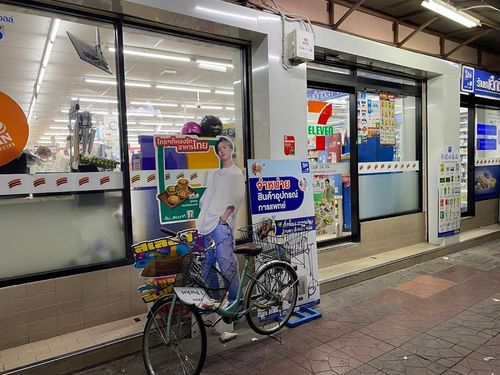
7-Eleven
Shops
Khao San’s 24/7 reset button: ice‑cold A/C, ham‑cheese toasties, All Café iced lattes, water for 7–14 THB, and late‑night supplies from snacks to sunscreen—right by Rikka Inn.
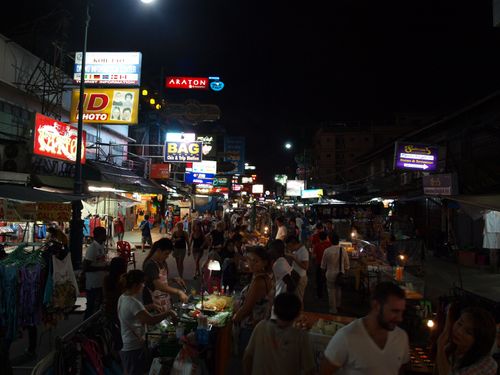
Khao San Road
Attractions
Bangkok’s backpacker carnival: curbside bars, live bands and DJs from 3pm–2am (midnight Sun). Street eats are cheap — pad thai 70–100 THB, mango sticky rice 60–100 THB. Come for wild people-watching; duck into Rambuttri for a calmer beer.
Koh Lipe
Attractions
More Khao San Road Guides
- Backpacker Packing List for Thailand for Phone, Power, and Connectivity Essentials
- Thailand Electronics Packing List: Adapters, Power Banks, and SIM Gear
- What to Pack for Thailand for SIM Card, Connectivity, and Charging on the Road
- Backpacker Packing List for Thailand with Electronics: Adapters, Chargers, Power Banks, and Device Protection