
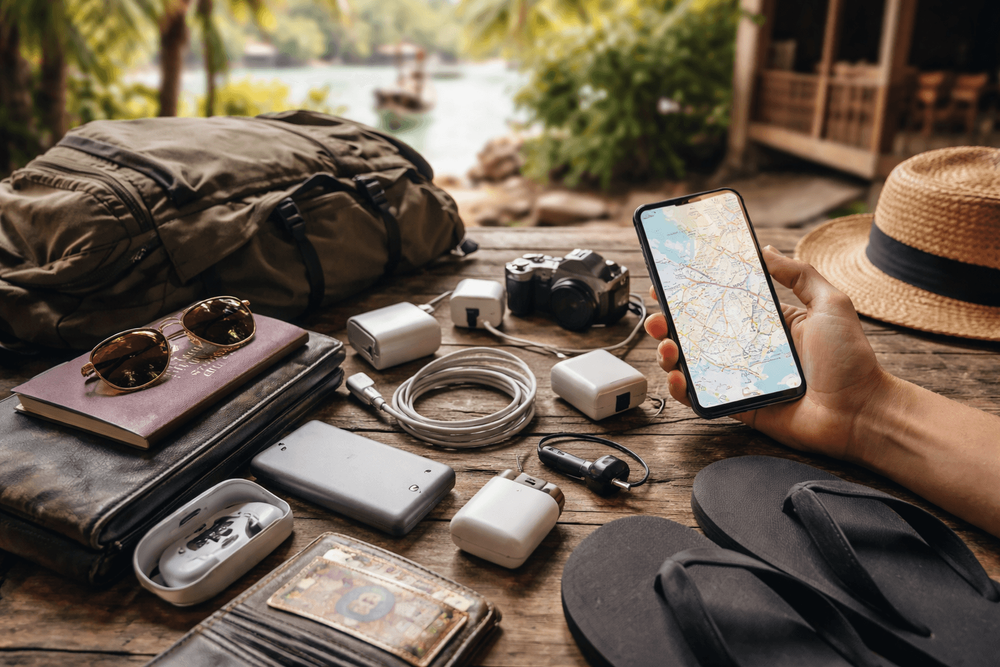
Backpacker Packing List for Thailand for Phone-First Travel: Navigation, Payments, and Backup Power Basics
Your Thailand phone travel packing list for power, data, and apps—so you can navigate, pay, and post from Khao San to Koh Tao without battery panic.
We step off the Chao Phraya Express at Chao Phraya Tourist Boat N13 Phra Arthit Pier, sunset catching the temple spires, and our phone is gasping at 3%. The tuk-tuk uncle flashes a grin, neon signs hum to life on Khao San Road, and the siren call of pad thai on Rambuttri is strong. This is where a solid Thailand phone travel packing list saves the night—charger ready, data humming, map queued, and a translation app that won’t bail when the wok starts to sing.
Below is our no-nonsense, slightly obsessive, totally field-tested guide to keeping your phone alive, connected, and useful from Bangkok’s alleys to southern islands.
Know Before You Go: Quick Phone Specs for Thailand
- Power: 220V, 50Hz. Sockets mostly accept two flat (Type A) or two round (Type C) prongs. Grounded three-pin isn’t guaranteed.
- Networks: Excellent 4G/5G in cities (Bangkok, Chiang Mai, Phuket), solid along highways, variable on remote islands and in the mountains.
- Payments: Cards and contactless common in malls, 7-Eleven, BTS stations, and cafes. Street food and markets are still mostly cash. Thai QR (PromptPay) is everywhere but usually needs a Thai bank app.
- Weather: Heat, humidity, sudden monsoon downpours—and Songkran in April, when your phone becomes a splash target.
Essential phone gear for Thailand travel
If we could only pack one thing, it’d be a sturdy power bank. But let’s do this properly.
The charging core
- Multi-port GaN wall charger (at least 35–65W): One brick to rule phone, tablet, and camera. GaN stays cooler in Bangkok heat.
- Plug adapter: A slim universal adapter with surge protection. Thai sockets often take your flat US plug, but don’t count on it—especially in older guesthouses off Phra Athit Road. For a deeper dive on plugs and wattage, see our walkthrough: Backpacker Thailand Electronics: Adapters, Chargers, Power Banks.
- Power bank: 10,000–20,000 mAh, PD-capable (USB‑C). Keep it under airline limits (below 100 Wh is the safe bet) and carry-on only. We like PD because it tops you up during a short BTS ride from Siam to Saphan Taksin.
- Cables: Two USB‑C to C, one C to Lightning (if needed), plus a short 30 cm lead for on-the-go. A 3‑in‑1 emergency cable earns its keep on overnight buses when everyone wants a sip of your battery.
Tip: We’ve got a focused checklist just for juice—chargers, cables, and power banks—right here: Backpacker Packing List for Thailand: Phone Charging Essentials.
Protection and carry
- Waterproof phone pouch: 100–200 THB on Khao San Road stalls; clutch during boat rides to Wat Arun Ratchawararam Ratchawaramahawihan and island longtails. Touchscreen works through plastic; photos will still look fine.
- Rugged case + tempered glass: Bangkok sidewalks are uneven, and a slippery phone over Sanam Luang isn’t sanuk.
- Dry bag or zip‑top bag: Humidity and sudden squalls around Chatuchak Market are no joke.
- Sling or crossbody with zipped pocket: Less fumbling on moto taxis, fewer snatch opportunities when we’re rubbernecking near the Grand Palace.
- Carabiner or lanyard: Clip the pouch to your bag during Songkran so the farang fumble doesn’t become a sidewalk show.
Little lifesavers
- SIM pin (or paperclip): Don’t rely on front-desk scissors.
- Microfiber cloth + silica gel pack: Fog and sweat are constant companions.
- Spare microSD (if your phone supports it): Great for photos and offline maps.
Recommended apps and digital tools for navigation, translation, ride-hailing, messaging, banking, and planning
We love winging it—but we wing it with a tidy home screen.
Navigation and getting around
- Google Maps + Offline areas: Download Bangkok, Chiang Mai, and your island of choice. In Bangkok, alley logic (sois) sometimes confuses the app; glance at satellite view in the Old Town maze near the Golden Mount.
- ViaBus: Live-ish bus locations and routes; perfect for cheap hops along Phra Athit and Ratchadamnoen Contemporary Art Center.
- Grab and Bolt: Ride-hailing for taxis and cars. Bolt is often a bit cheaper; Grab tends to have more drivers at 2 AM when Khao San is thumping. Always check ETA and price.
- Bangkok MRT/BTS apps: Timetables, station maps, service alerts. Saves us from sprinting down the wrong stairs at Asok.
Language and communication
- Google Translate: Download Thai. Camera mode reads menus on Soi Rambuttri; voice works well for addresses. Learn a few basics—sawadee (hello), kop khun (thanks), and mai phet (not spicy) go far.
- LINE: Thailand’s go-to for messaging. Many guesthouses, dive shops, and tour operators prefer it over email.
Money and logistics
- Banking apps + travel cards: Enable app-based 2FA before flying. Set low transaction alerts so a rogue tuk-tuk fare doesn’t slip by.
- Currency converter: Quick math when a boat driver quotes a price to Koh Phi Phi that feels… optimistic.
- Notes/photos: Snap your passport info page, visa stamp, and Thai SIM packaging (for the number). Keep a PDF copy of travel insurance in your cloud.
SIM card, eSIM, and mobile data options in Thailand
We’ve tried them all—airport kiosks, eSIMs zapped mid-air, and 7‑Eleven top‑ups at midnight on Phra Athit.
Tourist SIMs at the airport
- Providers: AIS, dtac, TrueMove H
- What you get: Prepaid bundles like 8–15 days of “unlimited” data (usually high-speed up to a cap, then throttled), local call minutes, and hotspot allowance.
- Price: Roughly 199–599 THB depending on duration and speed cap. Airport deals are convenient; city shops can be a touch cheaper.
- Setup: Staff activate and fit the SIM, add APN settings if needed, and you’re online before your taxi meter hits the first toll.
eSIMs
- How it works: Buy online, scan a QR, and land connected. Keep your home number active on the physical SIM for OTPs.
- Pros: No hunting for kiosks, instant swap between plans, fewer tiny plastic bits.
- Cons: Some plans throttle hotspot; island coverage varies by carrier—check user reviews.
Coverage and performance
- Cities: Fast 4G/5G almost everywhere—upload that pad kra pao from MBK’s food court without sweating.
- Islands: Koh Tao and Railay can have patchy spots. Koh Samui and Phuket are better covered. Expect dips in the khlong-side neighborhoods and inside concrete shophouses.
- Mountains: Northern loops (Mae Hong Son) can drop to 3G in valleys—download playlists beforehand.
Topping up and managing your plan
- 7‑Eleven, FamilyMart, and street booths can top up in 50–200 THB chunks. Keep the receipt until the balance shows.
- Download your provider’s app for checking data and buying add-ons.
- Need the whole phone-setup playbook? We break it down here: What to Pack for Thailand for Sim Card, Money, and Phone Setup.
Hotspotting and sharing
- Hotspot works fine on most SIMs; heavy use might hit speed caps. Perfect for getting a friend’s laptop online at a cafe on Samsen Road while we pregame an overnight bus south.
Phone safety and security for travel: waterproofing, theft prevention, backups, and roaming precautions
Bangkok is friendly, but any big city has opportunists—especially where farang wander, phones out, eyes up.
Keep it dry, keep it cool
- Rain: A 60‑second squall on the river can end a phone. Waterproof pouch ready whenever we board a longtail or cross the river to Wat Arun.
- Heat: Don’t leave your phone sunbathing at a rooftop bar near Ratchadamnoen. Shade it, and give it breaks from GPS-heavy tasks.
Anti-theft habits
- Street smarts: Don’t use your phone on the curb with traffic to your back—snatch-and-ride happens. Tuck inward along Khao San and Sathorn pavements.
- Tuk-tuks and motos: Keep the phone hand inside the cab. One-handed videos are an invitation.
- Night outs: Zipped pockets, sling in front, and AirTag/Tracker in your day bag.
Digital hygiene
- Backups: Turn on iCloud or Google Photos backups over Wi‑Fi. If you shoot video of Muay Thai at Rajadamnern, it’s a lot of data—sync at your guesthouse.
- Find My / Find My Device: Enabled, with a friend set as a recovery contact.
- Lockdown: Set a strong passcode. Disable lock-screen previews for banking and OTPs.
- IMEI note: Jot it down in your notes. If the worst happens, you’ll need it for police and your insurer.
Roaming gotchas
- Dual SIM strategy: Use eSIM for Thai data; keep your home SIM active for texts on Wi‑Fi only to dodge surprise bills.
- Turn off data roaming on your home line. One background app can cost more than a Chao Phraya dinner cruise.
Payments reality check
- Apple Pay/Google Pay: Works in many chains—7‑Eleven, malls, some BTS gates—plus mid-range cafes in Ari and Thong Lo. Street carts? Almost always cash.
- PromptPay QR: Ubiquitous but usually for Thai bank accounts. Don’t bank on paying QR without a local account.
- Carry a backup card + a stash of small bills. We keep 20s and 50s ready for boats and buses. For smart carry options and theft-proofing your wallet, this helps: Thailand Backpacker Packing List for Carrying Cash, Cards, and Travel Security.
Thailand phone travel packing list: practical packing tips for islands, cities, buses, flights, and long days
This is how we keep the screen bright from dawn temple crawls to 2 AM mango sticky rice runs.
Islands and boats
- Dry bag hierarchy: Phone in waterproof pouch, pouch in sling, sling in dry bag on longtail crossings. Double up for Songkran week.
- Salt and sand: Rinse the pouch after the beach; salt crystals chew zippers and seizes clips.
- Offline everything: Maps of your island, your guesthouse pin, ferry e-tickets, and a saved photo of the pier timetable.
City sprints (Bangkok, Chiang Mai)
- Cable + mini power bank in a quick-grab pocket. BTS platforms and MRT tunnels drain batteries like a rooftop fan on max.
- Meeting points: Drop a pin near landmarks with shade—like the giant swing in front of Wat Suthat Thepwararam Ratchaworamahawihan—so you’re not roasting while hunting each other.
- Ride-hail sanity: Share trip status within the app. Check the plate, and sit behind the driver if solo.
Buses and trains
- Overnight buses: USB ports aren’t guaranteed and sometimes trickle-charge only. Start at 100%, keep your own power bank handy.
- Trains: Newer SRT sets have outlets; older carriages do not. Earplugs for the rattle, cable for the charge.
- Keep your phone in airplane mode in dead zones to save battery. Download a podcast before rolling through rice fields.
Flights
- Power banks in carry-on only; never checked. Most airlines cap at 100 Wh without approval. 10k–20k mAh is the sweet spot.
- Turn off Bluetooth trackers when asked—Thai security will flag beeping bags faster than you can say khop khun.
Markets and mega-malls
- Chatuchak weekend market: Mark your gate, save your parking section photo if you bus in, and pop a location share in the group chat.
- Siam malls: Solid signal, easy Apple/Google Pay, and free Wi‑Fi when you need a cool-down and a cloud backup.
Daily routine that saves us
- Morning: Top up to 100% while you shower. Pack charger, short cable, and power bank.
- Midday: Airplane mode in museums and temples if you’re photo-only; switch off background data.
- Night: Back up on guesthouse Wi‑Fi, clear cache, and check tomorrow’s offline maps.
The compact checklist
- Phone with rugged case + tempered glass
- Waterproof pouch + sling/carabiner
- GaN wall charger (2+ ports) + universal adapter
- 10k–20k mAh PD power bank (carry-on)
- 2x USB‑C cables + 1 short cable (+ Lightning if needed)
- SIM/eSIM set up; provider app installed; ID photo saved
- Offline maps, Translate (Thai), travel docs in cloud + local copies
- Small cash stash for boats, buses, and late-night noodles
If you’re still tuning your kit, our broader electronics rundown pairs nicely with this: Backpacker Thailand Electronics: Adapters, Chargers, Power Banks. And for phone-specific charging gear, tap this focused guide: Backpacker Packing List for Thailand: Phone Charging Essentials.
Anker PowerCore 10000 Portable Charger
Final word from the soi
Bangkok rewards the prepared. With this Thailand phone travel packing list dialed in—SIM live, battery topped, apps at the ready—we glide from the Golden Mount steps to a river ferry, detour for late-night moo ping smoke on Rambuttri, and drop into blissful AC at 7‑Eleven when the heat wins. Keep your phone dry, charged, and street-smart, and we’ll always find the next bowl of boat noodles together.
Related Hotels & Places
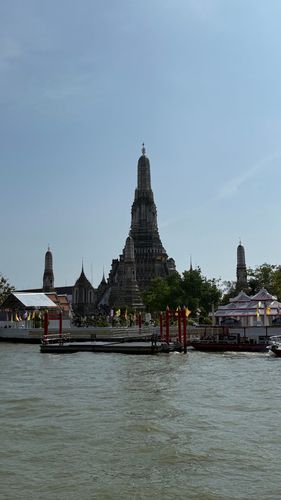
Chao Phraya Tourist Boat N13 Phra Arthit Pier
Services
Khao San's river gateway. N13 Phra Arthit is the Chao Phraya Tourist Boat stop: grab a day pass and hop to Wat Arun, the Grand Palace and Sathorn. Boats every ~30 mins; last around 7:15pm. The scenic, no-traffic way to get around.
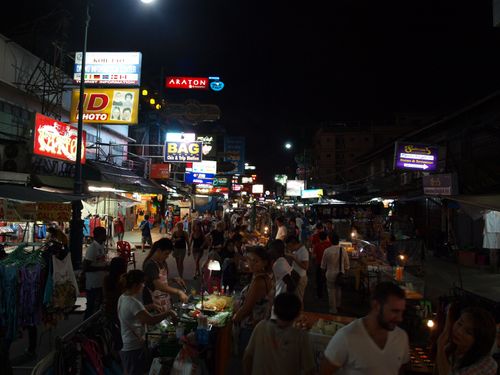
Khao San Road
Attractions
Bangkok’s backpacker carnival: curbside bars, live bands and DJs from 3pm–2am (midnight Sun). Street eats are cheap — pad thai 70–100 THB, mango sticky rice 60–100 THB. Come for wild people-watching; duck into Rambuttri for a calmer beer.
Rambuttri
Markets
Khao San’s calmer cousin: a tree‑shaded lane of VW van cocktail bars, open‑air foot massages, pad thai grills, and easygoing live bands. Best from sunset to 11pm; beers 80–120 THB, cocktails 150–220 THB. One block from the chaos, all the charm.
Wat Arun Ratchawararam Ratchawaramahawihan
Temples
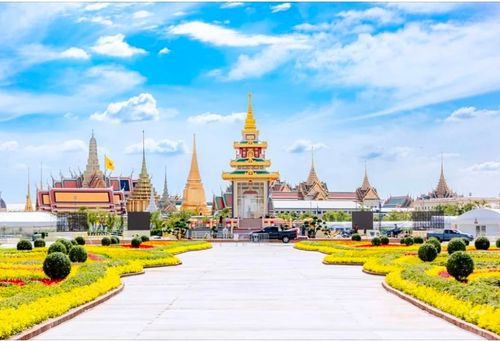
Sanam Luang
Attractions
Bangkok’s royal lawn facing the Grand Palace. Free to wander, ringed by tamarind trees, popular for kite flying (Feb–Apr) and lazy green‑space hangs. A 10‑minute walk from Khao San; come early for soft light and street snacks along Na Phra That Rd.
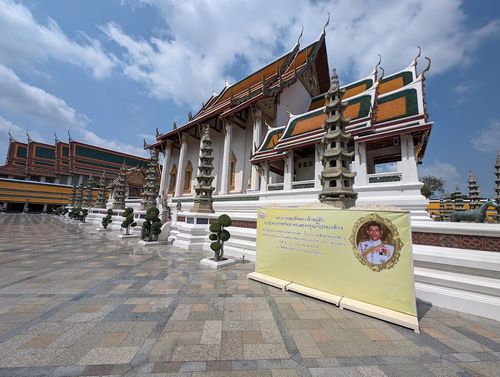
Wat Suthat Thepwararam Ratchaworamahawihan
Temples
Serene counterpart to the Giant Swing: a soaring hall, Sukhothai‑era 8 m bronze Buddha, and some of Bangkok’s finest murals. An easy 15‑minute walk from Khao San; open daily till 8pm for golden‑hour visits.
Ratchadamnoen Contemporary Art Center
Attractions
Serious contemporary art next to Democracy Monument. Free entry, air‑con galleries over three floors with rotating Thai shows, from installations to photography. Open 10am–7pm Tue–Sun; an easy walk from Khao San.
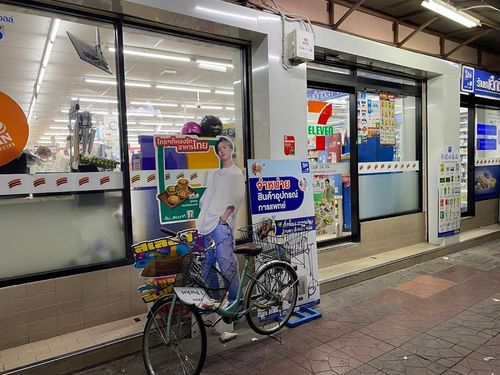
7-Eleven
Shops
Khao San’s 24/7 reset button: ice‑cold A/C, ham‑cheese toasties, All Café iced lattes, water for 7–14 THB, and late‑night supplies from snacks to sunscreen—right by Rikka Inn.
Recommended Products
More Khao San Road Guides
- Backpacker Packing List for Thailand for Phone, Power, and Connectivity Essentials
- Backpacker Packing List for Thailand: Gadgets, Chargers, and Power Bank Essentials
- Backpacker Packing List for Thailand with Electronics: Adapters, Chargers, Power Banks, and Device Protection
- Backpacker Packing List for Thailand: Safety and Security Essentials for Solo Travelers