
Bangkok to Chiang Mai by Train: Night Sleeper vs Day Train, Tickets, and What to Expect
Sleep north or watch the scenery: your guide to Bangkok to Chiang Mai by train—times, prices, tickets, and tips for a smooth, scenic ride.
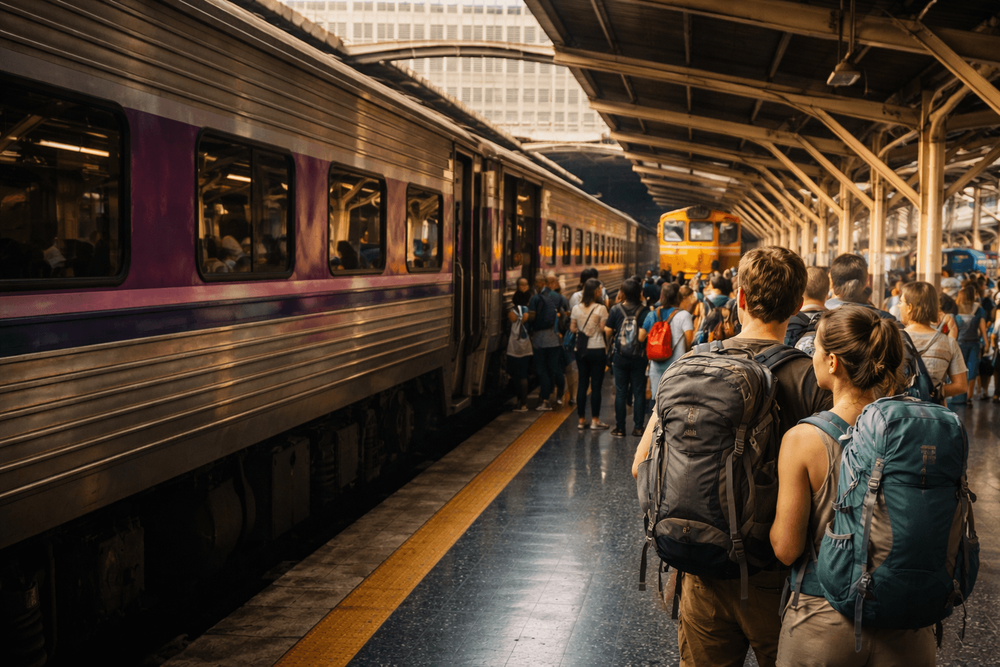
We’re standing under the high, echoing roof of Krung Thep Aphiwat, the new Bang Sue Grand—cool air rolling over us like mercy after the Bangkok heat. A vendor somewhere is grilling moo ping, and the sweet char drifts in when the doors slide open. Our bags are light, our snacks are heavy (because we know better), and we’re about to do Bangkok to Chiang Mai by train the right way—slow, scenic, sanuk.
Main Train Options for Bangkok to Chiang Mai by Train
You’ve basically got two flavors—daytime and overnight—on Thailand’s Northern Line. Both run the same classic route through Ayutthaya, Lopburi, Phitsanulok, Lampang, and Lamphun before easing into Chiang Mai. Same rails, totally different vibe.
Overnight sleepers (the classic): The most popular way to go north. Board after dinner, sleep to the rhythm of the rails, wake up somewhere near Lampang with mist on the hills. Carriages range from new air-con sleepers with hotel-clean linens to older but totally fine sets. If you want a deep dive into berths, bedding, and which carriage has sockets where, we’ve put the details here: Bangkok to Chiang Mai by Night Train: Sleeper Classes, Booking Tips, and What to Expect.
Day trains (for views and snacks): Settle into a seat with actual scenery—rice paddies, khlongs, water buffalos, mountains rolling in after Lampang. These are air-con reserved seats with trolley service and the occasional dining car. For train nerds and photographers, the day train is the move. More on specific routes and classes: Bangkok to Chiang Mai by Day Train: Routes, Classes, Travel Time, and What to Expect.
Both options are affordable, social, and far more relaxed than a cramped overnight bus. And unlike flying, you’ll actually feel Thailand changing under the wheels.
Journey Time, Stations, and What the Ride Is Like
Journey time: Plan on 10.5–13 hours, depending on the train, track works, and the rail gods. Day trains skew closer to 10.5–11.5 hours. Overnight sleepers hover around 11–12.5. Delays of 30–60 minutes aren’t unusual; build in a buffer if you’ve got onward plans.
Departure in Bangkok: Long-distance services for Chiang Mai depart from Krung Thep Aphiwat Central Terminal (Bang Sue Grand). Older guides may still say Hua Lamphong; most intercity trains have moved. Always check your ticket for the correct station and platform.
Arrival in Chiang Mai: All trains roll into Chiang Mai Railway Station (on Rotfai Road), about 2–3 km east of the Old City. Songthaews (shared red trucks) congregate outside—expect 40–80 THB per person to the moat, a bit more to Nimman. Tuk-tuks and Grab are quick and easy, too.
The ride itself: By day, we watch saffron-robed monks waiting at tiny platforms and feel our phone signal blink in and out as we push north. Between Lampang and Lamphun, the mountains tighten and we nose through Khun Tan Tunnel—the longest in Thailand—like a farang kid in a candy store. By night, the carriage lights dim, berths click into place, and the soft sway of the train does the rest. The AC hums; the curtain is your cocoon. Somewhere between a lullaby and a massage chair.
Vibes: Expect a mix of Thai families, students, off-duty soldiers, and travelers swapping tips about Khao San bars. It’s friendly. Guard your valuables like you would anywhere, but the atmosphere is more community train than free-for-all.
Ticket Classes, Prices, and How to Book in Advance
Classes and comfort vary, but you’ll find these usual suspects:
First Class Sleeper (air-con, 2-berth private cabins): Your own lockable room, two bunks (upper/lower), a small table, mirrors, hooks, luggage space. Some trains offer adjoining doors for families. Expect 1,600–2,100 THB per bed, with lower berths slightly pricier.
Second Class Sleeper AC (open-plan, curtained berths): The sweet spot for value. By day, it’s face-to-face seats; at night, an attendant flips them into lower and upper bunks with fresh sheets, pillow, and blanket. Lower is wider and a touch warmer; upper is cooler and cheaper. Expect around 850–1,100 THB (lower ~100 THB more than upper).
Second Class Seat (AC or fan): Reclining seats, good for day trains if you’re not precious about legroom. Think airplane seat with better snacks. About 500–800 THB depending on train and AC.
Third Class Seat (fan): Wooden or basic padded seats, windows that open, full Thai train soundtrack. Cheapest at roughly 250–400 THB. We love it for short hops; 12 hours is for the truly zen.
Note: Exact fares vary by train type and season. Lower berths cost a bit more; newer carriages price higher than older sets.
Booking methods:
Online via SRT’s official D-Ticket system (website/app): Easy, English-friendly, and you’ll get an e-ticket with a QR code. Booking typically opens about 30 days before departure; sleeper berths on popular dates can vanish fast. Have your passport details handy.
Station ticket counters: Krung Thep Aphiwat has a phalanx of windows and helpful staff. Bring your passport or a clear photo of it. You can ask to be near friends, choose upper/lower if available, and pay cash or card.
Reputable travel agencies: Useful if you’re juggling a group or want someone else to sweat the details. Expect a small service fee.
We’ve broken down sleeper choices and timing strategy more deeply here: Bangkok to Chiang Mai by Train: Sleeper Classes, Timings, and Booking Tips.
When to book: For Thai holidays (Songkran in April, New Year, and Loy Krathong in Nov), book as early as you can. For random weekdays, you can often score a berth a few days out—though first class sells out first, then lower berths.
Practical Tips: Comfort, Baggage, Food, and Sleeping
Pick your perch: If you’re tall or run cold, grab a lower berth in 2nd class sleeper—wider bed, easier to climb into, and a fraction warmer. Upper berths are slightly cheaper and feel more tucked away.
Temperature games: AC cars can be chilly. Pack a light sweater or scarf; the provided blanket is decent but thin. On day trains, the sun through the glass is a slow rotisserie—sunscreen helps.
Noise and light: Bring earplugs and an eye mask. The carriage never goes fully dark, and someone will always be whisper-laughing at 2 AM.
Power and Wi‑Fi: Newer sleepers usually have sockets; not every seat gets one. Charge up at the station, bring a power bank, and download your playlists before departure. Don’t bank on onboard Wi‑Fi.
Toilets: You’ll usually find both Western and squat toilets in each carriage. They’re cleaned, but not spa-clean—bring tissues and hand gel.
Luggage: Overhead racks fit standard backpacks and smaller suitcases. Big bags can ride on rack ends or in the cabin if you’re in 1st class. Use a light cable lock for peace of mind and keep passports/valuables on you.
Food and drink: Some trains have a dining car; others run trolley service to your seat with rice dishes, instant noodles, and drinks at fair prices (think 40–120 THB per dish). We still stock up at 7‑Eleven before boarding—the blast of AC alone is worth the trip—and bring fruit, water, and a guilty-pleasure snack. Alcohol is officially a no on Thai trains.
Station snacks: At Krung Thep Aphiwat, there’s everything from coffee stands to basic food courts. If you’re staying around Banglamphu (Soi Rambuttri, Chao Phraya Tourist Boat N13 Phra Arthit Pier), we like grabbing a last bowl of boat noodles near Phra Sumen Fort before flagging a taxi.
Safety: Petty theft is rare but possible. Keep your daypack clipped or under your head as a pillow. Don’t leave phones on charge in the corridor.
Sleeping sanity: Staff convert berths around 8–9 PM and flip them back early. If you want more sleep, keep your curtain closed and pillow over your ear while the carriage wakes up.
Getting to the Right Station (and Away on Arrival)
From Khao San Road/Soi Rambuttri to Krung Thep Aphiwat: No direct BTS/MRT from Khao San, so we usually grab a metered taxi or a Grab car. Depending on traffic, budget 25–45 minutes and 120–220 THB. If you’re mixing it up, take a short taxi to MRT Sam Yot or Sanam Chai, then ride the Blue Line straight to Bang Sue station (BL11). Follow the signs for the big, gleaming terminal.
From Sukhumvit/Silom: BTS to Asok or Sala Daeng, connect to MRT Sukhumvit/Sala Daeng, then Blue Line to Bang Sue.
Night boarding tip: Give yourself 30 minutes at the station to find your platform, grab water, and enjoy the people-watching. The board announcements are in Thai and English.
Arriving Chiang Mai: Outside the station, songthaews line up. Tell the driver “Tha Phae Gate” or your soi; expect 40–80 THB per person to the Old City, 80–120 THB to Nimman. For privacy or off-hours, Grab runs 100–200 THB depending on time and traffic.
If you’re planning the whole northbound journey—train up, fly back or vice versa—this comparison is handy: Bangkok to Chiang Mai by Train vs Bus vs Flight: Which Trip Is Best for Your Budget and Schedule?.
Choosing the Best Train for Your Budget and Schedule
We’re on a budget and want a story: Second class AC sleeper, upper berth. It’s the quintessential Thailand rail experience without draining the satang. You’ll meet people in the corridor, watch stations slide by, and sleep surprisingly well.
We want privacy and a real lie‑flat: First class sleeper. Book early—these cabins go first. Perfect for couples, light sleepers, or anyone who likes a door that locks.
We want scenery and snacks: Day train with 2nd class AC seats. Pack a lunch from a Bangkok food court, claim the window, and watch the country flipbook north to south. You’ll roll into Chiang Mai before dinner, just in time for khao soi and a mango smoothie.
We’ve only got a night to spare: Overnight sleeper is efficient—you “save” a night of lodging and arrive close to check‑in time. The sunrise between Lampang and Lamphun is a quiet kind of magic.
We get motion sick: Choose a lower berth (less sway) or a forward-facing day train seat. Bring ginger candies or tablets.
We’re traveling with kids: First class keeps everyone contained; otherwise, second class lower + upper combo works well. Trains are family-friendly—lots of built-in leg-stretching at station stops.
When the Train Makes Sense vs Flying or the Bus
Train vs flight: Flights take about 1h15 in the air, but add airport transfers, check-in, security, and you’re easily at 4–5 hours door-to-door. The train trades speed for atmosphere, costs less than most last-minute airfares, and lets you skip baggage drama. If your schedule is tight and fares are cheap, fly; if you want the journey, ride.
Train vs bus: Buses can be quicker on a good night (9–11 hours) and run frequently, with VIP recliners and blankets. But bathrooms are limited, motion can be rough in the hills, and it’s harder to sleep than in a flat-ish berth. The train wins on comfort and charm; buses can win on price and availability.
If you’re still torn, we’ve laid out the trade-offs here: Bangkok to Chiang Mai by Train vs Bus vs Flight: Which Trip Is Best for Your Budget and Schedule?.
Know Before You Go: Booking Windows, Holidays, and Little Gotchas
Booking window: Expect online sales to open roughly 30 days out. Holiday surges sell out within hours, especially first class and lower berths.
Seat/berth selection: On many trains, you can choose upper/lower at booking. If you care where you’re sleeping, don’t leave it to the counter lottery.
Paper vs phone tickets: E‑tickets on your phone are fine. Keep your passport handy—conductors sometimes check IDs against names.
Luggage rules: Thailand’s trains are pretty chill. Be considerate with giant suitcases and keep aisles clear.
Etiquette: A friendly “sawadee” goes far. Keep voices low after lights down. Shoes off on bunks; feet away from pillows.
Smoking and drinking: The train is non-smoking; fines apply. Alcohol is officially prohibited onboard.
Delays happen: Don’t stack tight connections in Chiang Mai. Treat the schedule as intention, not gospel.
A Sample Timeline That Actually Works
Afternoon in Bangkok: Nap off the heat on Soi Rambuttri, then slurp a bowl of boat noodles near Phra Athit. Quick taxi to MRT Sam Yot, Blue Line to Bang Sue, glide into Krung Thep Aphiwat.
Evening: Board the sleeper, stake your berth, stow your bag. One last 7‑Eleven raid for water and a cheeky choco pie. Train rolls out; city lights dissolve.
Dawn: Curtains open on jade rice fields. Coffee from the trolley, a sticky rice packet you impulse-bought last night, and then—mountains. Roll into Chiang Mai ready to dump your bags and chase the best khao soi within walking distance of the moat.
Final Word from the Rails
We ride this line because it feels like Thailand—woks hissing on platforms, families sharing snacks, monks slipping aboard with soft smiles, the country unfolding one wooden sleeper at a time. Take the night train if you want to trade a hotel bed for a rolling one; take the day train if you want the views. Either way, Bangkok to Chiang Mai by train is the rare travel choice that’s both practical and a little bit romantic. We’ll save you a lower berth if we can.
Related Hotels & Places
Phra Sumen Fort
Attractions
1783 riverfront fort on Phra Athit with white battlements, park breezes, and killer sunset views over Rama VIII Bridge. Free entry; best from 5–7pm before the gates close at 9pm.
Chao Phraya Tourist Boat N13 Phra Arthit Pier
Services
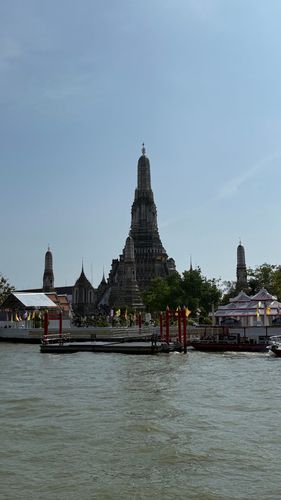
Khao San's river gateway. N13 Phra Arthit is the Chao Phraya Tourist Boat stop: grab a day pass and hop to Wat Arun, the Grand Palace and Sathorn. Boats every ~30 mins; last around 7:15pm. The scenic, no-traffic way to get around.
More Khao San Road Guides
- Bangkok to Chiang Mai by Train: Sleeper vs Day Train, Fares, and Booking Tips
- Bangkok to Chiang Mai by Night Train vs Day Train: Which Rail Option Is Better for Your Trip?
- Bangkok to Chiang Mai by Sleeper Train: Is the Overnight Ride Worth It?
- Bangkok to Chiang Mai by Overnight Train: Which Class, Route, and Booking Method Is Best?