
Bangkok to Chiang Mai by Overnight Train: Which Class, Route, and Booking Method Is Best?
Ride the Bangkok to Chiang Mai overnight train like a pro—classes, berths, realistic prices, booking tips, what to pack, and how it stacks up vs bus or flight.
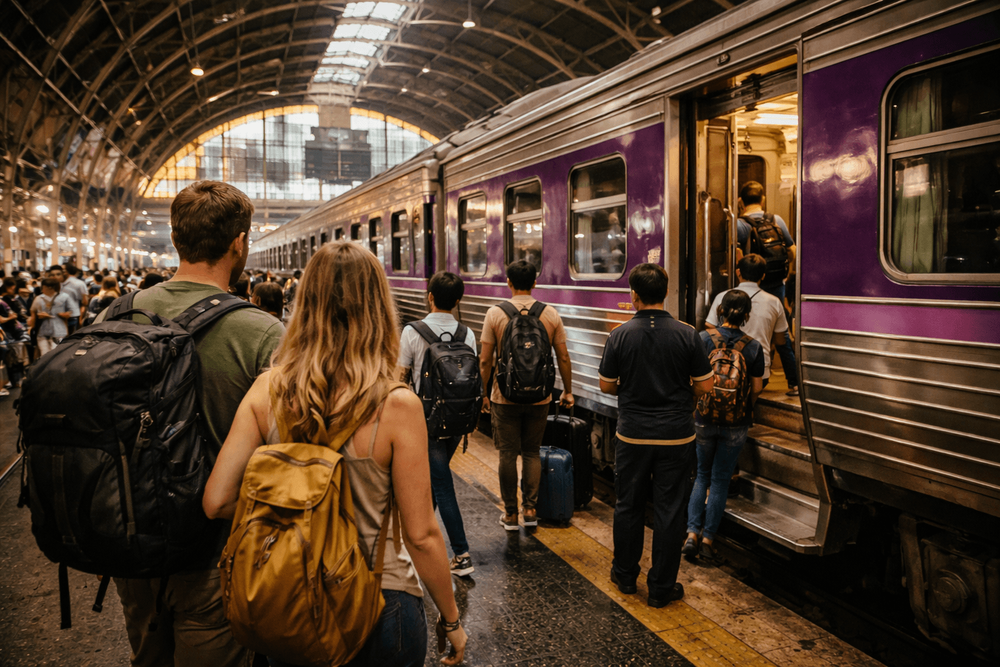
We’re standing under the high, echoing roof of Krung Thep Aphiwat (Bang Sue Grand Station), plastic bag clinking with 7-Eleven waters and a guilty packet of seaweed chips. The board blinks our platform, the air-con hums, and a porter in a crisp khaki uniform points us toward the right carriage with a lazy sawadee. This is the bangkok to chiang mai overnight train in its natural habitat: fluorescent-lit, unhurried, and infinitely practical for a long Thailand hop. We’ll fall asleep somewhere past Ayutthaya and wake up rolling into the green hills of Lampang, padding into Chiang Mai station just after sunrise.
Data Freshness + Verification
- Prices are approximate (THB). Last checked: July 2026.
- Schedules, carriage types, and station operations change. Treat times and amenities below as typical and confirm same-day locally at the station or on the SRT D-Ticket system.
- Price notes include neighborhood and source: e.g., “(Chatuchak; SRT D‑Ticket)” for tickets at Krung Thep Aphiwat or the official SRT app/website; “(Banglamphu; menu)” for restaurants near Khao San Road.
Concrete Planning Details
- Mini food crawl near Khao San/Phra Athit (pre-train fuel):
- Roti Mataba (Phra Athit Rd) for roti with beef or chicken curry, 60–120 THB (Phra Athit; menu). Walk 5 minutes from Phra Sumen Fort.
- Kor Panich (Tanao Rd) for classic mango sticky rice, 80–160 THB (Banglamphu; menu). Walk ~12 minutes from Roti Mataba via Phra Sumen Fort and Tanao Rd.
- Pad Thai Fai Ta Lu (Dinso Rd) (Maha Chai Rd) if you’ve got the patience—pad thai over charcoal, 90–200 THB (Old Town; menu). Tuk-tuk ~8–12 minutes from Kor Panich off-peak, or 20–25 minutes on foot.
- Iced coffee at a Phra Athit cafe—many open late, 60–120 THB (Phra Athit; menu). Walk back 10 minutes from Thipsamai Padthai Pratoopee area if you skip the tuk-tuk.
- Getting from Khao San/Phra Athit to Krung Thep Aphiwat (Bang Sue Grand Station):
- Fastest: Grab/taxi 25–45 minutes depending on traffic, 140–220 THB (Banglamphu; meter/quote). Leave earlier in rush hour.
- Budget + predictable: short tuk-tuk or walk to MRT Sam Yot (10–15 minutes), then Blue Line to Bang Sue (about 20 minutes). MRT runs roughly 6:00–24:00; confirm last train same-day.
- Chao Phraya Express Boat (if you’re by the river): Orange flag typically 6:00–19:00; use Phra Athit Pier to connect southbound. Good for daytime sightseeing, less practical for late trains. Confirm same-day at the pier.
Booking Suggestions (if relevant)
- Sleeper berths sell out on weekends and holidays. As soon as your dates firm up, book your preferred class and berth via the SRT D‑Ticket site/app or at any station counter.
- If your train is late evening, consider a day-use room or budget hotel near Phra Athit or Soi Rambuttri so we can shower, repack, and stroll to dinner before the station run. Check availability a few days ahead in peak season (Dec–Feb).
Why Take the Bangkok to Chiang Mai Overnight Train?
We take it because it turns a long transfer into a small adventure. Instead of burning a day on the road or popping our ears on a quick flight, we roll north at sunset, sleep flat, and step off ready to go. You trade airport queues and baggage carousels for clacking tracks, hot tea in paper cups, and the rocking lullaby of the Northern Line.
Practical perks:
- Time-smart: Board after dinner, arrive breakfast-time—no lost daylight.
- Budget-friendly: Second-class sleepers are usually cheaper than a flight plus checked bag in high season, especially last-minute.
- More comfortable than a bus: A real berth beats a reclining seat for most of us.
- Scenic wake-up: The dawn stretch through rice fields and teak forests—sanuk built in.
It’s not all romance. The AC can blast like a Siberian winter, the fluorescent lights don’t do dim mood, and a snorer three berths down might audition for a chainsaw brand. But it’s our favorite way to bridge these two cities.
Bangkok to Chiang Mai Overnight Train: Classes, Carriages, and Schedules
The route runs about 750 km on the SRT Northern Line. Typical journey time is 11–13 hours depending on the train type and stops.
Train Types You’ll See
- Special Express (fastest, few stops): Newer carriages on some services, including the modern Chinese-built sleepers with sliding doors and brighter interiors. These are the ones we angle for.
- Express and Rapid: Slightly slower, often with older but perfectly serviceable sleeper cars.
Expect multiple evening departures, usually from around 18:00 to 22:00, spaced roughly 30–90 minutes apart. Exact times shift with timetables—confirm same-day.
Sleeper and Seat Options
First Class Sleeper (A/C, private 2‑berth cabin):
- Layout: Lockable cabin with two seats converting to bunk beds (upper/lower), small fold-out table, mirror, and power outlet. Some modern cars have adjoining doors for families.
- Best for: Couples, light sleepers, travelers who value privacy.
- Typical fare: 1,250–1,900 THB per person, lower berth ~100–200 THB more than upper (Chatuchak; SRT D‑Ticket).
Second Class Sleeper A/C (open-plan with curtains):
- Layout: Pairs of seats facing each other by day; at night they convert into upper and lower bunks with privacy curtains. Power outlets vary—newer cars often have one per bay; older cars may have a shared outlet.
- Best for: Solo travelers, budget-minded couples, anyone happy with a curtain instead of a door.
- Typical fare: 800–1,100 THB per person, lower berth ~100–150 THB more (Chatuchak; SRT D‑Ticket).
Second Class Sleeper Non‑A/C (older cars, fans):
- Less common now; marginally cheaper but warm and noisy. We prefer A/C for this distance.
Seated Coaches (2nd/3rd class):
- Cheapest way to go, but not great for sleep. Seats recline a bit in 2nd class; 3rd class is hard bench or basic padding.
- Fares: 300–650 THB depending on class/train (Chatuchak; SRT D‑Ticket).
Onboard Vibe and Amenities
- Toilets: Mix of Western and squat shared per carriage; cleanliness varies with how far into the night you are—bring tissues and sanitizer.
- Showers: Some newer sleeper sets have a small shower room; pressure is a trickle and temps cool. Don’t rely on it for more than a rinse.
- Power & lights: Individual bunk lights; outlets vary by carriage generation—carry a power bank.
- Security: Conductors check tickets at night and note your stop. Keep valuables inside your berth or cabin; we loop a small cable lock through zips for peace of mind.
- Quiet hours: Lights dim after conversions, but carriages aren’t library-silent. Earplugs fix most things.
For a photo-rich breakdown of specific sleeper carriages and layouts, see our dedicated guide: Bangkok to Chiang Mai by Sleeper Train (/articles/bangkok-to-chiang-mai-sleeper-train-guide).
Booking Tickets, Departure Stations, and Picking the Right Berth
Where Trains Depart in Bangkok
Most long-distance Northern Line trains now depart from Krung Thep Aphiwat (Bang Sue Grand Station) in Chatuchak. It’s directly on the MRT Blue Line (Bang Sue station). Some seasonal or special services may run via Hua Lamphong, but count on Bang Sue as your launchpad and confirm your departure station on your ticket.
How to Book
- SRT D‑Ticket (official website/app): Book, select berths, and pay with Thai or international cards. E-tickets with QR codes are accepted—no need to print. Advance booking windows typically range 30–60+ days depending on service; they shift—check for your dates (Chatuchak; SRT D‑Ticket).
- Station ticket counters: Buy in person at Krung Thep Aphiwat, Hua Lamphong, or any SRT station. Cash or card, and staff can advise classes/berths.
- Travel agents: Useful if cards misbehave or you want someone to watch for cancellations. Expect service fees (Banglamphu; agent counter quote).
What It Costs (Typical Ranges)
- First class sleeper cabin (per berth): 1,250–1,900 THB, lower ~100–200 THB more (Chatuchak; SRT D‑Ticket).
- Second class A/C sleeper (per berth): 800–1,100 THB, lower ~100–150 THB more (Chatuchak; SRT D‑Ticket).
- Seat (2nd/3rd class): 300–650 THB, comfort varies by train (Chatuchak; SRT D‑Ticket).
Holiday peaks (New Year, Songkran, Loy Krathong) sell out fast. Grab berths 2–4 weeks ahead for those periods; weekdays in shoulder season can be available day-of.
Upper vs Lower Berth: What We Choose and Why
- Lower: Wider, more headroom, window view when curtains crack, easier access. Slightly brighter and busier thanks to the aisle. We pay the small upcharge if we’re tall or fidgety sleepers.
- Upper: Cheaper, cozier, less aisle traffic, closer to AC vents (cooler). Climb a small ladder. Great if you run warm and don’t mind snug.
- First class cabin: If privacy is the priority or we’re a duo that wants to chat after lights-out, this is the splurge that feels worth it.
Pro tip: If you’re solo and want a quiet corner in second class, ask for berths away from carriage ends and toilets when booking.
What to Pack and How to Be Comfortable
- Layers: AC can be arctic. A light fleece or scarf doubles as pillow. Socks help if you’re in shorts.
- Sleep kit: Earplugs, eye mask, and a small travel towel. The rhythm of the rails is soothing; the berth light three bays down is not.
- Snacks and water: Dining cars appear on some services; staff often take meal orders (rice sets, instant noodles, hot drinks) and deliver to your berth. Quality is fine, not gourmet. Bring fruit, sticky rice, and your favorite snack from 7‑Eleven. Note: Alcohol is officially banned on Thai trains—don’t crack beers onboard.
- Hygiene: Tissues, sanitizer, toothbrush. Toilets are cleanest right after departure and early morning.
- Power: Power bank and a short extension or splitter if you must charge multiple devices.
- Luggage: Big bags go on overhead racks or in the space under the lower berth once it’s made. Keep valuables in a small daypack with you. A tiny cable lock deters casual tampering.
Boarding rhythm we like: Eat early around Phra Athit, tuk-tuk to MRT Sam Yot, Blue Line to Bang Sue, grab extra water at the concourse, and be at the platform 20 minutes before departure. We watch the attendants flip the seats into snug bunks like origami—sanuk guaranteed.
Arrival in Chiang Mai, Getting Onward, and How Trains Stack Up vs Bus or Flight
You’ll roll into Chiang Mai Railway Station in Wat Ket, about 2–3 km east of the Old City (Tha Pae Gate). Morning air smells of incense and exhaust in equal parts, and a line of songthaews (red trucks) waits outside.
Into Town from the Station
- Songthaew (shared red truck): 40–80 THB per person to Tha Pae Gate/Old City, more if you’re solo or headed to Nimman. Agree the fare before hopping on (Wat Ket; driver quote).
- Grab/taxi: 120–220 THB to Old City/Nimman depending on time (Wat Ket; app/meter). Fast and painless if you’ve got luggage.
- Tuk‑tuk: Fun for short hops, 80–150 THB quoted to Old City (Wat Ket; driver quote). No meter—smile, haggle lightly.
Need to zip onward? Minivans to Pai usually leave from Chiang Mai Arcade Bus Station east of town; give yourself an hour to shower and coffee first.
Quick Coffee and Bites Nearby
If we arrive hungry, we aim for a cafe around Tha Pae or a bowl of khao soi once places open—many start serving 9:00–10:00. Early birds can find roti, soy milk, and dough sticks along Charoen Muang Rd (Wat Ket; street carts).
How the Overnight Train Compares
- Versus flying: The flight is 1h15 in the air, but add transit (Old City to DMK/Suvarnabhumi or to CNX), check‑in, security, and bags and you’ve spent 4–5 hours door‑to‑door. Typical low-cost fares run 1,200–2,500 THB with a checked bag in high season (Don Mueang/Suvarnabhumi; airline site). The sleeper wins on romance, carbon footprint, and not losing a day.
- Versus bus: Overnight buses can be quicker on paper (9–10 hours) and cheaper (500–900 THB) with big reclining seats (Chatuchak; operator booth quote). But you won’t lie flat, and the ride can be cold and bouncy. If you’re bus-curious, our deep-dive is here: Bangkok to Chiang Mai by Bus: Overnight Routes, Comfort, Stops, and Best Booking Tips (/articles/bangkok-to-chiang-mai-bus-guide).
- Versus a day train: Nice for scenery if you have time, but it eats the whole day. If daylight views are your priority, we broke down routes and timings here: Bangkok to Chiang Mai by Day Train (/articles/bangkok-to-chiang-mai-day-train-guide).
Want a bigger-picture comparison across all modes? We keep a running, practical roundup here: Bangkok to Chiang Mai: The Best Ways to Travel (/articles/bangkok-to-chiang-mai-best-ways-travel-train-bus-flight-private-transfer).
Common Questions We Get on the Platform
- Will the conductor wake us up? Usually yes—staff track passengers’ stops and give a gentle knock before Chiang Mai. Set an alarm just in case.
- Is there food on every train? Not guaranteed. Some have a dining car; others use trolley service or to‑seat ordering. We always bring backups.
- Can we lock our stuff? First class cabins lock; second class has no door—use common sense, keep valuables close, and consider a small cable lock.
- Is there Wi‑Fi? Sometimes in stations; rarely consistent on trains. Download playlists and maps in Bangkok.
A Simple Game Plan We Love
- Late afternoon: Nap or swim near Phra Athit, then our mini-crawl—Roti Mataba, Kor Panich, and a last iced coffee under the tamarind trees on Phra Athit Rd.
- 19:00-ish: Tuk‑tuk to MRT Sam Yot, Blue Line to Bang Sue. Snacks and waters at 7‑Eleven—feel that icy blast.
- 20:xx: Board, claim bunks, stash bags, brush teeth before the rush.
- Dawn: Peel back the curtain to lamp-lit fields, sip instant coffee, and roll into Chiang Mai ready for khao soi.
If our dates are firm, we grab lower berths in second class A/C or a first class cabin if we need quiet work/sleep. If not, we still head to the station counters early evening—last-minute luck happens more often than you’d think.

We’ll save you a seat by the window; bring the mango from Kor Panich. Northbound awaits.
Related Hotels & Places
7-Eleven
Shops
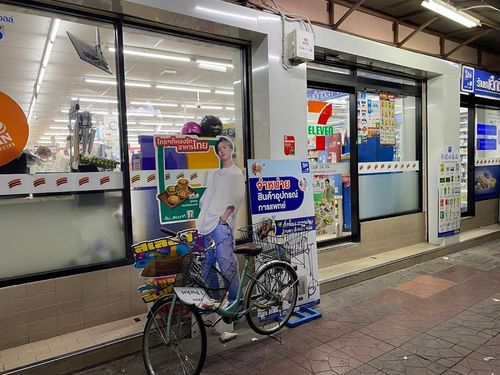
Khao San’s 24/7 reset button: ice‑cold A/C, ham‑cheese toasties, All Café iced lattes, water for 7–14 THB, and late‑night supplies from snacks to sunscreen—right by Rikka Inn.
Khao San Road
Attractions
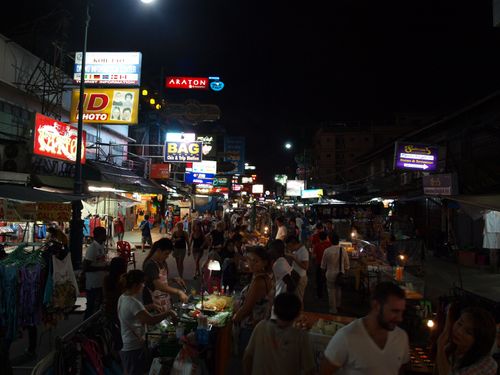
Bangkok’s backpacker carnival: curbside bars, live bands and DJs from 3pm–2am (midnight Sun). Street eats are cheap — pad thai 70–100 THB, mango sticky rice 60–100 THB. Come for wild people-watching; duck into Rambuttri for a calmer beer.
Phra Sumen Fort
Attractions
1783 riverfront fort on Phra Athit with white battlements, park breezes, and killer sunset views over Rama VIII Bridge. Free entry; best from 5–7pm before the gates close at 9pm.
Pad Thai Fai Ta Lu (Dinso Rd)
Restaurants
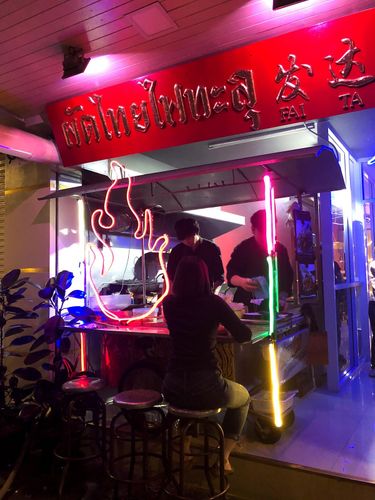
Famous pad thai spot on Dinso Road.
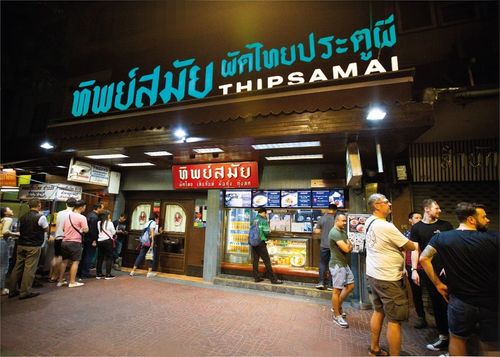
Thipsamai Padthai Pratoopee
Restaurants
Recommended Products
More Khao San Road Guides
- Bangkok to Chiang Mai by Train: Night Sleeper vs Day Train, Tickets, and What to Expect
- Bangkok to Chiang Mai by Train: Night Train, Day Train, and Seat vs Sleeper Options Compared
- Bangkok to Chiang Mai by Night Train: Sleeper Classes, Booking Tips, and What to Expect
- Bangkok to Chiang Mai by Night Train vs Day Train: Which Rail Option Is Better for Your Trip?