
Bangkok to Chiang Mai: The Best Ways to Travel by Train, Bus, Flight, or Private Transfer
Flights, trains, buses, or private car? We compare time, cost, comfort, and booking tips for Bangkok to Chiang Mai travel—plus how to get into the Old City.
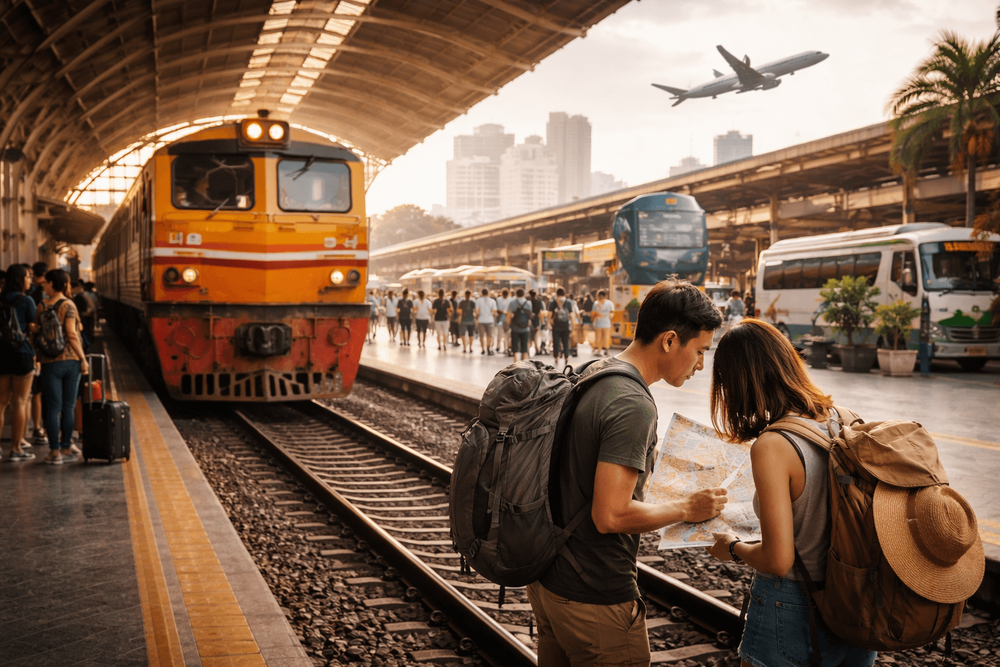
The fan over the platform at Krung Thep Aphiwat lazily stirs hot air, our iced coffee is sweating through the paper sleeve, and we can almost hear the northbound engines humming beyond the ticket gates. Bangkok to Chiang Mai travel can be a one-hour hop through the clouds, a rocking overnight sleeper with sticky-rice breakfasts at dawn, or a neon-lit bus run with snacks and arctic AC. We’ve done all of it, sometimes in the same month—here’s how to pick the ride that’s right for you.
Data Freshness + Pricing:
- Prices are approximate and in THB.
- Last checked: July 2026
- Happy hour and promo details change frequently—confirm locally.
Bangkok to Chiang Mai travel options compared
Let’s keep it real: you’re choosing between speed, price, and sanuk (fun). Each mode trades one for the other.
Flight (fastest):
- Time: about 1h15 in the air; add 1.5–2.5 hours for airport transfers/security.
- Cost: approx. 1,000–2,500 THB on low-cost carriers without bags; 2,500–4,500 THB with bags or full-service.
- Comfort: high; modern planes, quick, smooth. Bag fees can sting.
- Best for: tight schedules, early arrivals, avoiding overnight rides.
Train (most atmospheric):
- Time: day trains 10–12 hours; overnight sleepers 11–13 hours.
- Cost: seats approx. 400–1,000 THB; 2nd-class AC sleepers approx. 900–1,600 THB; 1st-class cabins higher.
- Comfort: good if you get a sleeper; scenic and social; occasional delays.
- Best for: slow travel, budget sleepers, families who want a berth.
Bus (best value point-to-point):
- Time: 9–11 hours, usually overnight.
- Cost: standard 600–900 THB; VIP/24–32 seat approx. 800–1,200 THB.
- Comfort: varies by operator; blankets, snacks, cold AC, few stops.
- Best for: budget travelers who want direct terminals and a night ride.
Minivan (cheapest but cramped):
- Time: 9–10 hours with fewer big stops, but tight seats.
- Cost: approx. 500–800 THB.
- Comfort: lowest; limited luggage space.
- Best for: light packers who must travel today and can’t get bus/train.
Private car/transfer (most flexible):
- Time: 8–10 hours door-to-door depending on traffic and weather.
- Cost: sedan with driver approx. 6,500–10,000 THB; van for groups approx. 8,500–14,000 THB.
- Comfort: high if you value privacy and stops; depends on driver.
- Best for: groups, families, photographers, anyone adding detours.
If you want a deeper head-to-head on comfort vs cost, we break it down here: Bangkok to Chiang Mai by Train vs Bus vs Flight: Which Trip Is Best for Your Budget and Schedule?.
Flights: fastest and fuss-free
Bangkok–Chiang Mai flights leave from both airports: Don Mueang (DMK) for most low-cost airlines and Suvarnabhumi (BKK) for many full-service options. The flight time is about 1h15, just long enough for a sip of water and a glance out the window at patchwork paddies.
- Prices: sales can dip to approx. 800–1,200 THB without checked bags if you book early; more realistically, plan for approx. 1,200–2,000 THB carry-on only, 2,500–4,500 THB with a checked bag. Holiday weeks spike higher.
- Transfers: from Khao San/Old Town, allow 60–90 minutes to either airport with Bangkok traffic. The Airport Rail Link is the easiest way to BKK; the SRT Red Line reaches DMK from Krung Thep Aphiwat.
- Pros: fast, reliable, frequent flights from early morning till late evening.
- Cons: baggage fees, airport time, and you miss the dreamy mountain approach by rail.
Tip: Early morning flights dodge both airport crowds and Bangkok’s heat. If we’re landing before lunch in Chiang Mai, we can still wander the moat, graze on khao soi, and be poolside before the afternoon storm rolls in.
Overnight train to Chiang Mai: the classic ride
The northbound trains leave from Krung Thep Aphiwat Central Terminal (linked to MRT Blue Line at Bang Sue). Hua Lamphong still lives in our hearts, but the big departures roll from here now. Overnight sleepers are the sweet spot—your berth becomes a bed around 8–9 pm, the carriage lights go soft, and the rhythm of the rails lulls you to sleep.
- Classes and prices: 2nd-class AC sleepers (upper/lower berths) run approx. 900–1,600 THB depending on train and berth. 1st-class cabins (two-berth private) cost more but give you a door and extra quiet. Seated tickets are cheaper (approx. 400–1,000 THB) but tough on the spine over 11+ hours.
- Timing: plan for 11–13 hours overnight; day trains are scenic but add heat and fatigue.
- What it’s like: crisp sheets, a curtain for privacy, a fold-out table for your snacks, and windows that show rice fields at dawn near Lampang. Toilets are a mix of Western/squat; bring tissues and hand gel. There’s usually a dining car or staff selling meals—expect approx. 100–200 THB for simple rice-and-curry or fried rice.
- Luggage: stash big bags on the floor under the lower berth or in end-of-car racks; a small padlock or cable gives peace of mind. Keep passports and electronics in your bunk.
Be ready for delays of 30–90 minutes—northbound rails share with freight and weather can slow things, especially in monsoon. We pack patience and a 7-Eleven toastie from the station; nothing tastes better at 2 am when the carriage is quiet and the air-con hums.
Bus and minivan: value and frequency
Buses to Chiang Mai depart from Bangkok’s Northern Bus Terminal (Mo Chit 2). You’ll find a range from standard to VIP/24-seat coaches with wider seats and more legroom.
- Prices: standard buses approx. 600–900 THB; VIP/24–32 seat approx. 800–1,200 THB. Many include water, a small snack, and a blanket. Bring a hoodie—the AC can be Antarctic.
- Time: 9–11 hours overnight, with one or two rest-stop breaks at highway plazas where the smell of grilled pork skewers mixes with coffee steam.
- Seats: VIP layouts are 2–1 per row; standard are 2–2. If you’re tall, prioritize VIP.
- Minivans: they’re the budget wildcards at approx. 500–800 THB, but legroom is scarce and luggage space is thin. Not our first choice for 700 km.
Look out for touts around Khao San promising miracle VIP buses. We’ve had smoother rides booking at the official terminal or direct with reputable operators. If you need a quick primer on how bus vs train vs flight shakes out by comfort, hit our overview: Bangkok to Chiang Mai: Which Transport Option Is Best for Your Budget, Time, and Comfort?.
Private car or van: the scenic detour machine
A private driver is the priciest, but it’s also the most flexible door-to-door way to travel. We love it when we’re with friends and want to stop for noodle breaks, temples, or coffee with mountain views.
- Cost: sedan approx. 6,500–10,000 THB; van approx. 8,500–14,000 THB depending on group size and season.
- Time: 8–10 hours via Highways 1/32 and 11, longer if you detour to Ayutthaya, Sukhothai (big detour), or the white-rooster town of Lampang. The last stretch into Chiang Mai climbs through forested hills—pretty, but slow behind trucks.
- Safety: ask about seatbelts in all seats, confirm the driver’s rest plan, and avoid overnight departures when fog can hang in the passes.
Planning and booking: our playbook
When to book:
- Flights: 2–6 weeks out for regular weeks; 6–8+ weeks for holidays.
- Trains: 1–3 weeks ahead for sleepers; earlier for holidays and Friday nights.
- Buses: 1–3 days out is fine most weeks; 1–2 weeks for holidays.
- Private transfers: at least a few days’ notice; more for peak weekends.
Where to book:
- Flights: direct with the airline app/website.
- Trains: at Krung Thep Aphiwat ticket counters or official online sales; same-day seats/sleepers may sell out.
- Buses/minivans: official counters at Mo Chit 2.
- Private transfers: reputable agencies; confirm vehicle type, luggage capacity, and final drop-off.
Departure points in Bangkok:
- Flights: BKK (Airport Rail Link from Phaya Thai) or DMK (SRT Red Line from Krung Thep Aphiwat). From Khao San/Soi Rambuttri, budget 60–90 minutes by taxi/Grab depending on time of day.
- Trains: Krung Thep Aphiwat (MRT Blue Line to Bang Sue, then follow signs). Show up 30–45 minutes early; stations in Thailand are big on last-minute platform changes.
- Buses/minivans: Northern Bus Terminal (Mo Chit 2). BTS Mo Chit or MRT Chatuchak Park plus a short taxi or bus hop.
For sample fares across the year, we keep a rolling roundup here: Bangkok to Chiang Mai: The Best Ways to Travel.
What to expect on the journey
Overnight train: lights dim around 9 pm; staff convert seats to berths with sheets and a blanket. The carriage rocks gently; you’ll wake to ping-pong sunlight flickering through teak forests. Coffee sellers hop aboard near Lampang. Expect a soft landing at Chiang Mai station mid-morning.
Overnight bus: neon aisle lights, blanket, seat recline, one or two rest stops with clean-enough bathrooms and sizzling skewers. Movies may blare; earplugs help. You’ll roll into Arcade Bus Terminal before sunrise some days—perfect for beating the breakfast rush.
Flight: painless if you breeze through security. Keep your liquids corralled and power bank in carry-on. Land at CNX and you’ll feel the dry, piney air of the north when the cabin doors open.
Private car: we stop in Nakhon Sawan for grilled chicken and sticky rice when the driver yawns; after Kamphaeng Phet the highway goes green and meditative. Around Lampang, the road rises and curves; watch for elephant statues by the roadside shrines.
Seasonal and timing advice
- Holidays and festivals: Songkran (mid-April), Loy Krathong/Yi Peng (usually November), and New Year weeks sell out fast. Book trains and flights early. Chiang Mai’s Yi Peng lantern glow is magical—but that magic costs in higher fares.
- Burning season: roughly late February to early April can bring smoky skies in the north; flights aren’t affected much, but you may want to minimize extra nights if you’re sensitive.
- Monsoon: May–October brings afternoon storms. Trains can be delayed by soaked tracks; buses slow down on slick roads; landslides are rare but not unheard of on the mountain approach. Morning departures dodge late-day thunderheads.
- Best times to depart: we like late-evening train/bus departures (7–10 pm) so we sleep most of the ride. For flights, first wave (6–9 am) is king—smoother traffic, on-time odds up.
Luggage and comfort hacks
- Trains: bring a light sweater and socks; AC can be firm. A cable lock for your big bag, earplugs, tissues, and flip-flops for bathroom runs. Keep snacks and a big bottle of water (approx. 20–30 THB) handy.
- Buses: hoodie and eye mask, plus a small daypack you keep at your feet. Tag your main bag when it goes in the hold; keep valuables with you.
- Flights: check your baggage allowance twice. Low-cost tickets often allow only 7–10 kg carry-on. Prepaying a checked bag online is cheaper than at the airport.
- Minivans: pack light; if you have a big suitcase, reconsider.
- Private car: confirm trunk space for everyone’s bags; request child seats in advance if needed (sometimes an extra charge, approx. 100–300 THB).
Arriving in Chiang Mai: getting into town
- Chiang Mai International Airport (CNX): 10–20 minutes to the Old City. Airport taxi counters offer fixed fares (approx. 150–200 THB to inside the moat). Grab/Bolt are similar, sometimes lower off-peak. Red songthaews (shared trucks) outside can be approx. 40–60 THB per person if going to a common spot; private charter costs more.
- Chiang Mai Railway Station: just east of the Ping River. Red trucks line up outside; shared rides to the Old City are approx. 30–50 THB per person, or 80–160 THB via Grab depending on time. Tuk-tuks hover—agree on a fare first (approx. 80–120 THB to Tha Phae Gate).
- Arcade Bus Terminals 2/3: 3–4 km northeast of the Old City. Expect similar red-truck prices to the moat (approx. 30–50 THB shared), or 100–150 THB with Grab.
We like staying inside the moat for a first visit—it’s all mango smoothies, temple spires, and bicycle bells. If we’re arriving late off the sleeper, we pick a guesthouse on the east side near Tha Phae Gate so we can be slurping khao soi within minutes of drop-off. If you’re landing by flight, Nimmanhaemin Road—Nimman to locals—puts you near cafes and sunset cocktails.
Which option should we pick?
- Short on time, big on comfort: flight. Book an early slot, add a checked bag if you need it, and you’ll be in Nimman for a latte before your room’s even ready.
- On a backpacker budget but want sleep: 2nd-class AC sleeper train. It’s the classic choice for a reason.
- Steady value, lots of dates, you run cold: VIP bus. Wear long sleeves and bring a scarf.
- Group of four to seven, photo stops en route: private van. Split the fare and plan lunch in Lampang.
- Absolutely last-minute and trains are sold out: minivan or standard bus from Mo Chit 2—accept the squeeze, travel light, and treat yourself to a massage on arrival.
Common hassles (and how we dodge them)
- Touts and fake “VIP” buses near Khao San: go to Mo Chit 2 or buy direct from known counters. If it sounds too cheap, it probably means old seats and surprise stops.
- Overbooking whispers on night buses: keep your ticket stub; take a photo of your luggage tag; board early to settle in.
- Train delays: keep your first Chiang Mai plan flexible—book lunch, not a timed tour.
- Airport traffic: leave Old Town 3 hours before an international flight, 2+ hours for domestic during rush hours.
- Night chills: bus and train AC love to flex. Layers solve 90% of comfort issues.
Budgeting the whole trip (door to door)
- Flight: airport transfers (approx. 150–400 THB total depending on mode) + airfare (approx. 1,200–4,500 THB) + a snack (approx. 50–150 THB).
- Train: MRT to station (approx. 40–60 THB) + sleeper (approx. 900–1,600 THB) + station snacks/dinner (approx. 80–200 THB).
- Bus: BTS/MRT + taxi to Mo Chit (approx. 60–160 THB) + VIP seat (approx. 800–1,200 THB) + rest-stop food (approx. 60–150 THB).
- Private car: door-to-door only—split among the group for value.
Know before you go
- Tickets carry names and seat/berth numbers; bring your passport for ID on trains and at airports.
- Food on board is fine in a pinch, but Bangkok’s stations are brimming with options—grab rice bowls, fruit, and water before boarding.
- If you’re arriving late in Chiang Mai, pre-plan your first night near Tha Phae Gate or inside the moat so your tuk-tuk ride is short and sweet.
- If you’re traveling during Yi Peng or Songkran, book both your transport and first two nights in advance—rooms and berths vanish fast.
We’ll be honest: there’s no wrong way to make the run north. Some nights we crave the hush of a curtained berth and the dawn light spilling over the Ping; other times we want to blink and be at the moat by breakfast. Either way, message us when you land—we’ll meet you by the east gate, order two bowls of khao soi, and toast your arrival with a clink of iced glasses.
More Khao San Road Guides
- Bangkok to Chiang Mai by Train, Bus, Flight, or Private Car: Which Option Is Best for Your Trip?
- Bangkok to Chiang Mai by Train: Sleeper Classes, Timings, and Booking Tips
- Bangkok to Chiang Mai: The Best Ways to Travel
- How Long Is the Trip from Bangkok to Chiang Mai? Travel Times by Train, Bus, Flight, and Private Car