
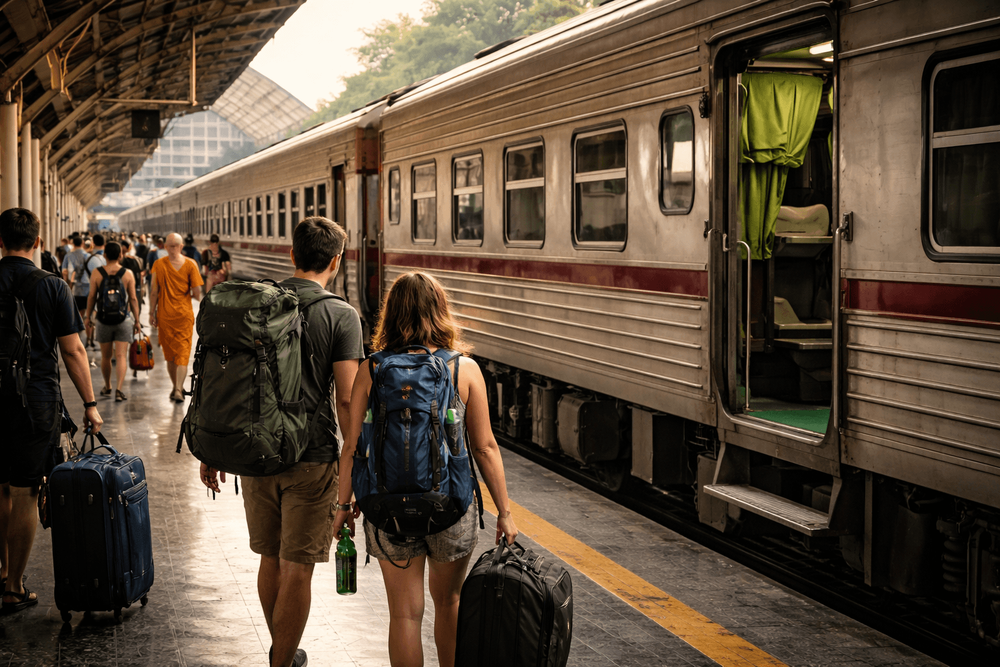
Bangkok to Chiang Mai by Train: Sleeper Classes, Timings, and Booking Tips
Ride the rails from Bangkok to Chiang Mai like a pro: sleeper classes, prices, schedules, booking tips, and what to expect onboard—without the tourist traps.
We step into the chilled blast of AC at Krung Thep Aphiwat Central Terminal, iced coffee sweating in hand, the tanoy crackling over a low buzz of farang backpackers and Thai families. That’s our cue. The Bangkok to Chiang Mai train isn’t just transport; it’s a ritual—watching the city lights thin into rice fields, dozing to the sway of the carriage, and waking with the mountains on the horizon.
Data Freshness + Pricing:
- Prices are approximate and in THB.
- Last checked: June 2026.
- Happy hour and promo details change frequently—confirm locally.
Bangkok to Chiang Mai train route at a glance
If we map it in our heads, the Northern Line pulls us out of Bangkok’s sprawl past Don Mueang, up through Ayutthaya’s temple-studded plains, across Charoen Hotel and Lampang, then into the hills, diving under Doi Khun Tan via Thailand’s longest rail tunnel before rolling into Chiang Mai Railway Station. It’s a straight shot to sanuk: scenery, snacks, and the chance to save a night’s accommodation on an overnight sleeper.
- Departure station: Krung Thep Aphiwat Central Terminal (Bang Sue Grand Station), the new intercity hub with proper signage, clean platforms, and merciful AC.
- Arrival station: Chiang Mai Railway Station in Wat Ket, about 3 km east of Tha Phae Gate and the Old City moat.
- Why choose the train: It’s slower than flying but more atmospheric, budget-friendly, and gentler on the planet. The night train doubles as a moving hotel; the day train gives you a rolling postcard of Thailand’s heartland.
Getting to Krung Thep Aphiwat (Bangkok)
- MRT: Take the Blue Line to Bang Sue (connects directly into the terminal). From Khao San Road/Soi Rambuttri, grab a taxi or a bus to an MRT station like Sanam Luang or Hua Lamphong, then ride the Blue Line north. Door-to-door from Lilit Bang Lumphu Hotel - Close To Khao San Road is usually 30–60 minutes depending on traffic.
- Taxi/Grab: From Old Town, expect approx. 120–220 THB depending on time and traffic. Leave buffer for rush hour—Bangkok traffic can turn a 20-minute ride into a 50-minute crawl.
- Food pit stops: Stock up at the terminal or at any 7‑Eleven en route. We always toss in water, fruit, and something salty—you’ll thank yourself when the midnight munchies hit.
From Chiang Mai station into town
- Red songthaew (shared truck): Flag one outside the station. To Old City/Nimman, expect approx. 40–80 THB per person. Agree on the price before hopping in.
- Tuk-tuk: Quicker, a bit pricier—approx. 100–160 THB to Tha Phae Gate depending on your haggling.
- Grab/Taxi: Private rides to Old City/Nimman usually land around approx. 120–200 THB.
Train classes, tickets, and how to book
The State Railway of Thailand (SRT) runs a mix of newer Special Express services and older Express/Rapid trains. Your choice is basically comfort vs. budget vs. time.
Classes explained
- 1st Class Sleeper (A/C, 2-berth cabins): Lockable cabins with two berths that convert from seats by night. There’s a door, a mirror, a small table, and usually power outlets. It’s the priciest but the most private—great for couples or anyone who wants a little sanctuary.
- 2nd Class Sleeper A/C (open-plan): The workhorse. Seats convert to upper and lower bunks along the aisle with a curtain for each berth. It’s social, comfortable, and the best value. Lower berths are wider; uppers feel more cocooned and a touch cooler.
- 2nd Class Seat (A/C or fan): Reclining seats in a standard carriage. Fine for day trains—less fun overnight.
- 3rd Class Seat (fan, hard bench): Cheapest and most local. Windows open, fans spin, and you’ll get the aromas of grilled pork and countryside in equal measure. Great for short hops; it’s a long ride to Chiang Mai on a bench unless you truly love the adventure.
- Ladies-only sleeper car: Often attached to popular night services. Solo female travelers appreciate the peace of mind—book early as these sell out first.
Typical prices (approx.)
- 1st Class Sleeper cabin: approx. 1,600–2,300 THB per person depending on train/date. If booking an entire 2‑berth cabin for solo use, expect the higher end.
- 2nd Class Sleeper A/C: upper berth approx. 800–1,100 THB; lower berth approx. 900–1,300 THB.
- 2nd Class Seat A/C (day trains): approx. 500–750 THB.
- 3rd Class Seat (fan): approx. 280–420 THB.
Note: Prices shift with train type (Special Express vs Express/Rapid) and demand. High season—December to February and around Songkran—pushes availability more than price, so book early.
How to book
- Online: Use SRT’s official e-ticket platform/app (search “SRT D-Ticket”). You can choose berths and coaches and show the QR code on your phone—no printing needed.
- At stations: Buy at any SRT station ticket counter. Lines at Krung Thep Aphiwat can swell late afternoon, so go earlier in the day if you’re near the MRT.
- Through reputable agents: GO INN Khaosan Road and Phra Athit Road have travel shops that’ll snag tickets for a service fee. Handy if you want a human to navigate options, but expect a markup.
Booking opens roughly a month out for many services, sometimes further. For sleepers during peak months or Thai holidays, we aim to reserve 2–3 weeks ahead. If your dates are fixed, lock them in early; if not, keep an eye on cancellations that often pop up 24–72 hours before departure.
Insider picks:
- Want quiet? Book a berth away from the carriage ends (doors and toilets mean foot traffic).
- Prefer space? Lower berth in 2nd class sleepers is wider and more comfortable.
- Solo female traveler? Snap up the ladies-only car if available.
Journey time, schedules, and what to expect onboard
Expect approx. 10–13 hours, depending on train type, stops, and Thai rail karma. Night trains are usually faster on paper; day trains can pad the timetable and still arrive fashionably late. Build a buffer if you’re connecting to flights or tours.
For a deeper dive on timetables and average durations by class, see How Long Is the Trip from Bangkok to Chiang Mai? (/articles/bangkok-to-chiang-mai-travel-time-guide).
Sleeper trains (night)
The celebrated Special Express sleepers—often using the newer Chinese-built rolling stock—are our go-to. Attendants flip seats into bunks after departure; sheets are crisp, pillows plump enough, and curtains do a decent job of cocooning you. The carriage hums—a mix of steel on steel and the soft snore of your neighbor. AC can run arctic; bring a light layer.
- Berth setup: Lower berths are wider with a window; uppers are snugger and get less aisle light once curtains draw.
- Power & lighting: Newer coaches have sockets and individual lights; older stock can be hit-or-miss—carry a power bank.
- Restrooms: Both Western-style and squat, cleaned periodically but bring tissues and sanitizer.
- Security: Conductors check tickets regularly. We cable-lock big bags to the rack and keep passports/phones on us. Petty theft is rare but not impossible.
- Food: A trolley usually makes rounds with rice dishes and snacks; some trains have a dining car. Expect approx. 120–220 THB for a basic set, a bit more for mains. We still stash our own fruit, chips, and a big bottle of water.
Want sleeper specifics, berth diagrams, and which trains have the newest coaches? Read Bangkok to Chiang Mai by Night Train: Sleeper Classes, Booking Tips, and What to Expect (/articles/bangkok-to-chiang-mai-night-train-guide).
Day trains
If we’re chasing scenery, we book the morning Special Express day train—air-con, comfy seats, and big windows. The light is gorgeous north of Uttaradit, where limestone ridges lift out of the paddies and palms. You’ll feel the climb after Lampang as the train noses into the hills toward Khun Tan Tunnel.
- Seats: 2nd class A/C is the sweet spot for comfort vs. cost. Fan cars with open windows are romantic until midday heat hits.
- Food: The dining car (if attached) is fun for a stretch; vendors hop on/off at major stops with snacks. Pack a proper lunch anyway.
- Timing: Departures are typically mid‑morning from Bangkok, arriving early evening.
For exact timings and which daylight service is best for views vs. punctuality, check Bangkok to Chiang Mai by Day Train: Routes, Classes, Travel Time, and What to Expect (/articles/bangkok-to-chiang-mai-day-train-guide).
Practical tips for a smoother ride
We’ve made every mistake so you don’t have to. Here’s what actually matters.
- Dress the part: AC can be fridge-cold at night. Pack a light sweater, socks, and a scarf or buff. By day, breathable fabrics are your friend.
- Sleep kit: Eye mask and earplugs transform a decent night into a great one. A soft neck pillow helps if you’re in seats, not a sleeper.
- Snacks + water: Grab supplies at 7‑Eleven near Soi Rambuttri or on Phra Athit Road before you taxi to the station. Prices onboard are higher and selection is limited.
- Luggage: Big backpacks fit on overhead racks or at carriage ends. Use a small cable lock for peace of mind. Keep valuables close.
- Timing buffer: Thai trains aren’t bullet trains. If you land in Bangkok the same day, don’t cut it fine; if you fly out of Chiang Mai the same evening, build in several hours of cushion.
- Seats/berths: Lower berths for width, upper for privacy and cooler air. In seat cars, aim mid-car for less sway and less foot traffic.
- Toilets: Bring tissue, hand gel, and sandals if you’re squeamish on nighttime visits.
- Motion + noise: The Northern Line has curves and grades—expect some shimmy. If you’re sensitive, avoid end-of-car seats.
- Safety: Be polite but firm with unsolicited “helpers” at stations. Official staff wear uniforms and won’t pressure you. Keep your ticket and ID handy.
- Festival factor: Sleepers around Loy Krathong/Yi Peng and Songkran sell out fast. Book as soon as the window opens.
- Weather wisdom: Monsoon season (roughly May–Oct) can slow things with rain-related delays; dry season runs cleaner and offers crisp mountain mornings into Chiang Mai.
Food: what’s actually good onboard
- Dining car: When present, it’s more about the novelty than culinary fireworks. Stir-fries and omelets are fine. Expect approx. 150–260 THB for a set meal.
- Trolleys: Snacks, instant noodles, rice plates, coffee, and tea. Cash is easiest; small bills help.
- BYO: Sticky rice, grilled moo ping, and cut fruit from a Bangkok street cart make the carriage smell like victory—double bag anything saucy.
Where to sleep before/after
If we’re catching an early train, we like staying in Old Town near Khao San/Soi Rambuttri for easy late-night eats, then taxiing to the MRT. In Chiang Mai, crash inside the Old City for temple wandering or in Nimman if café life and night markets call. If your sleeper arrives at dawn, ask your guesthouse about early bag drop; many will store luggage while you hunt down your first bowl of khao soi.
Alternatives to the train
We’re train people, but sometimes time wins.
- Flight: Fastest by far—about 1 hour 15 minutes in the air. Factor in airport transfers and security. Deals can dip to approx. 900–1,600 THB one-way on low-cost carriers if you book ahead, but baggage and seat fees add up.
- Bus: Overnight and day options from Mo Chit 2 Bus Terminal. VIP/24-seater coaches can be genuinely comfy with wide seats and blankets. Expect approx. 500–1,000 THB depending on class and operator. Pros: direct to central Chiang Mai, including Arcade Bus Terminal. Cons: highway monotony and potential for chilly AC.
If you’re torn between all three, we break down costs, time, and comfort here: Bangkok to Chiang Mai: The Best Ways to Travel (/articles/bangkok-to-chiang-mai-the-best-ways-to-travel-2026-06-06).
Know before you go
- Tickets on your phone are fine—make sure your screen brightness is up when the conductor scans.
- Platform changes happen; watch the departure boards and listen for announcements.
- Don Mueang Airport stop: Some northbound trains call here. If you’re flying into Don Mueang and connecting straight to the train, check if your service stops—saves a cross-city trek.
- Ladies-only coach is popular; if it appears sold out online, try the station counter for last-minute releases.
- Expect a little grit and a lot of charm. You’ll smell durian at one stop and eucalyptus at the next, hear the clack of rails, and watch the sun slide behind teak forests. That’s the point.

When we roll into Chiang Mai at dawn, we like to stash our bags, grab a tuk-tuk to Waroros Market, and let a bowl of hot soy milk and youtiao set the day. If you spot us half-asleep but smiling, give us a sawadee—we’ll point you to the best khao soi next.
Related Hotels & Places
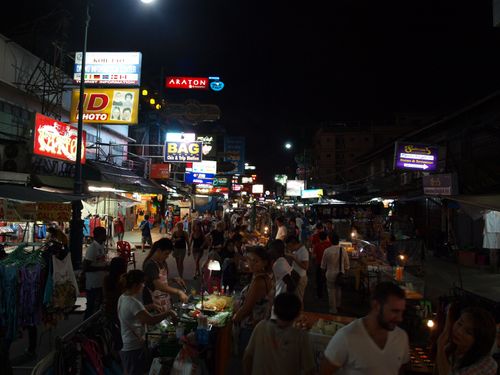
Khao San Road
Attractions
Bangkok’s backpacker carnival: curbside bars, live bands and DJs from 3pm–2am (midnight Sun). Street eats are cheap — pad thai 70–100 THB, mango sticky rice 60–100 THB. Come for wild people-watching; duck into Rambuttri for a calmer beer.
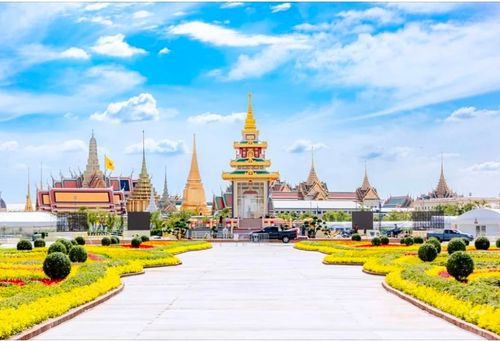
Sanam Luang
Attractions
Bangkok’s royal lawn facing the Grand Palace. Free to wander, ringed by tamarind trees, popular for kite flying (Feb–Apr) and lazy green‑space hangs. A 10‑minute walk from Khao San; come early for soft light and street snacks along Na Phra That Rd.
GO INN Khaosan Road
Hotels
A 3-star hotel in Bangkok.
Rambuttri
Markets
Khao San’s calmer cousin: a tree‑shaded lane of VW van cocktail bars, open‑air foot massages, pad thai grills, and easygoing live bands. Best from sunset to 11pm; beers 80–120 THB, cocktails 150–220 THB. One block from the chaos, all the charm.
Charoen Hotel
Hotels
Charoen Hotel provides flawless service and all the necessary facilities for visitors.Remain linked during your visit by utilizing the complimentary internet access available.
Lilit Bang Lumphu Hotel - Close To Khao San Road
Hotels
Lilit Bang Lumphu Hotel - Close To Khao San Road provides flawless service and all the necessary facilities for visitors.Stay connected with your associates, as complimentary Wi-Fi is available during your entire visit.When arriving by car, you'll be grateful for the on-site complimentary parking a
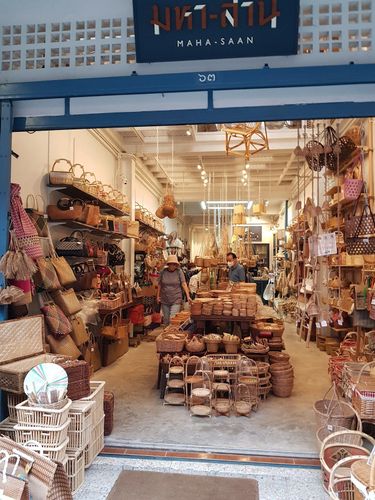
Waroros Market
Markets
Recommended Products
More Khao San Road Guides
- Bangkok to Chiang Mai by Train: Sleeper vs Day Train, Fares, and Booking Tips
- How to Book Bangkok to Chiang Mai Tickets: Timetables, Platforms, and Last-Minute Availability
- Bangkok to Chiang Mai by Night Train: Sleeper Classes, Booking Tips, and What to Expect
- Bangkok to Chiang Mai by Train: Night Sleeper vs Day Train, Tickets, and What to Expect