
Bangkok to Chiang Mai by Day Train: Routes, Classes, Travel Time, and What to Expect
Ride the Bangkok to Chiang Mai day train: schedules, seats, scenic highlights, prices, booking tips, and arrival advice for an easy daylight rail journey.
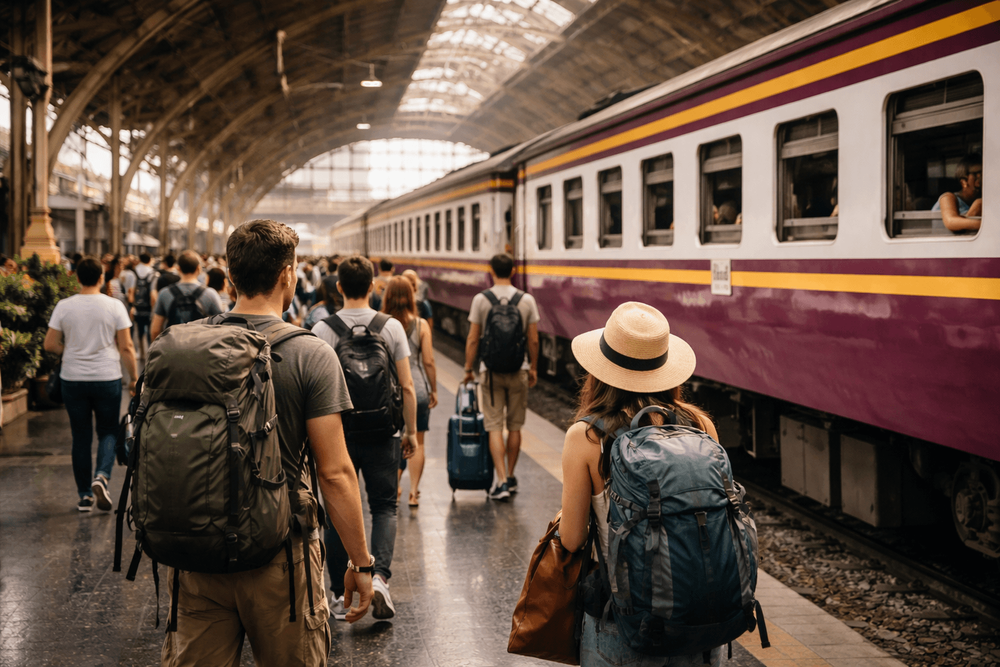
The PA system pops to life just as the diesel hum settles into our bones. We’re at Krung Thep Aphiwat Central Terminal with iced coffee sweating through its plastic, a bag of grilled pork skewers perfuming the air, and that giddy pre-journey buzz. The Bangkok to Chiang Mai day train is idling on the platform, bright-blue carriages promising a slow roll from concrete to jungle and a front-row window on Thailand’s spine. We could fly, sure, but where’s the sanuk in clouds and tray tables? Daylight on steel is the move if we want temples in Ayutthaya flashing by, rice paddies flickering like green scales, and the dramatic climb into the north before we roll into Chiang Mai by dusk.
Data Freshness + Pricing:
- Prices are approximate and in THB.
- Last checked: June 2026.
- Happy hour and promo details change frequently—confirm locally.
Why take the Bangkok to Chiang Mai day train?
We take the Bangkok to Chiang Mai day train when we want the journey to be part of the trip, not a chore we skip with a flight. Daylight means we actually see the country: sun on the Chao Phraya plains, water buffalo flicking their ears, teak forest as the tracks snake toward the mountains. It’s calm, camera-friendly, and cheaper than most flights once you add baggage and airport transfers.
Other reasons it wins:
- Predictable comfort: reserved seats, big windows, AC that actually works. No bunk gymnastics or midnight wake-ups like the sleepers.
- No airport shuffle: Krung Thep Aphiwat connects directly to the MRT, so we dodge taxi roulette on the way out. In Chiang Mai, the station is 10 minutes from the Old City.
- Food at the window: vendors hop aboard with rice boxes and fruit at station stops. The ride becomes a moving street-food tasting.
If you’re still weighing all the ways north—rails, road, or sky—this comparison is handy: Bangkok to Chiang Mai by Train, Bus, or Flight: Which Travel Option Is Best?. Want a bunk and a lullaby instead? We break down berths and coaches in our sleeper deep dive: Bangkok to Chiang Mai by Sleeper Train: Classes, Booking Tips, and What to Expect.
Bangkok to Chiang Mai Day Train: Schedules, Classes, and Duration
Here’s the honest, boots-on-platform picture of the daytime run.
- The go-to daytime service is the Special Express “Sprinter” that departs Bangkok in the morning (typically around 08:30–08:40) and reaches Chiang Mai late afternoon to early evening (roughly 17:30–19:00). Expect about 9–10.5 hours, depending on track work and seasonal delays.
- Departure station: Krung Thep Aphiwat Central Terminal (Bang Sue). Your ticket will also list key pickup stops like Don Mueang (handy if you’ve overnighted near the airport) and Ayutthaya.
- Seating class: Reserved 2nd-class air-con seats in a 2+2 layout. Think reclining chairs, armrests, tray tables, and big windows. No sleepers on the day train, and no true 1st-class seating. Some slower services exist on the route, but they’re not reliable for a daylight Bangkok–Chiang Mai same-day arrival.
- Approx. fares: 2nd-class A/C reserved seat usually lands in the approx. 600–900 THB range for the full Bangkok–Chiang Mai leg. Slower trains (when available) can be cheaper but add hours.
What to expect onboard:
- Reserved seating with carriage and seat number on your ticket. Most folks face forward; if you’re sensitive to motion, choose a window seat and avoid the last row.
- Efficient AC. Bring a light layer—Thai trains can go from soi-sweaty to shiver-mode fast.
- No Wifi. Mobile data works intermittently, then drops in the hills. Download playlists and maps before you roll.
- Power outlets: inconsistent at best; don’t count on one. Charge everything at the station.
- Luggage: Overhead racks happily swallow 40–50L packs; larger roller bags can sit in the carriage ends. Keep valuables under your seat or in your lap when dozing.
Typical major stops (timings vary): Ayutthaya, Lopburi, Nakhon Sawan, Phichit, Phitsanulok, Uttaradit, Den Chai, Lampang, Lamphun—each a brief window on another slice of the country.
Seat picking, the insider way
- Window seats are the prize for the photo-hungry. On the northbound run, the left-hand side often scores more drama in the hills after Lampang, while the right soaks up endless paddies earlier in the day. There’s no truly “wrong” side.
- Solo travelers: request a window and you’ll usually land in A or D (depending on the coach numbering). Couples who like legroom often grab two seats on the same side rather than facing pairs.
- If you nap easily, avoid seats near carriage ends and doors—the whoosh of the vestibule can be constant.
Food and drink on the day train
There’s no full dining car on the Special Express day service, but you won’t go hungry.
- Station vendors pop on and off at bigger stops with plastic-clad rice sets (approx. 50–80 THB), grilled chicken and sticky rice (approx. 40–70 THB), cut fruit (approx. 20–40 THB), and coffee/Thai tea (approx. 30–60 THB).
- Onboard trolleys appear a few times with snacks and drinks. Bring a big bottle of water (approx. 10–20 THB from 7-Eleven at the station) and a backup snack stash.
- Pro tip: A rubber band and napkin around soup lids can save your daypack.
Toilets, cleanliness, and comfort
- Expect one Western and one squat toilet per carriage. Floors get splashy on curves; wear sensible shoes and bring tissues and hand sanitizer.
- The ride is smooth across the plains, then wiggly in the last two hours. If you’re motion-prone, take a tablet before Den Chai.
- Lighting stays on the whole time; an eye mask helps if you want a proper snooze.
The Route: Scenery You Actually See
Bangkok fades under the shadows of flyovers and khlong-side neighborhoods. We clatter past Phaya Thai’s skyline, then slide through Don Mueang’s planes-on-stilts view. The city’s thump gives way to fields; by Ayutthaya, you’ll spot chedis poking up behind factory roofs and temple dogs napping in patches of shade.
- Central Plains: Between Ayutthaya, Lopburi, and Nakhon Sawan, the train crosses the big river country—paddies like mirrors, water buffalo belly-deep, egrets hitching rides on their backs. Windows down in your mind; AC up in real life.
- Phitsanulok + Uttaradit: Wooded stretches and classic station scenes. Look for vendors selling gaeng hunglay with rice in tidy boxes and crunchy pork rinds that pair a little too well with an afternoon Singha (save it for Chiang Mai—alcohol is a mixed bag on Thai trains).
- Den Chai to Lampang: The line begins to climb. Hills crease into mountains and teak forests take over. You’ll feel the curves in your hips and see them snaking ahead.
- Khun Tan Tunnel: Thailand’s longest rail tunnel punches through Doi Khun Tan National Park. It’s not long, but there’s a pleasant whoop from kids when the darkness pops back to green.
- The White Bridge: Keep an eye out for the photogenic White Bridge (Saphan Khao) near Tha Chomphu—bright against the jungle, the kind of scene that makes even jaded farang reach for their phones.
- Lamphun to Chiang Mai: Mango trees, temple roofs, and the Ping River looping toward town. Light gets honey-thick near sunset; the city greets us with golden-hour glow.
This is where a day train beats a night berth: the moments in between. A grandmother handing us grilled bananas at Uttaradit; a monk’s robe flaring like a flag on a platform; schoolkids waving as if we’re a bullet train, not a diesel on a mission.
Booking the Bangkok–Chiang Mai Day Train Like a Local
You’ve got three clean ways to lock seats:
Official SRT e-ticket (website/app): The State Railway of Thailand’s D-Ticket system sells reserved seats and issues QR-code e-tickets. Show the QR on your phone with your passport; screenshots work if reception dies. Booking typically opens about a month in advance (sometimes longer), and holidays sell out fast.
Station counters: Krung Thep Aphiwat has plenty of staffed counters. Bring your passport and know your train number, date, and class. Lines are shorter mid-week and before lunch.
Reputable travel agents: Useful if you want human backup or you’re juggling multiple legs. Expect a modest service fee.
How early to book:
- Regular weeks: 3–10 days out is often fine.
- Peak times: Songkran (mid-April), Loy Krathong/Yi Peng (usually Nov), New Year, and long weekends—book as early as possible once sales open.
Seat tips when booking:
- Ask for a window seat; say “khaw nan taha” and point if needed, but English is widely understood at counters.
- If you’re tall, request seats away from bulkheads; legroom is decent, but the first and last rows are tighter.
Paperwork and checks:
- Passport ID matches the name on your ticket. Conductors do spot checks—don’t tempt fate.
- Keep a digital and paper copy in case your battery and luck die together.
If you decide you’d prefer to snooze the ride and wake up under northern stars, this is your playbook: Bangkok to Chiang Mai by Sleeper Train: Classes, Booking Tips, and What to Expect. If road tripping calls, the overnight bus options are here: Bangkok to Chiang Mai by Bus: Overnight Routes, Comfort, Stops, and Best Booking Tips.
Getting to Krung Thep Aphiwat (Bang Sue) for Morning Departure
From the backpacker orbit around Khao San Road and Soi Rambuttri, we’ve done this enough to have it down to muscle memory.
- MRT route: Grab a tuk-tuk or taxi to MRT Sam Yot or Sanam Chai (approx. 60–120 THB, traffic depending), ride the Blue Line straight to Krung Thep Aphiwat (Bang Sue). Door to door: 35–55 minutes if the sois behave.
- Taxi/Grab all the way: Handy before sunrise. Budget approx. 120–220 THB from Khao San in light traffic; more in rush hour. Ask the driver for “Krung Thep Aphiwat” by name.
- Arrive early: Be at the station 30–45 minutes before departure. You’ll want snack time, a bathroom break, and a quick wander. The blast of AC alone is worth showing up early.
Station intel:
- Food and coffee are everywhere: 7-Eleven, local bakeries, noodle stalls—breakfast for approx. 30–120 THB.
- ATMs and mobile top-up kiosks on site.
- Platforms are well signed in Thai and English. If in doubt, follow the farang with hiking boots and a pineapple bun.
Onboard Rhythm: How the Day Unfolds
- 0:00–1:30 hours: Bangkok unspools. We sip coffee, scroll offline maps, and watch long-tailed boats knife through khlongs as we leave the sprawl.
- 2:00–4:00 hours: The plains. Sun pops, headphones on, snack trolleys trundle by. This is reading and window-staring time.
- 5:00–7:00 hours: Uttaradit and Den Chai. Vendors board; we split a styrofoam rice set and promise we’ll eat better in Chiang Mai. The curves begin.
- 8:00–9:30 hours: The climb, the tunnel, the bridge, the views. AC is crisp; we’re glad we brought a light layer. Suddenly it’s Lamphun, and our phones spring back to life.
- Final approach: Chiang Mai’s low-rise sprawl, temple roofs, and then brakes squeal us into the station right on golden hour if the rail gods are kind.
Arriving in Chiang Mai: Transfers, First Tastes, and Where We Crash
Chiang Mai Railway Station sits in Wat Ket, about 3 km east of Tha Pae Gate and the Old City moat. It’s compact, friendly, and lined with red songthaews (rot daeng) ready to scoop you up.
- Songthaew (shared red truck): Join the queue out front. Into the Old City/Tha Pae area is typically approx. 40–80 THB per person, depending on destination and how many hop in.
- Tuk-tuk: Faster if you’re two or three with big bags. Expect approx. 100–180 THB to the Old City/Chiang Mai Night Bazaar zone after light haggling.
- Grab/Bolt: App rides run approx. 120–200 THB to the Old City or Nimmanhaemin. Good for late arrivals when you don’t want to negotiate.
- Scooter rental: Shops cluster near the station and around Tha Pae Gate. Figure approx. 250–350 THB/day; bring an IDP and play it safe—Chiang Mai traffic is chill until it isn’t.
Cash tip: There’s an ATM inside the station, but we like to have small bills ready for rot daeng fare.
Where we drop our bags:
- If we’re in temple-wandering mode, we aim for a guesthouse inside the Old City near Wat Phra Singh Woramahawihan—quiet sois, easy walks to khao soi, and sunset on the city walls.
- If it’s coffee, co-working, and bars we want, Nimman (Nimmanhaemin Road and its sois) has boutique stays and rooftop spots without the farang zoo vibe.
First bites after arrival:
- Chiang Mai Gate Market lights up with stalls at dusk—grab grilled pork, sai ua (northern sausage), and mango sticky rice (combined damage approx. 80–150 THB for a solid graze).
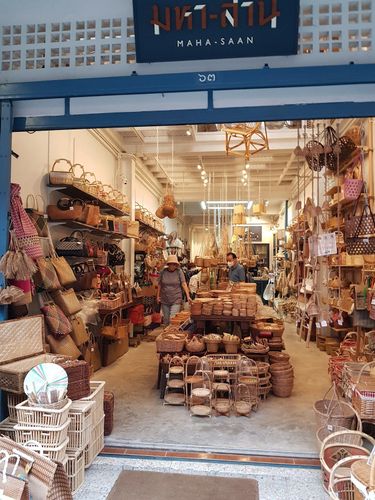
- If you land on a Sunday, the Walking Street from Tha Pae Gate through the Old City is your rolling dinner and souvenir run. Midweek? Waroros Market by the Ping River has the old-school buzz.
Practical Downsides (and How We Roll With Them)
- Delays happen: Freight priority, track work, and rain can add 30–90 minutes. We never plan a same-evening tight tour or a nonrefundable dinner booking.
- Cold carriages: That AC can bite. A light sweater or scarf weighs nothing and saves the day.
- Motion and bathrooms: The mountain curves can make the toilets… interesting. Shoes with grip, tissues, and sanitizer are our holy trinity.
- Noisy neighbors: Families and chatty aunties are part of the soundtrack. Earplugs help. So does saying sawadee and swapping snacks.
Quick FAQ for the Bangkok to Chiang Mai Day Train
- How long is the trip? Approx. 9–10.5 hours, depending on the day and season.
- How much are tickets? 2nd-class A/C reserved seats are typically approx. 600–900 THB.
- Is there food onboard? No full dining car, but frequent vendors and trolleys. Bring water and a snack backup.
- Can I charge my phone? Don’t count on it. Charge beforehand and carry a power bank.
- What if I get train FOMO? Sleepers are great too—here’s the lowdown: Bangkok to Chiang Mai by Sleeper Train: Classes, Booking Tips, and What to Expect.
We’ll be real: the Bangkok to Chiang Mai day train isn’t the fastest route. But when the White Bridge flashes past, a monk smiles back at your wave, and the mountains finally open like a curtain, you’ll be glad we chose the window over the wing. Roll in, drop your bag, and let the city say sawadee with khao soi and a warm night breeze. Tomorrow we’ll rent bicycles, climb the steps at Doi Suthep, and pretend we’re considering the night train south—if we can pull ourselves away at all.
Related Hotels & Places
Khao San Road
Attractions
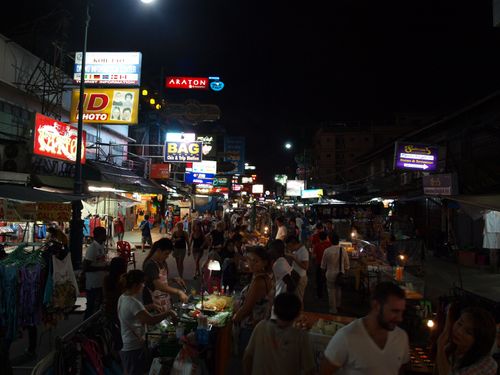
Bangkok’s backpacker carnival: curbside bars, live bands and DJs from 3pm–2am (midnight Sun). Street eats are cheap — pad thai 70–100 THB, mango sticky rice 60–100 THB. Come for wild people-watching; duck into Rambuttri for a calmer beer.
Chiang Mai Night Bazaar
Markets
Waroros Market
Markets
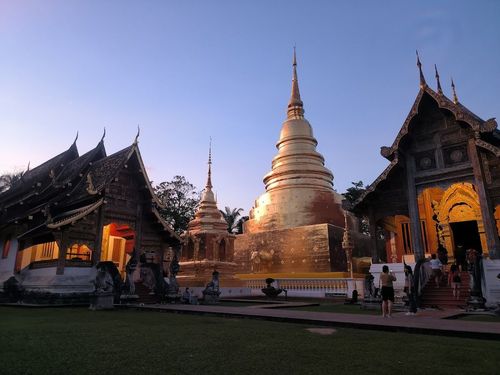
Wat Phra Singh Woramahawihan
Temples
More Khao San Road Guides
- Bangkok to Chiang Mai by Train: Sleeper Classes, Timings, and Booking Tips
- Bangkok to Chiang Mai by Train: Night Sleeper vs Day Train, Tickets, and What to Expect
- Bangkok to Chiang Mai by Train: Sleeper vs Day Train, Fares, and Booking Tips
- Bangkok to Chiang Mai by Night Train: Sleeper Classes, Booking Tips, and What to Expect