
Bangkok to Chiang Mai by Sleeper Train: Is the Overnight Ride Worth It?
Sleep your way north: classes, berths, times, prices, and pro tips for riding the Bangkok to Chiang Mai sleeper train without losing a day.
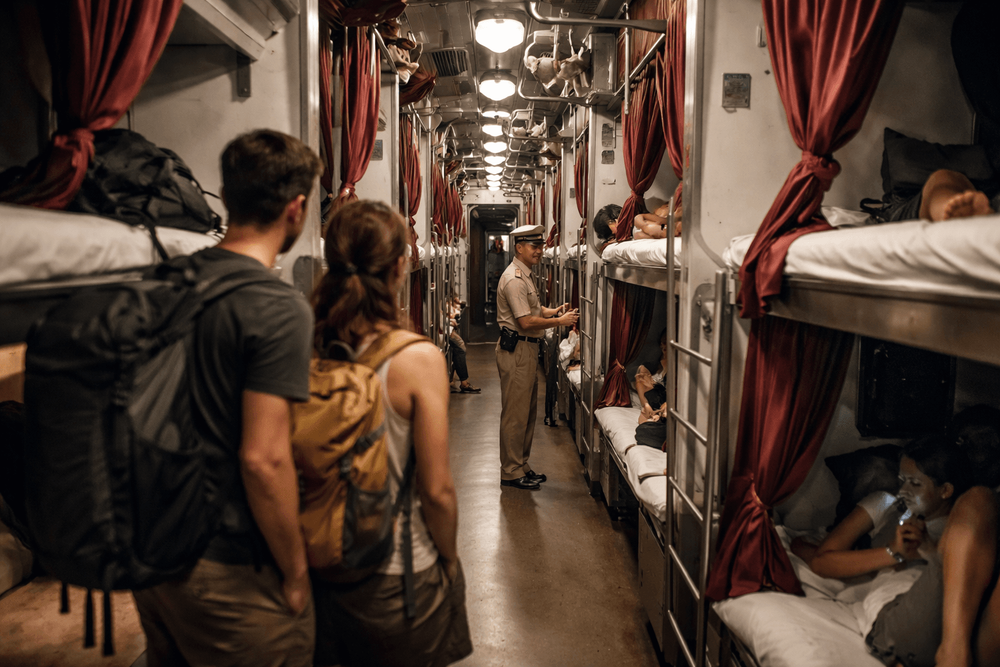
We step into the cool blast of AC at Krung Thep Aphiwat Central Terminal and feel the city’s heat drop from our shoulders like a damp towel. The platform smells faintly of diesel and fried garlic from a food stall that shouldn’t taste this good next to a train. This is Bangkok to Chiang Mai sleeper train moment people romanticize: a berth that turns into a bed, a slow roll out of Bangkok’s neon and into the misty north, and the kind of unhurried travel we forget to make time for.
Is it worth skipping the red-eye flight for a bunk on steel wheels? If we’re in no rush and want the journey to be part of the trip, absolutely. Here’s how to do it right.
Why take the Bangkok to Chiang Mai sleeper train
Bangkok to Chiang Mai by Train: Night Sleeper vs Day Train, Tickets, and What to Expect We like the night train because:
- It’s efficient. You travel while you sleep and wake up where the khao soi is.
- It’s sanuk (fun). There’s something soothing about the sway through rice fields and khlongs, the thrum of the tracks like a lullaby.
- It’s scenic by dawn. Peek out just after Lampang and you’ll catch fog tucked into the hills.
- It’s social. You meet people — Thai families with picnic dinners, monks tucked into corner berths, farang swapping mango sticky rice tips for Warorot Market.
Downsides? It’s not a hotel bed. There’s motion, bathroom treks in your socks, and you’ll be up early. But we’ll take the trade if it means avoiding airport queues and sleeping off Bangkok without losing a day.
If you’re still weighing options, we’ve compared night transport head-to-head in Bangkok to Chiang Mai at Night: Sleeper Train vs Overnight Bus vs Red-Eye Flight.
Bangkok Chiang Mai sleeper train classes and berths
You’ve got a few flavors of comfort. The sweet spot for most travelers is 2nd class AC sleeper, but here’s the full menu.
First Class Sleeper (1st Class AC)
- What it is: A lockable two-berth private cabin with a sliding door. Two seats convert to lower and upper bunks; you can book both for a private room or share with a same-gender stranger if you book a single berth.
- Comfort: Quiet, wider mattress on the lower, better privacy. Fresh sheets, blanket, pillow, reading lights, and a small table. Power outlet for charging. The car has shared toilets; newer sets have cleaner fittings and better water pressure.
- Vibe: Feels like you’ve upgraded your backpack to a carry-on. Great for light sleepers, couples, or anyone who wants a door.
- Price range: Typically 1,500–2,100 THB per person depending on train and berth (lower costs a bit more).
Second Class Sleeper (2nd Class AC)
- What it is: Open-plan carriages with paired seats that convert into bunks. Curtains give you privacy; lights dim after the attendant makes up the beds.
- Upper vs lower: Lower bunk is wider and a touch pricier; upper is narrower, sometimes cooler under the AC vents, and can feel snug if you’re tall. Both run about 1.8m in length.
- Comfort: Surprisingly good sleep if you pack earplugs and an eye mask. Clean bedding and pillow provided.
- Price range: Expect roughly 800–1,100 THB (lower about 50–150 THB more than upper).
Ladies-Only Car
On many services (especially the new Special Express sets), there’s a women-and-children-only carriage. It’s signed in Thai and English. If that’s important to you, request it when booking and double-check your coach number.
Second Class Fan Sleeper (older stock)
Still appears on some trains, but less common. It’s cheaper and warmer, with fans overhead and windows you can open. Romantic in theory, sweaty in practice from March–May. We only pick this in cool season or if AC berths are sold out.
Seat-Only Options
There are reserved seats (AC or fan) for overnight services. We’ve done it; our backs didn’t thank us. For a true overnight, pay the sleeper premium.
Dining, snacks, and alcohol rules
- Food: Some trains have a dining car; on others, attendants take meal orders to your seat. Expect Thai comfort food — fried rice, basil pork, omelets — 80–180 THB. It’s edible, not extraordinary.
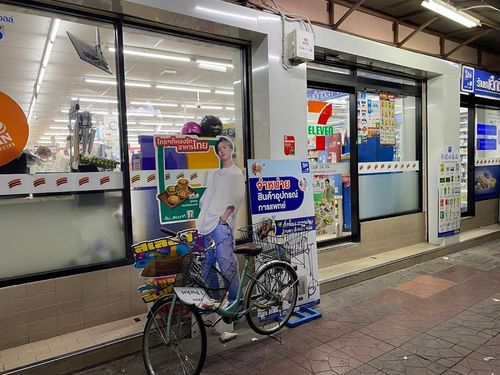
- Bring your own: We load up at 7-Eleven (the blessed blast of AC on the way in) with water, fruit, and a late-night pad krapao in a plastic clamshell. Vendors sometimes hop on at intermediate stations with grilled chicken and sticky rice.
- Alcohol: Officially banned on SRT trains since 2014. That beer you think you deserve? Save it for Chiang Mai.
Bangkok to Chiang Mai by Train: Sleeper vs Day Train, Fares, and Booking Tips
Times, stations, and how booking really works
Journey time and typical departures
- Travel time: 11 to 14 hours depending on the train (Special Express is quickest). Don’t plan tight connections the morning you arrive.
- Departures: Popular night trains usually roll out between 17:00 and 22:30. The sweet spot we aim for leaves around early evening so you can eat, doze, and wake up near Lamphun.
- Arrivals: Expect 05:30 to 09:30 in Chiang Mai. Delays happen — a slow freight up ahead, a signal check — so build in wiggle room.
Bangkok station: Krung Thep Aphiwat Central Terminal (Bang Sue)
- Where: North of the old town, connected to the MRT Blue Line (Bang Sue). From Khao San Road/Rambuttri, a metered taxi or Grab is easiest — 30–50 minutes depending on traffic; budget 120–220 THB plus tolls if you take the expressway.
- Layout: Big, bright, and new. Digital boards in English. Food court, mini-marts, and clean bathrooms. Arrive 30–45 minutes early if you like a no-rush noodle soup before boarding.
- Note: Some local services still use Hua Lamphong, but long-distance northbound sleepers generally depart Krung Thep Aphiwat. Always check your ticket.
Chiang Mai Railway Station
- Where: East of the Old City in the Wat Ket neighborhood, about 3 km from Tha Phae Gate. It’s a mellow station with coffee, ATMs, and songthaews lined up out front.
- Onward rides: Red songthaew trucks charge roughly 30–60 THB to the Old City shared fare; haggling comes with the territory. Grab runs 120–180 THB into Old City/Nimmanhaemin depending on time. Tuk-tuks are fun if you’ve slept well and don’t mind some morning exhaust.
Booking your sleeper
- How to book:
- SRT D-Ticket app or official website (English available). E-tickets on your phone are fine — bring the passport used for booking.
- Station counters: Krung Thep Aphiwat sells all routes; Hua Lamphong often can book as well. Staff are used to bewildered farang — just smile and say “sawadee” before you ask for your berth.
- When to book: Popular sleepers can sell out days ahead in peak season and on weekends. As a rule, book as early as you can once your dates firm up. The advance window typically opens about a month ahead and sometimes longer around holidays; keep an eye on availability.
- Picking berths: If you want a lower bunk, request it; they’re limited. Families can usually get adjacent berths if you book together.
Bangkok to Chiang Mai by Train: Night Sleeper vs Day Train, Tickets, and What to Expect
Know before you go: prices, rules, and quirks
- Fares: Expect roughly 800–1,100 THB for 2nd class AC sleeper, 1,500–2,100 THB for 1st class. Uppers are cheaper than lowers by ~50–150 THB. Dynamic pricing and train type affect this.
- ID check: Conductors scan your ticket; keep passport handy. No need to print if you’ve got a clear e-ticket.
- Luggage: No formal weigh-in. A big backpack or medium suitcase tucks under the lower seat; overhead racks handle small rollers and daypacks. Bring a cable lock if you’re anxious.
- Temperature: Thai AC doesn’t do half-measures. Pack a light layer — a shirt or scarf — even if it’s 32°C on the platform.
- Bathrooms: Western and squat toilets onboard. Flush can be vigorous; don’t sacrifice your AirPods. Hand soap is hit-and-miss — carry sanitizer and a pocket pack of tissue.
- Lights out: Attendants make the beds about an hour after departure. They’re pros — seats become mattresses in 30 seconds with a crisp flip of the wrists.
- Etiquette: Keep the party voice for Khao San’s bars. Headphones for your Thai pop playlist. Shoes off on bunks, please.
- Safety: Petty theft is rare but not mythical. Sleep with valuables in a crossbody at your feet or use a small travel cable to tether your pack.
What to pack for real sleep on rails
- Earplugs and eye mask: The track sings; the corridor glows. Block both.
- Soft clothing: You’ll twist a bit as the train banks into curves. Joggers, not skinny jeans.
- Snacks and water: 1–2 liters per person keeps you from 3 AM dehydration. A bag of longan or mango is peak Thai train energy.
- Chargers and a splitter: Sockets exist but can be scarce and shared. A small power bank helps when neighbors hog the outlet.
- Slip-on shoes or sandals: For bathroom runs at 2 AM. Flip-flops dry fast after a splashy sink.
- Motion helpers: If you’re prone to nausea, grab ginger candies or a patch. Upper bunks sway a touch more.
Getting to the station from Khao San, Soi Rambuttri, and the Old Town
- Fastest: Metered taxi or Grab. Leave before rush hour (16:00–18:30) if you can. Expect 120–220 THB depending on traffic and tolls.
- Cheaper-mingler: Walk to Phra Athit Road, hop a Chao Phraya Express Boat to Sathorn (16–20 THB), then MRT/Grab across town. It’s scenic but slower with luggage.
- Tuk-tuk? Fun for a short haul, but not great value across the river. Save your tuk-tuk budget for a night spin around Ratchadamnoen when you’re back in Bangkok.
What the night actually feels like
We rumble past Bang Sue’s concrete canyons, the city peeling back into backyards strung with fairy lights and laundry. Someone unwraps grilled chicken; the car smells like lemongrass and charcoal. By Ayutthaya, the carriage hushes. The attendant tucks sheets with military precision; curtains zip; the air cools. Sleep comes in waves — clack, sway, exhale — interrupted by a station or two where the platform glows like a stage.
Just before dawn, we pull the curtain. Palms, then teak, then the soft gray of northern hills. Coffee appears — instant, scalding, perfect. This is why we take the train.
Rolling into Chiang Mai: arrival hacks
Onward transport from Chiang Mai Railway Station
- Red songthaews: Tell the driver “Tha Phae Gate” or your soi. Expect 30–60 THB per person if you share; more if you want a private ride. Prices rise with luggage and sleep-crumpled bargaining.
- Grab and taxis: 120–180 THB to Old City/Nimman most mornings. We favor Grab before 7 AM; less haggling before caffeine.
- Arcade Bus Terminal (for Pai/Chiang Rai): About 10 minutes by songthaew from the train station. If you’re heading to Pai, morning minibuses start around 07:00–08:00; leave buffer time.
Timing your first Chiang Mai day
- Early arrivals: Many guesthouses will store your bags even if check-in is 14:00. Ask nicely; the north runs on soft smiles.
- Breakfast nearby: Warorot Market (Kad Luang) starts humming early. Grab jok (rice porridge), soy milk, or a bag of khanom krok (coconut pancakes). Khao soi is a late-breakfast/early-lunch move — most famous spots open closer to 10:00–11:00.
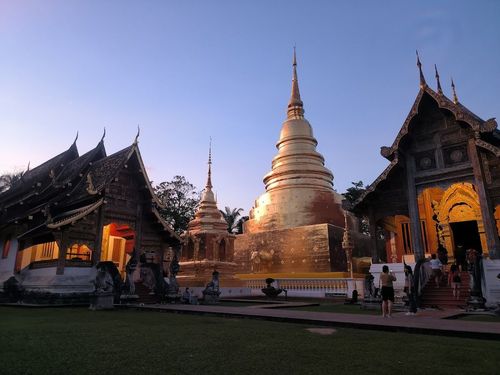
- Gentle first steps: Stroll Tha Phae Gate before the tour buses, then cut west to Wat Phra Singh Woramahawihan and Wat Chedi Luang — incense, temple drums, and the slow drip of monk chat schedules on a board under a bodhi tree.
- If you’ve got legs left: Save Doi Suthep for the afternoon golden hour, when the city below glints like scattered baht coins.
Is the sleeper worth it and who should ride it?
- Perfect for: Travelers who like the idea of trading a hotel night for a moving bed; couples who want a first-class cabin; solo travelers who don’t mind a curtain instead of a door; families making a memory.
- Maybe skip if: You’re a featherweight sleeper with a 9 AM Zoom call or you get train-sick in a tuk-tuk. Fly, nap, and meet us for dinner on Nimmanhaemin.
Bangkok to Chiang Mai by Train: Sleeper Classes, Timings, and Booking Tips
Final tips from the rails

- Grab a lower berth if you can; the extra width feels deluxe when you’re half-asleep at 3 AM.
- Don’t overpack food; the car smells like a night market after two curry puffs.
- Set an alarm 30 minutes before scheduled arrival so you can sip coffee and watch the approach through Lamphun’s teak.
- Step off in Chiang Mai, say “sawadee” to the red truck driver, and let the city’s soft pace teach you to slow down. We’ll meet you at Tha Phae with a bag of mango and maybe, just maybe, the best bowl of boat noodles you’ll taste this trip.
Related Hotels & Places
7-Eleven
Shops
Khao San’s 24/7 reset button: ice‑cold A/C, ham‑cheese toasties, All Café iced lattes, water for 7–14 THB, and late‑night supplies from snacks to sunscreen—right by Rikka Inn.
Khao San Road
Attractions
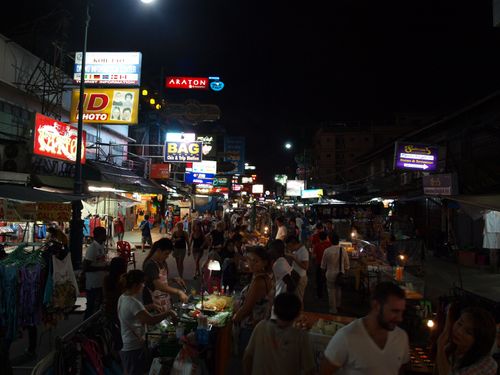
Bangkok’s backpacker carnival: curbside bars, live bands and DJs from 3pm–2am (midnight Sun). Street eats are cheap — pad thai 70–100 THB, mango sticky rice 60–100 THB. Come for wild people-watching; duck into Rambuttri for a calmer beer.
Rambuttri
Markets
Khao San’s calmer cousin: a tree‑shaded lane of VW van cocktail bars, open‑air foot massages, pad thai grills, and easygoing live bands. Best from sunset to 11pm; beers 80–120 THB, cocktails 150–220 THB. One block from the chaos, all the charm.
Wat Phra Singh Woramahawihan
Temples

Wat Chedi Luang
Temples
Recommended Products
More Khao San Road Guides
- Bangkok to Chiang Mai by Train: Night Sleeper vs Day Train, Tickets, and What to Expect
- Bangkok to Chiang Mai by Train: Sleeper Classes, Timings, and Booking Tips
- Bangkok to Chiang Mai by Train: Sleeper vs Day Train, Fares, and Booking Tips
- Bangkok to Chiang Mai by Sleeper Train: Classes, Booking Tips, and What to Expect