
Bangkok to Chiang Mai by Train: Sleeper vs Day Train, Fares, and Booking Tips
Ride the Bangkok–Chiang Mai train like a pro: sleeper vs day, fares, classes, schedules, booking tips, and real-world advice from Bangkok regulars.
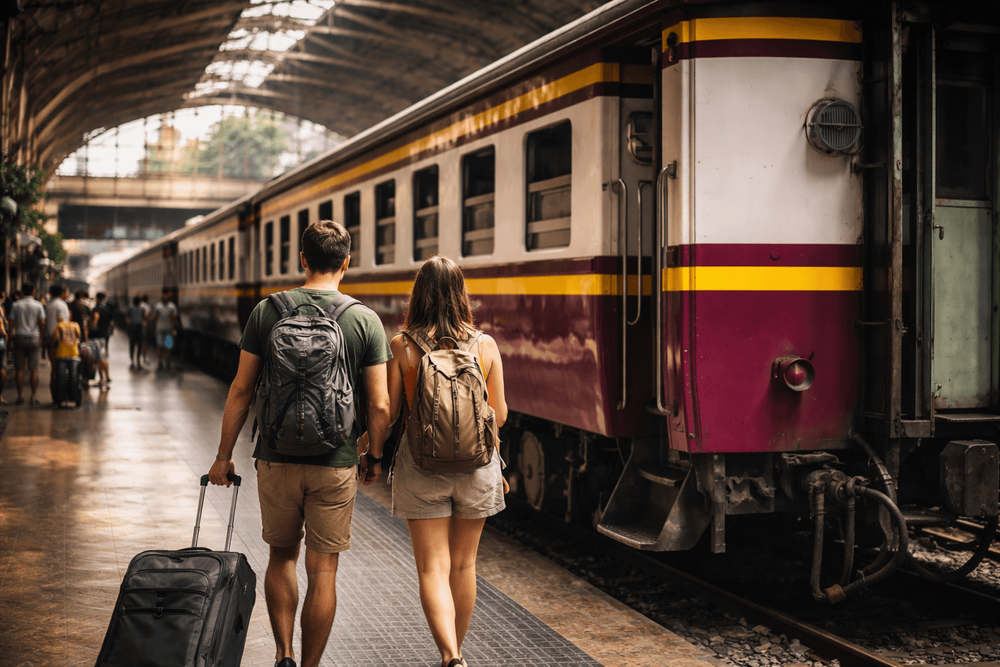
We’re standing under the high ceilings of Krung Thep Aphiwat Central Terminal, that blast of AC fighting Bangkok’s soup-thick heat while the loudspeaker rolls through destinations in Thai. Vendors are slinging fried chicken and plastic cups of iced coffee, porters weave past with luggage trolleys, and a line of farang clutch paper tickets with “Chiang Mai” printed in neat, black letters. This is the bangkok chiang mai train—Thailand’s classic night ride—and we’re here for the slow-burn version of northbound travel: trackside noodle slurps, rocking berths, and sunrise over the hills past Lampang.
Why Take the Bangkok to Chiang Mai Train
If you want the skyline without the markup, you ride a river ferry; if you want to feel Thailand shift from klong-side shophouses to northern teak houses, you take the train.
- It’s sanuk: There’s a particular magic to the dining car’s clink and sway, to reading a book while rice fields smear by, to waking up with mountain air sneaking under your curtain.
- It’s practical: The overnight sleeper doubles as your hotel room on wheels, saving a night’s accommodation and dropping you a tuk-tuk hop from the Old City.
- It’s scenic: Daylight runs pass Ayutthaya’s temples, Lopburi’s monkey town, teak forests, and the long climb through Khun Tan Tunnel—the highest point on the line.
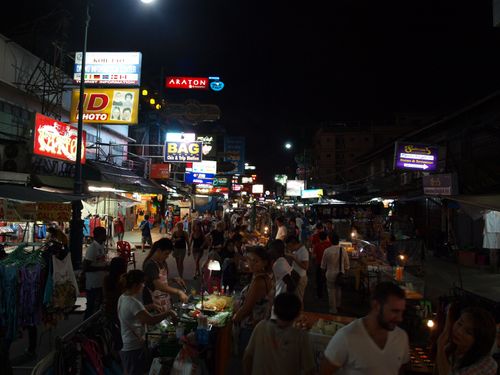
- It’s part of the story: Your first sawadee from a train steward, that 7-Eleven emergency run for snacks, the thump of bass from a Khao San Road bar the night before—this is how trips get texture.
Expect a 10–13 hour journey, a little sway, a fair bit of AC, and occasional delays that feel like Thailand reminding us who’s in charge.
Bangkok to Chiang Mai Train: Options, Classes, Fares, and Booking
The Northern Line is one of the State Railway of Thailand’s busiest corridors. Trains run daily, with a mix of day expresses and night sleepers. Most long-distance services depart Bangkok from Krung Thep Aphiwat Central Terminal (Bang Sue Grand Station). Always check your ticket—route changes and timetable tweaks happen.
Train Types You’ll See
- Special Express Sleeper (most popular): Modern, air-conditioned coaches with 1st- and 2nd-class sleepers. These are trains that turn into bunk beds after dark; stewards make up berths with sheets and blankets.
- Express/Rapid (seats and some older sleepers): Slower, more local stops, often cheaper. Comfort varies.
- Day Express (Diesel Railcar): Air-conditioned, reserved seats only, timed for daylight views.
Typical travel time is 10–13 hours depending on service. Night specials hover around 12 hours; day expresses about 10.5–11.5 hours.
Classes and What They Mean
- 1st Class Sleeper (air-con): 2-berth private cabins with a door you can lock, washbasin in some cars, reading lights, and power outlets. Lower berth is wider than upper. Best for couples, light sleepers, and anyone who likes their own little kingdom.
- 2nd Class Sleeper (air-con): Open-plan berths along the carriage with curtains for privacy. Lower berths are wider; uppers are a touch cheaper. Clean bedding, bright lights at night (your curtain blocks most). The best value sweet spot.
- 2nd Class Seat (air-con or fan): Reclining seats, decent legroom, sometimes outlets. Fine for day trains, less fun overnight.
- 3rd Class Seat (fan): Hard benches or basic padded seats, windows open, local vibes, and the price to match. Romantic in theory; sweaty in practice.
Typical Fares (one-way, per person)
Fares fluctuate a bit by train type and berth (lower vs upper). Here’s what we’ve paid recently on the bangkok chiang mai train:
- 1st Class Sleeper (AC): 1,900–2,400 THB (lower usually 200–300 THB more than upper)
- 2nd Class Sleeper (AC): 800–1,100 THB (lower a bit more than upper)
- 2nd Class Seat (AC): 450–700 THB
- 3rd Class Seat (fan): 200–350 THB
Note: Prices can change. If you’re traveling peak season (Nov–Feb) or during festivals like Loi Krathong or Songkran, book early.
Sample Schedules (subject to change)
- Night Special Express: Early evening departures from Bangkok, morning arrivals in Chiang Mai.
- Day Express: Morning departure from Bangkok, evening arrival in Chiang Mai.
Don’t sweat memorizing train numbers; just focus on “night sleeper” vs “day express,” then pick your class.
Where to Book Tickets
- Online via SRT’s official e-ticket system (D-Ticket): Easiest for DIY. Seats open roughly 30 days ahead. You’ll get an e-ticket you can show on your phone.
- At stations: Ticket counters at Krung Thep Aphiwat or Hua Lamphong (central Bangkok’s old station) can issue advance tickets. Bring passport.
- Through agents: Handy if your card hates overseas transactions or you want someone to snag specific berths. Expect a small service fee.
For deeper dives into timetables, classes, and current quirks, we break down the night vs day choice here: Bangkok to Chiang Mai by Train: Night Sleeper vs Day Train, Tickets, and What to Expect. If you’re leaning toward the daylight run, this one: Bangkok to Chiang Mai by Day Train: Routes, Classes, Travel Time, and What to Expect.
What It’s Like Onboard
Seats vs Sleepers
- Day Train Seats: Think aircraft-style, but roomier. Windows are big; AC can be Arctic. Bring a light jacket or scarf. You’ll have a tray table for your khao man gai if you grabbed it at the station.
- 2nd Class Sleepers: You start in seats facing each other; after dark a steward appears with a practiced flick-flick of sheets and straps, and suddenly you have stacked bunks with thick curtains. Lights stay on in carriages; the curtain is your cocoon.
- 1st Class Sleepers: Slide the door shut and you’ve got your own mini-room. There’s a call button, sometimes a sink, and enough space to exhale. If we’re arriving before dawn and plan to hit Chiang Mai’s markets straight off, this is the splurge that pays back in energy.
Food and Drink
- Dining Car: On many night specials, the restaurant car serves simple Thai dishes—pad krapao, fried rice, tom yum—usually 80–150 THB. The vibe is cafeteria-chic with rattling cutlery and a loyal following.
- Trolley Service: Staff push carts with snacks, instant noodles, coffee (30–50 THB), and soft drinks.
- BYO Snacks: We stock up at 7-Eleven—grilled chicken “pops,” seaweed, fruit, big water. Alcohol sales are banned onboard; enforcement varies, but assume no beers.
Amenities and Comfort
- Power Outlets: Newer sleepers have outlets at each berth or seat; older cars cluster them near the ends. Bring a small power bank just in case.
- Toilets: Both Western and squat. They’re usually fine early, less fine late. Pack tissues and hand gel.
- Security: Conductors patrol; in 2nd class we clip a strap from our bag to the berth. In 1st class you can lock the door.
- Motion and Noise: Expect gentle rocking and the occasional screech on curves. Light sleepers should pack earplugs.
The Views
- Bangkok to Ayutthaya: Warehouses, khlongs, and low-rise suburbs yield to temple spires and open fields.
- Lopburi: Keep eyes peeled for macaques near the station—it’s the monkey town.
- Den Chai to Lampang: Hills thicken, teakwoods gather, and the line threads the Khun Tan Tunnel, the highest point on the Thai rail network.
On the bangkok chiang mai train by day, the last three hours are the showstopper. On the night train, set an alarm for first light.
Know Before You Go: Stations, Luggage, Timing
Getting to Your Bangkok Departure
- Station: Most long-haul trains now leave from Krung Thep Aphiwat Central Terminal (Bang Sue Grand Station). Double-check your ticket in case of changes.
- From Khao San/Soi Rambuttri: Metered taxi is usually 100–160 THB off-peak; 25–45 minutes depending on traffic and whether your driver fancies the expressway. Grab tends to be a little more predictable. The city bus is cheap but sweaty.
- MRT: Easiest train-to-train connection. Ride the Blue Line to Bang Sue; follow signs to the big concourse.
Tip: Arrive 30–45 minutes early. Krung Thep Aphiwat is massive; you’ll want time to find your platform, grab water, and hit the ATM.
Arriving in Chiang Mai
- Station Location: Chiang Mai Railway Station sits east of the Ping River, about 3–4 km from Tha Phae Gate.
- Getting to Town: Red songthaews cluster outside; expect 60–100 THB per person shared to the Old City. A private tuk-tuk runs a bit more. Grab car to Nimman or the Old City usually lands in the 120–200 THB range, depending on time of day.
- Left Luggage: There’s a luggage office at the station for a small fee; hours can vary—use it for a half-day if your room isn’t ready.
Where we crash: near the moat inside the Old City for morning walks to Warorot Market, or in Nimman for coffee runs and a quick grab to Doi Suthep. For budget arrivals off the night train, a guesthouse with early baggage drop is worth more than a pool.
Luggage, Bikes, and Bulky Stuff
- Luggage: Overhead racks handle carry-ons; bigger bags often tuck at the end of the carriage. Label everything.
- Bikes/Boards: Some services can carry bikes in a baggage compartment for a fee; policies shift, so confirm at the station.
- Weight: There’s no strict enforcement for normal travel bags, but keep it manageable—Bangkok’s staircases and Chiang Mai’s songthaews don’t care how much you bench.
When to Travel
- Cool Season (Nov–Feb): Prime time: drier air, clear views. Trains sell out early; snag sleepers as soon as sales open.
- Hot Season (Mar–May): AC becomes your best friend. Aim for night trains.
- Rainy Season (Jun–Oct): Lush landscapes, occasional delays. September can be the soggiest; give yourself buffer time if you have tight connections.
Delays, Buffers, and Sanity
The Northern Line is scenic because it’s curvy and mountainous. That also means it’s more prone to delays than a laser-straight high-speed line. Add 30–90 minutes of slack to your plan. If you’ve got a Chiang Mai flight out the same day you arrive—don’t. Sleep a night in town instead.
How the Train Stacks Up: Trains vs Flights vs Buses
You’ve got three main ways north. Which one fits depends on your time, budget, and appetite for romance vs efficiency.
Train (Bangkok–Chiang Mai)
- Time: 10–13 hours
- Cost: 200–2,400 THB depending on class
- Comfort: Best in sleepers; day seats fine for scenery
- Vibe: Peak Thailand—temples, rice fields, dining car noodles, a berth made up with a magician’s snap
- Downsides: Possible delays, chilly AC, no guaranteed silence
Flight
- Time: 1–1.5 hours in the air, but add 2–3 hours for airport transit, check-in, security, and baggage.
- Cost: Promo fares can run 800–1,800 THB one-way on low-cost carriers; add for baggage and seat selection.
- Comfort: Quickest route; least scenic; carbon footprint is higher.
- Best for: Tight itineraries, meetings, or if you hate rocking to sleep.
Bus (Mo Chit 2 to Chiang Mai Arcade Terminal)
- Time: 9–11 hours, day or night
- Cost: 600–1,000 THB for VIP classes (24–32 seats), less for standard
- Comfort: Reclining seats, blankets, occasional snacks; no chance to walk around like on a train
- Downsides: Highway rest stops at 2 AM, A/C that swings from glacier to sauna, traffic
We’ve laid out the head-to-head in detail here: Bangkok to Chiang Mai by Train vs Plane vs Bus: Which Way Is Best for Your Budget, Time, and Comfort?. If you’re still weighing a mix of options for a bigger itinerary, this overview helps map the whole trip: Bangkok to Chiang Mai: The Best Ways to Travel by Train, Bus, Flight, or Private Transfer.
Insider Tips We Actually Use
- Book Lower Berths if You’re Tall: They’re wider and feel less sway. If you’re a light sleeper, 1st class is the upgrade that matters.
- Pack for AC: Socks, a light layer, and a scarf go a long way at 2 AM.
- Bring Earplugs and an Eye Mask: Curtains block light, not everything.
- Eat Early: Dining cars sometimes close before you think. We do dinner by 8:30 PM and save a snack for sunrise.
- Mark Your Stop: Set a phone alarm for 20–30 minutes before Chiang Mai. Staff wake sleepers, but your backup is smart.
- Cash Helps: Cards aren’t a given onboard. Keep small bills for snacks and coffee.
- Respect the Rules: No smoking between cars, no alcohol sales, and keep the aisles clear when berths are made.
- Ticket Strategy: If sleepers are sold out, check a day train + cheap guesthouse combo; it can beat 2nd-class seats overnight for comfort.
- Festival Season: For Loi Krathong (usually Nov) and Songkran (mid-Apr), trains sell out fast. Book the day sales open.
Final Word from the Platform
If Bangkok is all neon tuk-tuks and the sizzle of a wok down a smoky soi, Chiang Mai is morning bells and mountain air. The bangkok chiang mai train stitches those worlds together at human speed. When the carriage quiets and the last cup of gas-station coffee cools, we pull the curtain, listen to the rails hum, and let Thailand do the rest. Grab a lower berth, pack a sweater, and we’ll see you in the dining car when the basil hits the wok.
Related Hotels & Places
More Khao San Road Guides
- Bangkok to Chiang Mai by Train: Night Sleeper vs Day Train, Tickets, and What to Expect
- Bangkok to Chiang Mai by Train: Sleeper Classes, Timings, and Booking Tips
- Bangkok to Chiang Mai by Train: Night Train, Day Train, and Seat vs Sleeper Options Compared
- Bangkok to Chiang Mai by Train vs Bus: Which Option Is Better for Your Trip?