Bangkok to Chiang Mai by Train vs Bus: Which Option Is Better for Your Trip?
Sleeper train romance or VIP bus efficiency? We compare time, price, comfort, stations, and booking tips for Bangkok to Chiang Mai: train vs bus.
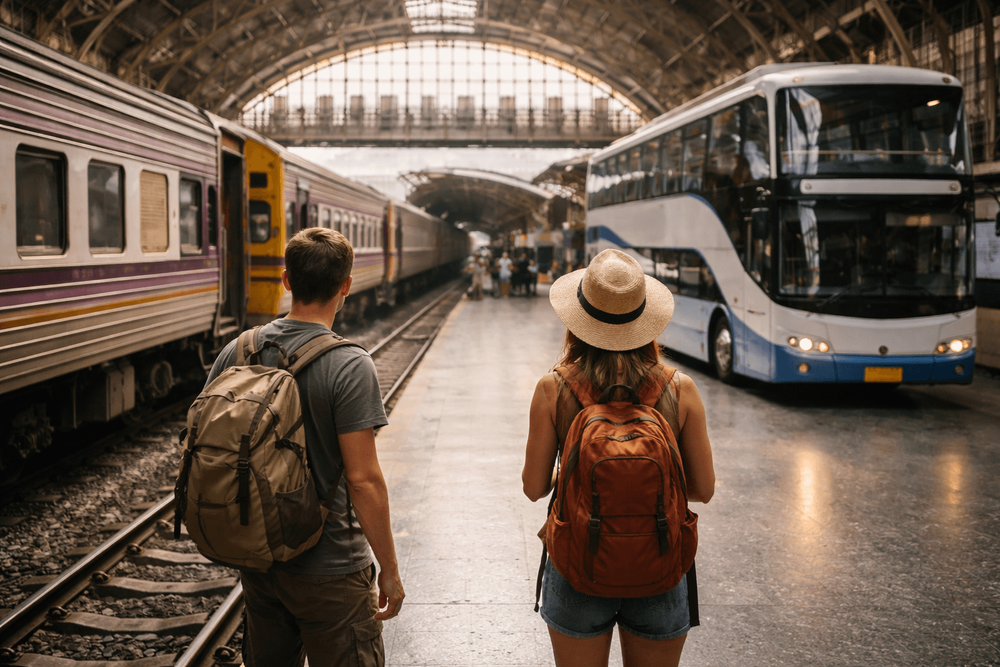
We’re standing under the cavernous roof of Krung Thep Aphiwat Central Terminal, the new megastation formerly known as Bang Sue. The floor hums. A vendor hands us iced coffee sweet enough to launch a rocket. And we’re making that classic backpacker choice: Bangkok to Chiang Mai travel options. It’s not just a question of time and baht—it’s the whole vibe of your trip. Do we fall asleep to the click-clack of rails and wake to misty mountains, or barrel north overnight on a VIP coach with a blanket, a neck pillow, and a surprise rest-stop bowl of kuay jap?
Bangkok to Chiang Mai Train vs Bus: The Vibe
Both routes deliver us to the Lanna capital, lanterns swaying over the moat and the smell of grilled sai ua curling through the Old City. But the journey feels different.
- Train is about romance and room to breathe. It’s wandering to the dining car, sipping a 40-baht tea while rice paddies slide by, and turning your berth into a cocoon for the night.
- Bus is about efficiency and price. It’s point-to-point speed, adjustable seats, decent blankets, and a driver who knows every bend on Highway 1.
If we’ve got the time and want the memory, we go train. If we’re counting baht or short on hours, bus can be the sanuk, no-fuss move.
Journey Time at a Glance
- Night train: typically 11–14 hours door-to-door. Schedules vary, with popular departures in the early evening (around 18:00–22:00). Day trains run too, usually 10–12 hours, but we lose a full day of exploring.
- Bus: usually 9–11 hours depending on traffic, roadworks, and weather. Overnight buses leave late afternoon or evening and roll into Chiang Mai around dawn.
Comfort and Sleep Quality
- Train: More space to move, stretch, and use the restroom without acrobatics. Second-class AC sleepers convert from seats to proper berths with curtains; first-class sleepers give us a private two-berth cabin. The AC can be cold—bring a light layer.
- Bus: Reclining seats, footrests, pillows, and blankets are standard on First Class and VIP coaches. Some buses have seatback screens and snacks. Sleep is decent if you can doze sitting up; light sleepers might find the road bumps and rest-stop lights a challenge.
Scenery, Social, and Sanuk
- Train: It’s the sunrise that gets us—rice fields giving way to hills, the last stretch winding along the Ping River. Onboard, there’s a gentle camaraderie: backpackers comparing notes on Khao San, aunties unpacking sticky rice, and the steady thrum of the tracks.
- Bus: Less movement, more movies. We’ll likely stop once or twice at bright, 24-hour rest stations where the smell of basil and frying garlic rides the night air. It’s efficient rather than atmospheric.
Classes, Seats, and What You Actually Get
Train: What the Tickets Mean
- Third-class seat (fan): Bare-bones benches, windows that slide, fans that do their best. It’s cheap and textured—great for short hops, less ideal for 12 hours.
- Second-class seat (AC): Padded reclining seats, overhead luggage, charging ports on many carriages, and blessed cold air. Fine for a day train; overnight gets stiff.
- Second-class sleeper (AC): Your Goldilocks option. Seats transform into upper and lower bunks with curtains. The lower bunk is wider and pricier; the upper is snug but comfy.
- First-class sleeper (AC): Two-berth private cabins, a door you can lock, and more space to stash backpacks. Families can sometimes connect cabins with an adjoining door.
Toilets range from clean to “bring tissues and hand gel.” Newer carriages on certain trains are significantly better, with bright lights, decent loos, and USB sockets.
Bus: The Alphabet Soup Decoded
- Standard/Express: Basic intercity service; reclining seats, AC that swings between arctic and sauna, one or two rest stops. Budget-friendly.
- First Class/32–36 seat: More legroom, better recline, blankets, snacks, and usually a toilet onboard.
- VIP/24 seat: The sweet spot for buses—fewer, wider seats, big recline, footrests, working AC, onboard toilet, and sometimes individual screens. Reputable operators keep blankets clean and driving smooth.
On buses, we stash big packs in the undercarriage and keep valuables (passport, cash, electronics) in a daypack at our feet. Tag your bag, snap a photo, and double-check at every rest stop.
Prices, Fares, and What Affects Them
Train rough ranges (one-way):
- Third-class seat: about 200–350 THB
- Second-class seat (AC): about 500–800 THB
- Second-class sleeper (AC): upper berth about 900–1,200 THB; lower berth about 1,000–1,400 THB
- First-class sleeper (AC cabin): about 1,600–2,100 THB for one berth in a two-berth cabin
Bus rough ranges (one-way):
- Standard/Express: about 450–700 THB
- First Class/32–36 seat: about 600–900 THB
- VIP/24 seat: about 800–1,100 THB
What moves the needle:
- Season: Songkran (mid-April), Loy Krathong/Yi Peng (usually November), Christmas/New Year, and long weekends push demand through the roof. Sleeper berths sell out first.
- Day vs night: Night trains and VIP night buses get snapped up because they double as a “hotel night.” Expect slightly higher prices and lower availability.
- Berth choice: Lower bunks on trains cost a bit more; worth it if you want extra width and less sway.
- Operator and equipment: Newer train carriages and VIP 24-seat buses tend to be pricier but more comfortable.
Luggage Rules and Reality
- Train: There’s no airline-style weigh-in. We sling big backpacks near our berth or in overhead racks; truly oversized bags can sit on the floor at the end of the carriage. Keep valuables with you. A small cable lock through zippers buys peace of mind while we sleep.
- Bus: Large bags go underneath; get a claim tag. Don’t pack passports or electronics in the hold. Always check your bag number at arrival—rest-stop shuffles happen.
Where You Leave and Where You Land
Bangkok Departures
- Trains to Chiang Mai now depart primarily from Krung Thep Aphiwat Central Terminal (Bang Sue). It’s directly on the MRT Blue Line, so we ride the subway, avoid traffic, and follow the signs. A few services may still pass through or originate at Hua Lamphong, but the big show is at Krung Thep Aphiwat.
- Buses depart mainly from Bangkok Bus Terminal (Chatuchak), universally called Mo Chit 2. We can take BTS to Mo Chit or MRT to Chatuchak Park/Kamphaeng Phet and then hop a short taxi, motorbike, or city bus to the terminal. It’s not a charming walk in Bangkok heat.
- Tourist buses sometimes leave from agencies around Khao San Road and Soi Rambuttri. Some are fine; some are farang funnels with vague tickets and mystery operators. If we go this route, we use reputable agencies and insist on named operators and seat numbers.
Chiang Mai Arrivals
- Train: Chiang Mai Railway Station sits east of the Old City near Wat Ket. Shared red songthaews (the red pickup trucks) wait outside; expect about 40–80 THB per person to the moat area, more if we’ve got bulky bags or it’s late. Grab rides often run 120–200 THB to the Old City depending on time.
- Bus: Chiang Mai’s Arcade Bus Terminal (Terminals 2 and 3) is about 4–5 km east of the Old City. Same deal—songthaews queue up, usually 40–80 THB per person for shared rides. Tuk-tuks will try for 120–200 THB; smile, bargain, or walk to the songthaews.
If we’re rolling in at sunrise, the cafés on Thapae Road blink awake early. If it’s late night, 7-Eleven’s freezer-burned ham-cheese toasties are an oddly perfect welcome snack. Don’t judge—we’ve all been there, seeking that blast of AC and fluorescent comfort.
Pros and Cons by Traveler Type
Budget Travelers
- Bus wins on price most of the time, especially Standard or First Class. VIP 24 is still usually cheaper than a second-class sleeper.
- Third-class train seats can undercut a bus, but 10–12 hours on a hard bench is a story you’ll tell more than enjoy.
Families and Small Groups
- Train shines. We can book adjacent lower/upper bunks or a first-class cabin for privacy. Kids can wriggle, nap flat, and wander to the dining car. Toilets are easier to access.
- Buses are doable, but overnight with toddlers can be tricky—seatbelts vary, and the aisle is not for roaming.
Backpackers and Solo Travelers
- The iconic night train is a rite of passage, and second-class sleeper is social without being intrusive. We chat, we snack, we crash.
- Buses are solid if we’re on a tight schedule or grabbing a last-minute seat when sleepers are sold out. Bring a hoodie for the AC and earplugs for the movie marathon.
Overnight Trip Seekers (Time = Money)
- Fastest door-to-door is often the bus, thanks to shorter highway times and plentiful departures.
- Best sleep is the train, especially lower-berth second-class or first-class cabin. We step off in Chiang Mai much less groggy.
Booking Tips, Seasonality, and Smart Moves
- Trains: Book sleepers as early as you can—popular berths go fast in high season. We use the official State Railway of Thailand channels or buy at the station a few days ahead if our dates are flexible. If a first-class cabin is non-negotiable, aim for 1–3 weeks in advance (more around festivals).
- Buses: Go with reputable operators. Buy from their official counters at Mo Chit or their websites. Agencies near Khao San are convenient but may add markups or shuffle you between companies. Ask to see the actual company and seat number before you pay.
- Seat selection: On the train, choose lower berths for more width and a smoother ride; uppers are a touch cheaper and quieter when the aisle gets busy. On the bus, avoid the very back row if you get carsick and try mid-vehicle for a smoother ride.
- Food and water: Train dining cars are a toss-up—some are cheerful, some are “instant noodles and vibes.” Stock 7-Eleven snacks, fruit, and plenty of water. Buses usually hand out a snack box and bottled water; we still bring backups.
- Clothing strategy: Both train and bus AC can be peng (cold). Pack a light sweater or scarf; socks are the secret weapon.
- Safety check: Keep the small bag with essentials on you when you sleep. We loop a strap around a wrist or ankle. On rest stops, take valuables with you. Nothing ruins Chiang Mai plans like chasing a backpack up the highway.
Peak Demand Calendar
- Songkran (mid-April): Water fights, soaked shirts, booked-out sleepers, and packed buses.
- Loy Krathong/Yi Peng (usually November): Lantern magic, sold-out everything.
- December–January: Cool season, big crowds, higher fares.
- Long weekends and Thai holidays: Locals go home, students travel—join the stampede or plan around it.
Real-World Scenarios: What We’d Choose
- We’ve got a full day to burn and want the memory: Second-class AC sleeper on the night train, lower berth if we snag it. Wake to green hills and a hot coffee rolling into Chiang Mai.
- We land in Bangkok at noon and want to be in Chiang Mai by breakfast: VIP 24-seat bus overnight from Mo Chit. Hood up, playlist on, and we’re rolling.
- We’re a couple with gear and a need for quiet: First-class train cabin. It’s pricier, but the door closes, and we’re asleep in minutes.
- We’re short on baht and flexible: First Class bus or Standard bus if our spine is feeling brave. We’ll save a couple hundred baht for khao soi on arrival.
Getting There: Stations, Transfers, and Little Frictions
- Krung Thep Aphiwat (Bangkok): Hop on the MRT Blue Line straight to the station. Inside, follow bilingual signage. Give yourself a buffer—the place is huge, and that papaya salad outside the gate will seduce you.
- Mo Chit 2 Bus Terminal (Bangkok): BTS to Mo Chit or MRT to Chatuchak Park/Kamphaeng Phet, then short taxi or bus. Leave an extra 20–30 minutes for the terminal’s sprawl and queue.
- Chiang Mai Railway Station: Songthaew stand just outside; tell the driver “Tha Pae Gate” or your soi name near the moat. Agree the price before hopping in. We expect 40–80 THB per person shared.
- Arcade Bus Terminal (Chiang Mai): Same routine—songthaew, Grab, or tuk-tuk. If the driver quotes a number that makes you laugh, smile and find another truck. There’s always another truck.
Downsides Worth Owning
- Heat and cold: We sweat on the platform and freeze under the vent. Layers save the day.
- Delays: Trains can trundle in late; buses can get stuck outside Ayutthaya at rush hour. Don’t schedule a tight trek start the same morning.
- Noise: Night bus movies, fellow farang swapping stories, khlong-side frogs singing near rural tracks—earplugs are gold.
- Scams and shuffles: Tourist-bus offices that “upgrade” you into the worst seat or claim your preferred train is full—book direct when possible.
What About Flying?
If you’re curious how planes stack up on time, cost, and carbon, we’ve done a full three-way breakdown here: Bangkok to Chiang Mai by Train vs Plane vs Bus: Which Way Is Best for Your Budget, Time, and Comfort?. For pure overland feels, keep reading this page; for fastest airport-to-airport times, that guide has the nitty-gritty.
Deep Dives If You Pick Bus
If you’re leaning bus and want specifics on overnight comfort, rest stops, and which VIP seat numbers to fight for, check our take on coaches here:
- Bangkok to Chiang Mai by Bus: VIP Coaches, Overnight Routes, and What to Expect
- Need booking and operator pointers? Here’s a practical rundown: Bangkok to Chiang Mai by Bus: Overnight Routes, Comfort, Stops, and Best Booking Tips
Know Before You Go (Tiny Things That Matter)
- Bring tissues and hand gel—the loo lottery is real.
- A light padlock on zippers buys great sleep.
- Download offline maps before leaving Bangkok; 4G can fade in the hills.
- If you get carsick, book a mid-bus seat; on trains, lower berths sway less.
- On the train, café car hours can be inconsistent—don’t gamble dinner on it.
- On buses, the provided blanket is a scarf; your scarf is a duvet.
So… Train or Bus?
If the journey is part of your story, we say train—second-class AC sleeper, lower berth if available. If you’re optimizing baht and time, a reputable VIP 24-seat bus does the job beautifully. Either way, we’ll roll into Chiang Mai as the city yawns awake, snag a bowl of boat noodles near the moat, and watch the mountains shake off the morning mist. Give us a wave if you see us in a red songthaew—bags under our eyes, mango sticky rice in hand, and zero regrets.
Related Hotels & Places
Khao San Road
Attractions
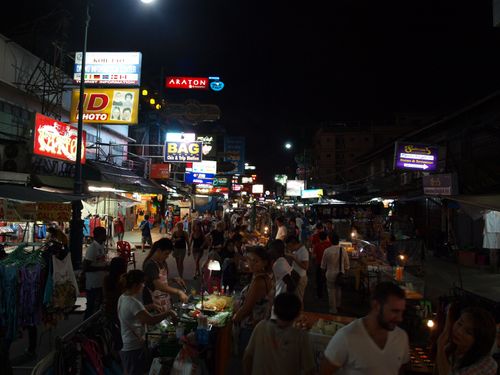
Bangkok’s backpacker carnival: curbside bars, live bands and DJs from 3pm–2am (midnight Sun). Street eats are cheap — pad thai 70–100 THB, mango sticky rice 60–100 THB. Come for wild people-watching; duck into Rambuttri for a calmer beer.
7-Eleven
Shops
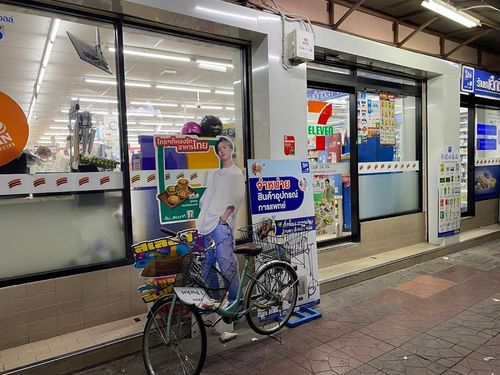
Khao San’s 24/7 reset button: ice‑cold A/C, ham‑cheese toasties, All Café iced lattes, water for 7–14 THB, and late‑night supplies from snacks to sunscreen—right by Rikka Inn.
More Khao San Road Guides
- Bangkok to Chiang Mai: The Best Ways to Travel by Train, Bus, Flight, or Private Transfer
- Bangkok to Chiang Mai by Train vs Bus vs Flight: Which Option Is Best for Your Trip?
- Bangkok to Chiang Mai by Train, Bus, Flight, or Private Car: Which Option Is Best for Your Trip?
- Bangkok to Chiang Mai by Train vs Bus vs Flight: Which Trip Is Best for Your Budget and Schedule?