Bangkok Street Food for Non-Thai Speakers: Essential Phrases, Menu Clues, and Easy Orders
Master Bangkok street food phrases for easy ordering: clear Thai lines, menu words, spice levels, and etiquette so you eat exactly what you crave.
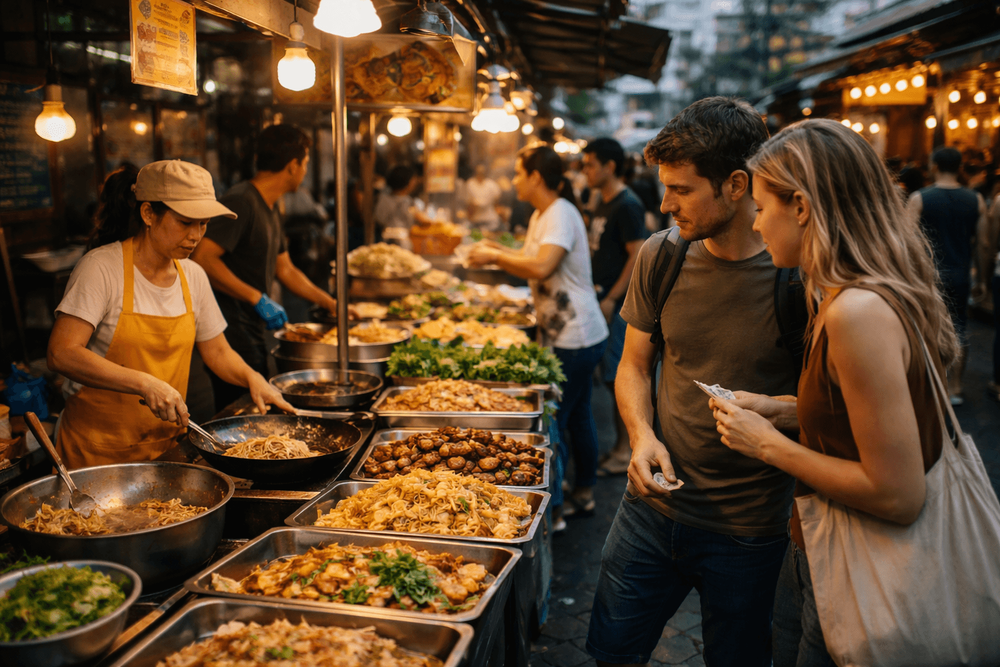
We’re standing on Baan Manee BKK, where smoke curls up from a charcoal grill and a wok snaps like fireworks. A fan whirs. A cat considers our ankles like we might drop pork. If you’ve memorized exactly zero Bangkok street food phrases, don’t panic. We’re going to point, smile, and say just enough Thai to get exactly what we want—hold the chilies, add a fried egg, bag it to-go—then eat under the fairy lights while the thump from a Khao San Road bar leaks into the soi.
Essential Bangkok street food phrases (with real-world uses)
Let’s keep it simple. You don’t need a full phrasebook to eat like a pro. These are the lines we actually use at carts from Yaowarat to Phra Athit Road. Use “krap” if you identify as male-presenting, “ka” if female-presenting; it softens everything and makes it polite.
- I’ll have…: “Ao … krap/ka” (เอา … ครับ/ค่ะ)
Example: Ao pad krapao moo sai kai dao krap (I’ll have spicy basil pork with a fried egg.) - Can I get this?: “Ao an-nee dai mai krap/ka?” (เอาอันนี้ได้ไหมครับ/คะ?) while pointing
- Eat here: “Kin tee-nee krap/ka” (กินที่นี่ครับ/คะ)
- Takeaway: “Ao glub baan krap/ka” (เอากลับบ้านครับ/คะ) or “Sai tueng krap/ka” (ใส่ถุงครับ/คะ — put in a bag)
- How much?: “Tao-rai krap/ka?” (เท่าไหร่ครับ/คะ)
- A little spicy: “Ped nid-noi krap/ka” (เผ็ดนิดหน่อยครับ/คะ)
- Not spicy: “Mai ped krap/ka” (ไม่เผ็ดครับ/คะ)
- Very spicy: “Ped mak krap/ka” (เผ็ดมากครับ/คะ)
- Don’t add…: “Mai sai … krap/ka” (ไม่ใส่ … ครับ/คะ)
Example: Mai sai prik (no chili), Mai sai nam pla (no fish sauce), Mai sai pong chu rot (no MSG) - Add a fried egg: “Sai kai dao krap/ka” (ใส่ไข่ดาวครับ/คะ)
- What do you recommend?: “Mee arai nae-nam mai krap/ka?” (มีอะไรแนะนำไหมครับ/คะ)
- A bottle of water with ice: “Nam bplao neung khuat sai nam-keng krap/ka” (น้ำเปล่าหนึ่งขวดใส่น้ำแข็งครับ/คะ)
- Can I sit here?: “Nang tee-nee dai mai krap/ka?” (นั่งที่นี่ได้ไหมครับ/คะ)
- Thank you: “Khop khun krap/ka” (ขอบคุณครับ/ค่ะ)
Tip: Prices on carts are often hand-written. If you don’t catch the number, the vendor will usually tap the digits into a calculator—normal. Expect 40–70 baht for noodle soups, 50–80 for stir-fries (a fried egg adds 10–15), 10–15 baht per moo ping (pork skewer), 60–100 for mango sticky rice in busy areas.
For a deeper playbook on ordering confidently, we break down stall flow and spice customizations here: How to Order Bangkok Street Food Like a Local: Thai Phrases, Toppings, and Stall Etiquette.
Pronunciation and tone tips (the friendly, functional version)
Thai is tonal, but your smile does half the work. If tones feel intimidating, keep these survival rules in your back pocket:
- Endings matter less than clarity: Hit the key word—“mai ped” (not spicy) or “ped nid-noi” (a little spicy)—and you’ll be fine.
- “R” can sound like “L”: “Prik” (chili) may sound like “plik/prik,” “krap” can soften toward “klap.” Don’t sweat it.
- “Ng” at word start is real: “Ngoh” (ram but not on food carts much). If it shows up, let the “ng” buzz.
- Long vs. short vowels: “Khao” (rice) vs. “Kao” (enter). Stretch the vowel in khao rice dishes. You’ll hear it.
- Keep your endings crisp: “Ped” (spicy) ends with a soft ‘t’—don’t say “peh.”
- Politeness particles: Toss a “krap/ka” on the end and suddenly you’re everyone’s favorite farang.
If you’re unsure, ask with a grin and point. Bangkok vendors are champions at reading gestures—this is a city where business gets done fast under neon and steam.
Helpful phrases for real street food situations
You’re in a queue; woks are flying; your brain is mush from the heat; you need to stay sanuk (fun) about it. These lines keep the wheels turning.
Queue and timing
- Are you open?: “Pertid mai krap/ka?” (เปิดไหมครับ/คะ)
- How long will it take?: “Cha nan tao-rai krap/ka?” (จะนานเท่าไหร่ครับ/คะ)
- I’ll wait here: “Ror tee-nee krap/ka” (รอที่นี่ครับ/คะ)
Prices and payment
- How much is this?: “An-nee tao-rai krap/ka?” (อันนี้เท่าไหร่ครับ/คะ)
- Can I pay now/later?: “Chai ngun dtaawn-nee rue dtai krap/ka?” (ใช้เงินตอนนี้หรือตาย … better: “Jai ngun dtaawn-nee rue tee-lang krap/ka?” จ่ายเงินตอนนี้หรือทีหลังครับ/คะ)
- Do you have change?: “Mee neung baht luey mai krap/ka?” is clunky; easier: show 100 and ask, “Bplian ngoen dai mai krap/ka?” (เปลี่ยนเงินได้ไหมครับ/คะ — can you make change?)
- No need for a bag: “Mai tong tueng krap/ka” (ไม่ต้องถุงครับ/คะ)
Note on bargaining: Don’t. Food stalls aren’t tourist tchotchke stands. If a pad thai on Kope Hya Tai Kee is 80 baht instead of 50, you’re paying for the circus.
Recommendations and specials
- What’s good today?: “Wan-nee arroi arai krap/ka?” (วันนี้อร่อยอะไรครับ/คะ)
- Same as him/her: “Meuan kan krap/ka” (เหมือนกันครับ/ค่ะ) while pointing
- Is this spicy?: “An-nee ped mai krap/ka?” (อันนี้เผ็ดไหมครับ/คะ)
Dietary needs and allergies
- I’m allergic to…: “Phom/chan phae … krap/ka” (ผม/ฉัน แพ้ … ครับ/คะ)
Peanut: “tua li song” (ถั่วลิสง)
Shrimp: “goong” (กุ้ง)
Squid: “pla meuk” (ปลาหมึก)
Crab: “puu” (ปู)
Egg: “kai” (ไข่)
Milk: “nom” (นม) - No meat: “Mai kin neua sat krap/ka” (ไม่กินเนื้อสัตว์ครับ/คะ)
- Vegetarian: “Mangsawirat krap/ka” (มังสวิรัติครับ/คะ)
- Vegan-ish Thai Buddhist veg: “Gin jay krap/ka” (กินเจครับ/ค่ะ — no meat, no fish sauce, no egg, no garlic/chives)
- No fish sauce: “Mai sai nam pla krap/ka” (ไม่ใส่น้ำปลา)
- No oyster sauce: “Mai sai nam man hoy krap/ka” (ไม่ใส่น้ำมันหอย)
- No shrimp paste: “Mai sai kapi krap/ka” (ไม่ใส่กะปิ)
- No MSG: “Mai sai pong chu rot krap/ka” (ไม่ใส่ผงชูรส)
More on navigating ingredients and safety here: Bangkok Street Food for First-Time Visitors: How to Order, Pay, and Eat Safely.
Common Bangkok street food menu vocabulary
Menus swing between Thai script, transliteration, and tiny photos. These words de-code most boards from Victory Monument boat-noodle boats to late-night Sukhumvit carts.
Noodles (ก๋วยเตี๋ยว, guay tiew)
- Noodle types:
Sen yai (เส้นใหญ่) — wide rice noodles (chewy, great for pad see ew)
Sen lek (เส้นเล็ก) — thin rice noodles
Sen mee (เส้นหมี่) — very thin rice vermicelli
Ba mee (บะหมี่) — yellow egg noodles (wheat)
Wun sen (วุ้นเส้น) — glass noodles (mung bean) - Soup styles:
Naam (น้ำ) — with broth
Haeng (แห้ง) — “dry” (saucy but no broth) - Proteins:
Moo (หมู) pork, Gai (ไก่) chicken, Neua (เนื้อ) beef, Pla (ปลา) fish, Goong (กุ้ง) shrimp, Luuk chin (ลูกชิ้น) meatballs - Greatest hits:
Kuay tiew moo/gai/neua — noodle soup with pork/chicken/beef
Boat noodles (ก๋วยเตี๋ยวเรือ, guay tiew reua) — rich, herby broth; bowls are small (15–25 baht around Victory Monument; order 3–5 bowls)
Pad see ew — wide noodles, soy sauce, Chinese broccoli, smoky wok breath
Pad kee mao — “drunken noodles,” spicier, lots of basil and chili
How to order: “Ao guay tiew moo sen lek naam ped nid-noi krap” (Pork noodle soup, thin noodles, with broth, a bit spicy.)
Rice dishes (ข้าว, khao)
- Khao pad (ข้าวผัด) — fried rice (add protein: moo/gai/goong/neua)
- Pad krapao (ผัดกะเพรา) — holy basil stir-fry, usually chopped pork or chicken; add “sai kai dao” for a crispy fried egg
- Khao man gai (ข้าวมันไก่) — Hainanese chicken rice
- Khao moo daeng / moo krob — red pork / crispy pork over rice
- Khao gaeng (ข้าวแกง) — “curry over rice” stalls with metal trays; point-and-choose
- Kai jeow (ไข่เจียว) — Thai omelet over rice (cheap, fast, fantastic with sriracha)
Sample order: “Ao khao pad goong mai sai nam pla, ped nid-noi, sai kai dao krap.”
Grilled and fried (a.k.a. skewer heaven)
- Moo ping (หมูปิ้ง) — sweet pork skewers (10–15 baht each)
- Gai yang (ไก่ย่าง) — grilled chicken
- Sai krok Isan (ไส้กรอกอีสาน) — sour Isan sausage (ask “mai ped” if you’re chili-shy)
- Sai ua (ไส้อั่ว) — northern herby sausage
- Pla pao (ปลาเผา) — salt-crusted grilled fish, stuffed with lemongrass; sold by weight
- Tod man pla (ทอดมันปลา) — fish cakes
- Gai tod (ไก่ทอด) — fried chicken
Pro move: Order moo ping, then snag sticky rice (khao niaow, 10–15 baht) from the same cart. Eat with fingers, wipe with tissues that somehow stick to everything in the humidity.
Desserts and sweets
- Khao niaow mamuang (ข้าวเหนียวมะม่วง) — mango sticky rice (60–100 baht near tourist strips)
- Roti (โรตี) — flaky griddled pancake; start with banana + condensed milk
- Khanom buang (ขนมเบื้อง) — Thai crispy tacos with meringue and coconut
- Bua loy (บัวลอย) — warm coconut milk with chewy rice-flour balls
- Luk chup (ลูกชุบ) — almond mung bean sweets shaped like tiny fruits (adorable, Instagram catnip)
Drinks (shock your system, then cool it)
- Cha yen (ชาเย็น) — Thai iced tea (ask “waan noi” for less sweet)
- Oliang (โอเลี้ยง) — Thai iced coffee, dark and toasty
- Cha manao (ชามะนาว) — lime iced tea
- Nam manao (น้ำมะนาว) — limeade
- Nam bplao (น้ำเปล่า) — plain water
- Bia (เบียร์) — beer (Leo, Chang, Singha on ice)
Sweetness control:
- “Waan noi” (หวานน้อย) — a little sweet
- “Mai waan” (ไม่หวาน) — not sweet
- “Wan mak” (หวานมาก) — very sweet
If you want a bigger rundown of stall types—and what to expect by cart shape—bookmark this: Bangkok Street Food by Food Stall Type: Cart Classics, Skewers, Soups, and Grab-and-Go Meals.
Cultural etiquette that keeps everything smooth
Bangkok rewards the respectful and the decisive. A few ground rules so we don’t get side-eye from the auntie with the ladle:
- Queue with your eyes: Lines can be loose. Clock who arrived before you. When it’s your turn, step to the front, order quickly, step aside. If there’s a number system, take a ticket.
- Don’t haggle: Food prices are posted or understood. Save negotiations for tuk-tuk rides.
- Mind the condiments: The four-friend caddy—chili flakes, fish sauce, vinegar with chilies, sugar—is for you to customize. Taste first; then adjust. Return spoons to the jar handle-up.
- Cash rules: Stalls often operate on small change. Carry 20s, 50s, and 100s. If you drop a 1,000 at a morning jok (rice porridge) stand, expect a hunt for change.
- Seat-sharing is normal: Slide into a spare chair and say “khor toht krap/ka” (sorry/excuse me). Wipe your chopsticks and spoon with the tissue roll.
- Clean-up courtesy: Hand back bowls or trays. If it’s a metal-tray curry stall, the staff will bus, but a tidy table is appreciated.
- Photos are fine: A polite nod first; don’t block the wok with your lens.
For more nuance—from when to pay to peak-hour etiquette—dive into: Bangkok Street Food Etiquette: How to Order, Pay, Sit, and Eat Like a Local.
Know before you go (heat, hours, and how to get there)
- Heat management: We order, then dart into the blast of AC at 7-Eleven for a minute, clutching a 10-baht water like a relic. No shame in the cool-down game.
- Hours: Breakfast jok and grilled pork skewers light up around 6:00–9:30. Lunch stir-fries run 11:00–14:00. Night markets and pad thai carts peak 18:00–23:30. Around Khaosan Bar Ayutthaya, 2:00 a.m. pad thai on tinfoil plates is a rite of passage.
- Getting there: For the Khao San Road Police Station–Rambuttri Village Hotel–Phra Athit triangle, hop the Chao Phraya Express to Phra Arthit Pier and walk five minutes. Yaowarat (Chinatown) glows brightest after sunset; MRT Wat Mangkon drops you in the middle of the noodle maze.
- Price sense: A fair, local price for kuay tiew is 50–70 baht in most neighborhoods; 80–120 in tourist-thick zones. Stir-fries with egg ring in at 60–90. Grilled fish can be 180–280 depending on size.
- Rain plan: Vendors will MacGyver canopies out of tarps and prayer, but seats are limited. Grab takeaway (“sai tueng”) and eat under an awning.
- Scams and silliness: If a tuk-tuk driver quotes 300 baht for a 2-km ride to a night market “far, far,” it’s your cue to walk or use a meter taxi. Food vendors are overwhelmingly legit—your biggest hazard is over-ordering.
If you want to practice phrases before you’re nose-to-wok, our short-and-sweet refresher is handy: How to Order Street Food in Bangkok: Thai Phrases, Stall Etiquette, and Easy Customizations.
Putting it all together: three real orders you can steal
Yaowarat noodle stand, late night, crowded:
“Ao guay tiew moo sen lek naam ped nid-noi, mai sai nam pla, kin tee-nee krap.”
Translation: Pork noodle soup, thin noodles, with broth, a little spicy, no fish sauce, dine-in.Phra Athit curry trays at lunch:
Point to two trays and say, “Khao gaeng song yang, an-nee lae an-nan, mai ped, sai kai dao, ao glub baan ka.”
Translation: Curry over rice, two choices—this and that—mild, add a fried egg, to-go.Sukhumvit soi cart, midnight pad krapao:
“Ao pad krapao gai ped nid-noi, sai phak yeu-yeu, mai sai pong chu rot, sai kai dao krap.”
Translation: Basil chicken, a little spicy, extra veg, no MSG, add a fried egg.
Quick-reference mini glossary (clip to your brain)
- “Ao …” — I’ll take/have …
- “Mai ped / ped nid-noi / ped mak” — not / a little / very spicy
- “Sai … / mai sai …” — add / don’t add …
- “Kai dao” — fried egg
- “Nam bplao” — plain water
- “Waan noi / mai waan” — less sweet / not sweet
- “Naam / haeng” — with broth / dry
- “Khao” — rice
- “Guay tiew” — noodles
- Proteins: moo (pork), gai (chicken), neua (beef), goong (shrimp), pla (fish)
- Allergies: “phom/chan phae …” — I’m allergic to …
- “Khop khun krap/ka” — thank you
When we’re back on Soi Rambuttri, we’ll do what we always do: order moo ping two-at-a-time, grab sticky rice, and chase it with a cha manao (lime iced tea), “waan noi” so it doesn’t taste like a candy bar. Try a few of these phrases tonight and you’ll feel the city open up—one bowl, one smile, one perfectly fried egg at a time.
Related Hotels & Places

Baan Manee BKK
Hotels
A 118‑year‑old riverside house turned boutique stay and café. Sunset terrace, a small bar and a fire pit on the Chao Phraya. Ten minutes across from Khao San—come for proper coffee by day, drinks after dark, and quiet sleep away from the noise.
Khao San Road
Attractions
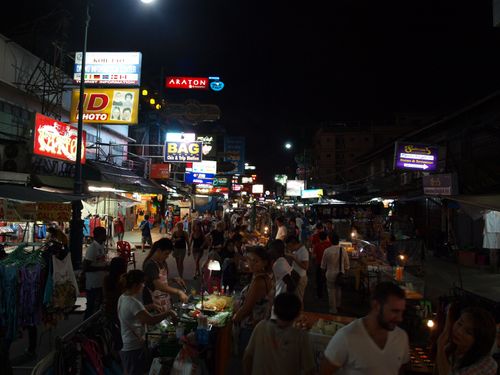
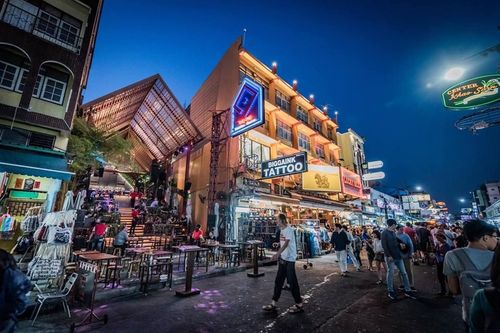
Bangkok’s backpacker carnival: curbside bars, live bands and DJs from 3pm–2am (midnight Sun). Street eats are cheap — pad thai 70–100 THB, mango sticky rice 60–100 THB. Come for wild people-watching; duck into Rambuttri for a calmer beer.
Here bar-KhaosanRoad
Clubs
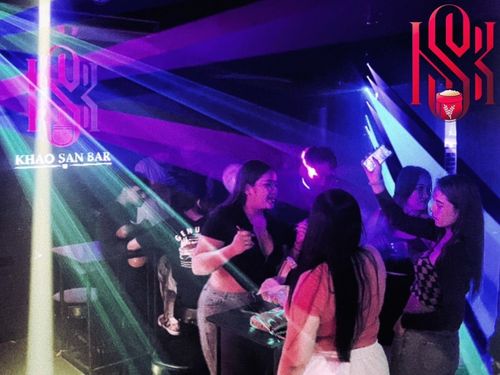
Nightclub on Khao San Road.
Kope Hya Tai Kee
Cafes
Heritage Thai–Chinese coffeehouse by the Giant Swing. Come for strong Ceylon tea, Thai coffee, and the signature cha‑fe (tea+coffee), plus comforting breakfast plates and toasts. Daily 7am–8pm; about a 15‑minute walk from Khao San.
Khaosan Bar Ayutthaya
Bars
Khao San Road (shopping area)
Shops
Bangkok’s backpacker circus. By 3pm the stalls roll out; by night the bars roar until 2am. Street pad thai and scorpions, buckets and cheap beers, tattoos and foot massages (~฿250). Start on Khao San, drift to Rambuttri when you need a breather.
Khao San Road Police Station
Services
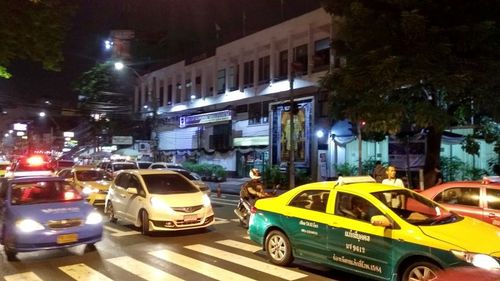
Tourist police station at the corner of Khao San Road and Chakrapong Road. Assistance for travelers 24/7.

Rambuttri Village Hotel
Hotels
Rambuttri Village Hotel provides flawless service and all the necessary facilities for visitors. Stay connected with your associates, as complimentary Wi-Fi is available during your entire visit. The inn offers taxi amenities to assist you in discovering your desired offerings in Bangkok.The inn off
More Khao San Road Guides
- Bangkok Street Food Order Guide: Thai Names, English Meanings, and Easy Phrases for First-Time Travelers Near Khao San Road
- How to Order Bangkok Street Food Like a Local: Thai Phrases, Toppings, and Stall Etiquette
- How to Order Bangkok Street Food: Thai Phrases, Spice Levels, and Stall Etiquette for Khao San Road First-Timers
- How to Order Street Food in Bangkok: Thai Menu Words, Queue Etiquette, and Stall-Side Customs