
Bangkok Street Food for First-Time Visitors: How to Order, Pay, and Eat Safely
First-timer? We’ll show you Bangkok street food for beginners—what to order, how to pay, and how to eat safely—plus easy areas to start your feast.
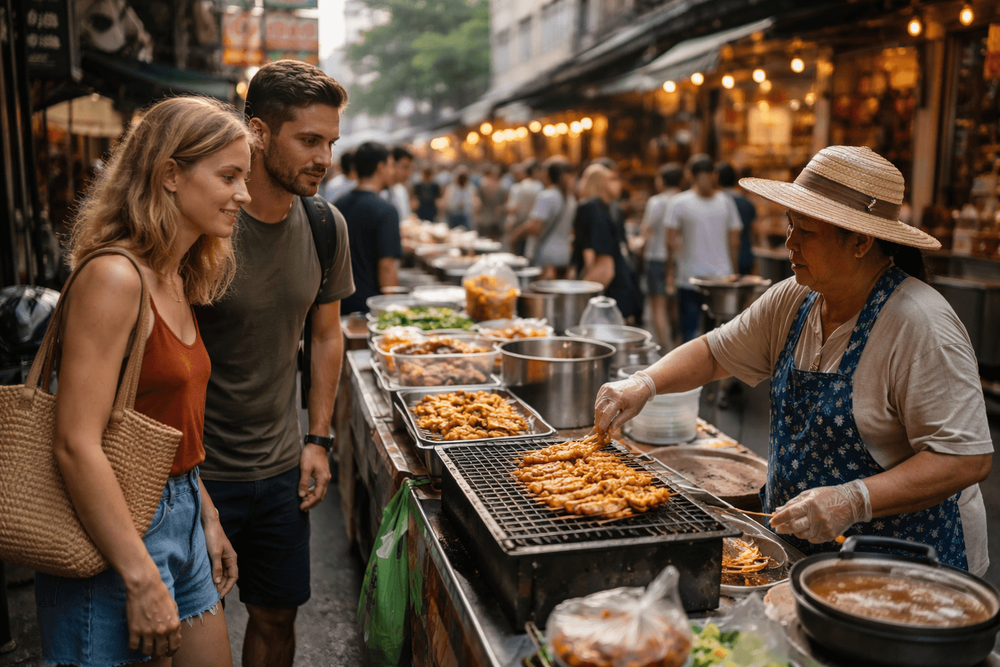
Picture us under the Yaowarat Chinatown Heritage Center neon, shoulder to shoulder with aunties in floral aprons, oil snapping in a wok that smells like garlic, soy, and pure ambition. A tuk-tuk bleats past, a vendor fans charcoal under skewers of moo ping, and someone ladles broth into a bowl so fast we blink and it’s done. If you’re wondering how to make sense of Bangkok street food for beginners—what to order, how to pay, and how to stay safe—we’ve got you. We’ll dodge the tourist traps, lean into the sanuk, and show you the tasty path of least resistance.
Data Freshness + Pricing:
- Prices are approximate and in THB.
- Last checked: June 2026.
- Happy hour and promo details change frequently—confirm locally.
Bangkok Street Food for Beginners: What Makes It Special
Bangkok’s open-air kitchens are fast, fierce, and wildly personal. You’re not just eating; you’re watching a craft perfected over decades—wrists flicking woks over blue flames, pestles pounding chilies and lime in heavy mortars, and noodle baskets dipping in and out of bubbling broth. What makes it magic for first-timers is the mix of variety, speed, and value. For approx. 50–120 THB per dish, we can assemble a progressive feast from three different carts on the same soi.
The setup is simple: carts on wheels or tiny shophouses spilling onto sidewalks, plastic stools, and a condiment caddy that’s your personalization station—fish sauce, chili flakes, sugar, and vinegar with pickled chilies. We point, we smile, we pay in cash, and we eat like kings. Yes, it’s hot, occasionally chaotic, and the bass from a Khao San Road bar might thump through your noodles—but that’s Bangkok being Bangkok.
Beginner-Friendly Dishes You Can Order Without Overthinking
When you’re new, it helps to start with dishes that are delicious, forgiving on spice, and easy to recognize.
Savory Staples
- Pad Thai (ผัดไทย): The gateway noodle. Stir-fried rice noodles with egg, tofu, sprouts, and optional shrimp or chicken. Ask for “no bean sprouts” or “no peanuts” if needed. Expect approx. 60–120 THB. Tip: Squeeze lime, add a pinch of chili only after a taste.
- Pad Kra Pao (ผัดกะเพรา): Holy basil stir-fry over rice—pork (moo), chicken (gai), or minced meat. Say “kai dao” for a fried egg on top (usually +10–15 THB). Start with “phet nit noi” (a little spicy). Approx. 60–100 THB.
- Khao Man Gai (ข้าวมันไก่): Hainanese chicken rice with ginger-chili sauce and a bowl of clear soup. Mild, soothing, and everywhere. Approx. 50–80 THB.
- Guay Tiew (ก๋วยเตี๋ยว): Noodle soup. Choose noodle type—sen lek (thin rice), sen yai (wide rice), or ba mee (egg noodles)—and a protein like moo (pork) or gai (chicken). Broths range from clear and herbal to dark soy. Approx. 50–80 THB per bowl.
- Boat Noodles (ก๋วยเตี๋ยวน้ำตก): Tiny, punchy bowls traditionally near Victory Monument. Order two or three; they’re small for a reason. Broth can be peppery and rich. Approx. 20–35 THB per mini bowl.
- Moo Ping + Sticky Rice (หมูปิ้ง + ข้าวเหนียว): Grilled pork skewers caramelized over charcoal, with a palm-sugar sheen, best grabbed on the move. Approx. 10–20 THB per skewer; sticky rice about 10 THB.
- Som Tam Thai (ส้มตำไทย): Papaya salad, “Thai style” is the mildest variant, sweet-tangy with lime and fish sauce. Start with “mai phet” (not spicy) and add heat from the caddy. Approx. 60–90 THB.
Sweets That Behave
- Mango Sticky Rice (ข้าวเหนียวมะม่วง): Coconut cream over sticky rice with ripe mango. Rich, simple, and very Bangkok. Approx. 80–150 THB depending on mango season.
- Roti (โรตี): Crispy, stretchy pan-fried dough with banana, egg, or just sugar and condensed milk. Approx. 40–80 THB.
- Khanom Krok (ขนมครก): Bite-sized coconut custard cups, crisp at the edges, molten in the middle. Approx. 20–40 THB.
- Khanom Buang (ขนมเบื้อง): Thai “tacos” with meringue and sweet (foi thong) or savory toppings. Approx. 20–40 THB per piece.
Drinks to Keep You Standing
- Cha Yen (ชาเย็น) Thai Iced Tea: Creamy, sweet, orange-hued. Approx. 25–40 THB.
- Nam Manao (น้ำมะนาว): Fresh limeade, still or soda. Life-saver on hot afternoons. Approx. 20–35 THB.
- Fresh Juices: Pomegranate or orange, usually pressed to order. Approx. 40–80 THB.
- Bottled Water: From a 7-Eleven (the AC blast will hug you). Approx. 10–15 THB.
If you’re budgeting by the baht, we break down full meals at different price points here: Bangkok Street Food by Budget: What to Eat for 50, 100, and 200 Baht.
How to Choose Clean, Safe Street Food Stalls
Bangkok street food for beginners doesn’t have to mean playing stomach roulette. We keep it simple with these cues:
- Follow the crowd: A busy stall equals fast turnover and fresher ingredients. Lines are your friends.
- Watch the hands: Bonus points if one person handles cash and another handles food; or if the cook changes gloves after money.
- Heat is your ally: Dishes cooked to order and served piping hot are safer than lukewarm buffets. Soups should steam; stir-fries should arrive sizzling.
- Check the oil and grill: Oil should be amber, not black and tired. Grills should look scraped, not fuzzy with yesterday’s bits.
- Ice and water: Covered ice chests and clear, factory-cut cubes (with a hole) are standard and generally safe. If in doubt, buy sealed water.
- Clean setup: Boards and knives for raw items separate from ready-to-eat foods. Wipe-downs between orders. No cloud of flies.
- Timing matters: Hit markets during peak meal windows (breakfast 7–10 AM, lunch 11:30 AM–1:30 PM, dinner 6–9 PM) when turnover peaks.
We go deeper here—photos, red flags, and easy wins—in our Bangkok Street Food Hygiene Guide: How to Spot Clean Stalls and Eat Safely Without Killing the Experience. If you keep halal, eat vegetarian/vegan, or avoid gluten, scan this primer before you go: Bangkok Street Food for Diets: Vegetarian, Halal, and Gluten-Free Options and, for specific allergies, this walkthrough: Bangkok Street Food for Travelers with Allergies: What to Order, What to Avoid, and How to Ask for Changes.
Ordering and Eating 101: Thai Phrases, Spice, Cash, Etiquette
We’ll keep you looking like a pro in five minutes.
Handy Words to Order With
- Not spicy: “mai phet” (ไม่เผ็ด)
- A little spicy: “phet nit noi” (เผ็ดนิดหน่อย)
- No chili: “mai sai prik” (ไม่ใส่พริก)
- No peanuts: “mai sai tua” (ไม่ใส่ถั่ว)
- Pork / chicken / beef / shrimp: moo (หมู) / gai (ไก่) / neua (เนื้อ) / goong (กุ้ง)
- Rice / noodles: khao (ข้าว) / guay tiew (ก๋วยเตี๋ยว)
- Fried egg: kai dao (ไข่ดาว)
- To take away: “sai tung” (ใส่ถุง) or “take away”
How We Actually Order
- Point, smile, and say the dish + protein: “Pad kra pao moo, phet nit noi.”
- Hold up fingers for quantity; confirm price before or after they start—both are normal.
- Snag a seat; a runner will find you. If there’s a number token, keep it visible.
- Adjust with the condiment caddy after the first bite. Don’t salt-and-pepper-bomb before tasting.
Paying and Tipping
- Cash rules. Carry small bills and coins. Most dishes are approx. 50–100 THB.
- Many vendors accept PromptPay QR, but assume they don’t. We’ve been burned by dead data more than once.
- Pay when the dish arrives or when you stand to leave—watch what locals do at that stall.
- Tipping isn’t expected. We round up to the nearest 10 THB if service is sweet.
Table Etiquette and Add-Ons
- Sharing tables is normal. A nod gets you a spot.
- Don’t hover; ask or wait for a seat to clear.
- Want extra egg or rice? Ask “sai kai dao dai mai?” or “khao eek jahn dai mai?” Expect approx. +10–20 THB.
- Ice water in metal tumblers is common at shophouses; if you’re unsure, buy a sealed bottle.
- BYO beer from 7-Eleven happens at some spots; others may charge a small corkage or say no. Ask first.
Spice Reality Check
Thai “a little spicy” can still light you up. Start with “mai phet” for soups with chili oil (tom yum, boat noodles) and salads (som tam). You can always add heat from the caddy.
Easy Street Food Areas for a First Visit
We love a deep-dive into labyrinthine markets, but for Bangkok street food for beginners, these neighborhoods balance flavor with low-stress logistics.
Soi Rambuttri & Khao San Road (Old City)
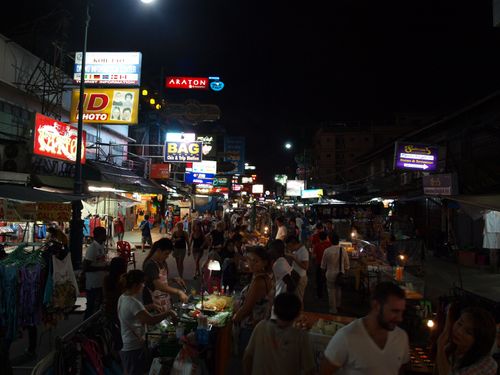
The backpacker circus comes with perks: menus with pictures, forgiving English, and late-night hours. On Soi Rambuttri and nearby Phra Athit Road you’ll graze on pad thai, roti, fruit shakes, and skewers while a busker massacres Wonderwall in the background. It’s touristy and you’ll pay a little more, but it’s training wheels with a view of the Grand Palace spires peeking over treetops.
- Best time: Evenings to late night.
- Getting there: Chao Phraya Express Boat to Phra Arthit Pier, then a 10-minute walk (boat fare approx. 16–32 THB). A taxi from Siam should be approx. 80–160 THB depending on traffic; tuk-tuks will quote high, bargain or walk.
- Downsides: Touts, noise, and “farang spice” levels—ask for real heat if you want it.
Chinatown (Yaowarat Road)
Neon signs hum, woks roar, and queues snake past gold shops. Think oyster omelets, peppery soups, charcoal-grilled seafood, and mango sticky rice for dessert. The sidewalks get tight; we eat standing up while traffic inches past, chili smoke in our eyes.
- Best time: 6–9 PM for peak action; earlier gets you shorter lines.
- Getting there: MRT Wat Mangkon puts you a few minutes’ walk from Yaowarat (fare approx. 20–45 THB). Avoid driving—parking is a fantasy.
- Downsides: Crowds and heat. Wear breathable clothes and keep small change handy.
Wang Lang Market (Thonburi)
Across the river from the Grand Palace, Wang Lang feeds students and hospital staff with trays of curries, fried chicken, grilled pork, and sticky desserts. It’s dense but friendly, and the portions are perfect for grazing.
- Best time: Late morning to lunch on weekdays.
- Getting there: Chao Phraya Express Boat to Wang Lang (Siriraj) Pier (approx. 16–20 THB). Or a cross-river ferry from Tha Chang.
- Downsides: Midday heat can be brutal; shade-hop and sip lime soda.
Victory Monument Boat Noodles
Shophouses along the khlong dish out tiny, rich bowls—one, two, three at a time. It’s fun to stack bowls like a champ. Broths vary from dark soy to bright tom yum.
- Best time: Late morning to mid-afternoon.
- Getting there: BTS Victory Monument, then a 5–10 minute walk toward the canal.
- Downsides: Some broths are spicy; start mild and escalate.
Ari and Saphan Khwai
Leafy avenues, slower pace, and wide sidewalks make these BTS-adjacent neighborhoods beginner-friendly. Daytime brings curry-on-rice stalls, grilled chicken, and noodle carts; nights add moo ping smoke to the air.
- Getting there: BTS Ari or Saphan Khwai (approx. 17–47 THB depending on distance).
- Downsides: Many stalls are weekdays-only, tuned to office crowds.
Silom Soi 20 Morning Market
Wake early and join the office rush for jok (rice porridge), soy milk with patongo (fried dough), and banana leaf–wrapped treats. It’s orderly, delicious, and over by late morning.
- Getting there: BTS Sala Daeng or MRT Silom/Lumphini, then a short walk.
- Downsides: Blink and you’ll miss it—arrive before 9:30 AM.
Chatuchak Weekend Market
If you’re in town Saturday/Sunday, Chatuchak’s food zones are a sampler platter of Thailand: coconut ice cream in husks, Isaan sausage, grilled chicken, northern sausages, and fresh fruit galore.
- Getting there: BTS Mo Chit or MRT Chatuchak Park/Kamphaeng Phet.
- Downsides: Heat and crowds build fast. Go early, hydrate, and take shade breaks.
Bang Rak & Charoen Krung
Old-school shophouses near the river sling silky chicken rice, roti with curry, and Chinese-Thai soups. Easy to combine with a Chao Phraya boat ride and a riverfront wander.
- Getting there: BTS Saphan Taksin; walk along Charoen Krung.
- Downsides: Lunchtime crush; aim before noon.
Sukhumvit Soi 38 (Thong Lo)
A handful of evening stalls remain near BTS Thong Lo—great if you’re staying on Sukhumvit and want a gentle, picture-menu landing.
- Getting there: BTS Thong Lo; the stalls cluster near the station.
- Downsides: Limited selection compared to its glory days; prices a touch higher.
Know Before You Go
- Cash and change: Break 100s and 500s at 7-Eleven; vendors love 20s and coins.
- Hours shift: Street food is a living organism—stalls move, close early, or pop up seasonally. Have a Plan B.
- Heat strategy: We graze at breakfast and dinner and siesta midday. A hat and wet wipes are worth their weight.
- Rain plan: Afternoon downpours happen. Duck under awnings or into a shophouse; most vendors ride it out.
- Scams and touts: If a tuk-tuk “tour” pushes gem shops or tailor stops, hop out. For food, posted prices or pre-agreed totals keep it clean.
- Dietary needs: Learn a couple of phrases and choose made-to-order stalls. Start here if you’ve got restrictions: Bangkok Street Food for Diets: Vegetarian, Halal, and Gluten-Free Options and our allergy toolkit: Bangkok Street Food for Travelers with Allergies.
If you want a bigger-picture primer on dishes and tactics beyond this beginner lens, bookmark this high-level guide: Bangkok Street Food: Best Dishes, Where to Eat & Traveler Tips.
A final insider note: we usually base ourselves near Soi Rambuttri or off the river on Charoen Krung so we can wander to dinner on foot, graze, and stumble back happy. If you’re staying farther out on Sukhumvit, pick a spot near a BTS station so night markets and late bowls are one train ride away—no taxi roulette.

We’ll be the ones at Phra Athit Pier around sunset with a bag of moo ping in one hand and a lime soda in the other. Come hungry; Bangkok street food for beginners turns into expertise fast the moment you take that first smoky, basil-scented bite.
Related Hotels & Places
Khao San Road
Attractions
Bangkok’s backpacker carnival: curbside bars, live bands and DJs from 3pm–2am (midnight Sun). Street eats are cheap — pad thai 70–100 THB, mango sticky rice 60–100 THB. Come for wild people-watching; duck into Rambuttri for a calmer beer.
Yaowarat Chinatown Heritage Center
Attractions
Inside Wat Traimit by Chinatown Gate, this tidy museum charts Yaowarat’s Chinese roots with bilingual displays, period photos and short films. Open Tue–Sun 8:30am–4:30pm; closed Mon. Pair it with the Golden Buddha upstairs.
Recommended Products
More Khao San Road Guides
- Bangkok Street Food for First-Time Visitors: What to Order, How to Eat, and Where to Go Beyond Khao San Road
- Bangkok Street Food for First-Time Visitors: A Practical Guide to Ordering, Hygiene, and Must-Try Classics
- Bangkok Street Food for First-Time Visitors: What to Order, How to Spot the Best Stalls, and What a Fair Price Looks Like
- Bangkok Street Food Etiquette: How to Order, Pay, Sit, and Eat Like a Local