Bangkok Street Food for First-Time Visitors: A Practical Guide to Ordering, Hygiene, and Must-Try Classics
First-timer’s playbook to Bangkok street food: where to go near Khao San and Yaowarat, how to order, what to eat, and staying safe—without killing the fun.
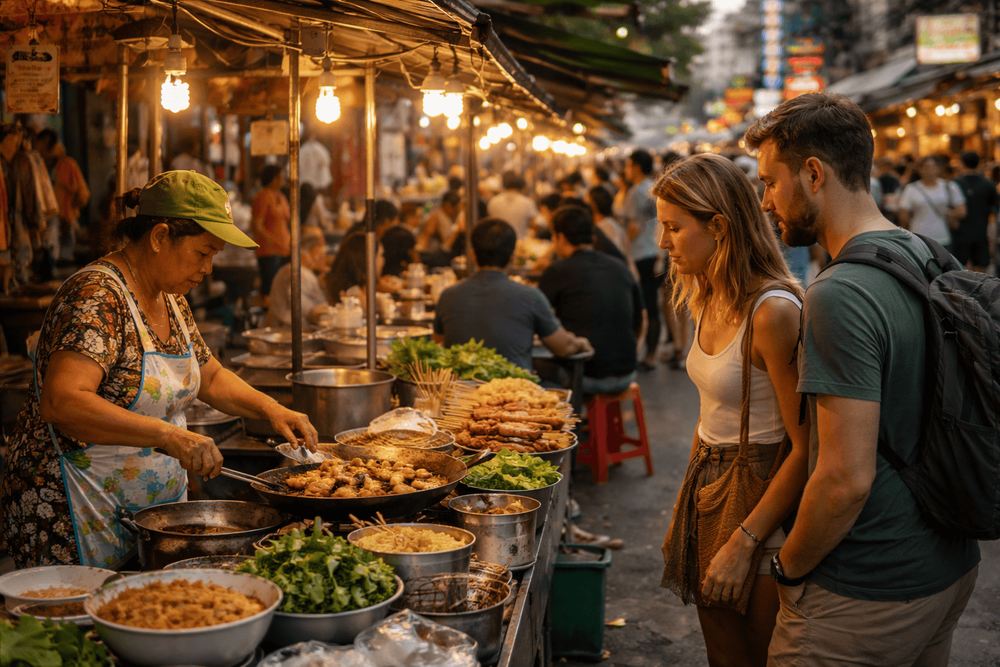
We’re shoulder to shoulder on Soi Rambuttri, where the air smells like chilies hitting hot oil and charcoal smoke sneaks under your shirt. A wok hisses, a vendor barks “pad thai, pad thai,” and the thump of bass from a Khao San Road bar bounces off the tuk-tuk parked at the curb. If you’re wondering what Bangkok street food for first-time visitors actually feels like, it’s this—color, chaos, and food that’s way better than the price tag suggests.
Data Freshness + Pricing:
- Prices are approximate and in THB.
- Last checked: June 2026
- Happy hour and promo details change frequently—confirm locally.
What to Expect from Bangkok Street Food
Bangkok eats outside. Street food isn’t a trend here; it’s an everyday ritual. Cooks set up on the edge of the soi (side street), in front of shophouses, under awnings that look like they’ve seen every monsoon since the Rama V era. We’ll dodge motorbikes, snag a plastic stool, and eat something steaming within minutes.
Expect a mash-up of portable grills, noodle carts, curry pots, and dessert stands sharing a single stretch of pavement. The menu might be a photo board or just a grandma with a ladle and a nod. Most dishes land in the approx. 40–100 THB range, with skewers and snacks on the low end and seafood or specialty bowls on the higher side (approx. 120–200 THB).
Common sights and sounds:
- The sizzle of moo ping (grilled pork skewers) glazing over charcoal
- The chop-chop of green papaya for som tam (papaya salad)
- A vat of boat noodles with a perfume of star anise and herbs
- Condiment caddies—fish sauce, sugar, vinegar with chilies, chili flakes—inviting you to season to taste
Street food thrives at different hours. Mornings bring soy milk and pa thong ko (Thai doughnuts) near markets. Lunchtime is curries over rice. Evenings are peak chaos—Rambuttri and Phra Athit light up, Yaowarat Road in Chinatown buzzes, and the smell of grilled seafood lingers until midnight.
Heat, crowds, and honking—sure. But that’s part of the sanuk (fun) here. We embrace it, hydrate, and chase the shade when we can.
How to Order, Pay, and Eat Like We’ve Been Here for Years
We’ll keep this simple and confidence-boosting, because the first few stalls can be intimidating.
Choosing a Stall
- Follow the locals: A steady line and quick turnover mean fresher food.
- Watch the workflow: Clean cutting boards, covered ingredients, and the cook handling money with a separate hand or helper are green flags.
- Cooked-to-order wins: Stir-fries, noodles boiled fresh, grilled meats done on the spot—less time sitting out.
If you want a deeper dive on spotting clean, well-run stands, bookmark our practical read: Bangkok Street Food Hygiene Guide: How to Spot Clean Stalls and Eat Safely Without Killing the Experience.
Ordering Without Overthinking
- Point and smile: Point at the pan or the picture. Say “หนึ่ง (nùeng) = one.” You can also say “ao an níi” (I’ll take this).
- Customize spice: “Phed nit noi” (a little spicy) or “mai phed” (not spicy). For som tam, the chili count is everything—start with “song met” (two chilies) if you’re new.
- Noodles, your way: Vendors might ask for noodle type—sen lek (thin rice), sen yai (wide rice), ba mee (egg noodles). Soup? “Nam” (with broth). Dry? “Haeng.”
Paying
- Cash is king: Small bills rule. Expect approx. 40–80 THB for skewers and snacks, 60–120 THB for noodles/one-plate dishes, 80–150 THB for seafood/fancier plates.
- QR codes: Some stalls accept Thai QR (PromptPay), but don’t count on it.
- Pay after you eat unless told otherwise. The vendor will usually tally it up verbally or with a calculator.
Eating Etiquette, Condiments, and Clean-Up
- Season at the table: Taste first; add fish sauce, sugar, vinegar, and chili flakes to balance. Thai food is DIY final-mile seasoning.
- Napkins are rare: Carry tissues or grab a packet from 7-Eleven (and enjoy that blast of AC while you’re at it).
- Share space: Plastic stools turn fast; don’t camp. Bins are usually tucked under the table or near the cart.
Bangkok Street Food for First-Time Visitors: Hygiene and Safety
If the sizzling woks call you but your stomach’s cautious, we get it. Bangkok street food for first-time visitors is about knowing a few rules and then digging in.
- Hot is safe: Prioritize dishes cooked to order and served piping hot. If it’s been sitting in the sun, skip it.
- Ice and water: Purified ice is standard at legit places. Bottled water is widely available (approx. 10–15 THB). If unsure, ask for no ice: “mai sai nam khaeng.”
- Shellfish caution: If you’re sensitive, avoid raw blood cockles and undercooked seafood on your first run.
- Fresh oil matters: A wok that smells burnt or oil that looks inky—move on.
- Allergies: Peanut, shellfish, and soy are common. You can say “แพ้ถั่ว/กุ้ง/ถั่วเหลือง” (I’m allergic to peanuts/shrimp/soy), but if your allergy is severe, stick to plain grilled meats, steamed rice, and simple soups you can watch being made.
Want a step-by-step on judging stalls like a local? Read the Bangkok Street Food Safety Guide: How to Choose Clean, Fresh Stalls Like a Local.
Must-Try Classics for Your First Street Food Run
We could write love letters to a dozen stalls, but these are your reliable first bites. Prices below are approx.
Pad Thai (60–100 THB)
Yes, it’s tourist-famous for a reason. When a vendor tosses sen lek noodles with tamarind, palm sugar, eggs, tofu, and chive over a roaring flame, the caramelized bits are pure magic. Add chili flakes and lime. Shrimp versions creep up to approx. 90–140 THB.
Boat Noodles – Kuay Tiao Reua (50–80 THB per small bowl)
Dark, aromatic broth with star anise, sometimes beef or pork, plus morning glory and crackling. Traditionally served in small bowls—stack two or three. Victory Monument and old-town pockets near the khlongs (canals) do it well.
Mango Sticky Rice – Khao Niew Mamuang (80–150 THB)
Ripe mango, coconut-slicked sticky rice, a sprinkle of salty mung beans for crunch. Peak season is roughly March–June, but many stands serve it year-round.
Grilled Meats – Moo Ping & Gai Yang (10–20 THB per skewer; 60–80 THB with sticky rice)
That caramel-sweet glaze on moo ping will ruin you for other breakfasts. For dinner, gai yang (grilled chicken) with som tam and sticky rice is an Isan classic.
Som Tam (50–80 THB)
Green papaya pounded with fish sauce, lime, sugar, chilies, and sometimes dried shrimp or salted crab. Tell them how spicy you want it. We go modest on our first plate and level up.
Thai Noodle Soups – Tom Yum Noodles, Yen Ta Fo, Clear Broth (60–100 THB)
A stall might serve multiple broths—zippy tom yum, pink-tinted yen ta fo (fermented tofu), or a gentle clear soup. Add fish balls, pork slices, or wontons. Season to your taste with the condiment caddy.
Khao Man Gai (40–70 THB)
Thailand’s answer to Hainanese chicken rice—poached chicken over jasmine rice simmered in broth, served with a gingery, garlicky sauce and a bowl of soup. Comfort in a plate.
Roti (20–60 THB)
Flaky griddled roti with condensed milk, banana, or egg. Late-night catnip on Khao San.
Snacks & Sweets to Graze
- Sai Krok Isan (15–25 THB): Tangy fermented sausage.
- Khanom Krok (30–40 THB per tray): Coconut-rice pancakes, crisp edges, custardy center.
- Pandan waffles (20–30 THB): Green, fragrant, soft—ideal sidewalk dessert.
- Cha Yen (25–40 THB): Thai iced tea, sweet and orange; balance a spicy meal.
For cost planning by appetite, check our handy breakdown: Bangkok Street Food by Budget: What to Eat for 50, 100, and 200 Baht.
Where to Start: Beginner-Friendly Areas Near Big Sights
We’ll keep you close to the action without tossing you into the deep end right away.
Khao San Road, Soi Rambuttri, and Phra Athit Road (Banglamphu)
- Vibe: Tourist buzz meets old-town charm. Khao San is loud and neon; Rambuttri is its leafy, laid-back cousin; Phra Athit runs parallel to the Chao Phraya with a river breeze.
- What to eat: Pad thai, mango sticky rice, banana roti, moo ping, late-night noodle stalls. For a calmer stool and lower prices, drift from Khao San into Rambuttri or up to Phra Athit.
- Tips: Expect a mild “farang tax” on the main drag—still affordable, just not rock-bottom. If someone hustles you into a seat, feel free to smile and keep walking.
Chinatown – Yaowarat Road
- Vibe: Neon-lit culinary thunder run. After sunset, Yaowarat turns into a buffet of grills, seafood, and desserts.
- What to eat: Peppery crab fried rice (prices trend higher, approx. 150–300 THB), oyster omelets, fish maw soup, bird’s nest (splurge), and endless sweets—black sesame dumplings, chestnut cakes, durian if you’re brave.
- Tips: Go early (around 6 pm) to beat the crush. Lines look long but move fast. Have cash ready.
Wang Lang Market (Across the River from the Grand Palace)
- Vibe: Lunchtime local market near Siriraj Hospital, compact but dense with options.
- What to eat: Curries over rice (khao rad gaeng, approx. 50–80 THB), Northern Thai sausages, grilled squid, Thai desserts.
- Tips: Best from late morning to mid-afternoon. Take the ferry from Tha Chang Bangkok or Tha Phrachan and follow your nose.
Victory Monument Boat Noodles Alley
- Vibe: No-frills canal-side shophouses ladling out tiny bowls like it’s a sport.
- What to eat: Stackable boat noodles—beef or pork—with crackling and herbs. Order 2–4 bowls per person.
- Tips: Lunch hours are prime. Tell them “mai phed” if you’re chili-shy.
Dusit’s Ratchawat & Sriyan Markets
- Vibe: Old-school neighborhoods with gentler prices and fewer crowds.
- What to eat: Roast duck over rice, classic noodles, and fried bananas.
- Tips: Great for a late breakfast or early lunch wander.
If you’re curious about after-dark grazing, we keep a running hit list here: Bangkok Street Food Night Market Guide: Best Stalls, Hours, and What to Order.
Getting There: Simple Routes That Actually Work
- To Khao San/Rambuttri/Phra Athit: Skip traffic and take the Chao Phraya Express Boat to Phra Arthit Pier (N13). From there, it’s a 5–10 minute walk under banyan trees.
- To Chinatown (Yaowarat): MRT to Wat Mangkon Kamalawat (Wat Leng Noei Yi) and follow the crowd; evenings are best.
- To Victory Monument: BTS to Victory Monument Station; the noodle shops are a short walk toward the canal.
- To Wang Lang Market: Ferry from Tha Chang or Tha Phrachan to Wang Lang Pier; stalls start immediately outside.
Practical Playbook for Your First Night Eating
Budget Expectations
- Snacks and skewers: approx. 10–25 THB each
- One-plate dishes/noodles: approx. 50–120 THB
- Seafood/Chinatown specialties: approx. 150–300+ THB
- Drinks: bottled water 10–15 THB, Thai iced tea 25–40 THB, fresh juices 40–80 THB Bring cash; 300–400 THB per person is a comfortable first-night roll.
Best Times to Go
- Morning (7–10 am): Soy milk, doughnuts, rice porridge, market runs.
- Lunch (11:30 am–1:30 pm): Office crowds—fast and fresh.
- Evening (5 pm–late): Peak variety and energy; Khao San/Yaowarat shine.
Dietary Considerations
- Vegetarian/vegan: Say “jay” (vegetarian Buddhist style—no meat, seafood, fish sauce, egg, or dairy). For vegetarian with egg/dairy ok, use “mangsawirat.” Confirm “mai sai nam pla” (no fish sauce) and “mai sai hoy” (no shellfish) if needed.
- Halal: Look for Muslim-run stalls (often signposted); grilled chicken, biryani (khao mok gai), and rotis are safe bets.
- Gluten: Rice noodles (sen lek/sen yai) and steamed rice are your friends; soy sauce may contain wheat—ask “mai sai si iw khao” (no light soy sauce) and watch oyster sauce.
- Allergies: When in doubt, stick to grilled meats, plain omelets (kai jeow) over rice, and fruit. For more detailed strategies, our guide for sensitive eaters is a good backup: Bangkok Street Food for First-Time Visitors: What to Order, How to Eat, and Where to Go Beyond Khao San Road.
Simple Thai Food Phrases That Actually Help
- Hello/thanks: “Sawadee” / “Khop khun krub/ka”
- Not spicy / a little spicy: “Mai phed” / “Phed nit noi”
- One / two / three: “Nùeng / sŏrng / săam”
- Eat here / take away: “Gin tee nee” / “Sàb pai”
- No peanuts / no fish sauce: “Mai sai tua-li-song” / “Mai sai nam pla”
- Delicious: “Aroi mak!”
Rookie Mistakes to Skip
- Ordering everything at once: Start with one dish each, then add. Stalls cook fast.
- Treating condiments like optional: Thai flavors balance—taste, then tweak.
- Forgetting water: Hydrate. Bangkok heat is a sneaky thief.
- Chasing only viral names: The nameless wok with a crowd at 8 pm often wins.
Where We Crash Between Bites
If we’re eating around Khao San and Rambuttri, we like staying within stumble distance—quiet shophouse rooms on Soi Rambuttri or a breezy guesthouse along Phra Athit make late-night roti runs dangerously easy. Over in Chinatown, picking a simple room near Wat Mangkon cuts the commute and puts night markets at your door. In Thonglor or Ari, boutique spots put you near BTS lines and calmer night markets. Wherever we base, we choose places with decent soundproofing or a courtyard—Bangkok’s street soundtrack doesn’t always clock out.
Final Word from the Sidewalk
Bangkok street food for first-time visitors is less about decoding menus and more about trusting your senses: follow the sizzle, watch what locals order, keep it hot and fresh, and don’t be shy with “mai phed.” We’ll be the ones hovering over the condiment caddy with lime juice on our fingers—grab a stool next to us, and we’ll split a plate of som tam while we plan your next bite.
Related Hotels & Places
Khao San Road
Attractions
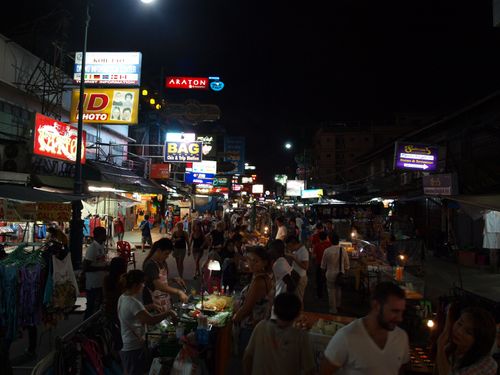
Bangkok’s backpacker carnival: curbside bars, live bands and DJs from 3pm–2am (midnight Sun). Street eats are cheap — pad thai 70–100 THB, mango sticky rice 60–100 THB. Come for wild people-watching; duck into Rambuttri for a calmer beer.
Khaosan Bar Ayutthaya
Bars
Rambuttri
Markets
Khao San’s calmer cousin: a tree‑shaded lane of VW van cocktail bars, open‑air foot massages, pad thai grills, and easygoing live bands. Best from sunset to 11pm; beers 80–120 THB, cocktails 150–220 THB. One block from the chaos, all the charm.
Wat Mangkon Kamalawat (Wat Leng Noei Yi)
Temples
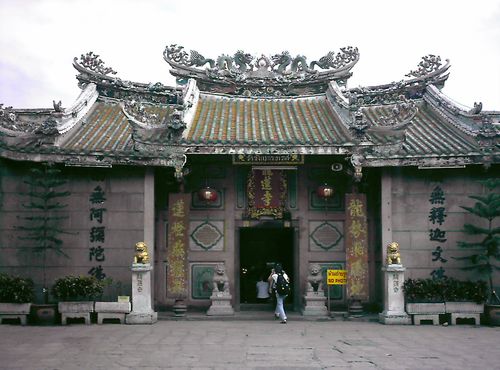
Chinatown’s grand Chinese Buddhist temple—smoky incense, red lanterns, and gilded altars. Free entry, donations welcome. Best early morning; electric during Lunar New Year and the Vegetarian Festival. Steps from MRT Wat Mangkon, 8am–5pm daily.
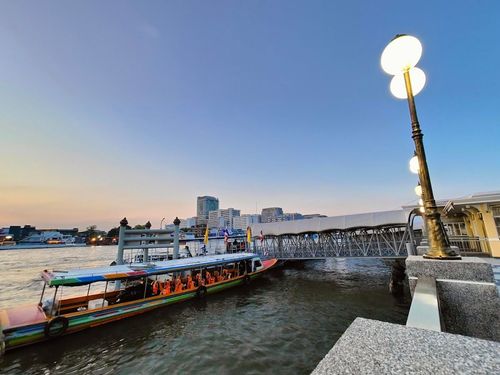
Tha Chang Bangkok
Bars
Bar on Khao San Road.
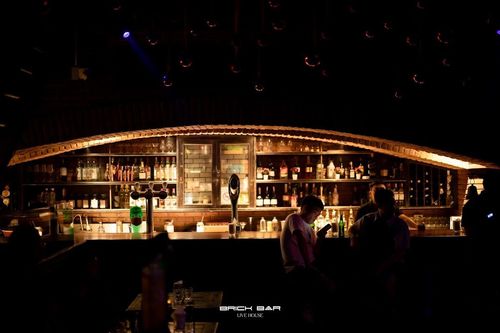
Brick Bar
Bars
Legendary live music venue in the Buddy Lodge complex. Thai ska, jazz, and blues bands play nightly in this underground basement bar beloved by locals and travelers alike.
More Khao San Road Guides
- Bangkok Street Food for First-Time Visitors: How to Order, Pay, and Avoid Common Mistakes
- Bangkok Street Food for First-Time Visitors: What to Order, How to Spot the Best Stalls, and What a Fair Price Looks Like
- Bangkok Street Food for First-Time Visitors: How to Order, Pay, and Eat Safely
- How to Order Bangkok Street Food: Thai Phrases, Spice Levels, and Stall Etiquette for Khao San Road First-Timers