
Bangkok Street Food Safety Guide: How to Choose Clean, Fresh Stalls Like a Local
Eat bravely, not blindly. Our Bangkok street food safety guide shows how to spot clean, fresh stalls, what to eat, and how to avoid stomach woes.
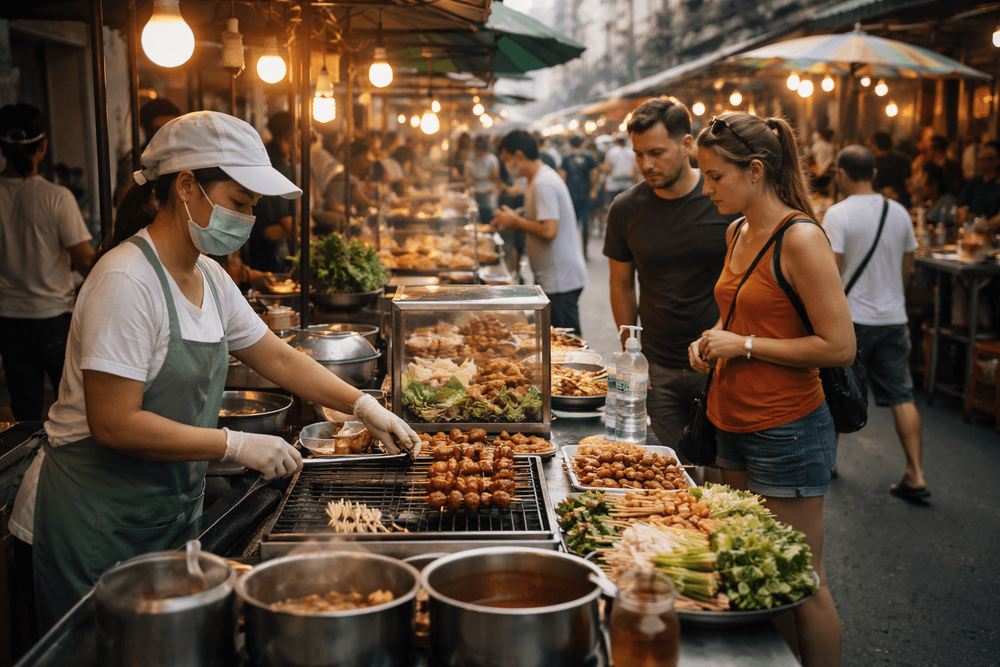
We’re shoulder to shoulder on Rambuttri at 10 PM, heat rising off the wok like a second sun. The air smells like sizzling garlic and frying pork, with a whisper of durian drifting over from a cart we both pretend not to notice. A vendor calls “sawadee!” and flicks noodles through blue flame. We want to dive in—but we’re also thinking about Bangkok street food safety. This isn’t about eating boring; it’s about eating smart so tomorrow we’re chasing temples, not bathrooms.
We’ve lived and eaten our way across Bangkok’s alleys and avenues—from Yaowarat’s neon blaze to the makeshift grills along WA-วะ ซอยจุฬา—and this is the guide we wish every first-timer had in their pocket.
Bangkok Street Food Safety: What We’re Really Worried About
Street food here is a living, breathing organism—fresh, fast, and hot. But the tropics don’t play. Let’s break down the actual risks so we can sidestep them.
Hygiene and food handling
- Money hands vs. food hands. Many vendors handle cash and ingredients. Gold standard: one person cooks, another handles cash, or the cook uses tongs and wipes hands often.
- Surfaces and tools. A tidy board, a clean cloth, and tongs that aren’t doubling as everything else are good signs. Ketchup-crusted squeeze bottles? Maybe not.
Water and ice
- Drinking water is straightforward: stick to sealed bottles (10–20 baht at 7-Eleven). For ice, the risk is handling, not the ice itself. Bangkok’s tube ice (those hollow cylinders) is usually factory-made from purified water and delivered in sealed sacks. Safer stalls use a scoop or tongs—not bare hands.
- Fresh juices and iced coffees are fine at busy carts that use tube ice and clean pitchers. If the vendor ladles water from a bucket with mystery provenance, we keep walking.
Oil quality
- Deep fryers run hot. Good. But old oil turns dark and smells tired—like a carnival at closing time. Fresh oil is light golden, not brown-black. If fries come out greasy instead of crisp, that oil’s past its prime.
Heat and time
- Hot and fast wins. Flames licking the wok, soup kept at a rolling simmer, skewers sizzling with that beautiful fat-pop soundtrack—all excellent. Lukewarm curries or meats resting in the Bangkok heat? That’s the danger zone.
Cross-contamination
- Same cutting board for raw chicken and garnishes? Hard pass. Look for separate boards or at least a rinse between tasks. If you see raw pork juice migrating toward the papaya, we bail.
How We Spot Safer Stalls in the Wild
Follow the locals
Turnover is king. If aunties, taxi uncles, and uni kids are queuing, that food isn’t sitting around. A constant line means ingredients cycle fast. A lone vendor guarding five chafing trays at 3 PM? Better for a photo than your stomach.
Scan for freshness and order
- Ingredients look perky, not wilted. Herbs are bright; meats aren’t drying at the edges. Fish should smell like the sea, not your gym bag.
- The cooking area is organized. Woks aren’t black-lacquered with ancient oil; there’s a rhythm to the chaos.
- Condiments are covered and refilled frequently. A clean set of chili-vinegar, fish sauce, and sugar with spoons resting handle-up is a good sign.
Heat matters
- Soup bubbling. Grill smoking. Wok roaring. Heat kills a lot of trouble. We love stalls that fire your dish to order.
Timing and location
- Mornings mean rice porridge and soy milk along Phetchaburi Soi 5; nights belong to Yaowarat and Khao San. In between, aim for markets at peak hours. Off-peak buffets of pre-cooked dishes can get dicey.
Watch the workflow
- Bonus points if one person takes cash and another plates. If it’s a one-person show, watch for hand wipes, tongs, and the occasional rinse.
Safer Picks vs. Use-Caution Dishes
We’re not here to scare you off the fun stuff—just to help you play the odds.
Generally safer choices (when fresh and cooked hot)
- Stir-fries cooked to order: pad kra pao, pad see ew, and yes, the Instagram siren herself, pad thai. Wok heat is your friend.
- Soups at a rolling boil: boat noodles at Victory Monument, tom yum, kuay tiao moo (pork noodle soup). If the pot’s steaming like a khlong in rainy season, we slurp.
- Grilled skewers cooked through: moo ping (pork), gai yang (chicken), fish balls. You want sizzling edges and no pink centers.
- Deep-fried to order: bánh-like Thai donuts, spring rolls, fried chicken. Fresh fry = safer fry.
- Steamed dim sum or buns: Salapao at morning markets keeps things simple and hot.
- Fruit peeled to order: Ask for a whole mango or pineapple and watch them slice it. Rinse or wipe your hands first.
Delicious but requires extra caution
- Som tam (papaya salad) with fermented fish (pla ra) or raw crab (pu dong). Locals love it, but the funky additions can be intense for farang stomachs. We go for som tam Thai (no pla ra) at busy spots.
- Pre-cooked curries and rice trays (khao gaeng) sitting at ambient temp. If turnover is fast and trays are piping, fine. If they’re lukewarm under a tired fan, maybe skip.
- Raw shellfish (oysters, cockles). Great at reputable seafood joints, risky on the roadside in midday heat.
- Pre-cut fruit in plastic bags that’s been sweating on ice all afternoon. Better to have it sliced fresh.
- Ice-blended drinks where you can’t vouch for the ice or blender hygiene. Look for tube ice and clean equipment.
- Salads with raw blood or undercooked meats (regional Isaan specialties like larb luat). Incredible to some, but not our first rodeo for visitors.
If you want ideas for what’s tasty once you’ve vetted a stall, we’ve got a fuller tour here: Bangkok Street Food: Best Dishes, Where to Eat & Traveler Tips.
Practical Tips to Keep Your Stomach Happy
1) Make heat your default
- Choose dishes cooked to order, or ask the vendor to reheat soups to a boil before serving. A quick “reheat please?” and a smile goes a long way.
2) Be condiment-smart
- Table sauces are communal. Go for bottles with caps or lidded containers. Skip bowls that look sunbaked or crusted. If in doubt, ask the vendor to season your dish from their fresh stash behind the counter.
3) Handle raw garnishes wisely
- Those baskets of basil, beansprouts, and cabbage are meant for DIY. If they’ve been sitting all day, we skip or ask for a quick blanch in the soup. Bean sprouts especially love a hot dunk.
4) Hand hygiene (your secret weapon)
- Carry a tiny sanitizer and a pack of tissues. You’ll thank yourself right before grabbing grilled pork with your fingers.
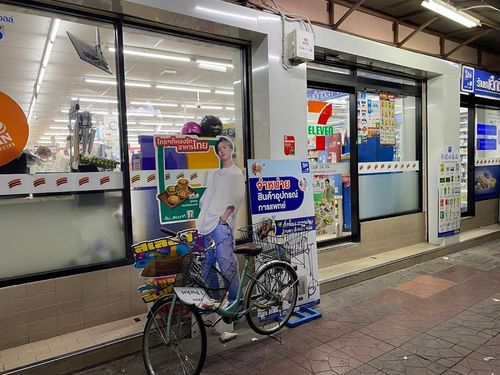
- 7-Eleven is your best friend: air-con blast, bathroom, and soap if you ask nicely.
5) Ice and drinks
- Factory tube ice with a scoop? Yes. Hand-scooped ice from the bottom of a cooler? No thanks.
- Bottled water, sodas, canned Thai iced coffee—easy wins. If you’re chasing neon and sand buckets near Khao San, read this first: Bangkok Bucket Drinks: Where to Find, Prices & Safety Tips.
6) Start slow on spice
- Chili won’t kill bacteria, but it can surprise your gut. Ask for “phet nit noi” (a little spicy) until you find your level. Tomorrow you can go full dragon.
7) Time your meals
- Eat when the locals do—breakfast stalls serve from dawn to late morning, lunch peaks 11:30–13:30, night markets hit stride after sunset. Faster turnover, fresher plates. Want a play-by-play? See Bangkok Street Food by Time of Day: Breakfast, Lunch, Dinner and Late-Night Eats.
8) Hydrate and carry ORS
- Bangkok’s heat is sneaky. Oral rehydration salts (ORS) are cheap at pharmacies and 7-Eleven (10–20 baht per packet). If your stomach acts up, these are gold.
9) Look for the license card (nice-to-have)
- Some vendors display a food safety or municipal permit card. It’s not foolproof, but it shows they’re in the system.
When to Trust Your Gut—and Walk Away
Bangkok street food safety isn’t a checklist; it’s a vibe. If something feels off, it probably is. Here are our personal red flags:
- Lukewarm food that should be steaming
- Raw meat and ready-to-eat items mingling on the same board
- Dark, tired frying oil
- Condiments crusty, uncovered, or swarming with flies
- Vendor coughing or handling food after touching money without a wipe or rinse
- Seafood smelling strong instead of briny-clean
If we see two or more of these, we smile, wai, and keep strolling. No guilt—there’s always another cart one soi over.
If You Suspect Food Poisoning
First, don’t panic. Most cases are a 24–48 hour speed bump. Here’s our basic, traveler-tested game plan:
- Rehydrate aggressively: ORS in small, frequent sips. Clear broths and plain rice when you’re ready.
- Rest and keep cool: Bangkok heat will only bully a queasy stomach.
- Over-the-counter help: Loperamide can slow diarrhea for travel emergencies, but skip it if you have a high fever or bloody stools. Probiotics can help settle things.
- Ask a pharmacist: Bangkok pharmacies are excellent; many pharmacists speak English and will recommend appropriate meds.
- Seek medical care if: symptoms last beyond 48 hours, you can’t keep fluids down, you have severe abdominal pain, high fever, or blood in stool. Private hospitals and community clinics are easy to access; bring your passport and travel insurance details.
- Emergencies: 1669 (medical emergency) and 1155 (Tourist Police) are nationwide numbers with English support.
Keep receipts for any meds or care; insurance often reimburses.
Know Before You Go: Where and When We Eat
- Khao San Road and Soi Rambuttri: Late-night sanuk with a thousand temptations. We stick to the busiest pad thai and kebab carts and grab mango sticky rice from vendors plating to order. If you’re basing yourself nearby, it’s easy to test-and-learn different stalls over a few nights.
- Chinatown (Yaowarat): Peak chaos after dark. Seafood stalls roar to life around 6 PM; we pick the ones with trays of fresh shellfish on real ice and chefs cooking to order.
- Victory Monument: Boat noodle alleys hum by late morning. Soup pots stay hot and turnover is relentless—music to our cautious ears.
- Phra Athit and Banglamphu: Quieter, with mom-and-pop carts. Great for grilled chicken and moo ping hot off the coals.
If you’re plotting a dedicated graze around Khao San and the backstreets that feed it, save this for later: Bangkok Street Food Guide: Khao San Road and Beyond.
Money, Menus, and Micro-moves That Help
- Prices: Most single-dish meals run 40–90 baht; seafood and specialty stalls higher. A fair price usually signals locals actually eat there.
- Ordering: Point and smile works wonders. If you need it gentle, say “phet nit noi.” If you want no spice, “mai phet.”
- Reusable plates vs. disposables: Reusable is greener and usually washed well at busy places. If a stall looks borderline on dishwashing, ask for takeaway (“khao klap baan”) and eat from the bag or box.
- Seating: The plastic-stool zone is half the fun, but if a table looks like it had a long day, give it a quick wipe with a tissue.
About Staying Nearby
We tend to crash within walking distance of markets we love—near the river for breezes and morning stalls, or around Banglamphu for late-night eats. A pool for that post-noodle cool-down doesn’t hurt, and being close to a BTS or river pier makes it easy to bail to air-con when the sun gets mean. If you prefer quieter nights, stay a couple sois off the main drags like Khao San or Yaowarat; you’ll still eat like royalty without the 3 AM bassline.
The Spirit of Eating Out Here

Bangkok rewards curiosity. We’ll get it wrong sometimes—overdo the chilies, pick the stall with sleepy trays—but that’s part of the story. Let’s meet tomorrow night by the พระธาตุเกาะเต่า, wander toward Phra Athit as the air cools, and find the cart where the wok screams and basil perfumes the whole soi. We’ll do what locals do: watch, choose, and eat hot. Bangkok street food safety handled—sanuk intact.
Related Hotels & Places
7-Eleven
Shops
Khao San’s 24/7 reset button: ice‑cold A/C, ham‑cheese toasties, All Café iced lattes, water for 7–14 THB, and late‑night supplies from snacks to sunscreen—right by Rikka Inn.
Khao San Road
Attractions
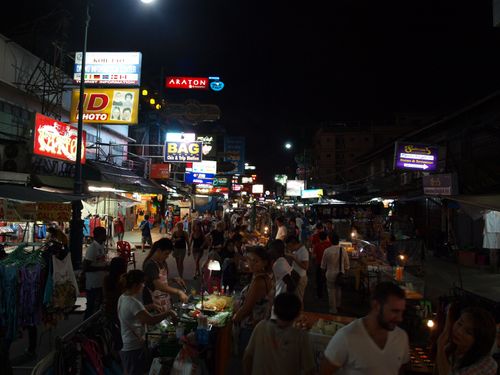
Bangkok’s backpacker carnival: curbside bars, live bands and DJs from 3pm–2am (midnight Sun). Street eats are cheap — pad thai 70–100 THB, mango sticky rice 60–100 THB. Come for wild people-watching; duck into Rambuttri for a calmer beer.
Rambuttri
Markets
Khao San’s calmer cousin: a tree‑shaded lane of VW van cocktail bars, open‑air foot massages, pad thai grills, and easygoing live bands. Best from sunset to 11pm; beers 80–120 THB, cocktails 150–220 THB. One block from the chaos, all the charm.
Yaowarat Chinatown Heritage Center
Attractions
Inside Wat Traimit by Chinatown Gate, this tidy museum charts Yaowarat’s Chinese roots with bilingual displays, period photos and short films. Open Tue–Sun 8:30am–4:30pm; closed Mon. Pair it with the Golden Buddha upstairs.
WA-วะ ซอยจุฬา
Cafes
พระธาตุเกาะเต่า
Temples
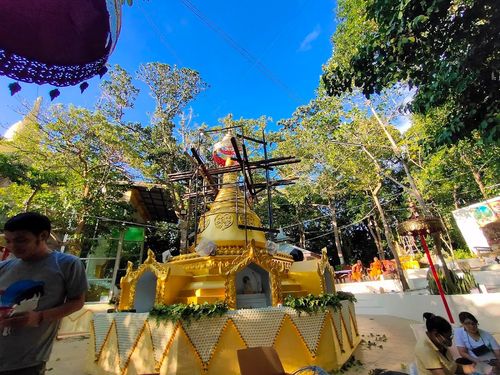
Short hike above Sairee to a Burmese-style pagoda with Burmese, Chinese and Thai Buddha images. Free, peaceful, and best near sunset for views over Sairee and Koh Nang Yuan. Modest dress; 10–15 minutes from upper Sairee.
Recommended Products
More Khao San Road Guides
- Bangkok Street Food Hygiene Guide: How to Spot Clean Stalls and Eat Safely Without Killing the Experience
- Bangkok Street Food for Heat-Safe Eating: The Best Low-Risk Dishes, Freshness Checks, and Stall Rules in Bangkok
- Bangkok Street Food for First-Time Visitors: A Practical Guide to Ordering, Hygiene, and Must-Try Classics
- Bangkok Street Food for Newcomers: How to Choose Safe, Busy Stalls and Avoid Common Mistakes