
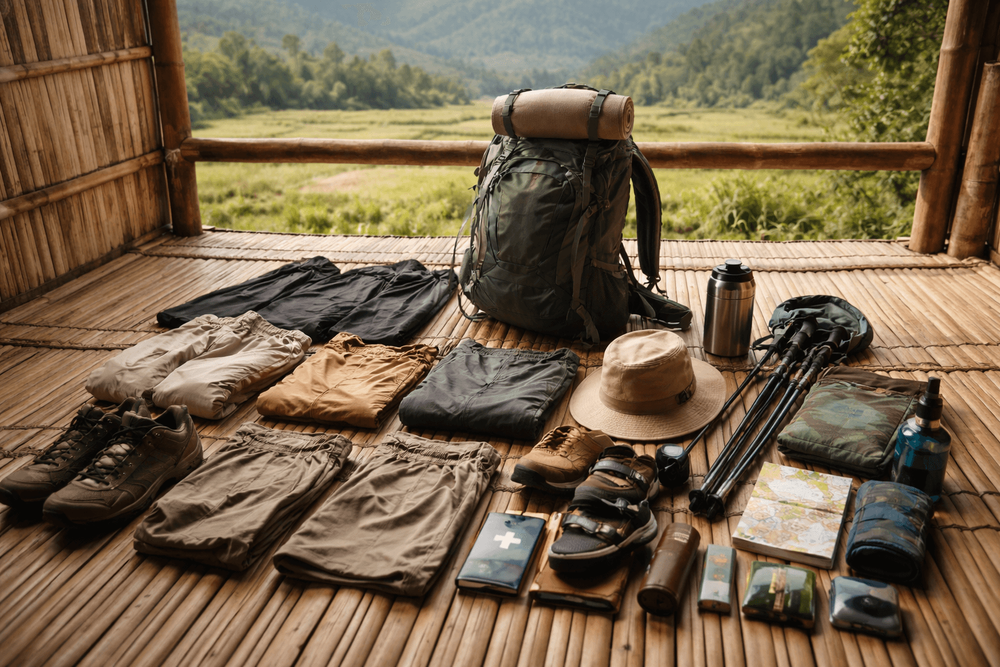
Backpacker Packing List for Thailand’s Northern Loop: Cool-Night Layers, Trekking Gear, and Small-Town Basics
Pack smart for Chiang Mai, Pai, and Chiang Rai: layers for cool mornings, rain gear, meds, SIM tips, and bags—our Thailand Northern Loop packing list with prices.
We’re standing under the red brick of Chiang Mai’s Tha Phae Walking Street just after dawn, coffee steaming in the cool air, a minivan idling nearby with Pai hand‑painted on the signboard. It’s not Bangkok’s sticky midnight on Baan Manee BKK anymore—it’s sweater weather, at least until the sun clears Doi Suthep. This is why a Thailand Northern Loop packing list matters: the route flips from crisp mountain mornings to sweaty afternoon markets to temple visits where shoulders and knees need covering. Pack smart and we’ll glide from Chiang Mai to Pai, Mae Hong Son side roads, and up to Chiang Rai without overpaying, overpacking, or shivering through a sunrise.
Data Freshness + Pricing:
- Prices are approximate and in THB.
- Last checked: July 2026.
- Happy hour and promo details change frequently—confirm locally.
Thailand Northern Loop Packing List: Core Clothing and Footwear
The north is all contrasts—khao soi steam fogging your glasses on Nimman, cold air biting your knuckles on a 762‑curve ride to Pai, monks’ bells at Wat Phra Singh Woramahawihan. Our kit has to flex.
Layers you’ll actually wear
- Light base tees (2–3): Quick‑dry or soft cotton blends. You’ll wash often; no need for a week’s worth.
- Long‑sleeve sun/bug shirt (1): Breathable button‑up or tech fabric. Covers for temples and keeps mozzies off at dusk.
- Mid‑layer (1): A thin fleece or lightweight puffer. Northern mornings in Dec–Feb can dip to 10–15°C; even other months you’ll feel the chill on a scooter at 7 AM.
- Packable rain jacket (1): A legit shell beats a sweaty poncho when the sky opens over a mountain pass.
- Travel pants (1–2): One lightweight, one tougher pair for scooters/treks. Zip‑offs are farang‑dad chic, but practical.
- Shorts (1–2): Knee‑length is temple‑friendly; keep a shorter pair for non‑temple days.
- Temple cover‑up: A big cotton scarf or sarong doubles as warmth layer and temple modesty—buy local around Tha Phae or Chiang Rai Night Bazaar for approx. 100–200 THB.
Footwear that earns space in your bag
- Trail runners or sturdy sneakers: Grippy for waterfalls and temple stairs; dry faster than boots. If you insist on boots, go light.
- Sandals (hiking or sport style): Great for hostel showers, wet season puddles, and lazy evenings on Pai Walking Street.
- Flip‑flops: Live-in footwear for guesthouse courtyards and short dashes to 7‑Eleven.
- Socks: Include one warmer pair for cool mornings.
Extras that save the day
- Buff/beanie: Wind chill on motorbikes is no joke up near Pai Canyon at sunrise.
- Lightweight gloves: Optional but clutch for winter months on scooters.
- Swimwear: Hot springs near Pai want a quick‑dry suit, not cotton shorts that never dry.
Pro tip: Laundry shops in Chiang Mai and Chiang Rai run approx. 30–60 THB/kg (wash and dry). With that, you can travel with fewer clothes and still smell like jasmine, not tuk‑tuk fumes.
Weather-Specific Packing Needs: Cool Mornings, Rain Bursts, and Hot Lowlands
Northern Thailand packs three micro‑climates into a day. Let’s dial it in by season.
Cool season (roughly Nov–Feb)
- Add a compact puffer or thicker fleece.
- Warmer socks and that beanie you scoffed at in Bangkok.
- Lip balm—dry morning air cracks faster than a minivan driver’s knuckles on the horn.
- Expect Chiang Mai afternoons to hit 26–29°C; layers let us strip down as the day warms.
Rainy season (roughly May–Oct)
- Real rain shell (not just a poncho). Breathability matters on climbs to Doi Suthep.
- Dry bags (5–10L) for phone, passport, and camera in your daypack—approx. 120–250 THB in outdoor shops near the Old City.
- Quick‑dry everything: shirts, socks, underwear.
- Sandals that don’t turn into ice rinks.
Hot and smoky transition (roughly Mar–Apr)
- SPF 50 sunscreen (approx. 250–450 THB for 50–100 ml). Thailand has tons, but it’s pricier than back home.
- Wide‑brim hat or cap.
- Electrolytes/ORS (approx. 10–20 THB per sachet) for heat days.
- N95/FFP2 mask for smoke days if agricultural burning flares—apps and locals will tip you off. Not every day is hazy, but when it is, you’ll be glad.
Travel Docs, Money, Phone, and Safety for Buses, Borders, and Beds
We love a spontaneous detour to a hilltop chedi, but paperwork and money logistics shouldn’t be the adventure.
Documents and visas
- Passport + digital/physical copies: Keep one copy in a separate pouch and one on your phone.
- Entry/visa notes: Rules shift. If you’re considering any border hop near Mae Sai/Tachileik, verify current regulations before you go—overland policies change quickly.
- Proof of onward travel (digital is fine) in case a check crops up.
- Local address: Some forms ask for your first guesthouse; grab a business card at check‑in.
- Visa extension: Chiang Mai Immigration can handle it if plans stretch beyond the initial stamp—budget a half‑day and some patience.
Money moves without the fees bite
- ATMs: Most charge approx. 220–250 THB per withdrawal. Pull out larger amounts less often and use a fee‑free card if you have one.
- Exchange houses: Competitive rates around Tha Phae Gate, Night Bazaar, and central Chiang Rai. Bring your passport for larger exchanges.
- Daily spend: Street meals 40–80 THB, coffees 40–90 THB, minivan Chiang Mai–Pai approx. 150–220 THB, Green Bus Chiang Mai–Chiang Rai standard seat approx. 200–320 THB.
SIM, eSIM, and staying connected
- Tourist SIMs from AIS, DTAC, or TrueMove available at Chiang Mai Airport and every 7‑Eleven—expect approx. 200–500 THB for 7–15 days of data.
- eSIM: If your phone supports it, activate before you fly. Still grab a physical SIM as backup in small towns if coverage hiccups.
- Offline maps: Download regions (Chiang Mai province, Mae Hong Son, Chiang Rai) over Wi‑Fi so we’re not at the mercy of a khlong‑adjacent dead zone.
Safety kit that actually helps
- Two padlocks: One for hostel lockers, one for your daypack zips.
- Cable lock: Light security for strapping a bag to a bus rack.
- Headlamp: For pre‑dawn temple climbs or guesthouses with moody lighting.
- Waterproof phone pouch (approx. 80–150 THB): Rainy scooter rides and waterfall splashes.
- Reflective strap or small bike light: We want drivers to see us on evening scooter runs.
- Don’t leave your passport at motorbike rentals; opt for a cash deposit instead (often approx. 2,000–3,000 THB). Photograph any existing scratches before you roll out.
For more on weight hacks and dodging budget airline fees if you’re connecting through Bangkok, see our Thailand Backpacker Baggage Allowance guide: Thailand Tour & Travel.
Health, Hygiene, and First-Aid for Long Roads and Dirt Trails
Northern nights are kind. Northern bus rides are not always—those curves to Pai are famous for a reason.
The motion sickness toolkit
- Motion pills: Bring your preferred brand; pharmacies around the Old City stock generics for approx. 20–50 THB a strip. Take it 30 minutes before the minivan.
- Ginger chews or mints: Old‑school but effective.
- Sit front left in vans when you can; look at the horizon and breathe.
Bugs, bumps, and sun
- Repellent with DEET or picaridin (approx. 100–250 THB). Dusk around rivers is mozzie o’clock.
- After‑bite balm: Tiger Balm or cooling roll‑ons are everywhere (approx. 40–80 THB).
- Sunscreen: Even in cool season, the sun at Wat Doi Suthep or Blue Temple will toast you.
Basic first‑aid pouch
- Plasters/blister treatment, small bandage roll, antiseptic wipes.
- Painkillers, antihistamines, anti‑diarrheals. ORS for rehydration.
- Any personal meds with original packaging and scripts.
- Compact thermometer if you’re trekking remote.
Clean and comfortable
- Microfiber towel: Dries in hours and doubles as a yoga mat on guesthouse floors.
- Hand sanitizer and wet wipes: Market finger food is a joy; sticky fingers, less so.
- Travel detergent (small bottle) or soap sheets for sink washes.
- Earplugs and eye mask: Pai Walking Street and hostel dorms have their own basslines.
We’ve got a whole breakdown of day‑bag must‑haves (temple socks, scarf, power bank) here: Thailand Packing List for Backpackers: Day Bag Essentials for Flights, Temples, and Tours.
Backpacks, Daypacks, and How to Move Between Chiang Mai, Pai, and Chiang Rai
We’re not hauling expedition rigs. Compact wins when you’re loading minivans, songthaews, and the Green Bus.
The main bag
- 40–50L backpack: Sweet spot for layers plus some trekking gear without turning you into a pack mule.
- Rain cover: Northern storms don’t RSVP.
- Packing cubes: Keep clean from muddy. One cube for temple‑appropriate outfits works wonders.
The daypack
- 15–20L with sternum strap and water bottle pockets.
- Hydration: 1–2L capacity for treks and scooter rides.
- Dry bag insert for rainy months.
Moving pieces across the loop
- Chiang Mai ↔ Pai: Minivans run all day, approx. 150–220 THB, 3–4 hours depending on the 762 curves and coffee stops.
- Chiang Mai ↔ Chiang Rai: Green Bus from Arcade Bus Terminal (Terminal 3) approx. 200–320 THB, 3–4 hours. Book early on weekends.
- Scooters: 110–150cc autos rent approx. 150–350 THB/day; helmets included. Check brakes and lights; keep rain shell and gloves ready for dusk chills.
- Cargo nets/bungees (approx. 50–120 THB): To secure the daypack on the scooter. Avoid wearing heavy bags on your back while riding.
- Luggage storage: Many guesthouses will hold a big bag if you do a Pai out‑and‑back—sometimes free, sometimes approx. 20–50 THB/day. Ask with a smile; a sawadee and a grin go further up here.
If you’re trying to go ultra‑light and buy along the way, our pack‑light strategy has you covered: Thailand Packing List for Backpackers on a Pack-Light Budget: Rewear, Buy-Local, and Reduce Luggage Costs.
Sample Northern Loop Packing List (Quantities That Work)
- Tops: 2–3 tees, 1 long‑sleeve sun shirt
- Bottoms: 1 lightweight pants, 1 trail pants/leggings, 1–2 shorts
- Mid‑layer: 1 fleece or packable puffer
- Rain gear: 1 breathable jacket, optional poncho backup
- Footwear: 1 trail runner/sneaker, 1 sandals, 1 flip‑flops
- Socks/undies: 3–4 pairs each, plus 1 warm sock
- Accessories: Buff/beanie, hat/cap, temple scarf/sarong
- Swimwear: 1 set
- Toiletries: Travel basics, sunscreen, sanitizer, wipes, detergent
- First aid: Plasters, antiseptic, painkillers, antihistamines, motion pills, ORS
- Tech: Phone, charger, power bank (10,000–20,000 mAh), universal adapter (Thailand uses 220V; sockets often accept flat and round pins), headlamp
- Documents: Passport, copies, travel insurance details, onward proof
- Money: Fee‑free card if possible, small bills for markets and songthaews
- Bags: 40–50L main pack with rain cover, 15–20L daypack, dry bag
- Security: 2 padlocks, cable lock, waterproof phone pouch
For an even deeper dive tailored to cool‑nights and mountain runs, check our broader northern checklist: Thailand Packing List for Backpackers in Northern Thailand: Mountains, Cooler Nights, and Long-Distance Travel.
Know small-town basics
- Temple etiquette: Cover shoulders and knees, remove shoes, keep the volume respectful. A small donation box near the entrance appreciates coins (approx. 20–50 THB).
- Early starts win: Sunrise on Doi Suthep or fog over Pai’s bamboo bridges is worth the alarm—and the fleece.
- Markets are your wardrobe: Forgot a layer? Night bazaars sell scarves, beanies, and cheap hoodies. Test zippers before you pay.
- Night buses: Bring a warm layer; AC can blast like that first whoosh inside a 7‑Eleven.
- Waterfall days: Wear sandals with grip and pack the dry bag; rocks are slicker than they look.
Real-World Scenarios (So You Know What You’ll Actually Use)
- Morning scooter to Doi Suthep (Dec–Jan): Tee + fleece + buff + gloves; trail runners. Shed layers by 10 AM down in the Old City.
- Rainy afternoon in Pai (Jun–Sep): Quick‑dry tee + shorts + rain shell; sandals. Phone and passport in a dry bag, not your pocket.
- Temple hop in Chiang Rai: Light pants + button‑up sun shirt + scarf. Slip‑on shoes make shoe‑off/ shoe‑on at each wat painless.
- Minivan to Pai if you get carsick: Light breakfast, motion pill, sit near the front, headlamp in the daypack in case you arrive after dark.
Where We Crash (And What We Look For)
Up north we keep it simple: guesthouses with thick blankets for cool nights, coin laundry nearby, and a quiet corner away from the thump of Walking Street. We look for shared kitchens (for early coffee), strong Wi‑Fi (for route checks), and somewhere to stash the big bag while we scooter with a daypack to hot springs. No need to splurge—value is excellent in the north if you poke a few sois off the main drag.
If you want to go deep on all‑Thailand essentials beyond the north, this master checklist helps you trim the fat before you fly: Backpacker Packing List for Thailand.

Pack light, layer right, and let’s meet at the bus stand with hot soy milk and a bag of fried dough. First one to spot the sunrise over the rice fields outside Pai buys the next round of khao soi back in Chiang Mai.
Related Hotels & Places
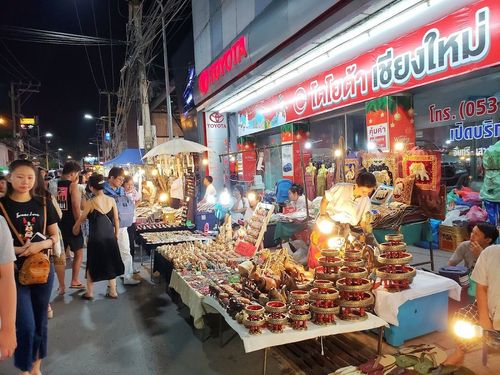
Tha Phae Walking Street
Shops
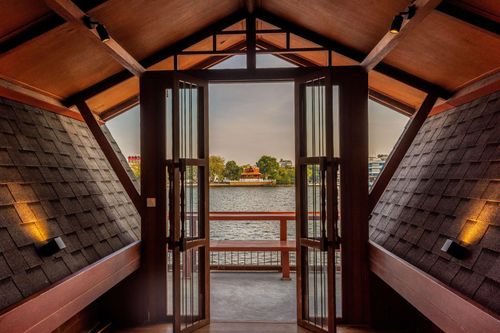
Baan Manee BKK
Hotels
A 118‑year‑old riverside house turned boutique stay and café. Sunset terrace, a small bar and a fire pit on the Chao Phraya. Ten minutes across from Khao San—come for proper coffee by day, drinks after dark, and quiet sleep away from the noise.
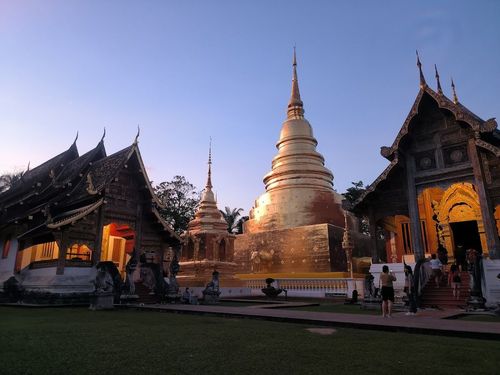
Wat Phra Singh Woramahawihan
Temples
Pai Walking Street
Attractions
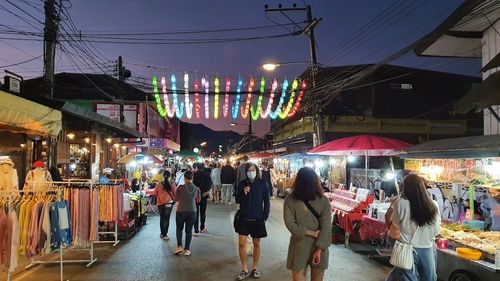
Pai’s nightly walking street turns the town center into a car-free food crawl from 6pm. Follow the lights from the bus station for street eats, smoothies, and handmade crafts. Busiest 7–9pm—arrive early to graze and stroll.
Chiang Rai Night Bazaar
Markets
Live stage, cheap eats (30–80 THB), and local crafts a few steps from Bus Terminal 1. Chiang Rai’s easygoing night market runs nightly 6pm–11pm — grab a plastic chair, a cold beer, and watch traditional dance between bites.
Thailand Tour & Travel
Services
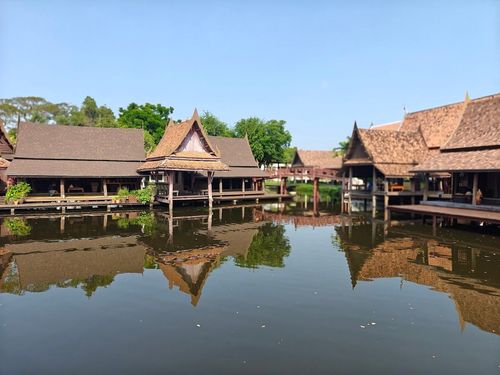
A services near Khao San Road.
Recommended Products
More Khao San Road Guides
- Backpacker Packing List for Thailand’s Northern Loop: Chiang Mai, Pai, and Cool-Weather Essentials
- Backpacker Packing List for Thailand’s Northern Cities: Chiang Mai, Chiang Rai, and Cooler Evenings
- Backpacker Packing List for Thailand’s Northern Loop: Mountains, Cooler Nights, and Long Travel Days
- Backpacker Packing List for Thailand’s Northern Hills: Cool Mornings, Trekking, and Temple Stops