
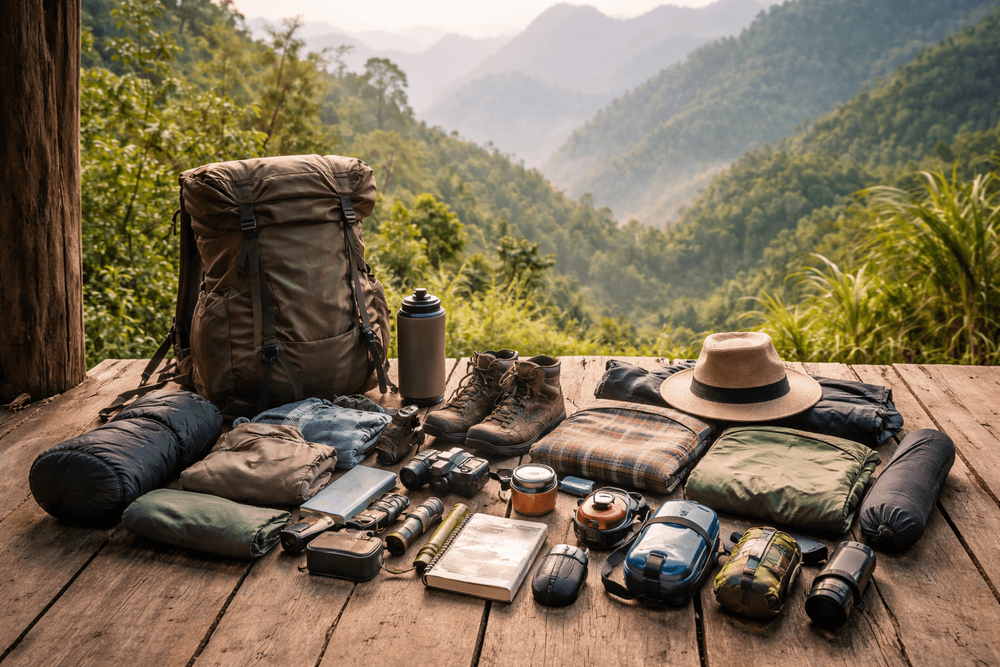
Thailand Packing List for Backpackers in Northern Thailand: Mountains, Cooler Nights, and Long-Distance Travel
What to pack for Northern Thailand: layers for cool mornings, rain gear for jungle treks, temple-ready outfits, and smart travel essentials for Chiang Mai, Pai, and beyond.
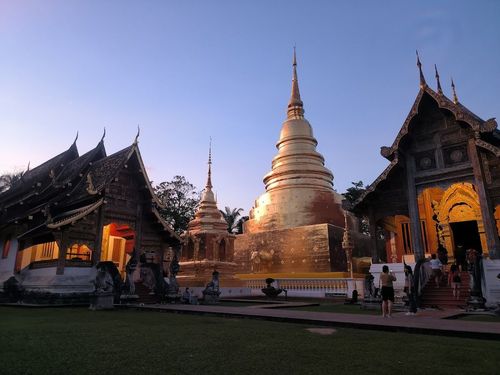
We step off the overnight train into Chiang Mai’s early light and breathe it in: cooler than Bangkok, a little pine on the breeze, incense from a temple gonging awake somewhere inside the moat. This is where a northern Thailand packing list earns its keep—layers for the chill, a rain shell for the noon downpour, sandals for the Chiang Mai Night Bazaar, and something respectable for stooping into a wooden viharn when the monk smiles and says sawadee.
The Northern Thailand Packing List: Clothes that flex from cool dawns to sweaty afternoons
Northern weather swings more than the south. Mornings in the hills can nip at your ears; by lunchtime you’ll be peeling off layers like mango skin. Here’s what we actually wear when bouncing between Chiang Mai, Chiang Rai, Pai, and the mountains beyond.
Core layers (year-round base)
- 3–4 quick-dry T-shirts or lightweight tops. Merino or breathable synthetics keep you fresh on treks and long bus days.
- 1–2 airy long-sleeves for sun and mosquitos at dusk.
- 2 pairs of lightweight pants (zip-off or trekking pants are gold). Northern temples and buses love AC; your knees will thank you.
- 1 pair of shorts (knee-length if you want a no-fuss temple option).
- 5–7 pairs of quick-dry underwear; 3–4 pairs of socks (add more if you’re trekking).
- 1 light scarf or sarong. Drapes over shoulders for wats, doubles as a bus blanket, works as privacy on sleeper trains.
Warmth for cool mornings and mountain nights
- 1 thin fleece or light down jacket. November–February mornings around Pai or Doi Inthanon can drop to 8–15°C. That shiver at 6 AM? This stops it.
- Knit hat and light gloves (optional but clutch if you’re dawn-chasing at high viewpoints).
Beat-the-heat essentials for midday
- Breathable fabrics. Linen/cotton blends or performance tees help when Chiang Mai hits 34–38°C in March–May.
- Sun hat or cap with a brim. Northern sun bites even when it feels “cool.”
- UV-blocking sunglasses. Go polarized if you’re riding a scooter through glare.
Rainy season add-ons (roughly May–October)
- Compact rain jacket or poncho (100–200 baht street-side ponchos work, but a proper shell earns its space on a trek).
- Quick-dry shorts and an extra set of socks in a dry bag. Squishy feet = low sanuk.
- Packable umbrella. Locals swear by them; they double as sun shade.
Temple-ready outfit
- For women: midi skirt or loose pants + shoulders covered. A light cardigan lives in our daypack.
- For men: long pants or knee-length shorts + sleeves. A cotton button-up wins style points and airflow.
Laundry tip: Coin machines are everywhere in Chiang Mai and Pai (30–50 baht per wash), and drop-off services run 40–60 baht/kg, usually within 24 hours. Pack fewer, wash more.
Footwear, Accessories & Practical Gear for Temples, Treks, and Travel Days
We plan shoes like we plan meals: specific to the mission.
Footwear
- Lightweight trainers or trail runners: grippy enough for Doi Suthep steps or bamboo bridges in Mae Taeng. Breathable beats waterproof most months.
- Sandals with straps: for night markets, hostel showers, and river dips. Slides work, but we prefer a secure pair for motorbike days.
- Optional: Trekking boots if you’re doing multi-day jungle hikes in the wet season. Otherwise, trail runners are lighter and dry faster.
Accessories that carry their weight
- Daypack (15–20L) with a rain cover. Fits jacket, water, camera, and snacks without hulking out.
- Headlamp: power cuts, sunrise summits, and those unlit sois back from the bar.
- Dry bags or zip pouches: keep phone and passport safe on rainy rides.
- Packable microfibre towel: homestays and waterfalls, dries fast, weighs nothing.
- Earplugs and eye mask: sleeper trains, roosters in Pai, bass from that bar off Ratchadamnoen on Sunday night.
- Refillable 1L bottle (or filter bottle). Many guesthouses refill; 7-Eleven sells 1.5L for 14–20 baht.
- Small first-aid zip: plasters, blister pads, antiseptic wipes, painkillers, rehydration salts.
Temple kit
- Slip-on shoes: you’ll take them off a dozen times a day.
- Light scarf/sarong: shoulders, knees, and the odd drafty bus.
Long travel days (bus, train, songthaew)
- Neck pillow you won’t hate carrying.
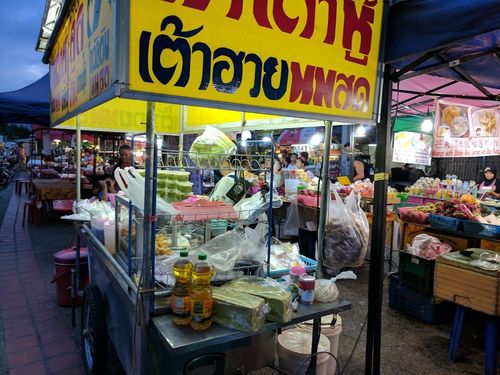
- Snacks: grilled moo ping (pork skewers) at Chang Phuak Market will change your life, but stash nuts and fruit for rides.
- Power bank (10,000–20,000 mAh). Outlets on trains exist; they’re not faithful.
Seasonal packing by destination: Chiang Mai, Chiang Rai, Pai, and beyond
Northern Thailand isn’t one climate. We tweak our bag depending on where (and when) we’re headed.
Cool season (Nov–Feb): crisp mornings, bluebird days
- Chiang Mai: Days ~26–30°C; nights dip to 15–20°C. Add a fleece for sunrise at Doi Suthep or when you’re sipping khao soi in the shade near Wat Phra Singh Woramahawihan.
- Chiang Rai: A touch cooler; great for the White Temple and river trails. Bring a light jacket for Golden Triangle dawns.
- Pai/Mae Hong Son: Expect the chilliest nights. Pack that beanie if you’re in a bamboo bungalow by the river.
- What we add: thin down/fleece, long pants x2, warm sleep layer if staying in mountain villages.
Hot season (Mar–May): dry heat, midday scorchers
- Expect 35–40°C afternoons. We time temples for early morning and nap through the inferno.
- What we add: extra breathable tops, electrolyte tabs, a sweat-friendly hat, and a light long-sleeve for sun over scooter rides.
Rainy season (May–Oct): green hills, sudden dumps
- Afternoon storms roll in fast; trails get slick, leeches find ankles.
- What we add: rain shell/poncho, quick-dry pants, leech socks for serious jungle treks, spare socks in a dry bag, and a pack cover.
Burning season (roughly Feb–Apr, varies): smoky skies
- Northern fields and forests burn; air quality can spike. Some days are fine; others are not.
- What we add: well-fitted N95/KN95 mask, lubricating eye drops, and we keep outdoor exertion flexible.
Health, safety & comfort: the unsexy heroes that save your trip
Sun, bugs, and bites
- Sunscreen (SPF 30+ broad spectrum). You’ll find it here, but formulas are pricier. We pack at least a starter tube.
- Insect repellent with 20–30% DEET or picaridin. Dusk in the valleys is mosquito happy hour; dengue is around.
- After-bite stick or hydrocortisone cream. Takes the itch down so you can focus on the night market skewers.
- Leech socks or snug crew socks if you’re trekking in wet jungle.
Basic meds and hygiene
- Oral rehydration salts (ORS): the fastest cure for hot-season wilt or a night that got away on Charoenrat Road.
- Loperamide and rehydration tablets for stomach woes; Thai pharmacies are excellent if you need more.
- Any prescriptions in original packaging + digital copies of scripts.
- Hand sanitizer and a small pack of tissues (bathrooms vary; 7-Eleven restocks don’t).
Water and food safety
- Street food is life. We aim for busy stalls with high turnover and sizzling woks. If it’s been sitting, we skip it.
- Reusable bottle: many guesthouses provide refills; otherwise big bottles are cheap. A compact filter bottle buys freedom on treks.
Insurance and scooters
- If you plan to rent a motorbike (common in Pai and Chiang Mai), bring an International Driving Permit that covers motorcycles. Police checkpoints are routine; fines for improper licenses or no helmet are real (think 400–500 baht). Always wear the helmet.
Documents, money, electronics & everyday carry
Documents and backups
- Passport + 2–3 photocopies. Keep one copy in your daypack; snap a photo and store it in the cloud.
- Travel insurance details (digital + printed). Reception Wi-Fi isn’t guaranteed on mountain nights.
- International Driving Permit (for bikes) and your home license.
- Vaccination records if you like having them handy.
Money and payments
- ATMs charge 220–250 baht per withdrawal for foreign cards. We pull out bigger amounts less often and use a fee-free card where possible.
- Cash is king at markets and tiny cafés; many places in Chiang Mai accept QR payments, but farang cards can’t always scan Thai PromptPay.
- Stash system: daily cash in a front pocket wallet, backup cash in a hidden pouch, card(s) split between two spots.
Phones, power, and connectivity
- eSIM or local SIM from AIS/DTAC/TrueMove H. Tourist packages run roughly 299–599 baht for 15–30 days with plenty of data. Bring passport to register.
- Power: Thailand uses 220V, 50Hz; sockets often take two-flat (US) or two-round (EU) prongs. A compact universal adapter with surge protection is smart.
- Power bank (10k–20k mAh) and a short USB-C/Lightning cable for grab-and-go.
- Cables love dry bags when storms hit mid-ride.
Cameras and laptops
- Chiang Mai’s cafés and coworking spots make it tempting to lug a laptop. If you’re remote-working, we pack a slim machine, padded sleeve, and a travel extension cord.
- For memory, we tote a spare SD card and cloud backup plan.
Day-to-day pocket dump
- Small coin pouch (songthaews are 20–40 baht rides; exact change helps).
- Lip balm with SPF, tiny deodorant stick, and a foldable tote for markets.
- Tiny lock for lockers or guesthouse wardrobes.
Know before you go: buy local, travel light, move smart
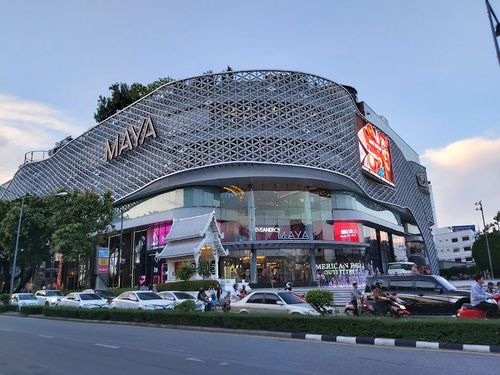
- Buy it here: Need a fleece? Decathlon, MAYA Lifestyle Shopping Center, or Waroros Market sort you out without draining your baht. Trekkers can rent sleeping bags and jackets in Chiang Mai’s Old City shops.
- Laundry economics: Pack 6–8 days of clothes, then wash. Your back—and your budget—win.
- Getting north from Bangkok: Overnight sleeper trains depart Krung Thep Aphiwat Central Terminal for Chiang Mai; book a lower berth for better sleep and a little more space. Buses roll from Mo Chit 2, and budget flights hit CNX multiple times a day.
- Around town: In Chiang Mai, red songthaews (rot daeng) are the move—flag, state your location, and hop in; fares usually 30–50 baht within the moat, more to Doi Suthep. In Pai, everything’s walkable or a short scooter ride.
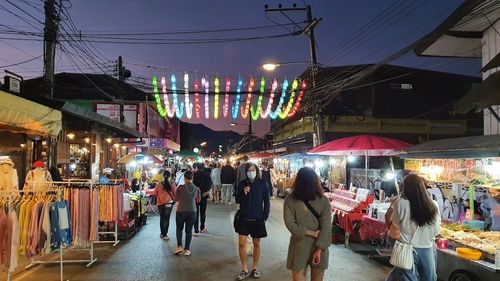
- Markets to plan your outfits around: Sunday Platinum Suites on Ratchadamnoen (Chiang Mai), Warorot Market by the Ping River, Chiang Rai Night Bazaar, and Pai Walking Street. Sandals you can slip off quickly will save you time at try-on stalls.
Sample pack list you can copy and tweak
- Backpack 40L–50L with rain cover
- Daypack 15–20L with rain cover
- 3–4 quick-dry tees, 1–2 long-sleeves
- 2 lightweight pants, 1 shorts
- 5–7 underwear, 3–5 socks (add for treks)
- Light fleece or down jacket; beanie (cool season/mountain nights)
- Rain jacket/poncho (rainy season)
- Scarf/sarong
- Trail runners; strap sandals
- Hat, sunglasses
- Toiletry kit + travel towel
- Sunscreen, repellent, after-bite
- First-aid mini kit + ORS + personal meds
- Headlamp, power bank, universal adapter
- Phone + SIM/eSIM
- Dry bags/zip pouches
- Passport + copies, insurance, IDP
- Reusable bottle (or filter bottle)
If you’re a first-timer and want the broader picture beyond the mountains, we’ve got a general list you can riff off here: Backpacker Packing List for Thailand. Heading south after the hills? The beach version swaps fleeces for reef-safe sunscreen and sarongs-on-rotation: Thailand Packing List for Backpackers in Southern Thailand: Islands, Ferries, and Beach Hops. Remote-working your way through Nimman’s café grid? Cross-check with our kit for laptops and cables: Thailand Packing List for Digital Nomad Backpackers. And if you’re still in the “what on earth do I bring?” phase, start here: Thailand Packing List for First-Time Backpackers: What to Bring and What to Leave Behind.

We usually base ourselves just inside the north moat near Sri Poom for quick hits of khao kha moo at Chang Phuak Gate, then stash the fleece for a motorbike loop to Pai when the mercury rises. Pack smart, leave room for market finds, and we’ll see you at dawn on the Doi Suthep steps—breath fogging, bells ringing, coffee steaming—ready for the day’s heat to chase us back into our sandals.
Related Hotels & Places
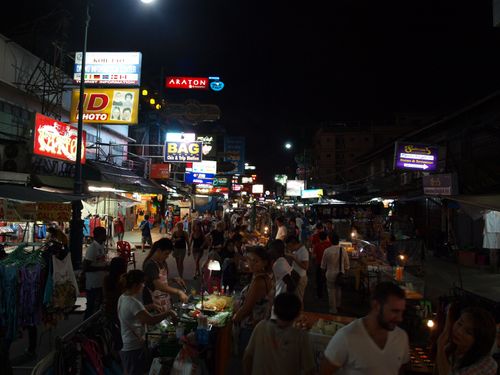
Khao San Road
Attractions
Bangkok’s backpacker carnival: curbside bars, live bands and DJs from 3pm–2am (midnight Sun). Street eats are cheap — pad thai 70–100 THB, mango sticky rice 60–100 THB. Come for wild people-watching; duck into Rambuttri for a calmer beer.
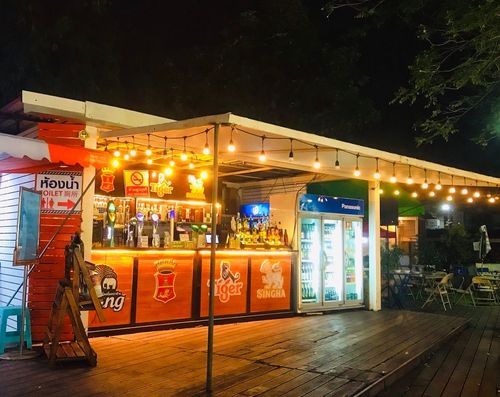
Chiang Mai Night Bazaar
Markets
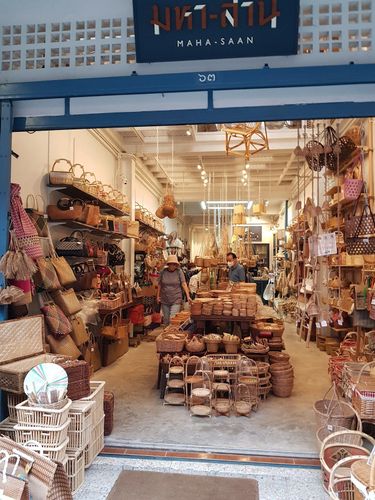
Waroros Market
Markets
Pai Walking Street
Attractions
Pai’s nightly walking street turns the town center into a car-free food crawl from 6pm. Follow the lights from the bus station for street eats, smoothies, and handmade crafts. Busiest 7–9pm—arrive early to graze and stroll.
Sunday Platinum Suites
Hotels
A 5-star hotel in Bangkok.
Chang Phuak Market
Markets
Chiang Mai’s North Gate street‑food strip: smoky grills, plastic stools, and the Cowboy Hat Lady’s braised pork leg over rice. Open daily 5pm–12am; most plates under 100 THB. Come early, graze from stall to stall, then finish with a fresh fruit shake.
Wat Phra Singh Woramahawihan
Temples
THE SKY HUA HIN
Bars
Hua Hin’s highest rooftop bar on the 27th floor at Holiday Inn Vana Nava. Step onto the glass skywalk at sunset, then settle in with DJ-led tunes and signature cocktails like the Sea Mist Martini. Open daily 5pm–midnight; early evening is family‑friendly.
MAYA Lifestyle Shopping Center
Shops
Nimman’s landmark mall for air‑con pit stops and sunset views. Indie Thai brands, cafés and a reliable food court, plus a multiplex cinema upstairs. Open daily 10am–10pm at the Huay Kaew x Nimmanhaemin junction.
Recommended Products
More Khao San Road Guides
- Backpacker Packing List for Thailand’s Northern Loop: Mountains, Cooler Nights, and Long Travel Days
- Backpacker Packing List for Thailand’s Northern Cities: Chiang Mai, Chiang Rai, and Pai Seasonal Essentials
- Backpacker Packing List for Thailand’s Northern Hills: Cool Mornings, Trekking, and Temple Stops
- Backpacker Packing List for Thailand’s Northern Loop: Cool-Night Layers, Trekking Gear, and Small-Town Basics