
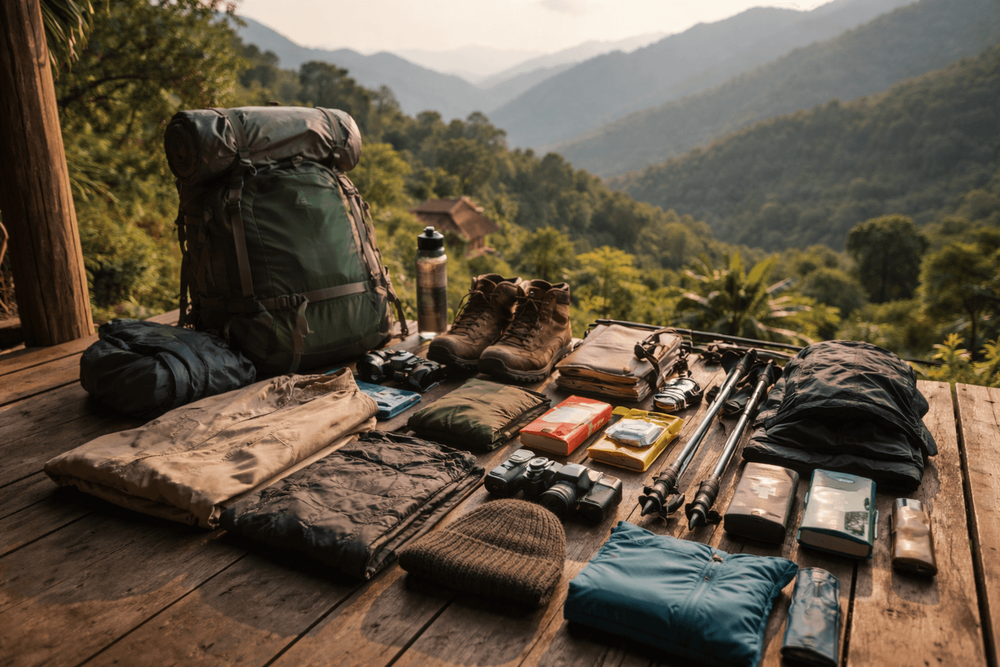
Backpacker Packing List for Thailand’s Northern Loop: Mountains, Cooler Nights, and Long Travel Days
What to pack for Chiang Mai, Pai, and Chiang Rai: lightweight layers, temple-ready outfits, rain gear, and mountain-ready extras for cooler nights and long rides.
We step off the night bus into Chiang Mai’s pre-dawn cool and the air smells like wet earth and garlic chive dumplings warming on a cart. A monk pads past the moat and we shiver—yes, shiver—in Thailand. This is exactly why a Thailand northern packing list is different: khao soi steam by day, fleece-worthy breezes by night, and mountain rain that can soak you between two hairpin turns.
Data Freshness + Pricing:
- Prices are approximate and in THB.
- Last checked: July 2026.
- Happy hour and promo details change frequently—confirm locally.
Thailand Northern Packing List: Climate and Terrain Basics
Northern Thailand isn’t the islands. Up here, we bounce between cities like Chiang Mai and Chiang Rai, riverside towns like Pai, and mountain villages tucked into mist. Each demands a tweak to your kit.
- Cool mornings, warm afternoons: Expect 15–20°C mornings in Dec–Jan in the mountains, rising to 28–32°C by mid-day. In shoulder months it’s mild; in hot season (Mar–Apr), it’s toasty everywhere.
- Rainy season reality: From roughly May to October, fat raindrops slam down hard and fast. Trails get muddy, mountain roads slick, and your jeans become a regret. Pack quick-dry everything and real rain protection.
- City vs. rural: In Chiang Mai’s Old City around Tha Phae Walking Street, you’ll duck into cafes and temples all day—modesty and sun protection matter. Outside town—Doi Suthep trails, Mae Hong Son Loop, Doi Inthanon—think layers, mud, and the occasional leech.
- Smoke season caution: Between roughly late February and April, agricultural burn can haze up the north. If you’re sensitive, add N95 masks and eye drops. You’ll still find sanuk, but the views may blur.
If you want a nationwide baseline before we get specific, we also keep a broader Backpacker Packing List for Thailand you can cross-check with this northern-focused guide.
Essential Clothing for Temples, Trekking, and Cool Nights
We’re packing for polite wais at Wat Phra Singh Woramahawihan, market rambles at Waroros Market, hairpin days to Pai, and roof-terrace nights that can turn breezy fast.
Temple and town etiquette
- Lightweight long pants or a midi/long skirt: Knees covered for temples. Quick-dry, breathable fabric is your friend.
- Shoulders covered: A light cotton or linen shirt works. A thin scarf can save you at the last second, but proper tops are better.
- One nicer-but-breezy outfit: For a dinner on Nimmanhaemin Road, where cafes run cool AC and playlists run long.
- Light cardigan or UV shirt: For sun and those icy bus and cafe AC blasts.
Tip: Some temples loan sarongs for a small donation (approx. 20–50 THB), but bring your own so you’re not stuck at the entrance.
Trekking layers (Doi Suthep, Doi Inthanon, Mae Taeng)
- Base layers: Quick-dry tee or merino top (won’t stink after two days in a homestay).
- Mid layer: Thin fleece or synthetic sweater for dawn in the hills.
- Outer: Packable rain shell with a proper hood. Ponchos are great in town; on trails, a jacket keeps arms free.
- Bottoms: Light trekking pants; zip-offs if you like. Avoid heavy denim.
- Socks: Two to three pairs of decent hiking socks—dry feet are happy feet.
Everyday travel pieces
- 2–3 quick-dry tees or tanks
- 1–2 pairs of shorts for non-temple days
- 1 pair of breathable long pants (travel or joggers)
- 1–2 light dresses/skirts (if you wear them)
- Sleepwear that doubles as loungewear
- Swimwear (there’s always a waterfall or a guesthouse pool in Pai calling your name)
Laundry is easy and cheap; most neighborhoods have per-kilo services (approx. 30–50 THB/kg; same-day often 60–80 THB/kg). Pack less, wash more.
Footwear, Rain, Sun, and Insect Protection
We’re in and out of guesthouses, wading across bamboo bridges, and parking the scooter under a roadside mango tree—footwear and weather armor matter.
Footwear
- Breathable trainers or light hikers: Enough grip for muddy steps to a waterfall, still fine for wandering the Night Bazaar.
- Sandals you can walk in: Think secure straps, not flimsy flip-flops. Great for showers and rivers.
- Flip-flops: For hostel floors and quick runs to 7-Eleven when the sky opens.
If you’re planning multi-day treks with a load, opt for light hikers. For most of us, sturdy trainers are perfect.
Rain gear
- Packable rain jacket or poncho: Street ponchos go for approx. 30–60 THB at 7-Eleven; a decent travel shell runs more but saves your day.
- Dry bag (10–20L): Keeps your clothes and electronics safe on scooters and songthaews. Markets sell them for approx. 150–300 THB.
- Backpack rain cover: Puddles and downpours find their way in—cover up.
Sun protection
- Wide-brim hat or cap: The Pai Canyon sun bounces right back at you.
- Sunglasses with UV protection
- High-SPF sunscreen: Prices vary, but a 50ml tube runs approx. 150–350 THB. Reef-safe isn’t a big northern issue like the islands, but your skin will thank you.
- Lightweight long-sleeve UV shirt: Beats slathering sunscreen all day.
Insect protection
- Repellent with DEET or picaridin: You’ll find both locally (approx. 80–200 THB). Evenings along the river and jungle trails draw the mozzies.
- Anti-itch cream or Tiger Balm (approx. 25–60 THB)
- Lightweight long layers: Especially around dusk.
Dengue is more of a concern than malaria in the main northern loop. Cover up at dawn/dusk and use repellent. If you’re heading truly off-grid, ask a travel clinic what’s current.
Electronics, Documents, Money, and Health Kit
Northern travel means long bus rides, river mist, and the occasional white-knuckle tunnel of hairpins. Charge it, back it up, and keep your papers tight.
Power and plugs
- Thailand runs 220V/50Hz. Sockets commonly accept flat (Type A) and round (Type C) pins. Bring a small universal adapter with surge protection.
- Lightweight power bank (10,000–20,000 mAh): For buses to Pai (762 curves; 3–4 hours) and guesthouse rooms low on outlets.
- Compact multi-USB charger: One wall plug, many devices—done.
Connectivity
- eSIM or local SIM (AIS/True/DTAC): Tourist packages with data (8–15 days) run approx. 150–399 THB. Buy at the airport or malls like MAYA Lifestyle Shopping Center/One Nimman; top up at 7-Eleven.
- Offline maps and translation downloads: Helpful where signal dips in the mountains.
Money and documents
- Passport photos + digital copies
- International Driving Permit + your home license: Police checks happen on the Mae Hong Son Loop. Fines for no license aren’t fun (or cheap).
- Travel insurance details printed and saved offline
- ATM card + backup: Thai ATMs often charge approx. 220–250 THB per withdrawal. Pull out larger amounts less often and use a no-foreign-fee card if you’ve got one.
- Small cash stash: Many rural spots and fuel stations on back roads are cash-only.
Health kit
- Rehydration salts (approx. 10–20 THB/sachet) and electrolyte tabs
- Blister treatment and plasters
- Anti-diarrheals, antihistamines, mild painkillers
- Any personal meds with scripts and generic names
- Hand gel and a few alcohol wipes
If you manage conditions or carry prescriptions, cross-check our focused guide: Thailand Packing List for Backpackers with Medical Needs.
The small, mighty extras
- Collapsible water bottle or soft flask: Many cafes and guesthouses will refill; tap water isn’t potable.
- Microfiber towel: Dries in an hour on a bamboo railing.
- Headlamp or small torch (approx. 100–300 THB): For homestays and pre-dawn temple climbs.
- Lightweight daypack (15–20L) with chest strap
- Packable tote or mesh bag for laundry
- Cable lock or small padlock for hostel lockers
- Buff/neck gaiter: Sun, dust, and scooter wind blocker.
- Waterproof phone pouch (approx. 100–200 THB): Also handy for Songkran.
Seasonal and Activity-Specific Additions
The northern loop shape-shifts with the calendar and your chosen flavor of sanuk.
Multi-day trekking and village stays
- Sleeping liner: Some treks provide blankets that can be rough or chilly.
- Quick-dry underwear and extra socks
- Compact camp towel
- Small gifts/snacks to share (ask your guide what’s appropriate)
- Trash bags or extra dry bags: Keep muddy gear separate.
Typical 2–3 day treks run approx. 2,000–3,500 THB total depending on group size and inclusions. Ask about leech season; simple leech socks can be a day-saver on certain routes.
Motorbiking the Mae Hong Son Loop (Chiang Mai – Pai – Mae Hong Son – Mae Sariang)
- Full-coverage rain jacket and pants: Better than a flappy poncho at 60 km/h.
- Riding gloves and a scarf/buff: Grip and wind chill matter in the hills.
- Bungee cords or Rok Straps: Keep your pack from migrating.
- Microfiber cloth: Clear visor and mirrors after a downpour.
Scooter rentals (110–125cc) run approx. 150–300 THB/day in Chiang Mai, plus a deposit or your passport—read the fine print. Fuel is approx. 35–45 THB/liter. Inspect helmets; if the strap’s shot, ask for a better one.
Festivals and special moments
- Yi Peng/Loi Krathong (Nov): Light layers for cool nights, a warm mid-layer for riverside lantern watching, and a camera wrist strap.
- Songkran (mid-Apr): Quick-dry clothes, water shoes/sandals, and a waterproof pouch. Expect to get drenched in the Old City moat area. It’s pure sanuk.
- Night markets and cooking classes: A foldable tote for produce and spices; those curry pastes perfume your whole bag otherwise.
Winter vs. monsoon packing
- Winter (Dec–Jan): Add a warmer mid-layer, beanie, and thicker socks if you’ll sleep in mountain villages where dawn bites.
- Monsoon (May–Oct): Double down on quick-dry fabrics, anti-chafe balm, and spare dry bags. A lightweight umbrella is great in cities; on trails, stick to a jacket.
Smoke season add-ons (Feb–Apr)
- N95 or KN95 masks (approx. 20–60 THB each)
- Lubricating eye drops
- Back-up indoor days plan: Cafes with good filters on Nimmanhaemin, museums, and massage—never a bad time to go full sabai with a foot massage (approx. 150–250 THB/hour).
Quick-Grab Packing List (Northern Loop)
- Clothing: 2–3 quick-dry tees; 1–2 shorts; 1 breathable long pant; temple-appropriate top/bottom; light sweater/fleece; packable rain jacket; sleepwear; underwear; swimwear; scarf/sarong.
- Footwear: Trainers/light hikers; walking sandals; flip-flops.
- Weather armor: Hat/cap; sunglasses; high-SPF sunscreen; DEET/picaridin repellent; anti-itch balm; dry bag; pack rain cover.
- Tech: Universal adapter; multi-USB charger; power bank; cables; offline maps; eSIM/SIM setup.
- Docs and money: Passport + copies; IDP + home license; insurance printout; ATM + backup card; small cash stash.
- Health: ORS packets; bandages; meds + scripts; hand gel; wipes; basic first aid.
- Smalls: Headlamp; microfiber towel; collapsible bottle; tote/mesh bag; padlock; buff; phone pouch; bungees if riding.
Know Before You Go: Practical Northern Notes
- Getting around: Chiang Mai to Pai is a minivan staple (approx. 180–220 THB, 3–4 hours, 762 curves). Motion-sickness tablets aren’t overkill. Chiang Mai to Chiang Rai by bus runs approx. 200–350 THB and 3–4 hours.
- Gear on the ground: Forgot something? Warorot Market and weekend walking streets in Chiang Mai have bargains; Central Festival or Maya’s Decathlon covers technical bits. Ponchos, dry bags, and phone pouches are everywhere.
- Laundry rhythm: Per-kilo services are everywhere—pack fewer outfits and wash as you go.
- Temples and modesty: Knees and shoulders covered, hats off, shoes off. A light scarf lives in our daypack for surprise wats.
- Motorbike reality: Police checks happen. Carry your license and IDP, wear a helmet, and avoid night riding in rural stretches.
- Baggage weight games: Domestic budget flights love fees. If you’re hopping down to Bangkok or the islands after, skim our notes on allowances: Thailand Backpacker Packing List for Budget Airlines and Weight-Limit Fees.
If you want a complementary master list to compare with this northern setup, our broader Backpacker Packing List for Thailand stays updated with brand-agnostic, field-tested essentials.

We usually base ourselves near Tha Phae Gate or along the Ping River in Chiang Mai—quiet lanes, easy songthaews, and night markets you can smell before you see. In Pai, a simple riverside bungalow and a hammock beat any five-star. Pack light, buy what you missed, and leave room for hill-tribe textiles and that extra bag of locally roasted beans—you’ll thank yourself back home when the smell of Chiang Mai mornings slips out of your pack.
Related Hotels & Places
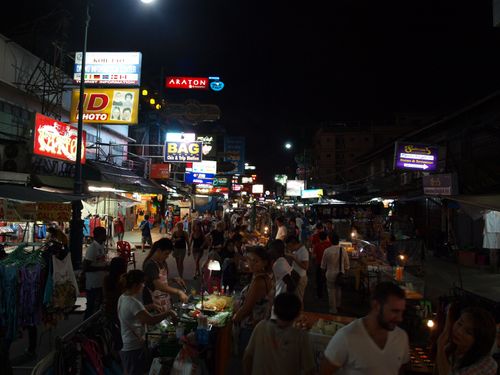
Khao San Road
Attractions
Bangkok’s backpacker carnival: curbside bars, live bands and DJs from 3pm–2am (midnight Sun). Street eats are cheap — pad thai 70–100 THB, mango sticky rice 60–100 THB. Come for wild people-watching; duck into Rambuttri for a calmer beer.
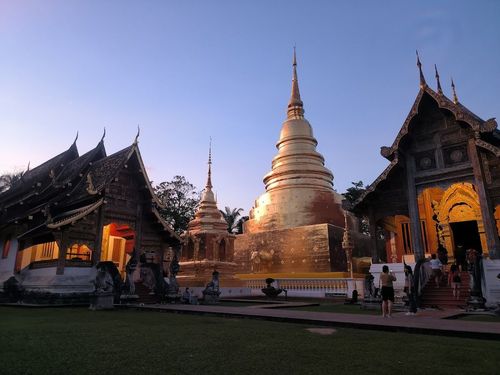
Wat Phra Singh Woramahawihan
Temples
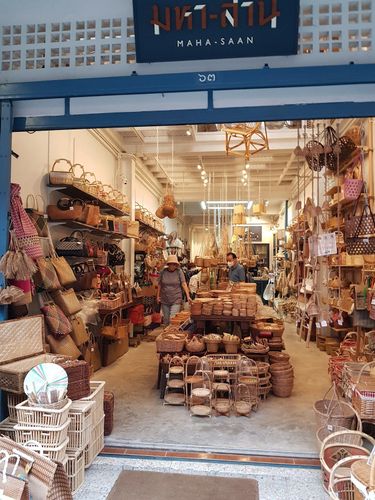
Waroros Market
Markets
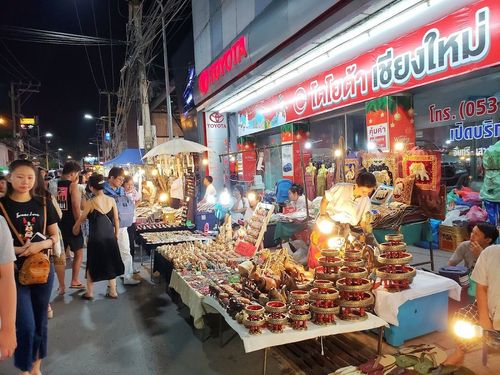
Tha Phae Walking Street
Shops
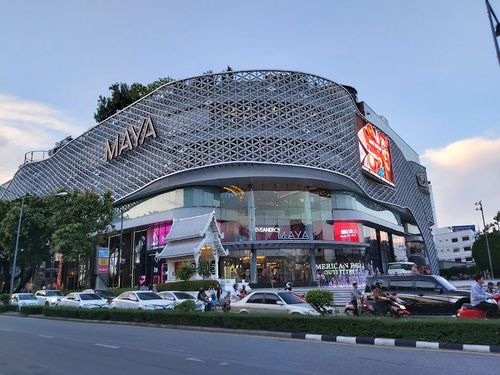
MAYA Lifestyle Shopping Center
Shops
Nimman’s landmark mall for air‑con pit stops and sunset views. Indie Thai brands, cafés and a reliable food court, plus a multiplex cinema upstairs. Open daily 10am–10pm at the Huay Kaew x Nimmanhaemin junction.
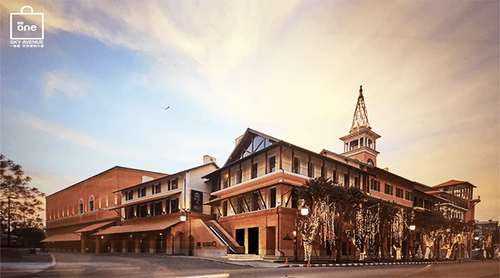
One Nimman
Shops
Brick-arched lanes, a clock tower, indie boutiques, and a lively food hall — One Nimman is Nimman’s photogenic marketplace, right across from MAYA. Best from golden hour to night; open daily 11am–10pm.
Recommended Products
More Khao San Road Guides
- Thailand Packing List for Backpackers in Northern Thailand: Mountains, Cooler Nights, and Long-Distance Travel
- Backpacker Packing List for Thailand’s Northern Loop: Cool-Night Layers, Trekking Gear, and Small-Town Basics
- Backpacker Packing List for Thailand’s Northern Loop: Chiang Mai, Pai, and Cool-Weather Essentials
- Backpacker Packing List for Thailand’s Northern Cities: Chiang Mai, Chiang Rai, and Cooler Evenings