
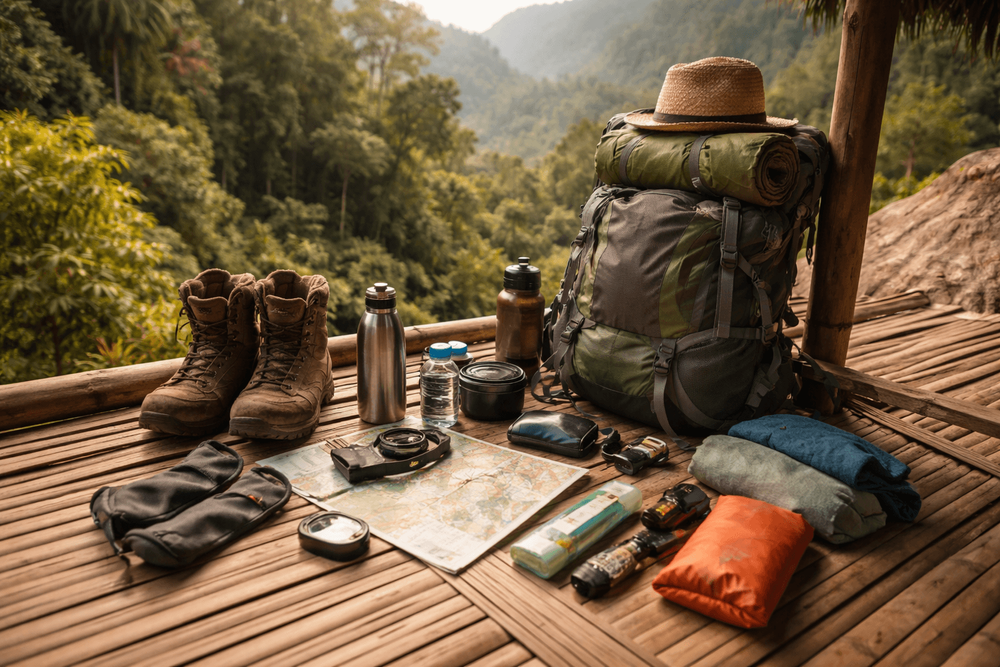
Backpacker Packing List for Thailand’s Chiang Mai Trekking Trips: Trails, Insects, and Overnight Hut Basics
Field-tested Chiang Mai trekking packing list: clothes, rain gear, bug defense, and overnight hut basics—what to bring, prices, and local tips.
We’re standing by the moat at Tha Phae Walking Street at first light, plastic cups sweating with iced kopi, the mountains a blue smudge beyond the Old City walls. Tuk-tuks cough awake on Ratchadamnoen Contemporary Art Center, monks pad barefoot for alms, and our guide points upslope toward Doi Suthep. If you’re here for trails, waterfalls, and bamboo huts, this Chiang Mai trekking packing list is the difference between sanuk (fun) and fighting blisters, leeches, and a dead phone by sunset.
Data Freshness + Pricing:
- Prices are approximate and in THB.
- Last checked: July 2026.
- Happy hour and promo details change frequently—confirm locally.
Chiang Mai Trekking Packing List: Clothing You Actually Need
Chiang Mai plays tricks with the weather. Hot, sticky jungle at noon; misty, cool mornings in Mae Wang; surprise downpours in Mae Taeng; and bone-dry dust in the cool season. Pack to regulate heat, shed rain, and block insects—without lugging a wardrobe.
- Breathable trail shirt (long-sleeve, UPF): We favor a light, quick-dry long sleeve with roll-up tabs. It beats sunburn and mozzie bites in one go. Expect approx. 400–900 THB if you buy locally near Chiang Mai Night Bazaar stalls.
- Quick-dry tee (spare): For swapping into at camp so you’re not stewing in sweat. Local sports shops: approx. 200–450 THB.
- Lightweight trekking pants or shorts with stretch: Convertible pants look farang-dad, but zippables earn their keep when brush gets grabby. Market copies run approx. 350–700 THB; branded options much more.
- Thin base layer or light fleece (cool season/altitude): Up around Doi Inthanon View Resort or high Karen villages, nights can dip to 10–15°C. A microfleece (150–200 g) is enough. Approx. 500–1,200 THB.
- Rain shell or packable poncho: A seam-sealed jacket breathes better on climbs; a poncho covers your pack in a deluge. 7-Eleven ponchos are approx. 30–50 THB; a real shell is 1,200–3,000 THB.
- Sun hat + buff/bandana: Jungle sun is sneaky. A brimmed hat keeps your face sane; a buff handles sweat, dust, or temple modesty.
- Sleepwear for huts: Modest, light, dry—think thin tee and shorts or leggings. Huts are communal; you’ll be glad you packed something you won’t mind wearing at breakfast.
- Underwear you can rinse-dry: Two pairs of quick-dry do the job. Add a sports bra for bouncy trail sections.
- Lightweight packable jacket (optional, Nov–Feb): A 100–150 g windbreaker earns its place on dawn ridgelines.
Pro tip: Treat key clothing with permethrin at home if possible, or pick up long sleeves and socks you won’t mind spraying. It’s optional, but it turns bites into near-misses, especially in rainy months (May–Oct).
Footwear, Socks, and Rain Protection for Slippery Trails
We love the freedom of trail runners here—hot jungle, slick roots, and ankle-deep stream crossings don’t reward heavy leather.
- Trail runners with grippy outsole: Look for aggressive lugs; you’ll thank yourself on clay mud and wet bamboo steps. Local price for decent pairs: approx. 1,800–3,500 THB. If you already own reliable shoes, bring those.
- Hiking sandals (backup): For river crossings, waterfalls, or giving feet a breather at camp. Don’t trek all day in them unless you’re sure-footed. Approx. 800–1,800 THB.
- Socks that don’t quit: Two or three pairs of merino or synthetic hiking socks. Rotate, rinse, and dry on your pack. Market socks: approx. 80–150 THB/pair; performance pairs higher.
- Ankle gaiters (optional): In rainy season, gaiters help with leeches and mud. Lightweight nylon ones do fine. Approx. 200–600 THB.
- Rain strategy: Combine a lightweight shell with a pack cover or a long poncho that drapes over your bag. A silnylon pack cover runs approx. 250–600 THB. For true storms, stash your phone/documents in a dry bag inside the pack.
Leeches? They’re more nuisance than nightmare. In peak wet months (Jun–Sep), toss a pair of “leech socks” (approx. 120–300 THB) into the kit if your route snakes through wet bamboo gullies. Otherwise, tuck pants into socks and keep moving.
Gear and Personal Items: Comfort, Safety, and Power
Chiang Mai treks range from day dashes to two-night loops with bamboo hut stays in Hmong or Karen villages. Pack to be self-sufficient but nimble.
- Daypack (18–25 L) or overnight pack (28–38 L): The sweet spot is a light frame or sturdy daypack with a real hip belt. Don’t bring your Everest hauler. Expect approx. 1,200–3,500 THB locally for mid-range.
- Hydration: 2–3 L total capacity. Pair a hydration bladder (hands-free on climbs; approx. 600–1,200 THB) with a 1 L bottle. Add a compact filter bottle or chlorine dioxide tabs if your guide refills from streams. Filter bottle: approx. 1,200–2,500 THB.
- Headlamp with spare batteries: Trails go black by 6:30 pm under canopy. A 200–300 lumen lamp is enough. Approx. 250–1,200 THB.
- Power bank (10,000–20,000 mAh): Villages may have limited electricity from solar or generators; don’t count on outlets. Approx. 500–1,500 THB.
- Cables + universal adapter: Thailand runs 220V, Type A/B/C sockets. Most modern chargers work fine; a compact adapter keeps you flexible. Approx. 150–300 THB.
- Dry bags or zip pouches: Rain sneaks in. Keep your phone, passport copy, and cash in a 2–5 L dry bag. Approx. 120–350 THB.
- Trekking poles (collapsible): Your knees will cheer on long, clay-slick descents. Aluminum beats carbon for bangs. Approx. 400–1,500 THB.
- Compact towel + sarong: Towel for waterfalls, sarong for changing, privacy, or a quick hut curtain. Local market sarongs: approx. 150–300 THB.
- Sleeping bag liner: Huts often provide basic bedding, but a liner adds warmth and a clean feel. Silk or microfiber. Approx. 300–900 THB.
- Knife or multitool (check airline rules): Useful for fruit, repairs, and removing splinters. Approx. 250–1,200 THB.
- Navigation backup: Your guide leads, but download offline maps (Maps.me, Gaia). Note: signal is patchy in Mae Taeng valleys.
- Cash in small notes: Homestays, snack stalls, and red trucks (songthaew) don’t do QR deep in the hills. Carry approx. 300–800 THB/day plus a cushion for tips.
If you’re building your kit from scratch or planning to travel light beyond Chiang Mai, our one-bag advice here helps keep grams honest: Backpacker Packing List for Thailand’s Minimalist Travel: One-Bag Gear for Light, Flexible Trips. For dialed-in daypack organization, see this setup guide: Backpacker Packing List for Thailand for Daily Carry and Daypack Setup.
Health, Hygiene, and Insect-Repellent Essentials
We joke that the jungle is a living thing trying to reclaim us. Beat the heat, block the bites, and keep your feet happy.
- Insect repellent: 20–30% DEET or 20% picaridin. Small bottles run approx. 80–180 THB at 7-Eleven/Boots. Reapply after swims.
- Sunscreen SPF 30+ (broad spectrum): A 50 ml tube is plenty for a short trek. Approx. 120–300 THB for local brands; imports cost more.
- After-bite and aloe: Tiger balm, hydrocortisone, or aloe gel calm the itch and sting. Approx. 40–150 THB.
- Blister kit: Leukotape or kinesio tape, hydrocolloid pads, alcohol wipes. Don’t break in shoes on the trail—do it around the moat first.
- Chafe defense: Anti-chafe balm or simple talc powder (approx. 30–60 THB) for thighs and underpack straps.
- Oral rehydration salts: Magic for jungle sweat and mild tummy bugs. Pack 2–3 sachets/day. Approx. 10–20 THB each.
- Basic meds: Ibuprofen, antihistamines, loperamide, and any prescriptions in original packaging. Pharmacies around the Old City open late.
- Hand sanitizer + tissues: Huts and trail toilets are BYO. Small sanitizer: approx. 20–50 THB.
- Menstrual kit: Pads and tampons are available in the city; carry what you need for the trek. Menstrual cups work great—pack wipes and a small bottle for rinsing where water is scarce.
- Leech strategy: In peak rain, a dab of DEET around boot cuffs helps, or use leech socks. If one latches, slide a fingernail under and flick—no salt or flame theatrics.
If you’re mixing treks with longer jungle days elsewhere in Thailand, cross-check this deeper dive: What to Pack for Thailand for Day Hikes and Jungle Treks: Trail Shoes, Hydration, and Bug Protection.
Optional Extras, Local Tips, and What to Leave Behind
- Camera vs. phone: Phones do fine in the dim jungle. If you bring a mirrorless, add a lightweight prime and a dry bag. Drones are restricted in national parks—check rules and permits.
- Snacks that travel: Sticky rice packets, bananas, grilled gai yang (chicken) by the road, and a pocket of peanuts. Add a couple of energy bars from 7-Eleven (approx. 35–70 THB each) for late climbs.
- Village etiquette: Learn a couple of Thai basics—sawadee (hello), khop khun (thank you)—and ask your guide about local customs. Avoid handing out sweets to kids; buy crafts or produce instead.
- Bathing reality: Expect bucket showers and squat toilets. Flip-flops are non-negotiable for hut bathrooms.
- Laundry hack: A zip bag, a dash of detergent (approx. 10–20 THB sachet), and elbow grease. Hang to dry on your pack as you walk.
- Head net (rarely needed): Only for those who hate gnats—mostly unnecessary.
- Face mask for smoke: In late Feb–Apr, burning season can haze the valleys. An N95/KN95 weighs nothing and saves lungs.
- What to leave: Heavy jeans, leather boots, big toiletry bottles, a day’s worth of fashion sneakers, loud drones, and unnecessary valuables.
If your Chiang Mai trek is part of a bigger northern loop (Pai, Chiang Rai, Mae Hong Son), this seasonal packer will help balance cooler nights with day heat: Thailand Packing List for Backpackers in Northern Thailand: Mountains, Cooler Nights, and Long-Distance Travel. For a country-wide once-over, keep this handy: Backpacker Packing List for Thailand.
Know Before You Go: Seasons, Transport, and Trail Starts
- Seasons: Rainy (May–Oct) brings lush waterfalls and slick clay—plan for mud and leeches. Cool (Nov–Feb) is bliss for trekking: crisp mornings, warm days. Hot (Mar–Apr) can be toasty and smoky; start early, rest mid-day, mask up if PM2.5 spikes.
- Getting to the trail: Red songthaews cluster around Chang Phuak Gate (north gate) and Tha Phae. Shared trucks to Doi Suthep are approx. 60–100 THB/person one way (depending on crowd and your smile). Private hires to Mae Wang/Mae Taeng for trailheads run approx. 600–1,200 THB each way—haggle kindly. Expect a guide-organized transfer to be baked into trek prices.
- Guided treks: One-day treks hover around approx. 900–1,600 THB, while overnight hut trips range approx. 1,800–3,500 THB depending on group size, meals, and park fees. Ask about group size, waterfall stops (slippery when wet), and elephant experiences—choose ethical, no-riding sanctuaries if included.
- National parks: Doi Inthanon, Doi Suthep-Pui, and Ob Luang have entry fees (approx. 200–400 THB for foreigners), often included in tour prices. Carry your ticket; rangers may recheck on exits.
- Cash + connectivity: Beyond Mae Rim, signal fades. Have offline maps and cash for village snacks and coffee shacks (20–40 THB) along dirt roads.
Sample Daypack Loadout (Wet-Season Day Trek)
- On body: Trail runners, breathable long-sleeve, light pants, brim hat.
- In pack (18–22 L): 2 L water bladder + 1 L bottle, rain shell, pack cover, dry bag with phone/passport copy/cash, repellent, sunscreen, ORS x2, snack bars x2, compact towel, headlamp, tape/blister kit, flip-flops strapped outside, light fleece if climbing above 1,500 m.
Sample Overnight Loadout (Cool-Season 1–2 Nights)
- Add: Sleeping bag liner, extra socks/tee, power bank, tiny toiletry kit, sandals, thin fleece, trekking poles. Keep base weight tight—your future knees will write us thank you notes.

When we roll back into the Old City, dust on our shins and chili paste on our lips, we want just two things: a cold drink and a bowl of khao soi that fogs our glasses. Pack smart, aim for dawn starts, and we’ll see you on the ridge as the valleys wake up below Doi Suthep-Pui—boots muddy, smiles wide, and plenty of sanuk left for round two.
Related Hotels & Places
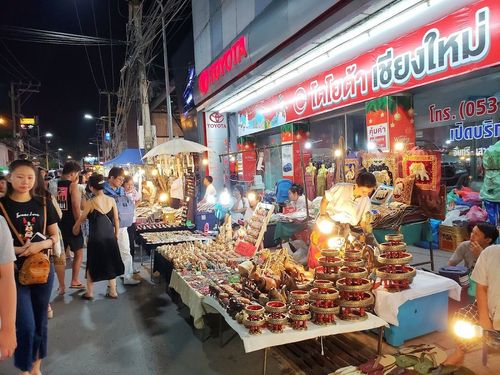
Tha Phae Walking Street
Shops
Ratchadamnoen Contemporary Art Center
Attractions
Serious contemporary art next to Democracy Monument. Free entry, air‑con galleries over three floors with rotating Thai shows, from installations to photography. Open 10am–7pm Tue–Sun; an easy walk from Khao San.
Chiang Mai Night Bazaar
Markets
Doi Inthanon View Resort
Hotels
Doi Inthanon View Resort provides flawless service and all the necessary facilities for visitors.Remain linked during your visit by utilizing the complimentary internet access available.
Recommended Products
More Khao San Road Guides
- Backpacker Packing List for Thailand’s Northern Loop: Cool-Night Layers, Trekking Gear, and Small-Town Basics
- Backpacker Packing List for Thailand’s Northern Hills: Cool Mornings, Trekking, and Temple Stops
- What to Pack for Thailand for Trekking and Jungle Backpacking
- Backpacker Packing List for Thailand’s Northern Cities: Chiang Mai, Chiang Rai, and Cooler Evenings