
What to Pack for Thailand for Day Hikes and Jungle Treks: Trail Shoes, Hydration, and Bug Protection
Build your Thailand hiking packing list: breathable layers, trail shoes, hydration, bug protection, and monsoon-ready gear. Prices in THB, checked June 2026.
The sun hasn’t cracked the ridge yet, but the jungle is already alive—cicadas drilling the air, a gecko clucking somewhere in the leaves. We duck out of a bamboo bungalow, grab a last blast of AC from a 7-Eleven, and shoulder our packs. If you’re building a Thailand hiking packing list, this is where it starts: in the steam of a khlong-side morning, with sweat beading before the first step and that little thrill of sanuk—fun—that keeps us moving.
Data Freshness + Pricing:
- Prices are approximate and in THB.
- Last checked: June 2026.
- Happy hour and promo details change frequently—confirm locally.
If you want the bigger-picture backpack setup beyond the trail, we also swear by this broader rundown: see Backpacker Packing List for Thailand (/articles/backpacker-packing-list-for-thailand-2026-06-06). For zip lines, waterfalls, and canyoning days, layer this with What to Pack for Thailand for Adventure Activities (/articles/what-to-pack-for-thailand-adventure-activities).
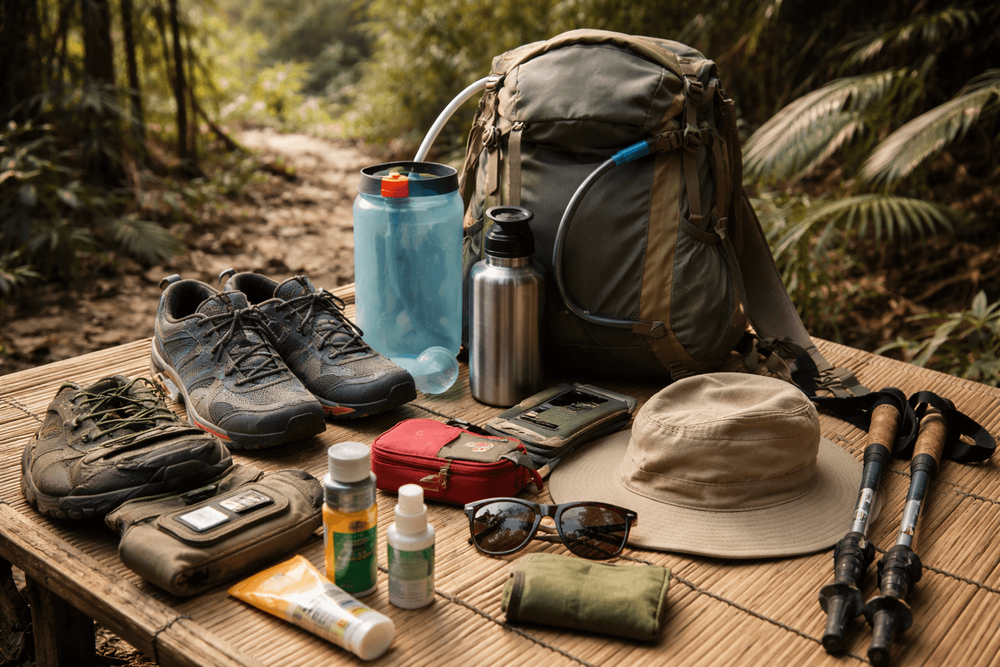
thailand hiking packing list: essentials at a glance
- Lightweight, moisture-wicking shirt and quick-dry pants or shorts
- Sun hat, sunglasses, UPF layer, buff
- Compact rain shell or poncho; pack liner or dry bag
- Trail runners with grip; wicking socks; leech socks in wetter jungles
- 2–3L hydration (bottles or bladder) + electrolytes
- Insect repellent (DEET or picaridin), after-bite, and permethrin-treated clothing if possible
- Small first-aid kit + blister care
- Headlamp, whistle, and offline navigation
- Snacks with salt and carbs; small trash-out bag
- Power bank, cable, and phone in a waterproof pouch
We’ll break it down by climate, terrain, season, and those sneaky little extras that make a sweaty climb feel civilized.
Essential hiking clothing for Thailand’s climate
Breathable layers that dry fast
Tropical heat and humidity turn cotton into a damp dishrag. We stick with synthetic or light merino tops that breathe and don’t cling. A short-sleeve tee or airy long-sleeve (UPF if you can swing it) keeps sun off without feeling like armor. Quick-dry shorts work on most day hikes, but in leech country or rough brush, we reach for lightweight pants.
- Light merino or synthetic shirts: approx. 350–900 THB at big-box outdoor shops
- Quick-dry pants/shorts: approx. 400–1,200 THB
Tip: Around Bangkok, Decathlon (BTS Udom Suk area) has decent, budget-friendly technical layers. Chatuchak Weekend Market near Mo Chit sells knockabout options, but check stitching and fit.
Sun protection you’ll actually wear
Thai sun does not mess around. A wide-brim hat or a cap with a neck flap, polarized sunnies, a buff or bandana, and reef-safe sunscreen make midday ridges bearable. We sometimes soak the buff at a roadside noodle stand and slap it back on for portable AC.
- Hat or cap: approx. 150–600 THB
- Sunglasses (polarized if possible): approx. 300–1,200 THB
- Reef-safe sunscreen: approx. 180–350 THB
Rain gear that earns its space
Even outside monsoon, a surprise cloudburst over Doi Suthep or Khao Yai is part of the show. A featherweight rain jacket or a simple poncho is gold. Cheap ponchos from 7‑Eleven keep your core dry in a pinch.
- Packable rain jacket: approx. 600–1,800 THB
- Disposable poncho: approx. 30–60 THB
- Pack liner (trash compactor bag works): approx. 10–20 THB
- Dry bag (10–15L): approx. 150–300 THB in Chinatown’s Sampheng Lane or Banglamphu stalls near Soi Rambuttri
Where to buy last-minute
- Banglamphu (near Khao San Road and Soi Rambuttri): market stalls for hats, buffs, ponchos, and basic quick-dry pieces.
- MBK and Siam area: sports chains for mid-range technical gear.
- Chiang Mai’s Warorot Market: cheap hats, socks, and sun sleeves before you head to Doi Inthanon or Doi Suthep trails.
Footwear, socks, and trail accessories suited to tropical terrain
Shoes: grip beats gore
We favor trail runners over heavy boots for most Thai trails—lighter, faster to dry, and grippy on roots and slick rock. Boots make sense for multi-day, muddy treks with heavy loads, but sweaty ankles plus leeches can be a romance killer.
- Trail runners with aggressive lugs: approx. 1,200–2,500 THB (budget) to 3,500+ THB (premium)
- Lightweight hiking boots: approx. 2,000–4,500 THB
Open-toe sandals? Nice at camp or for river crossings, but not for dense jungle or leech-prone khlong-side trails. If you insist, pair with neoprene socks.
Socks and leech defense
Wicking or merino socks keep blisters at bay. In monsoon or evergreen jungle, toss in leech socks—thin canvas tubes that tie under the knee. They look ridiculous. They work.
- Merino/quick-dry socks: approx. 120–300 THB per pair
- Leech socks: approx. 50–120 THB from local trekking shops (Chiang Mai, Khao Sok)
- Gaiters (lightweight): approx. 200–500 THB
Trail accessories that punch above their weight
- Trekking poles (collapsible): helpful on mossy stone steps and steep descents; approx. 300–900 THB
- Anti-chafe balm or foot powder: your feet will thank you; approx. 80–180 THB
- Microfiber pack towel (tiny): dries sweat and rain from phone screens; approx. 100–250 THB
Break in shoes on city walks—loop Phra Athit Road to the river, cut down a soi, and clock some kilometers before you hit the hills.
Safety and comfort: water, first aid, bugs, light, and navigation
Hydration and electrolytes
We carry 2–3 liters for most day hikes, more on exposed ridges. A bladder rides cool against the back; bottles are easier to refill at road stands.
- Water bladder (2–3L): approx. 400–900 THB
- Electrolyte packets (mineral salts): approx. 10–20 THB each at 7‑Eleven and pharmacies
- Filter or purifier: Sawyer/LifeStraw style approx. 900–1,500 THB
Many Thai trails cross clean-looking streams, but upstream villages and wildlife happen. If you must refill, filter first; boiling is best on overnights.
Insect strategy: repel, cover, treat
Mosquitoes bring more drama than any tiger you’ll never see. Day-biting Aedes mosquitoes carry dengue; dusk and dawn are peak hours. In the deep south and border mountains, malaria risk varies—check current advisories and plan meds with a doctor if needed.
- Repellent: 20–30% DEET or 20% picaridin; approx. 95–250 THB
- After-bite ammonia pen or gel: approx. 60–120 THB
- Permethrin-treated clothing: buy pre-treated if possible; DIY kits are rare in Thai shops
- Light long sleeves and pants at dusk; leech socks in wet jungle
Ticks exist; do a quick check at the trailhead café over a cold nam manao (lime soda).
First aid, blister care, and heat safety
A mini kit beats bravado: plasters, blister pads, antiseptic wipes, small roll bandage, pain relief, antihistamines, rehydration salts. Thai pharmacies are ace for refills—just say “sawadee” and ask for what you need.
- Trail first-aid kit: approx. 150–300 THB to assemble
- ORS (rehydration salts): approx. 10–15 THB per sachet
- Zinc oxide tape for hotspots: approx. 40–90 THB
Heat cramps sneak up by late morning—salt up early, and take shade breaks like a lizard under a mango tree.
Navigation: phones are great until they’re not
Download offline maps (Maps.me, AllTrails) before you leave Wi‑Fi. A lightweight compass is backup insurance. We keep the phone in airplane mode and a waterproof pouch.
- Headlamp: 200–700 THB; get one with a red mode so you don’t blind your friends
- Power bank (10,000–20,000 mAh): 500–1,000 THB
- Waterproof phone pouch: 100–250 THB
A whistle weighs nothing but carries through jungle noise far better than your farang yodel.
Weather- and season-specific packing for jungles, mountains, and monsoon
Cool season (Nov–Feb)
Northern Thailand can surprise you. Dawn on Doi Inthanon or Doi Ang Khang can drop into single digits Celsius, with wind that slices. Pack a light fleece or puffy and a beanie for early starts.
- Light fleece/puffy: approx. 700–1,800 THB
- Beanie and thin gloves: approx. 150–350 THB
Days still turn warm, so plan to strip layers fast.
Hot season (Mar–May)
Haze can wrap the north; heat grips the lowlands. Start pre-dawn, siesta midday, and finish as the shadows lengthen. Prioritize sun protection, electrolytes, and breathable fabrics.
- Extra electrolytes: stock 5–6 sachets
- Reflective/white hat and UPF sleeves
Monsoon (roughly May–Oct, varies by coast)
Trails get slick, streams swell, and leeches hold block parties. Many islands and marine parks on the Andaman side close some trails; inland parks may restrict routes after heavy rain.
- Aggressive-tread shoes, trekking poles, and leech socks
- Real rain shell plus pack cover or liner
- Quick-dry everything, including underwear
Expect afternoon storms like clockwork around 2–4 pm—plan ridges before lunch and forest cover later.
Regional notes
- North (Chiang Mai, Chiang Rai, Mae Hong Son): mountain temps swing widely; smoke/haze can affect visibility late dry season—check air quality and pack a light mask if sensitive.
- West (Kanchanaburi): hot, exposed hills; carry more water.
- South (Khao Sok, Trang): evergreen jungle = humidity + leeches; rainstorms can be biblical even outside full monsoon.
Always ask rangers about current trail conditions. Thai national parks are friendly but firm about closures—respect them.
Practical extras for multi-day hikes and remote trails
Power, dry, clean: the comfort trifecta
- Power bank + cable + wall plug: approx. 600–1,000 THB combo
- Dry bags/liners for clothes and sleeping gear: approx. 150–300 THB each
- Compact toiletries: biodegradable soap, tiny toothpaste, wet wipes, hand sanitizer (wipes: approx. 25–50 THB)
- Lightweight camp shoes (flip-flops): approx. 60–150 THB
Food and fuel
You’re never far from a noodle soup or grilled gai yang on Thai roads, but don’t count on shops mid-trail.
- Trail snacks: bananas, sticky rice in banana leaf, nuts, dried mango; approx. 20–60 THB per item
- Instant coffee or 3‑in‑1 packs for dawn starts: approx. 5–10 THB per sachet
- Gas canisters: available in Chiang Mai/Tanakorn-type outdoor shops and major cities; approx. 120–220 THB per small canister
Pack out your trash. Rangers will thank you, and the macaques will find something else to steal.
Documents, permits, and cash
- National park entry fees for foreigners: approx. 200–500 THB per park; keep small bills
- Camping rentals (in many parks): tent approx. 150–300 THB/night; sleeping bag/pad approx. 50–150 THB each
- ID or passport copy: keep a laminated copy and a digital backup
- Local SIM with data for maps—and a printscreen of your route just in case
Multi-day clothing tweaks
- One hiking outfit to sweat in, one dry camp outfit
- Extra socks (2–3 pair on rotation)
- Light base layer for cool mountain nights
- Small line + clips for fast drying under a bungalow fan
Where to stage your hikes and stash your gear
We like to base ourselves near the action. Around Chiang Mai Old City, it’s easy to grab a red songthaew up to Doi Suthep trailheads before the tour vans rev. In Kanchanaburi, a spot by the river buys you cooler evenings and quick escapes to Erawan or Sai Yok. Near Khao Sok, simple bungalows on the village road mean dawn starts into dripping green.
In Bangkok, we crash around Phra Athit Road or a quiet soi off Soi Rambuttri when we’re transit-hopping—handy for night buses from Mo Chit, Ekkamai runs to the east, and river taxis on the Chao Phraya when we need a breeze before the next leg. Pick a guesthouse that’ll store a duffel, do a quick laundry turnaround, and pour coffee at 5 am without complaint.
Know Before You Go: Thai Trails 101
Getting there
- Buses and minivans: Mo Chit Bus Terminal (north) and Ekkamai (east) are your springboards; buy at the counter, not from the over-friendly tout outside.
- Songthaews and taxis: In Chiang Mai, shared red trucks to trailheads are cheap and cheerful; in towns, agree on price before you hop in a tuk-tuk.
- Motorbikes: Great flexibility, but wet season roads are slick—ride slow and sober.
Trail etiquette and safety
- Stay on trail; jungle grows fast and hides faster.
- Leeches love still ankles—keep moving or dust with salt.
- Snakes want nothing to do with you—watch where you place hands and step with intent.
- Drones: many parks ban or require permits—check before you buzz the canopy.
Scams and small annoyances
Outside cities, scams are rare. In Bangkok, if a tuk-tuk offers a “free” ride to buy gear, it’s a detour to a cousin’s shop. Smile, wai, and walk on.
Buy here or bring it?
- Bring: shoes you trust, your favorite socks, a small filter, and a headlamp you know how to use.
- Buy here: ponchos, dry bags, hats, buffs, electrolytes, and basic first aid are everywhere and cheap.
If you’re pulling double duty—temples one day, ziplines or canyoning the next—skim this too: What to Pack for Thailand for Adventure Activities: Hiking, Zip Lines, and Outdoor Day Trips (/articles/what-to-pack-for-thailand-adventure-activities). And for the rest of your suitcase (beach, city, sleeper trains), the Backpacker Packing List for Thailand (/articles/backpacker-packing-list-for-thailand-2026-06-06) keeps it lean. If you like having a backup reference, here’s another take we trust: Backpacker Packing List for Thailand (/articles/backpacker-packing-list-for-thailand-2026-05-22).
Quick packing checklist you can copy
- Clothing: 1–2 moisture-wicking tops, 1 quick-dry pant/short, UPF layer, rain jacket/poncho, hat, buff
- Footwear: trail runners/boots, 2–3 pairs socks, leech socks (seasonal), flip-flops
- Hydration: 2–3L capacity, electrolytes, filter/purifier
- Safety: first-aid kit, blister care, whistle, headlamp, sunscreen, repellent
- Nav/tech: offline maps, compass, power bank, phone pouch
- Extras: snacks, dry bags, wipes, light towel, ID copy, cash for park fees
Sawyer Products MINI Water Filtration System
When the sky turns pink over the palms and the bass from a Khao San bar thumps somewhere far away, we’re already lacing up. Meet us on the trail at first light—then later, back on Phra Athit for boat noodles and a cold beer. Pack smart, hike early, and let Thailand do what it does best: surprise you.
Related Hotels & Places
7-Eleven
Shops
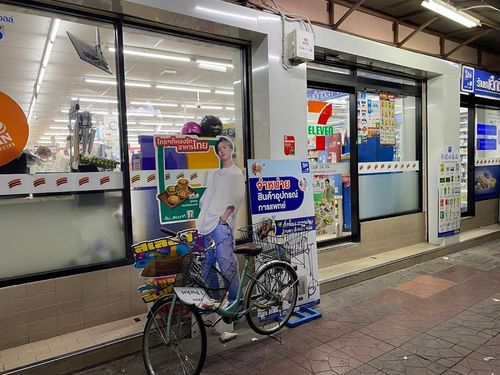
Khao San’s 24/7 reset button: ice‑cold A/C, ham‑cheese toasties, All Café iced lattes, water for 7–14 THB, and late‑night supplies from snacks to sunscreen—right by Rikka Inn.
Khao San Road
Attractions
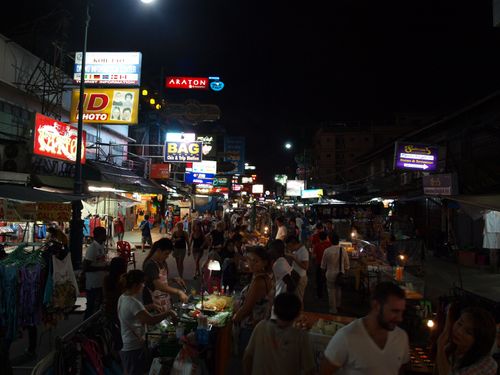
Bangkok’s backpacker carnival: curbside bars, live bands and DJs from 3pm–2am (midnight Sun). Street eats are cheap — pad thai 70–100 THB, mango sticky rice 60–100 THB. Come for wild people-watching; duck into Rambuttri for a calmer beer.
Recommended Products
More Khao San Road Guides
- Backpacker Packing List for Thailand’s Jungle and Waterfall Trips: Trek Shoes, Bug Defense, and Fast-Dry Clothes
- What to Pack for Thailand for Trekking and Jungle Backpacking
- What to Pack for Thailand for Waterfalls, Caves, and National Parks: Footwear, Dry Bags, and Trail Essentials
- Backpacker Packing List for Thailand’s Rainforest and Wildlife Trips: Binoculars, Dry Bags, and Bug-Proof Essentials