
Backpacker Packing List for Thailand’s Jungle and Waterfall Trips: Trek Shoes, Bug Defense, and Fast-Dry Clothes
The Thailand jungle packing list we actually use: fast-dry layers, trail shoes, bug defense, dry bags, and cash‑savvy tips for waterfalls, treks, and rain.
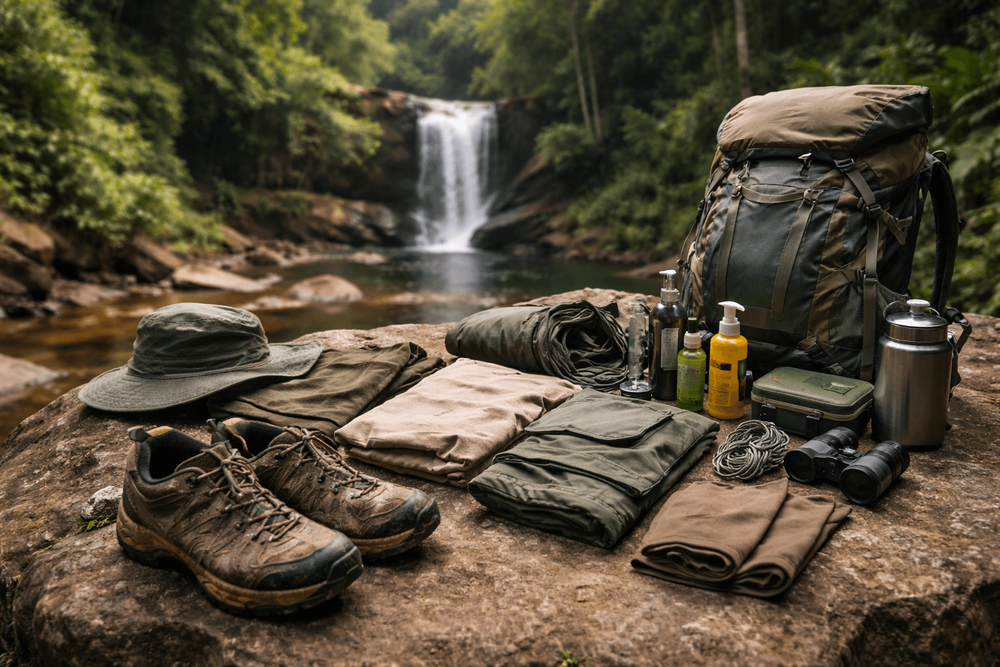
We step off the songthaew into wet heat that smells like crushed lemongrass and damp earth. The sky over Kanchanaburi is bruised with afternoon storm clouds, and the trail to the next tier at เอราวัณ นวดแผนไทย ยโสธร already glistens like a greased pole. Somewhere in the understory, a cicada drills. This is where a smart Thailand jungle packing list saves the day: a dry bag clipped to our waist, leech socks in place, and trail shoes that don’t turn to soap on limestone.
Thailand Jungle Packing List: Clothing and Footwear That Work
Let’s build a jungle uniform that dries fast, doesn’t chafe, and handles surprise monsoon bursts.
Quick-dry base layers
- Lightweight, synthetic or merino tee (one to wear, one to wash). Cotton becomes a swamp.
- Quick-dry shorts or trekking pants with stretch. Zip-offs are handy for brushy trails and leeches.
- Fast-dry underwear (2–3 pairs). Boxer briefs stay put on slick ascents.
- Sports bra with minimal seams if you need one.
Tip: Stick to darker colors that won’t show the inevitable mud stripes. Rinse at night; in jungle humidity, hang by a fan or over the AC stream you’ll beg for at 7‑Eleven.
Rain protection you’ll actually use
- Packable rain jacket with pit zips. Even in hot season, rain finds you.
- Cheap poncho (20–40 baht from roadside stalls) to throw over you and your daypack in a downpour.
- Ultralight umbrella if you prefer shade + drizzle control on mellow trails.
Footwear: grip beats bulk
- Trail runners with real tread. Think toothy soles for wet limestone and clay. Drains fast, dries faster.
- Light hiking shoes if you want a stiffer sole for ankle confidence on rooty climbs.
- Strap sandals for waterfall pools and camp. Avoid flip-flops on slick rock.
- Optional: Water shoes for river gorges; useful at Khao Lak Land Discovery or khlong crossings.
- Leech socks (60–150 baht at many park HQ shops) in rainy season or dense leaf litter. Not glamorous, very sanuk when you pull them off wriggler‑free.
Socks matter: synthetic or wool ankle crew, not cotton. Rotate pairs so one is always drying on your pack like the world’s least sexy prayer flag.
Sun, sweat, and modesty add‑ons
- Cap or brimmed hat. The sun between canopy breaks will cook you.
- Buff or bandana for sweat and grit.
- Sarong/light scarf doubles as changing screen at waterfall tiers and as a bus pillow.
If you’re mapping out longer day hikes with elevation and roots, we’ve got a deeper take in our day‑hike checklist here: What to Pack for Thailand for Day Hikes and Jungle Treks: Trail Shoes, Hydration, and Bug Protection.
Health, Safety, and Bug Protection
The jungle hums and bites. We keep the sanuk going by staying unbitten, unburnt, and unfazed by surprises.
Insect repellent strategy
- DEET (20–30%) or icaridin/picaridin (20–25%) for exposed skin. Reapply after swims and sweaty climbs.
- Permethrin‑treated clothing or a small bottle to spray socks/pants before the trip.
- Natural citronella works for evenings, not for serious trail days.
Mosquitoes are more active at dawn/dusk and near still water. Leeches thrive in wet leaf litter after rain—tuck pants into socks and keep moving.
Sunscreen that won’t slime you
- Reef‑safe, sweat‑resistant SPF 30–50. A lot of waterfall basins connect to sensitive streams—leave the heavy chemicals on the shelf.
- Lip balm with SPF. Jungle wind on ridgelines will crisp you fast.
First aid: small, smart, watertight
- Plasters, blister patches, and tape (fixes feet, poles, and torn straps).
- Antiseptic wipes and a mini tube of antibiotic ointment.
- Pain relief (ibuprofen or paracetamol) and antihistamines for bites.
- ORS electrolyte sachets (10–20 baht each at pharmacies and 7‑Eleven).
- A couple of alcohol swabs and tweezers.
- Any personal meds in a labeled zip bag.
Waterproof and sweat‑proof storage
- 10–20L dry bag (150–500 baht in markets) for phone, cards, and a spare tee. Clip it to you or your pack on boats and near falls.
- Extra zip‑seals for passport copy and cash. Humidity is savage.
- Phone in a lanyard waterproof case if you’re clumsy on wet rock. We’ve all been there.
Animals, plants, and other realities
- Don’t feed monkeys—ever. They remember faces and unzip bags like tiny street thieves on Soi Rambuttri.
- Snakes exist. Give them space and stamp a bit on blind corners.
- Spiky palms and rattan vines love forearms. Lightweight sleeves save skin.
If your jungle plan leans toward wildlife viewing—hornbills in Khao Yai, gibbons in Khao Sok—this deeper wildlife‑leaning list is handy: Backpacker Bar’s Rainforest and Wildlife Trips: Binoculars, Dry Bags, and Bug-Proof Essentials.
Gear for Heat, Humidity, and Sudden Rain
Thailand flips between sauna and shower. We pack to keep our stuff dry and our bodies topped up.
Hydration setup
- Carry 2–3 liters capacity. A soft flask + 1L bottle is a great modular combo.
- Electrolytes to replace what the jungle steals from you.
- Refill whenever you pass a stall or park tap; buy a 5L jug for the room and decant each morning (50–70 baht).
Dry storage and pack management
- 10–20L dry bag as your inner liner; small 2–5L for phone/wallet/camera.
- Mesh or sil-nylon packing cubes to separate wet from dry.
- Carabiner clips to hang socks and sandals on the move.
Light, bright, hands‑free
- Headlamp (150–400 baht at markets). Trails close early, but power cuts and night walks happen; keep both hands for the vines.
- 10,000–20,000 mAh power bank (400–800 baht). Jungle lodges sometimes ration outlets.
- Compact microfiber towel—dries quick, doesn’t mildew as fast.
- Small silicone soap bottle with biodegradable soap; rinse off the waterfall slime respectfully.
Nice‑to‑haves:
- Collapsible trekking pole for knees on slick descents.
- Lightweight camera rain cover or a simple shower cap. Toss in a few silica gel packets to fight lens fog.
For adrenaline‑leaning trips—canyoning, zip‑lines, cave floats—layer in extras from our adventure list: Thailand Backpacking Packing List for Adventure Activities.
Documents, Money, and Travel Essentials for Remote Jungle Trips
Trails don’t care about Wi‑Fi. Bureaucracy does.
- Passport photo and photocopy sealed in a zip bag. Keep the original locked up at your stay when you can.
- Travel insurance details saved offline; screenshot the policy and emergency numbers.
- Park entry cash. Many national parks charge farang adults 200–400 baht, plus small vehicle/boat fees—pay in cash at the gate or HQ.
- Local SIM with data. Download offline maps before you leave the soi.
- Small stash of emergency cash (1,000–2,000 baht) hidden in a sock or belt. ATMs thin out fast beyond the bus terminal.
- Permits or guide arrangements printed or saved offline. Some treks require approved guides—don’t bank on walk‑up availability in peak season.
Packing Tips for Thailand Jungle Activities
Waterfall day trips (Erawan, Huai Mae Khamin, Than Sadet)
- Wear trail runners or secure sandals you don’t mind soaking. Limestone is sneaky; grip is king.
- Swimwear under your quick‑dry layers; modesty counts at some tiers—pack that sarong.
- Dry bag always. Phone on a lanyard; we’ve seen more than one iPhone ride the khlong like a lotus leaf.
- Snack kit: sticky rice, bananas, and a trash bag. Don’t leave crumbs for monkeys.
- Timing: arrive early. Most waterfalls and trails wind down by 16:00–17:00, and rangers shoo latecomers back.
Jungle treks (Khao Sok, Khao Yai, Kaeng Krachan)
- Footwear: trail runners + leech socks in wet months (roughly May–Oct).
- Clothing: long, lightweight pants; sleeves if brushy.
- Add a pole for slick clay. Keep pace steady; leeches love loitering.
- Guide or ranger: worth every baht for wildlife, safety, and hidden trails.
Boat days and khlong crossings
- Double‑bag electronics: phone in a waterproof lanyard, then into a dry bag.
- Strap the dry bag to you or the boat—Thai longtails buck like tuk‑tuks on potholes.
- Sun shirt and hat; reflection burn is real.
Overnight in park bungalows or tents
- Check what’s provided. Many parks rent tents, pads, and sometimes sleeping bags. Bring a light sleep liner for hygiene and the odd cold snap in shoulder season.
- Earplugs for the symphony: geckos, frogs, and bass from an over‑eager campsite next door.
- Headlamp and spare batteries. Power can be spotty after midnight.
- Snacks and cash; small canteens close early or run out.
Keep it light without suffering
- 20–30L daypack is plenty for waterfall and light trek days. Add a hip belt for comfort.
- Wear one, pack one: shirt, underwear, socks. Rinse nightly; rotate.
- Skip heavy boots, jeans, bulky towels, and giant toiletries.
- Share group items (power bank, mini first aid, mosquito coils at camp).
If you’re backpacking the whole country and want a one‑bag baseline, start here and then layer the jungle bits on top: Backpacker Packing List for Thailand.
Know Before You Go
Seasons and leeches
- Rainy season (roughly May–Oct) means lusher falls, muddier trails, and more leeches. We pack leech socks and move with purpose.
- Cool/dry season (Nov–Feb) brings clearer skies and busier parks—book guides and stays ahead when you can.
Park etiquette and rules
- Stay on marked trails; rangers do not love rescues at dusk.
- Don’t drone over wildlife. Don’t blast music at viewpoints. And please—no soap in waterfall pools.
Gear sourcing on the fly
- Khao San Road and Soi Rambuttri stalls: cheap dry bags, ponchos, headlamps. Haggle with a smile—sawadee first, always.
- Decathlon branches (Bang Na, Rama IV) for solid budget gear and proper trail shoes.
- Pharmacies everywhere stock DEET, ORS, plasters. 7‑Eleven does emergency duty for most of it.
Where we crash between jungle runs
- In Kanchanaburi, we like simple guesthouses by the river—easy rides to Erawan and Huai Mae Khamin at dawn, hammocks for the afternoon storm show.
- Around Khao Sok, bamboo bungalows keep you close to night trails and boat launches; ask about early coffee and packed lunches.
- Inside some parks, basic bungalows and tents can be booked at HQ—bring cash and patience; the process is very Thai, but waking to gibbon calls is worth it.
Getting There the Simple Way
- Kanchanaburi and Erawan: Buses and vans run from Bangkok’s Southern Bus Terminal (Sai Tai Mai). First services leave early; we catch the crack‑of‑dawn one and hit the pools before the crowds.
- Khao Yai (Pak Chong side): Buses from Mo Chit 2 (Northern Bus Terminal) to Pak Chong, then songthaews to the gate and local hires inside. Rangers can arrange guides.
- Khao Sok: Buses connect from Surat Thani, Phuket, or Krabi. The last stretch is a lush roll through limestone spires—keep the camera handy but dry‑bagged.
Expect last‑mile transfers in songthaews or pickup taxis; agree the fare first and keep small bills. If you’re stash‑light on cash, hit the ATM before you leave the big stations—machines get rarer the closer you get to gibbons.
The Short Checklist You’ll Thank Yourself For
- Trail runners with grip + spare socks
- Quick‑dry tee and shorts/pants
- Light rain jacket + cheap poncho
- 10–20L dry bag + zip seals
- 2–3L water capacity + electrolytes
- DEET/icaridin spray + sunscreen
- Headlamp + power bank
- Small first aid + personal meds
- Sarong + microfiber towel
- Passport copy + insurance details + cash
We’ll see you under the bamboo, rain pinging off your poncho while you unzip a dry bag to fish out sticky rice. Pack smart, move early, and keep a sense of humor for the leeches—and we’ll make those emerald pools ours for a minute before the tours roll in.
Related Hotels & Places
เอราวัณ นวดแผนไทย ยโสธร
Massage
Khao Lak Land Discovery
Attractions
Khao San Road
Attractions
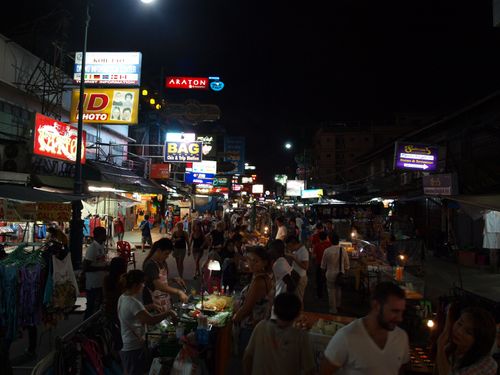
Bangkok’s backpacker carnival: curbside bars, live bands and DJs from 3pm–2am (midnight Sun). Street eats are cheap — pad thai 70–100 THB, mango sticky rice 60–100 THB. Come for wild people-watching; duck into Rambuttri for a calmer beer.
Backpacker Bar
Bars
More Khao San Road Guides
- Backpacker Packing List for Thailand’s Waterfall and National Park Trips: Wet Trails, Mud, and Day-Trip Essentials
- What to Pack for Thailand for Day Hikes and Jungle Treks: Trail Shoes, Hydration, and Bug Protection
- Backpacker Packing List for Thailand for Wet Shoes and Beach Days: Flip-Flops, Dry Bags, and Sand Management
- What to Pack for Thailand for Monsoon Backpacking: Leaks, Mud, and Fast-Drying Layer Basics