
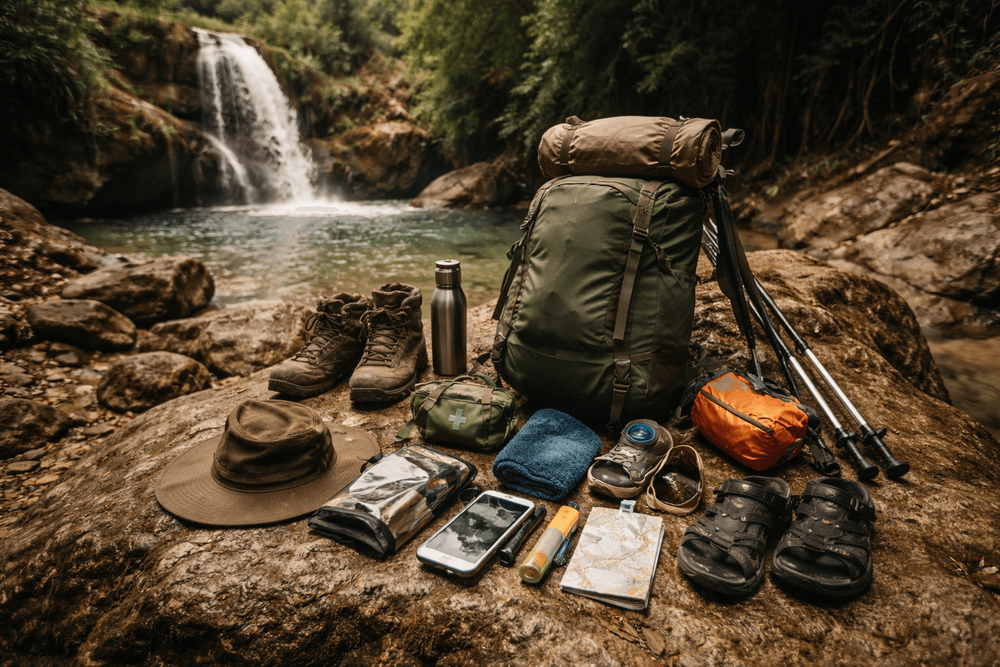
Backpacker Packing List for Thailand’s Waterfall and National Park Trips: Wet Trails, Mud, and Day-Trip Essentials
Our Thailand waterfall packing list: quick-dry layers, grippy sandals, dry bags, and day-pack essentials for muddy trails, cold spray, and sudden downpours.
The path is slick as a green mango and the air smells like wet leaves and grilled chicken smoke drifting from a roadside cart. We step off the songthaew, the thump of bass from someone’s portable speaker mixing with the hiss of a nearby khlong. A Thai auntie smiles, sawadee, and points toward the roar. This is waterfall country. Before we dunk ourselves in a jade pool at Erawan, scramble over sticky-limestone in Chiang Mai, or chase spray at Haew Suwat in Khao Yai, we need a smart Thailand waterfall packing list—light, waterproof, and ready for heat, mud, and sanuk.
We’ve done this dance in dry season dust and rainy-season downpours. Here’s what actually earns space in the day pack when we leave Bangkok’s Rambuttri coffee in our cups and trade it for jungle humidity.
Thailand Waterfall Packing List: Essential Clothing and Footwear
Quick-dry layers (leave the denim at the hostel)
- Lightweight, quick-dry t-shirt or long-sleeve sun shirt. Synthetic or merino works; cotton gets heavy and cold once wet.
- Fast-drying shorts with a liner or boardshorts. If you wear leggings, pick athletic ones that don’t hold water.
- A packable rain shell (8–12L/min downpours happen fast). Even in hot months, a sudden squall can cool you quick.
Why: Trails can be a steam bath, then five minutes later you’re wading a stream. Quick-dry means less chafe and no swampy bus ride home.
Grip-friendly sandals vs. trail shoes
- Hiking sandals with solid toe coverage and sticky rubber (think river crossings, scramble grip, and easy rinse). Great for places like Bua Tong “Sticky” Waterfall where you want bare-ish feet feel but still need traction.
- Trail runners or light hikers if the approach is longer, steeper, or muddy (Khao Yai, Doi Inthanon). Pair with thin, quick-dry socks.
- Water shoes are fine for swimming, but many lack grip on algae-coated rock. Flip-flops? Fun around Khao San Road; sketchy on slick cascades.
Pro tip: Test your soles on wet rock near the base before you commit to any scramble. If they skate, switch strategy.
Swimwear and modesty
- Wear your swimsuit under your hiking layers. Changing rooms appear at some parks, vanish at others.
- A light sarong or wrap is gold—doubles as a changing screen, sun shawl, towel, or temple cover-up on the route back.
- Be mindful around families: go easy on the cheeky cuts. Thailand’s waterfalls are often local picnic grounds too.
Sun, jungle, and chill management
- Brimmed hat or cap (clips to your pack with a carabiner so it doesn’t yeet into the pool).
- UV rash guard if you burn easily or plan long soaks.
- A thin fleece or long sleeve for higher elevation falls (Doi Inthanon’s spray can feel crisp in cool season mornings).
Day-Pack Essentials for Swimming, Hiking, and Surprise Weather
We aim for a 15–20L pack with a rain cover. The guts get a waterproof liner (cheap hack: a roll-top dry bag or contractor trash bag).
Waterproofing and carry
- 5–10L dry bag for phone, wallet, and spare clothes. Sling it inside your pack or carry it down to the pool.
- Rain cover for your backpack; a small bungee or strap to lash wet sandals to the outside.
If you’re building a day bag from scratch, we’ve got a deeper dive here: Thailand Packing List for Backpackers: Day Bag Essentials for Flights, Temples, and Tours.
Swim + dry kit
- Microfiber towel (quick-dry, half-size is perfect). It should go from waterfall to bus seat without soaking everything.
- Spare underwear and socks in a zip-top bag; bonus points for a light tee so you’re not damp at dinner.
- Lightweight plastic bag (or a second dry bag) for wet clothes—no one wants eau de khlong on the ride back.
Sun and skin
- Reef-safe sunscreen, SPF 30–50. Reapply after every dunk.
- Lip balm with SPF. The sun reflects off water and rocks like a mirror.
Bugs and bites
- Insect repellent: 20–30% DEET or picaridin. Jungle trails = mozzie buffet, especially near stagnant pools.
- After-bite stick or antihistamine cream if you swell up.
Hydration and snacks
- 1.5–2L of water per person for typical half-day hikes. Freeze one bottle in your guesthouse freezer for a cold core.
- Electrolyte packets or a bottle of Sponsor/Sting from 7-Eleven—the blast of AC is half the joy, but the salts matter when you sweat.
- Compact, salty snacks: sticky rice, bananas, nuts. National parks can be light on vendors beyond the entrance.
Navigation and power
- Phone with offline maps downloaded and a small power bank (10,000mAh). Some trails zig; some trails vanish in the rainy green.
- Whistle and a tiny torch/headlamp—if a late swim turns into dusk, you’ll be glad.
Cash, docs, and bits
- Small bills: park fees, songthaew rides, parking (think 20–400 baht needs, depending on the park and transport).
- Photocopy of passport or a pic on your phone. A pen for forms.
- Lightweight first aid (details below).
Safety and Comfort Items for Slippery Trails and Strong Sun
First aid that actually helps
- Blister kit: a few plasters/bandages and a bit of moleskin or tape.
- Antiseptic wipes and a small tube of antibiotic cream—scrapes happen on limestone.
- Painkillers and an antihistamine (cetirizine or loratadine) for surprise plant or bug reactions.
- Oral rehydration salts; one sachet can turn a wobbly afternoon around.
Waterproof phone protection that isn’t a prayer
- A simple roll-top phone pouch with lanyard (you’ll find them for 100–200 baht around Khao San Road or in night markets). Test it in a sink before you trust it.
- Belt-and-suspenders trick: phone in a thin case, inside a zip-top bag, inside the pouch. Air out after to avoid condensation.
Traction and balance
- One collapsible trekking pole helps on greasy descents; swap hands when scrambling.
- In peak rainy season, leech socks for serious jungle trails (Khao Sok, deep Khao Yai). DEET around socks and ankles also deters the tiny vampires.
Common-sense water moves
- Don’t jump into opaque pools—submerged logs and rocks don’t care if you’re having fun.
- Respect closures after heavy rain; flash floods are real. If rangers say mai dai (not allowed), we listen.
- Watch for polished algae slicks; if it looks like glass, step slow.
Seasonal and Location-Specific Packing Considerations
Rainy season (roughly June–October)
- Expect swollen streams, brown water, and sudden storms. Your rain layer, pack cover, and dry bag go from nice-to-have to essential.
- Trails get muddy; swap sandals for trail shoes on longer hikes. Consider leech socks in dense jungle.
- Parks may close certain falls or upper tiers for safety—plan backups and ask at the ranger station.
For a deeper dive on wet-season gear, we put our best hacks here: What to Pack for Thailand for Rainy-Day Backpacking: Waterproof Layers, Dry Bags, and Backup Footwear.
Cool and dry season (November–February)
- Lower humidity, clearer water, and busier picnic mats. Mornings can be crisp up north; toss in a light layer.
- The sun still slaps—hat, sunscreen, and water remain non-negotiable.
Hot season (March–May)
- Heat is brutal by late morning. Start early, aim for shade, carry extra electrolytes, and protect your neck and shoulders.
North vs. South vs. Islands
- North (Chiang Mai, Chiang Rai, Pai): Elevation can make spray chilly; approaches vary from short strolls to legit hikes. Grip matters.
- Central/West (Kanchanaburi, Khao Yai): Established parks with clear signage and ranger presence; fees on the higher side for foreigners; more rules about bottles and food up-trail.
- South (Khao Sok, Krabi’s Emerald Pool): Jungle-thick and leechy in rains; paths can be boardwalk, clay slip-n-slides, or both. Pack sandals that strap tight.
- Islands (Samui’s Na Muang, Phuket’s Ton Sai): Heat, short steep scrambles, and salty air. Sand + sunscreen = slippery—watch your footing.
Remote sites and long days
- Bring extra water capacity (collapsible 1L bottle), a fuller first-aid kit, and a second headlamp if you’re pushing beyond tourist hours.
- Phone signal can fade; tell someone where you’re headed. Download offline Thai phrases for emergencies—you’ll hear more local than farang voices out there.
Common Packing Mistakes to Avoid (and Our Simple Checklist)
Mistakes we see over and over
- Cotton everything. You’ll be wet, heavy, and chafed.
- Barefoot bravado on slick rock. Fun until the algae reminds you who’s boss.
- No dry bag. Phones don’t swim.
- Not enough water or salts. Jungle heat takes more than you think.
- Strappy swimwear without a backup layer—awkward when a family picnic becomes your audience.
- Starting at noon during hot season. Start early, nap later.
Simple, no-fuss checklist
Clothing
- Quick-dry tee or sun shirt
- Fast-dry shorts/leggings
- Swimsuit (under your clothes)
- Lightweight rain shell (especially in rains)
- Hat/cap and sunglasses
- Spare socks/underwear in a zip-top bag
- Sarong/light wrap
Footwear
- Grippy hiking sandals or trail runners
- Thin, quick-dry socks
- Optional: leech socks (rainy jungle treks)
Pack and waterproofing
- 15–20L daypack with rain cover
- 5–10L dry bag (plus trash bag for wet gear)
- Waterproof phone pouch
Sun, bugs, and swim kit
- Reef-safe sunscreen SPF 30–50
- Lip balm with SPF
- DEET/picaridin repellent
- Microfiber towel
Hydration and snacks
- 1.5–2L water (more if long/hot)
- Electrolyte packets or sports drink
- Salty snacks/fruit
Navigation, power, and safety
- Offline maps + power bank
- Headlamp/torch + whistle
- Mini first-aid: plasters, antiseptic, painkiller, antihistamine, ORS
- Cash (small bills), ID copy
If you’re keeping costs tight or replacing gear mid-trip, we’ve got wallet-friendly tweaks here: Thailand Packing List for Budget Backpackers: Low-Cost Gear, Laundry Strategy, and Smart Replacements.
Know Before You Go: Fees, Transport, and On-the-Ground Tips
- National park fees: Foreigners typically pay 100–400 baht per adult depending on the park; kids less. Keep your ticket if you plan same-day re-entry.
- Hours: Most parks run roughly 8:00–17:00, with last entry to trails earlier. Waterfalls can close after heavy rain.
- Bottles and food: Some parks check plastic at upper tiers and may ask a small refundable deposit for bottles. Pack out your trash.
- Alcohol and drones: Alcohol is generally not allowed in parks. Drones often require permits—skip it unless you’re cleared.
- Modesty: Swimwear is fine, but cover up when walking away from pools or passing families.
- Transport: From Bangkok, minivans and buses will get us to Kanchanaburi (for Erawan/Sai Yok) or Pak Chong (for Khao Yai). In the north, rent a motorbike with care—rain turns clay to ice. Local songthaews or a tuk-tuk can handle short hops.
- Cash is king: Many ranger stations are cash-only; carry small bills for fees, parking, and snacks.
- Signal and storms: Download offline maps. If thunder rolls, step back from water and exposed rock.
- City staging: We’ll usually pre-pack near Khao San Road or Phra Athit, grab a microfibre towel and a cheap phone pouch from the night stalls, hit 7-Eleven for cold water and electrolytes, then roll out at dawn.
Want a master list for the rest of your trip? Start here and adapt for islands, cities, and mountains: Backpacker Packing List for Thailand.
Sea to Summit Lightweight Dry Sack
We’ll be the ones jogging past the flip-flop crowd, orange dry bag bouncing, aiming for the tier with the best swim rock. See you under the spray—save us a spot where the water thunders and the fish nibble toes.
Related Hotels & Places
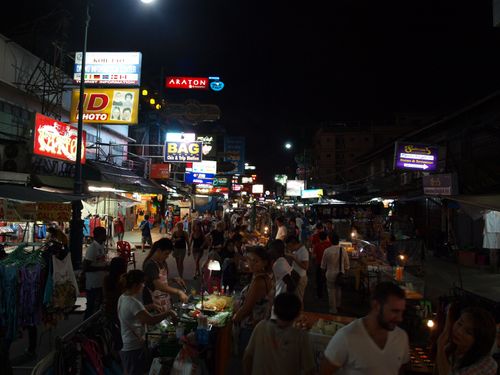
Khao San Road
Attractions
Bangkok’s backpacker carnival: curbside bars, live bands and DJs from 3pm–2am (midnight Sun). Street eats are cheap — pad thai 70–100 THB, mango sticky rice 60–100 THB. Come for wild people-watching; duck into Rambuttri for a calmer beer.
Rambuttri
Markets
Khao San’s calmer cousin: a tree‑shaded lane of VW van cocktail bars, open‑air foot massages, pad thai grills, and easygoing live bands. Best from sunset to 11pm; beers 80–120 THB, cocktails 150–220 THB. One block from the chaos, all the charm.
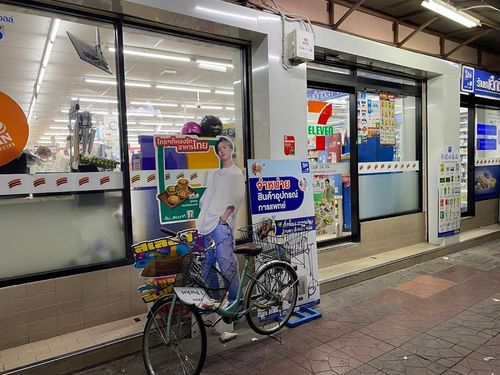
7-Eleven
Shops
Khao San’s 24/7 reset button: ice‑cold A/C, ham‑cheese toasties, All Café iced lattes, water for 7–14 THB, and late‑night supplies from snacks to sunscreen—right by Rikka Inn.
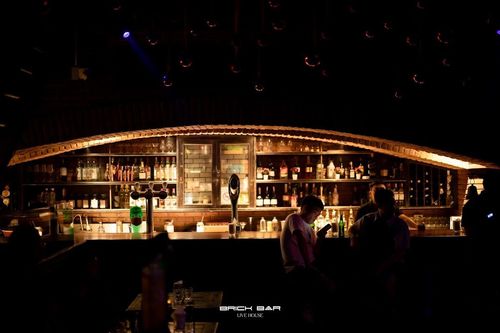
Brick Bar
Bars
Legendary live music venue in the Buddy Lodge complex. Thai ska, jazz, and blues bands play nightly in this underground basement bar beloved by locals and travelers alike.
Recommended Products
More Khao San Road Guides
- Backpacker Packing List for Thailand’s Jungle and Waterfall Trips: Trek Shoes, Bug Defense, and Fast-Dry Clothes
- What to Pack for Thailand for Waterfalls, Caves, and National Parks: Footwear, Dry Bags, and Trail Essentials
- Backpacker Packing List for Thailand: Pack for Wet and Dry Adventures in One Trip
- Backpacker Packing List for Thailand’s Countryside: Small-Town Stays, Dirt Roads, and Rural Comforts