
Best Overnight Train Day-Trip Alternatives from Bangkok for Backpackers Who Want to Save on Accommodation
Skip hotels, ride sleepers. Our favorite Bangkok overnight train day trips with routes, costs, and sample itineraries for backpackers on a budget.
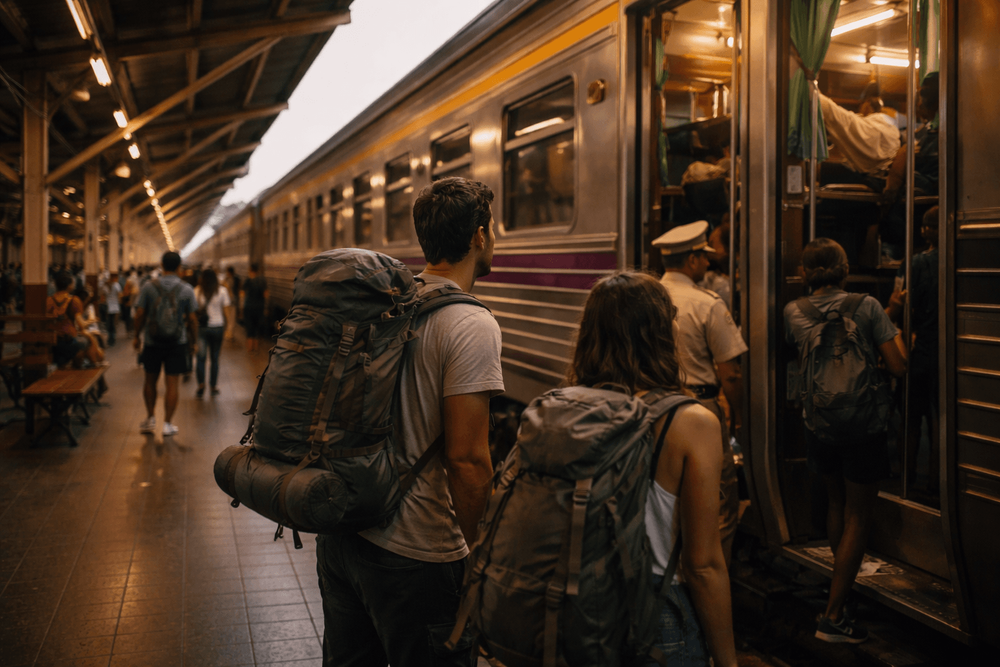
Just before midnight at Krung Thep Aphiwat Central Terminal, the fans hum, the platform coffee is jet-black and sweet, and the sleeper cars glow a soft blue. We shoulder our packs, slide into our bunks, and let Bangkok’s thump fade into track-clack. This is how bangkok overnight train day trips work: we skip the hotel, sleep on the move, hit a new city at sunrise, and make it back before tomorrow’s pad kra pao craving strikes.
What We Mean by “Bangkok Overnight Train Day Trips”
We’re not talking about the classic 9-to-5 day out to Ayutthaya. These are out-and-back hits built around a sleeper run or a dawn arrival that buys us a full day on the ground while saving on accommodation. Think: Bangkok → sleep on the train → explore all day → hop a late train back. It’s sanuk, thrifty, and weirdly restful once you accept that your pillow is on rails.
Yes, it’s ambitious. Yes, it’s worth it—especially during cooler months when roaming from temple to night market won’t melt us into the sidewalk.
Best Bangkok Overnight Train Day Trips: Where to Ride, What to Do
Below are our favorite targets where sleepers or first-light rails make sense. We flag the main sights, why each city suits a quick visit, and how to wring the most from a one-day roam.
Chiang Mai (Lanna lanes, khao soi, mountain air)
- Why it works: The overnight sleeper is a Bangkok rite of passage. Arrive mid-morning, spend 8–10 hours grazing Old City wats and markets, then slide back onto a night train. It’s a long swing, but it’s two comfy nights of sleep and one big day of Lanna culture for the price of one Bangkok hostel.
- Main hits: Wat Phra Singh Woramahawihan’s gilded curves, Wat Chedi Luang’s weathered brick, a bowl (or two) of khao soi, and a foot massage when our calves start plotting rebellion. If we’ve got the juice, a quick songthaew up to Doi Suthep for city views and cool breezes.
- Sample day: We roll into Chiang Mai Station, grab a 30–60 THB shared songthaew to the Old City, and chase espresso with a sesame waffle at a street cart near Tha Phae Gate. Mornings are for temples (cooler, quieter), midday is for market-grazing (Siri Wattana Market for northern sausage and nam prik), late afternoon is for riverfront lazing on Charoen Rat Road. Dinner? Khao soi with a side of crispy pork skin, then massage, then station. Back in our bunks by 7–8 PM departure, lulled by the rhythm we now call home.
- Train sense check: Second-class AC sleepers hit the sweet spot of price and comfort; first-class gives privacy; seats are a no from us on this route. For deeper route logistics, we lean on this detailed breakdown: Bangkok to Chiang Mai by Train: Night Sleeper vs Day Train, Tickets, and What to Expect.
Phitsanulok + Sukhothai (bikes among ancient chedis)
- Why it works: Overnight to Phitsanulok puts us a short bus hop from Sukhothai Historical Park, where red-brick stupas glow under lotus ponds. It’s tight but rewarding if we keep our feet moving and bike speeds brisk.
- Main hits: Sukhothai’s central zone—Wat Mahathat, Wat Sa Si, and that perfect Buddha reflection you’ll frame for friends back on Khao San. Lunch is som tam and grilled chicken just outside the park gates, eaten in the shade while the cicadas do percussion.
- Sample day: Dawn into Phitsanulok, quick bowl of boat noodles near the Nan River, minibus to New Sukhothai, tuk-tuk to the park, bikes rented in minutes. We spin the central zone before heat spikes, hydrate at every 7-Eleven blast of AC, and cede the far zones if time gets crunchy. Late afternoon we reverse the route, pick up snacks from Phitsanulok Night Bazaar, and board our ride south.
Nong Khai (Mekong views, giant concrete dreams)
- Why it works: Sleeper north, river sunrise, oddball art park, Isaan eats, sleeper back. Nong Khai is compact, friendly, and easy to love in a single day.
- Main hits: Sunrise walk along the Mekong promenade, Tha Sadet Market for coffee and Lao snacks, and Sala Keoku—Luang Pu Bunleua Sulilat’s concrete menagerie of deities and demons. It’s surreal, photogenic, and 100% worth the tuk-tuk.
- Sample day: We ride in, stash our bigger bags at the station, then hire a tuk-tuk for a simple loop: promenade → market breakfast → Sala Keoku → back for a late lunch of laab and sticky rice. Before boarding home, we grab a mekong fish curry to turn the carriage into our personal Isaan picnic.
Chumphon (beach day without the island slog)
- Why it works: The southbound sleeper drops us in Chumphon near dawn. Instead of chasing ferries, we spend a lazy day on Hat Thung Wua Laen—soft sand, cheap seafood, and breezes that smell like salt and grilled squid.
- Main hits: Morning swim and snorkel, lunch of moo hong or peppery crab, a nap under casuarinas, and a sunset espresso before the night train north. If we need a rinse, plenty of beachside places offer cheap showers.
- Sample day: Station coffee to life, sawadee to a songthaew, stash gear, and claim a square of sand. We graze through the day and keep it simple—no rushing for boats, no farang herds, just the hiss of frying garlic and the sea.
Hua Hin (old station charm, seafood pier, sandy stroll)
- Why it works: Not a true sleeper run, but dawn expresses get us in early for a full day and late trains run back. The vintage station is snap-happy, and the beach and night market make turnarounds painless.
- Main hits: The royal waiting room and red-trim timber at Hua Hin Station, beach walks, and a plate piled with clams at the pier. Add a temple peek at Wat Khao Takiab if we’re feeling spry.
- Sample day: Train in with the sunrise, iced Thai tea on the platform, seafood lunch, nap with our toes in the surf, then a pass through the night market for grilled prawns before we rattle back to Bangkok.
Ayutthaya (temples by pedal, rivers by longtail)
- Why it works: Short hop, huge payoff. Early commuter trains get us to crumbling prangs and head-in-tree-photo territory before the tour buses swarm.
- Main hits: Wat Mahathat Phra Aram Luang, Wat Ratchaburana, and the giant reclining Buddha at Wat Lokayasutharam. If we want river breeze, we hire a longtail for a loop of island temples.
- Sample day: We get bikes near the station ferry, spin a clockwise temple loop in the cool, recharge with boat noodles along U Thong Road, and be back on a mid-afternoon train before Bangkok’s evening soi traffic starts hissing again.
ไขปริศนๅ พระเครื่อง Kanchanaburi. (bridges, khlong breezes, waterfalls if we stretch)
- Why it works: The railway west starts at Thonburi Station and ambles over the River Kwai bridge. While this isn’t an overnight rail play, early trains plus a late return make it day-trip friendly. If we’re up for a heavy day, we can push to Nam Tok and back.
- Main hits: Bridge on the River Kwai, JEATH War Museum, riverside lunch, and a slow songthaew to Erawan-bound buses if waterfalls tempt us. Time is tight; choose bridge/museums or the falls—both is a stretch.
- Sample day: Morning train from Thonburi, coconut ice cream at the bridge end, museum browse, river beers, and an amble back to the station with the late sun turning the khlongs copper.
Practical Train Details: Stations, Classes, Booking, and Timing
- Departure stations: Most long-distance services leave from Krung Thep Aphiwat Central Terminal (Bang Sue). Some regional services still run from Hua Lamphong. Western line to Kanchanaburi departs Thonburi. Always confirm your station—Bangkok now has multiple railheads and we’ve seen more than one farang sprint the wrong way.
- Approximate travel times: Bangkok–Chiang Mai ~11–13 hours by sleeper; Bangkok–Phitsanulok ~6–7 hours; Bangkok–Nong Khai ~9–10 hours; Bangkok–Chumphon ~8–9 hours; Bangkok–Hua Hin ~3–4 hours; Bangkok–Ayutthaya ~1–1.5 hours; Bangkok–Kanchanaburi (Thonburi) ~2.5–3 hours. Timings vary by service class and day—verify on the current timetable.
- Ticket classes: For overnights, we like 2nd-class AC sleepers (upper berth cheaper; lower a touch wider). First-class gives private two-berth cabins. Seats are fine for short hauls (Ayutthaya, Hua Hin), but we avoid them for overnight.
- Booking tips: Buy in advance for weekends and holidays. We book at station counters, on the official SRT system, or via reputable agencies. E-tickets are increasingly accepted, but we keep a printed copy or a clear phone screenshot. Prices can vary slightly by service and berth.
- Does the overnight day-trip model make sense? It shines for Chiang Mai, Nong Khai, Chumphon, and Phitsanulok (Sukhothai). For Ayutthaya, Hua Hin, and Kanchanaburi, early trains are simpler than sleepers and still deliver a full, cheap day.
- Deep-dive on Chiang Mai sleepers: If you’re torn between day vs night runs, this explainer lays out classes, costs, and comfort: Bangkok to Chiang Mai by Overnight Train: Which Class, Route, and Booking Method Is Best?. Also compare options across night bus and red-eye flights here: Bangkok to Chiang Mai at Night: Sleeper Train vs Overnight Bus vs Red-Eye Flight.
Budget and Logistics: Costs, What to Pack, and Fast Turnarounds
- Ballpark costs (one-way, per person):
- 2nd-class AC sleeper: ~700–1,600 THB depending on route and berth. First-class cabin: ~1,800–2,800+ THB per berth. Regional seats: ~20–300 THB. Verify current fares—expect modest seasonal or service-based shifts.
- Local transfers: Songthaew/tuk-tuk around 20–150 THB within city centers; negotiate politely and with a smile.
- Activities: Temple entries in Ayutthaya and Sukhothai range from small single-site fees to affordable combos; national park fees for waterfalls (like Erawan) are higher—budget a few hundred baht as a safe range and confirm locally.
- What to pack for rail overnights:
- Light layer for AC sleepers, earplugs, eye mask.
- Flip-flops for midnight bathroom trips; wet wipes for face and feet.
- Power bank and a short cable—the top bunk outlets don’t always love gravity.
- Headlamp or phone torch for pre-dawn station shuffles.
- Small lock for your day pack; we clip ours to the bunk frame.
- Food and water: 7-Eleven is our staging ground—onigiri, pork floss buns, and big waters. Station vendors and onboard carts sling rice dishes and hot drinks. We carry a reusable bottle and top up when we can.
- Luggage and showers: Larger stations often have left-luggage and paid showers; smaller ones may not—ask station staff. We carry a tiny microfiber towel for a quick sink wash if needed.
- Safety and scams: Thailand’s rails feel safe. The usual Bangkok caveats apply—watch your bag, ignore too-good tuk-tuk tales, and confirm fares before hopping in. If someone insists the train is “full” and they alone can “fix it,” we smile, say “mai pen rai,” and walk away.
- Short turnaround tactics: Prioritize a tight walking loop; don’t cross town twice for one café. We pin a lunch stop near our mid-day area and a final snack within 10 minutes of the station. On a sleeper, we change into tomorrow’s clothes before arrival—less faff on the platform.
Seasons, Peak Times, and Who This Suits
- Best seasons: November–February is cool and dry up north (Chiang Mai, Phitsanulok). March–May gets hot—plan early starts and long lunch siestas. The south (Chumphon) is beach-friendly much of the year, but watch monsoon windows.
- Peak demand: Thai holidays, New Year, and Songkran send fares and sold-out signs soaring—book early. Friday nights fill fast.
- Who will love this: Backpackers who like motion, night owls who can sleep to the lull of rails, and anyone happy to trade a hostel bunk for sunrise in a new city. If you’re noise-sensitive or need long showers, this may test your patience.
Know Before You Go
- Stations change—Bangkok runs long-distance mainly from Krung Thep Aphiwat now. Double-check your departure station the day before.
- Bring small bills for snacks and tuk-tuks; drivers appreciate exact change.
- If you’re exploring temple complexes (Ayutthaya, Sukhothai), dress modestly—shoulders and knees covered—especially when entering active wats.
- Consider travel insurance that covers delays; rails in Thailand are improving but still, occasionally, charmingly late.
Quick Plan
- Day 0: Bangkok → Chiang Mai (approx 690 km; rail time ~11–13h). Sleep aboard. Overnight base: your bunk.
- Day 1: Chiang Mai Old City loop → Doi Suthep (optional) → return sleeper to Bangkok.
- Alternative A: Bangkok → Phitsanulok (377 km; ~6–7h) → Sukhothai day loop → return night train.
- Alternative B: Bangkok → Nong Khai (621 km; ~9–10h) → riverside + Sala Keoku → return night train.
- Alternative C: Bangkok → Chumphon (463 km; ~8–9h) → beach day → return night train.
- Dawn-rail swaps: Hua Hin, Ayutthaya, Kanchanaburi as first-light in/out runs with late return.
ASCII route sketch: Bangkok → Chiang Mai → Bangkok Bangkok → Phitsanulok/Sukhothai → Bangkok Bangkok → Nong Khai → Bangkok Bangkok → Chumphon → Bangkok Bangkok → Ayutthaya/Hua Hin/Kanchanaburi → Bangkok
Costs at a Glance (THB)
- Fuel per liter: N/A (rail-based plan)
- Estimated rail fares (one-way, per person):
- Bangkok ⇄ Chiang Mai: 2nd AC sleeper ~700–1,600; 1st ~1,800–2,800+ (confirm current).
- Bangkok ⇄ Phitsanulok: seat ~200–400; 2nd AC sleeper ~600–1,000.
- Bangkok ⇄ Nong Khai: 2nd AC sleeper ~700–1,500.
- Bangkok ⇄ Chumphon: 2nd AC sleeper ~600–1,200.
- Bangkok ⇄ Hua Hin: seat ~100–300.
- Bangkok ⇄ Ayutthaya: seat ~20–80.
- Bangkok ⇄ Kanchanaburi (from Thonburi): seat ~100–150.
- Tolls per segment: N/A (rail)
- National park / attraction fees (per person):
- Erawan National Park: expect a few hundred THB for foreigners; confirm locally.
- Ayutthaya/Sukhothai temples: modest per-site fees or a budget-friendly combo; confirm locally.
- Left-luggage and showers at stations: typically low tens to low hundreds of THB; availability varies by station—ask on arrival.
- Parking per night: N/A (rail)
- Last checked: Sep 2026
Booking Pathways
- Car rental (if you pivot to self-drive day trips): Compare rental deals at https://www.rentalcars.com/
- Hotels (if you decide to linger after your rail day): Check Bangkok-wide budget stays at https://www.agoda.com/
- Attraction tickets and local experiences: Browse skip-the-line passes and day tours at https://www.klook.com/en-TH/
Verification
- Timetables, stations, and fare ranges cross-checked with the State Railway of Thailand’s official schedule and a major regional agency’s current price grid; both reviewed Sep 2026. For exact departure times and current prices, confirm on the official SRT system or at station counters.
- Attraction fees (Ayutthaya, Sukhothai, national parks) fluctuate by regulation and season. We’ve given safe ranges; confirm locally at ticket booths or the latest notices from relevant authorities.
- Travel durations reflect typical runs; delays do occur. Build in buffer time between city loops and your return train.
If we’ve only got one shot at this, we’d ride north to Chiang Mai for khao soi at lunch and stars out the window by bedtime. The rhythm of rails is the Thai lullaby we never get tired of.
EVAL_DATA
- quick_plan_included: true
- costs_block_included: true
- booking_pathways_included: true
- verification_section_included: true
- internal_links_count: 3
- external_links_count: 3
- hotels_from_inventory_used: false
- google_map_embeds_used: false
Related Hotels & Places
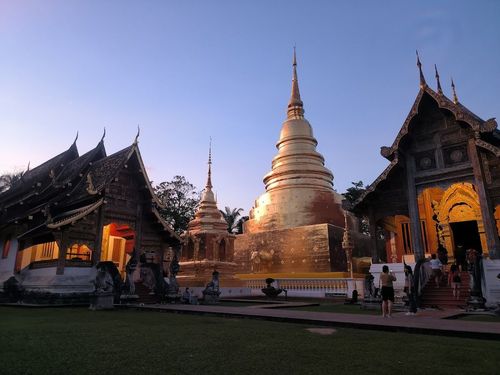
Wat Phra Singh Woramahawihan
Temples
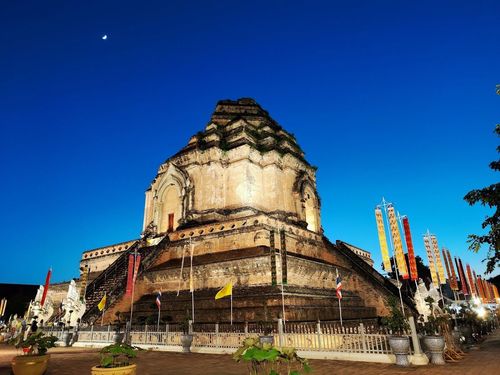
Wat Chedi Luang
Temples
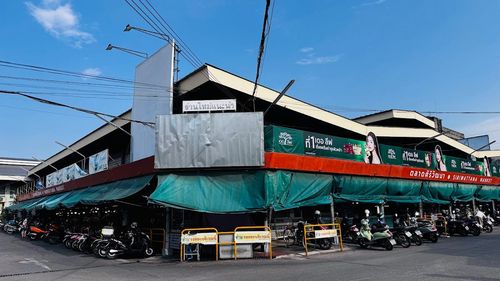
Siri Wattana Market
Markets
Clean, covered local market in Chang Phueak for fresh produce and excellent prepared Northern Thai bites—curries over rice, sai ua, iced coffee. Open daily 6am–8pm; best 5–7pm. Upstairs second‑hand books. Plates 30–60 THB, coffees 20–40 THB.
Sukhothai Historical Park
Attractions
Sunrise by bicycle through 13th‑century ruins. Hit Wat Mahathat, island‑set Wat Sa Si, and the giant Buddha at Wat Si Chum. Gates 6:30am–7:30pm; bikes rent 30–50 THB (+small park fee). Go early or at golden hour; weekends draw Thai families and photographers.
Wat Mahathat
Temples
Wat Mahathat Phra Aram Luang
Temples
Wat Ratchaburana
Attractions
ไขปริศนๅ พระเครื่อง Kanchanaburi.
Attractions
More Khao San Road Guides
- Backpacker Packing List for Thailand’s Night Buses and Sleeper Trains
- Bangkok to Chiang Mai by Train: Night Sleeper vs Day Train, Tickets, and What to Expect
- Best Day Trips from Bangkok for Backpackers Who Want Cheap Trains, Local Buses, and Easy Overnights
- Best Overnight Day-Trip Bases from Bangkok for Backpackers: Stay, Explore, and Move On