Wat Pho from Khao San Road: Reclining Buddha, Massage School, and the Best Time to Visit
From Khao San to Reclining Buddha with zero faff: hours, tickets, dress code, massage school prices, best time to visit, and how to get to Wat Pho.
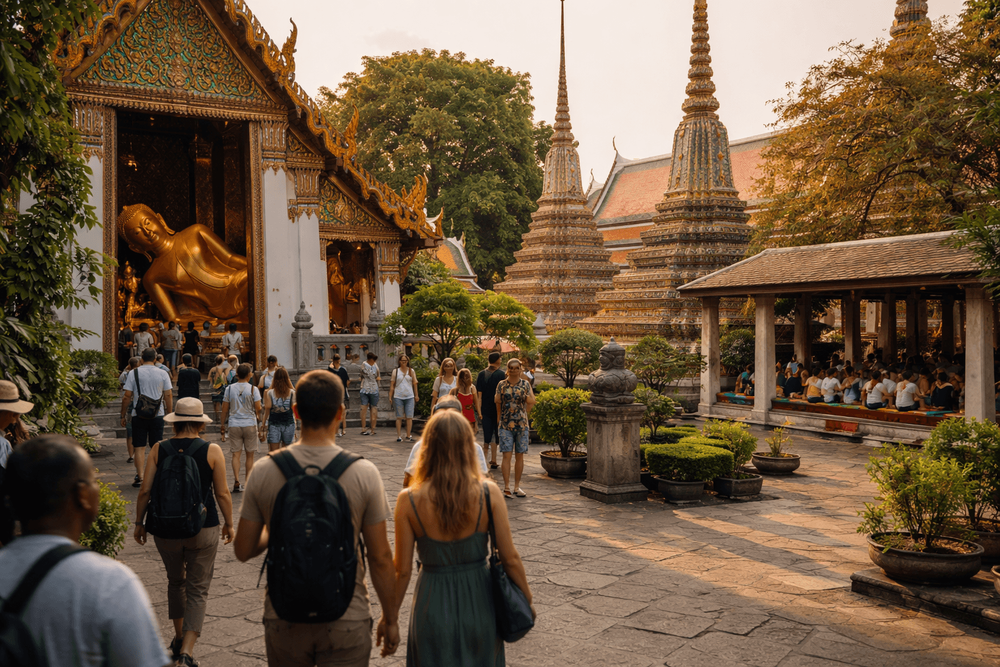
We step off the Chao Phraya Express at Tha Tien and the river smells like salt, diesel, grilled squid, and a hint of dried shrimp from the market. Bells from a nearby ubosot ping in the heat. Two minutes later we’re barefoot on cool marble, eyes adjusting to the gold glow of a 46‑meter giant reclining on one elbow. If you want a Wat Phra Chetuphon Wimon Mangkhalaram Rajwaramahawihan guide that gets you from Khao San Road to the Reclining Buddha without the faff, and tells you where to snag a post-temple massage the locals actually rate—stick with us.
Data Freshness + Pricing:
- Prices are approximate and in THB.
- Last checked: July 2026
- Happy hour and promo details change frequently—confirm locally.
Why Wat Pho Still Stops Us in Our Tracks
Wat Pho Guide from Khao San Roadanchors Bangkok’s old town like a wise grandparent. Before the malls and skytrains, this was a center of learning. The temple traces its bones to an Ayutthaya-era monastery, then King Rama I rebuilt it when Bangkok became the capital in the late 1700s. King Rama III expanded it again, filling cloisters with Buddha images and carving medical knowledge into stone tablets. Those inscriptions on Thai traditional medicine and massage are why this place is often called the birthplace of Thai massage.
Then there’s the star: Phra Buddha Saiyas, the Reclining Buddha. At 46 meters long and 15 meters high, he barely fits in his viharn (assembly hall). The mother-of-pearl feet are the showstopper—108 auspicious symbols swirling in delicate inlay. When we shuffle along the side, the cushion pattern near the head looks so plush you want to nap on it (don’t). Along the far wall you’ll hear a soft rain of coins into brass bowls—a steady, soothing clink that’s Bangkok ASMR.
Wat Pho is sanuk—fun—in the subtle way: chasing shade through tiled courtyards, spotting quirky Chinese guardian statues, and trading the city’s chaos for the hum of chanting monks. It’s one of those must-see cultural landmarks not because it’s on a list, but because it shows you what Bangkok values: devotion, craft, and a good stretch when your back’s gone to war with your backpack.
Wat Pho Bangkok Guide: Hours, Tickets, Dress Code, and How to Go
Opening Hours
- Temple grounds: daily approx. 08:00–18:30 (last entry often around 17:30–18:00)
- Reclining Buddha hall: typically closes a little earlier than the grounds; aim to be inside by 17:30
- Massage school: daily approx. 08:00–18:00 (last signup around 17:00)
Admission Fees
- Adults: approx. 200 THB (often includes a small bottle of water)
- Children: policies vary; school-age kids are sometimes discounted or free with an adult—confirm at the gate
Bring cash; cards aren’t always accepted at the ticket booth.
For broader strategy on tickets and queues around Bangkok’s top temples, see Temple Pass Tips for Bangkok: Tickets, Dress Rules, and Queue Strategy for Wat Pho, the Grand Palace, and Golden Mount (/articles/bangkok-temple-pass-tips).
Dress Code and Etiquette
Wat Pho is an active temple. Shoulders and knees covered; no low-cut tops, see-through fabrics, or super-short shorts. Shoes off before entering temple halls. Keep voices low, don’t point your feet at Buddha images, and never climb on statues. If you want a deeper cultural primer, our Bangkok Temple Etiquette Guide for Visiting Wat Pho, the Grand Palace, and Golden Mount from Khao San Road (/articles/bangkok-temple-etiquette-guide-khao-san-road) has the nuance.
Pro tip: carry a light scarf or sarong; temple loaners are a last resort and can be in short supply midday.
Location
Grand Palace/Wat Phra Kaew, a few minutes’ walk from the river at Tha Tien. It’s old-town Rattanakosin, sandwiched between Sanam Chai Road and the khlong (canal) that slinks behind Tha Tien Market.
Getting There from Khao San Road
- On foot: 20–25 minutes if we don’t melt. Cut across Sanam Luang, hug the Grand Palace wall, then follow signs to Tha Tien/Wat Pho. Early morning is breezier.
- River boat: From Phra Athit Pier (N13), hop the orange-flag Chao Phraya Express to Tha Tien (N8). Fare approx. 16–20 THB. Walk 3–5 minutes to the temple gate.
- Tuk-tuk: Quick and fun, but haggle first. Expect approx. 80–150 THB depending on traffic and your smile. If a driver suggests “Grand Palace closed, special gem shop open”—it’s a classic scam. Wave them on.
- Meter taxi or ride-hail: Approx. 60–120 THB from Khao San area in light traffic. Ask for “Wat Pho, Tha Tien” and insist on the meter.
Getting There from Central Bangkok
- BTS + Boat: Skytrain to Saphan Taksin (S6), then board the orange-flag Chao Phraya Express to Tha Tien (N8). Fast, scenic, and AC until the river.
- MRT Blue Line: Ride to Sanam Chai Station; Exit 1. It’s a 5–7 minute walk under shady trees to the temple. This is the most foolproof route from, say, Sukhumvit or Chinatown.
What to See and Do at Wat Pho
The Reclining Buddha (Phra Buddha Saiyas)
Shoes off, shoulders covered, camera ready—then look up. The Reclining Buddha gleams in hammered gold leaf, a river of curves from serene face to impossibly long toes. We always slow-roll along the right side to study the murals and peek at the head cushion pattern, then double back to the feet to ogle the mother-of-pearl inlay.
- Donation bowls: Near the back, swap approx. 20 THB for a cup of tiny coins, then drop one coin in each of 108 bowls. The soft cascade is oddly meditative and supports temple upkeep.
- Photography: Allowed, but keep flash off and don’t block worshippers. Tripods and giant rigs are a no.
Cloisters and Murals: Bangkok’s Open-Air Textbook
Outside the Reclining Buddha hall, drift into the cloisters (phra rabiang). You’ll find hundreds of gilded Buddha images—mostly from the Sukhothai and Ayutthaya periods—lined up like a glimmering guard of honor. Along the walls, murals depict cosmology, the Ramakien (Thailand’s version of the Ramayana), and everyday life in old Siam. Look for tiny details: hair styles, market scenes, the way boats slide down a khlong. It’s a crash course in Thai art if you let your eyes linger.
The Four Royal Chedis (Phra Maha Chedi Si Rajakarn)
These four grand stupas—each sheathed in floral glazed tiles—anchor the center of the complex and honor early Chakri kings. Greens, whites, yellows, and blues blaze in the sun like giant porcelain bouquets. We love the mosaic work along the bases: flowers, petals, and tiny guardians that look like they’re mid-gossip.
Courtyards, Giants, and the Stretching Hermits
Between the viharns, the courtyards are dotted with Chinese stone guardians shipped here as ballast in old trading days—stern faces, bushy eyebrows, often wearing scholar robes. Tucked near the massage pavilions you’ll find the famed hermit statues (ruesi dat ton) demonstrating traditional self-stretching postures. Copy a pose if your lower back’s whining; nobody’s judging.
The Ordination Hall (Ubosot)
Quieter than the Reclining Buddha hall and hugely atmospheric. Inside, the principal Buddha image—Phra Buddha Theva Patimakorn—sits on an elaborate base, said to contain King Rama I’s ashes. If monks are chanting, pause and let the rhythm wash through you; it’s the temple’s heartbeat.
Wat Pho Thai Massage School: Where to Get the Good Knead
This is where we go when our calves are cooked from clambering up the Golden Mount. You’ll see two areas: an open pavilion within the temple grounds and the formal school/clinic buildings nearby. Both are staffed by trained therapists.
- Thai massage: approx. 30 minutes 320–400 THB; 60 minutes 600–800 THB
- Foot massage: approx. 30 minutes 420–500 THB; 60 minutes 800–1,000 THB
Expect a short wait in the afternoon. Put your name down, sip water in the shade, and watch the parade of relieved faces float out. Tips are appreciated but not demanded—20–50 THB is common for shorter sessions.
Tips for Planning Your Visit
Best Time to Go
- Early morning (08:00–10:00): Soft light on the chedis, thinner crowds, less heat. Our favorite.
- Late afternoon (after 16:30): Tour groups thin, the gold picks up a honeyed glow. If you’re aiming for sunset photos, time it so you’re exiting around close.
Midday is swelter city. Hydrate, seek shade, and surrender to slow.
Crowd Levels and Flow
Tour buses tend to land 09:30–11:30 and again 14:00–16:00. If the Reclining Buddha hall looks jammed, detour to the cloisters and chedis first, then circle back once the line relaxes.
Photography Etiquette
- No flash in inner halls. It’s distracting and can degrade murals over time.
- Don’t plant yourself in front of worshippers for the perfect selfie. Two steps to the side, wai (palms together) if you’re passing in front, and you’ll earn smiles.
- Drones are a hard no.
How Long to Spend
Give it 1.5–2 hours to do Wat Pho justice: 30–40 minutes for the Reclining Buddha hall, 30 minutes for cloisters and chedis, 20 minutes in the ubosot, and a 30–60 minute massage if you’re clever with timing. the Grand Palace and Wat Arun, pencil in a half day minimum.
What to Wear and Bring
- Light, breathable clothes that cover shoulders/knees.
- Grippy socks for slipperier floors if you’re squeamish about going barefoot.
- A small tote for your shoes—beats juggling them against your chest while you photograph mother-of-pearl.
- Water (buy outside for approx. 10–20 THB, cheaper than inside).
Scams and Safety
The classic line: “Grand Palace closed—special ceremony today!” It’s almost never true. Official entrances are open daily. Skip anyone pushing gem shops or discount tailors. Inside Wat Pho, it’s mellow; watch your bag like you would anywhere crowded and you’ll be fine.
For more context on respectful behavior and dressing, circle back to Bangkok Temple Etiquette Guide for Visiting Wat Pho, the Grand Palace, and Golden Mount from Khao San Road (/articles/bangkok-temple-etiquette-guide-khao-san-road).
Pairing Wat Pho with Nearby Sights and Food
Easy Same-Day Combos
- Grand Palace & Wat Phra Kaew: Five minutes’ walk north. Dress rules are stricter here and tickets pricier (approx. 500+ THB). Go first thing, then Wat Pho, then massage. If you’re weighing highlights across the Big Three (Grand Palace, Wat Pho, Golden Mount), see What to See at Bangkok’s Big Three Temples: Must-Not-Miss Highlights at Wat Pho, the Grand Palace, and Golden Mount (/articles/bangkok-temple-highlights-wat-pho-grand-palace-golden-mount).
- Wat Arun: Hop the cross-river ferry from Tha Tien. Fare approx. 5–10 THB. Climb the central prang for skyline views and get that yin‑yang moment: sunlit Wat Arun, gilded Wat Pho.
- Museum of Siam: A short walk from Sanam Chai MRT. Air-con storytelling about Thai identity, playful exhibits, and the kind of captions you’ll actually read. Tickets approx. 100–200 THB.
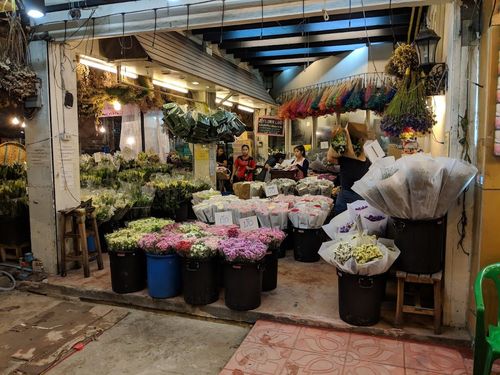
- Flower Market (Pak Khlong Talat): Night-owl nectar. Piles of jasmine garlands, orchids by the kilo, and a caffeine kick at odd hours. Taxi or tuk-tuk 10 minutes from Wat Pho.
Where We Eat After
- Tha Tien Market: Simple noodles, fish-ball soups, stir-fried basil (pad kra pao). Expect approx. 60–120 THB per dish. The grilled squid skewers by the pier are a salty little dream.
- Maha Chai Road run: Giant Swing area lines hit 45+ minutes in peak hours, and prices run higher (approx. 120–400+ THB depending on the stall). Come early.
- Phra Athit and Soi Rambuttri: Back near Khao San, cool down with a lime soda, mango sticky rice, or a tall Chang in a breezy bar. Expect drink specials around 70–120 THB at happy hour. For a riverside ramble of cafes and bars, we’ve mapped the vibes in Phra Athit Road Bangkok: Riverside Guide to Cafes, Bars & Attractions (/articles/phra-athit-road-bangkok).
Where to Base Yourself
If temple-hopping is your mission, staying near the river or Khao San makes mornings easy. We usually crash around Phra Athit or Soi Rambuttri when we want to walk to the boats and be at Wat Pho right after opening. On sultry afternoons, a pool becomes a temple in its own right—prioritize that if your budget allows. No specific place we’ll shill here, but look for stays within a short stroll of Phra Athit Pier or Tha Maharaj if you love the river.
A Sample Half-Day Game Plan We Actually Use
- 07:30: Coffee on Phra Athit, light breakfast (banana roti or pork congee, approx. 40–70 THB).
- 08:00: Boat from Phra Athit Pier to Tha Tien (approx. 16–20 THB). Glide past Wat Arun catching early sun.
- 08:20–09:15: Reclining Buddha hall while it’s still calm—coins in the bowls and a slow walk under the gold.
- 09:15–10:00: Cloisters and the four chedis; sip water in the shade, chase tile details.
- 10:00–11:00: Thai or foot massage at the Wat Pho school (approx. 320–1,000 THB depending on duration).
- 11:10: Cross-river ferry to Wat Arun for those prang pics, or detour to Museum of Siam for AC.
- Lunch: Back to Tha Tien for noodles and something cold.
If you’ve got more gas in the tank, loop to the Grand Palace, or hop a tuk‑tuk to the Golden Mount for sunset steps and city haze views.
Know Before You Go: Quick Answers
- Is Wat Pho cash-only? Mostly, yes—bring small bills.
- Can I wear sandals? Yes, but you’ll remove them inside halls. Covered shoulders/knees still apply.
- Is massage kid-friendly? Teens, sure. Little ones can get fidgety; foot massage may be easier.
- Are guided tours necessary? Not mandatory. If you want deeper storytelling, local guides at the gate offer short tours, or you can self-guide with your phone and a keen eye.
One Last Nudge
If we could bottle a perfect Wat Pho moment, it’s this: be there at 08:00, walk straight to the Reclining Buddha, let the coin-clink soundtrack reset your pace, then trade your shoes for a one-hour foot massage and float back to the river. Sunset across to Wat Arun, a cold beer on Phra Athit, and we’ll call that a day very well spent.
Related Hotels & Places
Wat Phra Chetuphon Wimon Mangkhalaram Rajwaramahawihan
Temples
Khao San Road
Attractions
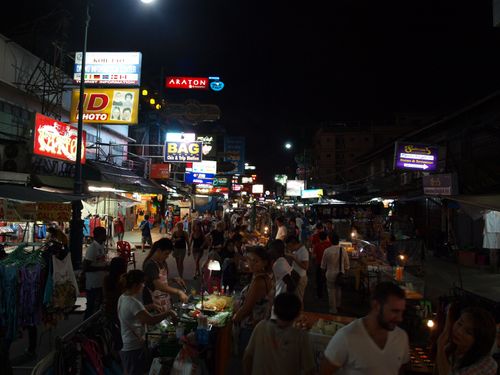
Bangkok’s backpacker carnival: curbside bars, live bands and DJs from 3pm–2am (midnight Sun). Street eats are cheap — pad thai 70–100 THB, mango sticky rice 60–100 THB. Come for wild people-watching; duck into Rambuttri for a calmer beer.
Wat Phra Kaew
Temples
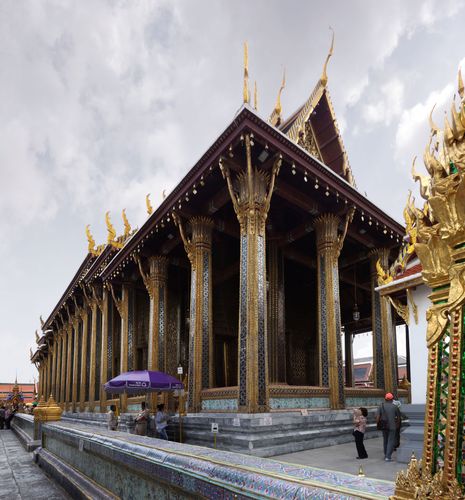
Bangkok’s holiest temple inside the Grand Palace. Go early (8:30am–3:30pm). Buy the 500 THB ticket at Na Phra Lan Rd gate. Dress code enforced. Marvel at Ramakien murals and the tiny Emerald Buddha whose robes change with the seasons. 10–15 minutes’ walk from Khao San.
Sanam Luang
Attractions
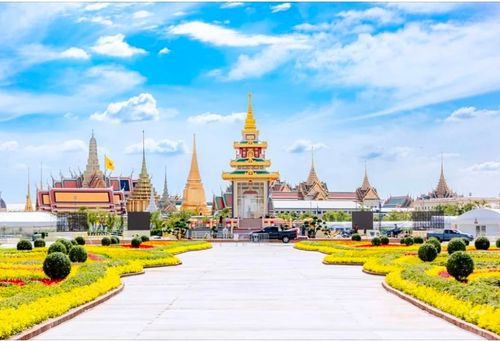
Bangkok’s royal lawn facing the Grand Palace. Free to wander, ringed by tamarind trees, popular for kite flying (Feb–Apr) and lazy green‑space hangs. A 10‑minute walk from Khao San; come early for soft light and street snacks along Na Phra That Rd.
Wat Arun Ratchawararam Ratchawaramahawihan
Temples
Museum Siam
Attractions
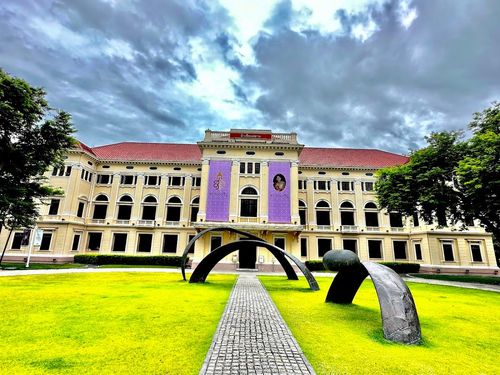
Playful “Decoding Thainess” exhibits inside a stately yellow mansion by Wat Pho. Bilingual, hands‑on, and air‑con cool, with MRT Sanam Chai right at the door. Open Tue–Sun 10am–6pm; closed Monday.
Pak Khlong Talat (Flower Market)
Markets
Bangkok’s 24‑hour flower market by Memorial Bridge. Best after midnight when trucks unload orchids, marigolds, roses and fragrant jasmine garlands. Photogenic, lively, and easy to reach from Khao San for a late‑night wander.
Recommended Products
More Khao San Road Guides
- Wat Pho Visitor Guide: Reclining Buddha, Massage School, and Temple Tips from Khao San Road
- Wat Pho Guide from Khao San Road: Reclining Buddha, Massage School, and Best Time to Visit
- Wat Pho from Khao San Road: Reclining Buddha, Massage School, and River-Edge Visit Tips
- Wat Pho from Khao San Road: Reclining Buddha Visit Guide, Tickets, Dress Code, and Best Time to Go