What to Pack for Thailand for Cash-Heavy Backpacking: Wallet Security, Small Bills, and Payment Basics
Our Thailand cash packing list covers how much baht to bring, where cash is essential, smart exchange tips, and how to carry money safely on the road.
We’re shoulder-to-shoulder on Rambuttri, wok smoke in our eyes and a plastic stool free if we move fast. The pad thai guy wants exact change; the mango sticky rice auntie is counting coins with one hand and fanning the charcoal with the other. This is why we built a Thailand cash packing list before wheels down—because those perfect street moments run on small bills, not fancy cards.
Data Freshness + Pricing:
- Prices are approximate and in THB.
- Last checked: June 2026.
- Happy hour and promo details change frequently—confirm locally.
Know Before You Go: Money Basics in Thailand
Thailand’s currency is the Thai baht (THB). You’ll use cash far more than you think, especially around Banglamphu (Khao San Road), Chinatown Bangkok (Yaowarat), and neighborhood markets from Wang Lang to Chatuchak Haus. Cards are common at malls and midrange hotels, but street food, taxis, and mom-and-pop shops still lean hard on cash.
- Typical street food dish: approx 40–80 THB
- Bottled water from 7-Eleven: approx 10–15 THB
- Local bus fare in Bangkok: approx 8–20 THB
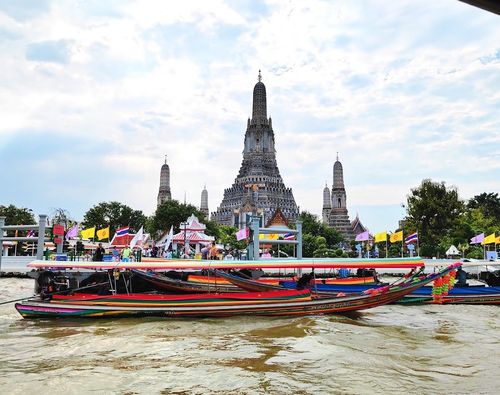
- Chao Phraya Tourist Boat ICONSIAM Pier boat: approx 16–32 THB (orange flag)
- Foreign card ATM fee: approx 220–250 THB per withdrawal
Pro tip: When an ATM or card terminal offers to charge you in your home currency, decline it. Pay in THB to avoid expensive dynamic currency conversion.
How Much Cash Should We Bring?
Let’s map out realistic cash-on-hand for different travel styles. We’re not saying carry your entire trip’s money; we’re talking about the starter wad to land smoothly, plus daily targets.
If you’re a budget backpacker (street food, buses, fan rooms)
- Daily cash spend in Bangkok: approx 800–1,400 THB (food, transport, small attractions, a beer or two)
- On hand at arrival: 2,000–3,000 THB to cover the first 24–48 hours
- After that: Withdraw or exchange in the city as needed
If you’re midrange (A/C rooms, BTS/MRT, sit-down meals)
- Daily cash spend in Bangkok: approx 1,500–2,800 THB
- On hand at arrival: 3,000–5,000 THB
- Pay bigger things (hotels, tours) by card when possible, but keep cash for day-to-day buys
If you’re flashpacking or on a short trip (taxis, rooftop drinks, nicer dinners)
- Daily cash spend: approx 2,800–5,000 THB
- On hand at arrival: 5,000–7,000 THB
- You’ll still want small bills for tips, tuk-tuks, and street snacks between nicer meals
Rural or island-heavy trips
Outside Bangkok, Chiang Mai’s old city, or the islands’ main drags, ATMs and card acceptance thin out. If we’re heading to Koh Phayam, Pai’s outskirts, or Isaan villages, we front-load more cash: aim to arrive with 5,000–10,000 THB and top up in larger towns.
Rule of thumb: Carry cash for two full days of expenses and keep the rest accessible via ATM or exchange. That way we’re covered if a bank machine is down, but we’re not walking ATMs ourselves.
Where You’ll Still Need Cash in Thailand
Street food, night markets, and local stalls
From Victory Monument’s boat noodles to Talat Rot Fai Srinakarin’s vintage sprawl, cash is king. Expect bowls at approx 40–70 THB and skewers at 10–25 THB each. Vendors move fast; flashing a 1,000-THB note stalls the line and earns a side-eye.
Taxis, tuk-tuks, and motosai
- Taxis: Meters run on cash; many drivers won’t take cards. Short hops around Rattanakosin Exhibition Hall run approx 60–120 THB. Always ask for the meter.
- Tuk-tuks: Bargain first, pay cash. Short rides around Khao San are often quoted high—sanuk to haggle, but know when to walk.
- Motorcycle taxis (motosai): Cash only, approx 20–80 THB depending on distance. Look for the orange vests near BTS stations.
Boats and buses
- Chao Phraya Express: Cash paid onboard to the conductor, small notes only.
- Canal boats (khlong boats): Cash with the ticket guy doing acrobatics on the gunwales—have coins ready.
- City buses: Cash to the conductor; exact change is polite but not required.
Temples and small attractions
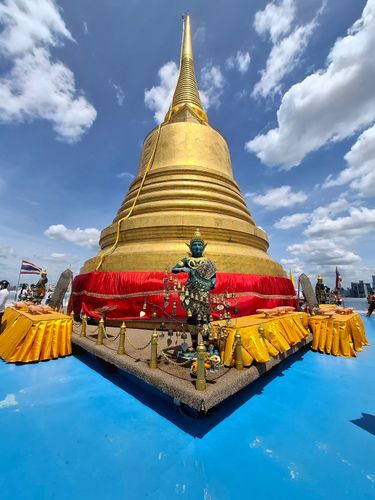
Donation boxes, incense, candles, and sarong rentals all prefer small bills. Wat Saket Ratchawora Mahawihan (the Golden Mount) and Wat Arun Ratchawararam Ratchawaramahawihan have formal ticket counters where you can use small notes; keep a stash of 20s and 50s for offerings.
Rural areas and islands
Family-run bungalows, homestays, and roadside shops often run cash only. Power cuts happen, card terminals fail, and ATMs can be an oxcart ride away.
Nightlife and live music
Khao San’s buckets, reggae bars on Phra Athit Road, and many live-music pubs are cash-first. Some craft beer spots and rooftop bars take cards, sometimes with a 2–3% surcharge.
Everyday little things
- Public toilets: approx 3–5 THB—keep coins
- Laundry machines: approx 30–40 THB coins
- Bike rentals, water refills, photocopies: usually cash
Denominations, Exchange Tips, and Where to Get Baht
Know your notes
- 20 THB (green): Your street-food MVP
- 50 THB (blue): Short rides, snacks, temple bits
- 100 THB (red): Handy for meals and tickets
- 500 THB (purple): Break at 7-Eleven or malls
- 1,000 THB (brown): Withdrawals and big purchases
Coins: 1, 2, 5, 10 THB—great for buses, canal boats, and toilets. A tiny coin pouch saves you daily fumbling.
Where to exchange
- In Thailand: City-based money changers typically beat airport counters. Around Siam, Pratunam, and Ratchaprasong you’ll find competitive specialists. Bring your passport.
- At the airport: You’ll see plenty of counters. Rates are usually worse at arrivals halls; landside exchanges near the Airport Rail Link level often post better rates. Exchange just enough for your first day if you must, then do the rest in town.
- At home: Banks and kiosks back home often bake in poor rates and fees. We usually wait and exchange in Bangkok unless a visa or tour requires currency in advance.
ATM vs exchange
- ATMs are convenient but tack on approx 220–250 THB per foreign withdrawal. If your bank reimburses fees and offers a fair FX rate, one larger withdrawal can be cheaper than multiple small ones.
- Exchange booths can beat ATM math if you bring major, crisp notes (USD/EUR/GBP/AUD). Avoid ripped or marked bills—Thailand’s changers are picky.
Get small bills without grief
- Buy a bottle of water at 7-Eleven and ask to break a 500 or 1,000.
- Swap for smalls at a bank branch when it’s quiet.
- At markets, start with 100s; vendors dislike killing their small-change float.
Skip travelers’ cheques
They’re relics now—hard to cash and lousy rates. Bring cards and cash instead.
Carrying and Splitting Cash Safely (Plus Backups)
Bangkok is busy, not lawless. Most of us lose money to our own disorganization, not ninjas. Build a split-stash system and you’ll be fine on Khao San at 2 AM and on a night train to Chiang Mai.
Our three-layer system
- Day wallet: 600–1,000 THB in small notes, one card you can cancel, and a photocopy of your passport. This lives in a front pocket or crossbody with a zipper.
- Backup stash: 2,000–3,000 THB plus a second debit card, hidden—money belt under clothing, a neck pouch, or a zipped pocket inside your daypack. Access it in private only.
- Deep backup: Emergency USD 100 and a third card (credit) stored separately in your main pack or a hotel safe.
Decoy and minimalism
Heading into a packed night market or a Khao San bar crawl? Carry a decoy wallet with a few 20s and an expired card. Leave the real stuff in the room safe or a locked bag with a cable lock.
Using ATMs smartly
- Withdraw at machines attached to bank branches or inside malls for better lighting and cameras.
- Avoid cash grabs post-party. If the bass is thumping, we’re not withdrawing.
- Cover your PIN. Keep the receipt until you see the charge settle.
Cards and surcharges
Visa and Mastercard are widely accepted at malls, chain cafes, supermarkets, and midrange hotels. Some small businesses add an approx 2–3% card fee—ask first. Keep one low-fee debit card for withdrawals and a credit card with no foreign transaction fees for big purchases.
Mobile payments and QR
PromptPay QR codes are everywhere, but they’re tied to Thai bank accounts. Tourists without a Thai account will mostly pay cash. Some ASEAN e-wallets work cross-border, and certain ride-hailing apps let you store a foreign card for in-app payment, but don’t bank on cashless at markets or in rural towns.
For organizing backups, we like checklists that go beyond clothes. If you’re building a system for cards, IDs, and emergency stashes, see our guide: What to Pack for Thailand for Carrying Cash, Cards, and Travel Documents: Organization and Backup Essentials.
Your Thailand Cash Packing List
Here’s what we actually pack to stay nimble, organized, and low-drama with money.
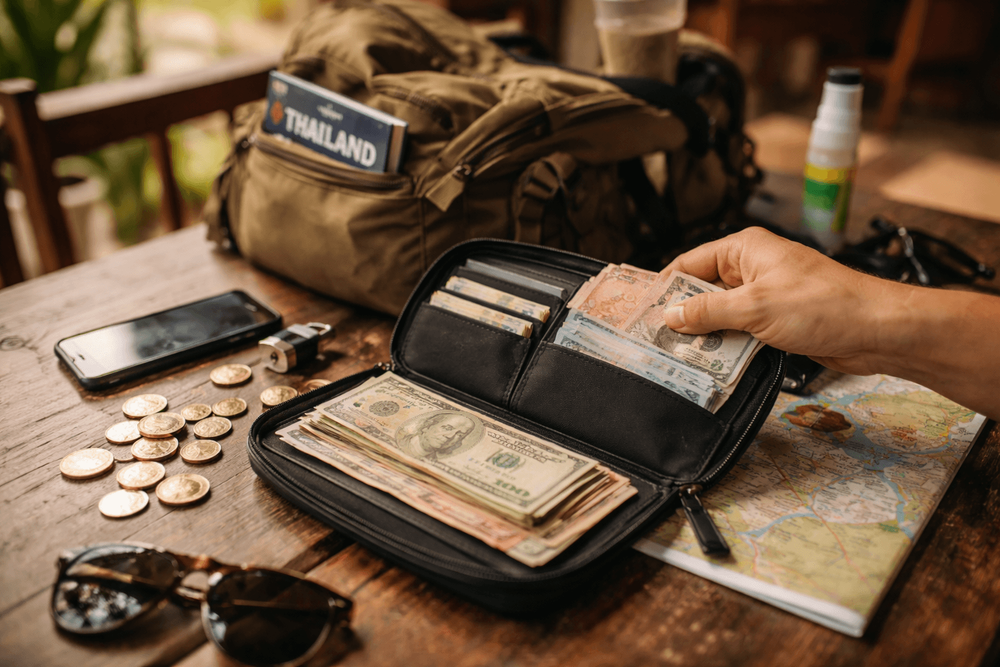
- Slim, zippered wallet: Holds day cash, one card, and a copy of your passport photo page. A lanyard or wrist strap helps on crowded ferries.
- Coin pouch: For 1–10 THB coins; speeds up buses and khlong boats. Approx 30–80 THB from street markets.
- Money belt or neck pouch: For backups only, not your day spend. Keep it flat; access in private.
- Hidden pocket or belt with secret sleeve: Stitches into shorts or clips inside a waistband—great for a spare 1,000 THB or an emergency card.
- Small waterproof pouch or ziplock: Bangkok storms and Songkran will soak you. A simple zip bag keeps cash and a phone dry. Approx 20–40 THB at 7-Eleven.
- Packing cubes and a tiny lockable pouch: One cube for clothing, one lockable pouch for docs/cards. Separation is sanity.
- RFID sleeves (optional): Useful for peace of mind with contactless cards, even if skimming risk is low.
- Pen and mini notebook (or notes app): Jot daily spend so cash doesn’t evaporate. Helps with budgeting and splitting bills with travel buddies.
- Spare passport photos and passport copy: Some exchanges and SIM counters ask; a crisp copy speeds things up.
- Cable lock: Loop your daypack to a bed frame on overnight trains or around guesthouse common areas.
- Dry bag (2–5L) for boat days: Toss your wallet and phone in before hopping a longtail at Railay Beach Cafe.
If you’re trying to keep weight and spend down, we’ve road-tested tweaks in our Thailand Packing List for Budget Backpackers: Low-Cost Gear, Laundry Strategy, and Smart Replacements. Solo and want extra safety redundancy? Check the Thailand Packing List for Solo Backpackers: Safety, Convenience, and Easy-to-Carry Essentials.
Sample Cash Load-Outs (Real Days, Real Baht)
Bangkok market crawl (Chatuchak + canal boat)
- 20s/50s: 600 THB (snacks, iced Thai tea, trinkets)
- 100s: 400 THB (lunch, souvenirs)
- Coins: 20–30 THB (toilets, boat)
- One card for backup
- Total cash carried: approx 1,000–1,200 THB Why: Vendors move fast; exact change gets smiles and speed.
Old Town temple hop (Wat Pho, Wat Arun, Golden Mount)
- 100s/50s: 800–1,200 THB (tickets, water, donations)
- 20s: 200 THB (offerings, small purchases)
- Coins: 10–20 THB
- Taxi/Grab buffer: 300–400 THB
- Total cash carried: approx 1,300–1,800 THB Why: Ticket windows break change, but offerings and small stands won’t.
Khao San night out
- 20s/50s: 600–900 THB (beers, buckets, pad krapao at 1 AM)
- 100s: 300–500 THB (cover charges, late taxi)
- Keep your real wallet at home; bring a decoy with small bills.
- Total cash carried: approx 900–1,400 THB Why: Crowded, loud, and splashy—travel light.
Island hop day (longtail rides and beach shacks)
- 100s/50s: 1,000–1,500 THB (boat rides, lunch, coconuts)
- 20s: 200–300 THB (snacks)
- Waterproof pouch: mandatory
- Total cash carried: approx 1,200–1,800 THB Why: Boats and beach cafes usually run cash only.
Exchange and Withdrawal Strategy We Use
- Land with 2,000–5,000 THB (whatever your style) to clear airport transport, food, and a first night.
- In town, compare rates at two or three changers near Siam/Pratunam. Exchange enough for 3–5 days.
- Use ATMs for top-ups, ideally once every few days with a larger withdrawal to dilute fees.
- Always refuse dynamic currency conversion and pay in THB.
- Keep one unused card and some emergency cash separate from your day wallet.
Common Pitfalls (And Easy Fixes)
- Breaking 1,000s at stalls: Buy a drink at 7-Eleven first, then pay the vendor with small notes.
- Running out of coins on boats: Start the day with a 10- and a 5-THB coin—your future self will thank you.
- Flashing your stash: Count cash discreetly. We duck into a 7-Eleven (hello, blessed AC) to sort bills and reset.
- Late-night withdrawals on Khao San: Do it earlier at a bank branch ATM on Phra Athit Road or around Siam.
- Over-tipping from confusion: Thailand doesn’t require big tips. Round up small bills for great service; no need to tip at basic stalls.
Quick FAQs
- Can we do Thailand cashless? Not yet. You’ll need cash for markets, local transport, and small shops, especially outside the city core.
- How much cash on us daily? Aim for 800–1,500 THB in mixed notes; more if you’re island-hopping or planning a big night.
- Is it safe to use hotel safes? Generally yes, but don’t store everything in one spot. Split the stash.
- Do taxis take cards? Rarely. Use cash or ride-hailing apps; still keep small bills for drivers who prefer cash.
Lewis N. Clark RFID Blocking Money Belt
If we’re doing Bangkok right, we’re doing it with a pocket full of 20s and a plan. Keep your bills tidy, your backups smarter than your night-out self, and your eye on the next bowl of boat noodles. We’ll meet you by the canal, coins ready, and ride the orange flag boat as the city slides by.
Related Hotels & Places
Rambuttri
Markets
Khao San’s calmer cousin: a tree‑shaded lane of VW van cocktail bars, open‑air foot massages, pad thai grills, and easygoing live bands. Best from sunset to 11pm; beers 80–120 THB, cocktails 150–220 THB. One block from the chaos, all the charm.
Khao San Road
Attractions
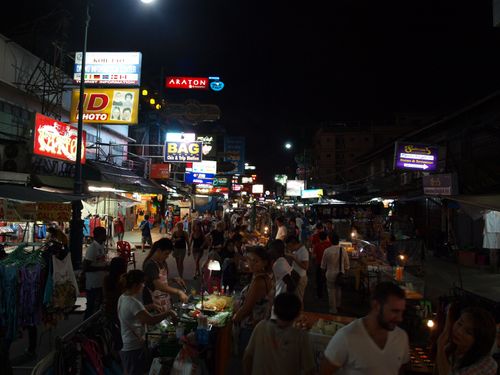
Bangkok’s backpacker carnival: curbside bars, live bands and DJs from 3pm–2am (midnight Sun). Street eats are cheap — pad thai 70–100 THB, mango sticky rice 60–100 THB. Come for wild people-watching; duck into Rambuttri for a calmer beer.
Chinatown Bangkok (Yaowarat)
Attractions
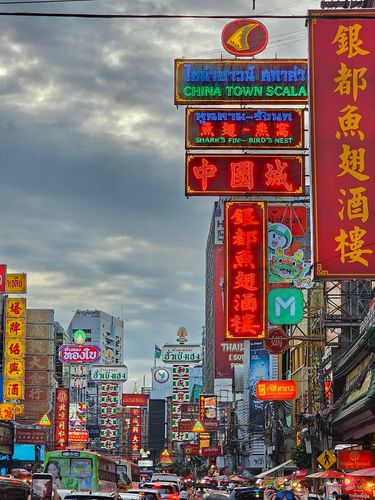
Neon, woks, and queues: Yaowarat is Bangkok’s street‑food strip. Start at Wat Mangkon MRT, graze T&K Seafood and Nai Ek’s peppery guay jub, snag toasted buns, and finish with mango sago at Sweet Time. Best 6pm–late; ~10‑minute taxi from Khao San.
Chao Phraya Tourist Boat ICONSIAM Pier
Services
Hop on the blue‑flag tourist boat at ICONSIAM to cruise Wat Arun, Wat Pho, the Grand Palace and Chinatown. Day pass ~150 THB, boats every ~30 mins, last runs around 7:15pm. Easiest river launchpad via BTS Gold Line to Charoen Nakhon.
Wat Saket Ratchawora Mahawihan
Temples
Wat Arun Ratchawararam Ratchawaramahawihan
Temples
Railay Beach Cafe
Restaurants
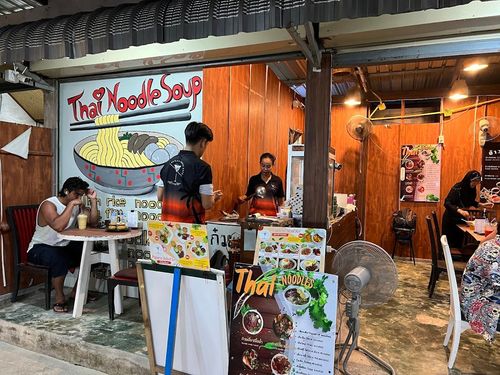
Beachfront tacos and sundowners on Railay West. Nab a front table for golden‑hour views; order the tacos, som tam with crispy seafood, icy fruit shakes, and happy‑hour margaritas. Casual crowd straight off the long‑tails; stay for sunset.
Chatuchak Haus
Hotels
A 5-star hotel in Bangkok.
Rattanakosin Exhibition Hall
Attractions
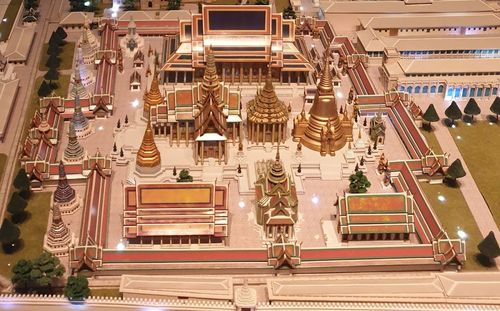
Nine smart galleries map Bangkok’s Rattanakosin era with models, multimedia, and staff‑led tours every 30 minutes. Air‑con refuge near Democracy Monument; open Tue–Sun 9am–5pm. Tickets from ~200 THB. Coffee shop and a small library upstairs.
Recommended Products
More Khao San Road Guides
- Backpacker Packing List for Thailand’s Cash-and-Card Travel: Wallet, Money Belt, and Backup Essentials
- Backpacker Packing List for Thailand’s Cash-and-Card Travel: Wallet Setup, ATM Safety, and Money-Handling Basics
- What to Pack for Thailand for Budget Backpacker Essentials: Cash, Documents, and Everyday Security
- Thailand Backpacker Packing List for Carrying Cash, Cards, and Travel Security