
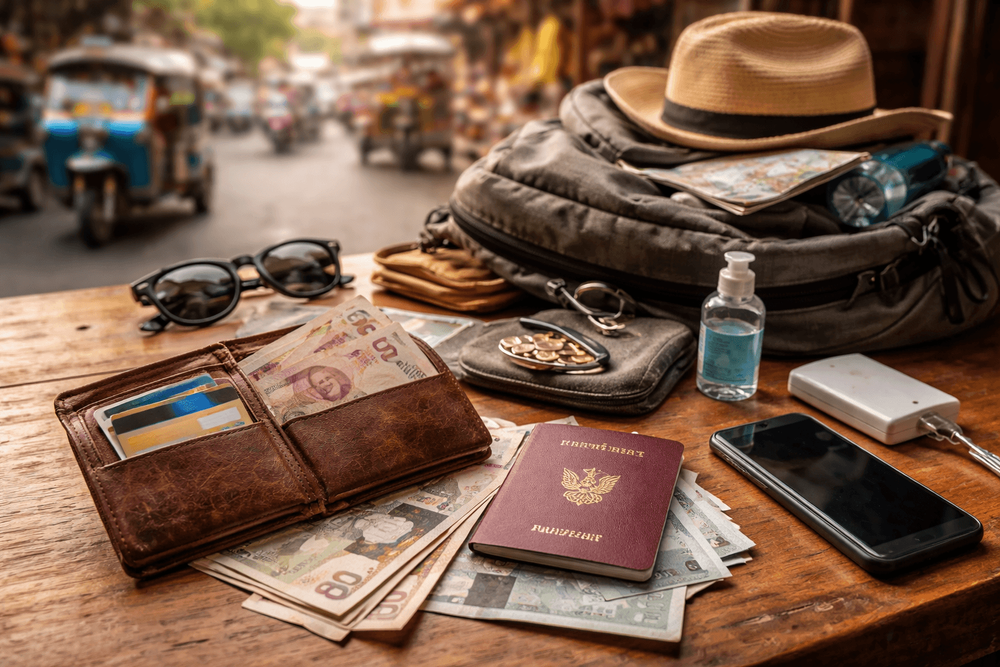
Backpacker Packing List for Thailand’s Cash-and-Card Travel: Wallet Setup, ATM Safety, and Money-Handling Basics
Cash vs. cards in Thailand: how much baht to carry, the best wallet setup, ATM fees, and smart packing for Bangkok, islands, and night markets.
We step off the Airport Link / ARL Ramkhamhaeng at Phaya Thai and the humid Bangkok air hits like a hot towel. A motorbike zips past, a tuk-tuk idles, and a 7-Eleven door hisses open with that blast of frost we’ll come to worship. We’re thirsty, jet-lagged, and fishing for small bills while the cashier scans a bottle of water and a cold Leo. This is where a smart thailand travel money packing list pays for itself—literally—in time, fees, and fewer headaches.
Thai Baht Essentials: How Much Cash to Carry on Arrival
We love a good points card as much as any farang, but Thailand still runs on baht for street food, markets, ferries, and mom-and-pop guesthouses. Let’s land ready, not scrambling.
What to bring off the plane
- Arrival cash: 3,000–5,000 THB per person is our sweet spot for the first 48 hours.
- Mix of notes: Ask for 100s and 20s. Taxis, food stalls, and khlong boats are happier with small bills.
- Keep it split: One day-wallet with 1,000–1,500 THB and a backup stash hidden in your bag or money belt.
Why this amount? It covers:
- Airport transfers: Airport Rail Link to Phaya Thai is cheap; taxis from Suvarnabhumi (BKK) to Banglamphu/Khao San run roughly 350–500 THB including tolls and the airport surcharge. From Don Mueang (DMK), meter taxis to the old town hover around 250–350 THB depending on traffic and tolls. Buses are cheaper but slower.
- Food and drinks: Street meals are often 40–80 THB, fruit shakes 40–60 THB, water 10–15 THB, a big beer 60–120 THB from 7-Eleven, more in bars.
- First-night incidentals: SIM card (often 149–299 THB for short tourist packages), a metro top-up, ferry rides (15–30 THB), and small deposits.
- Wiggle room: A little cushion for surprises—lost tuk-tuk game, extra pad kra pao, or an emergency rain poncho when the skies dump on Khao San.
Where to change if you didn’t prep cash
- Airport exchanges are convenient but rates are softer. You’ll usually do better with city bank counters or reputable exchange shops around BTS stations and malls.
- If you need to exchange a small bit at the airport, do it—enough for transport and your first meals—then swap the rest in town.
Your Thailand Travel Money Packing List: What to Bring
We’re packing light, but not reckless. A tight kit keeps your baht safe from pickpockets, rogue rain, and your own late-night decisions on Soi Rambuttri.
Cards and backups
- Primary debit card (Visa or Mastercard): Low foreign fees if possible. Make sure it supports chip & PIN.
- Secondary debit card: Different bank/network. Store in a separate bag as your lifeboat.
- Credit card with no foreign transaction fees: Handy for larger purchases, hotels, and emergencies. American Express works in malls/hotels but is patchier at small vendors.
- Photo backups: Store front/back images of cards in a secure, encrypted cloud note. Don’t keep numbers visible in your day bag.
Wallet setup
- Slim day-wallet: Enough room for one card, 1,000–1,500 THB in small notes, and coins. Thinner is safer and less tempting.
- Hidden stash: 2,000–3,000 THB plus a backup card wrapped in plastic and tucked in a money belt, neck pouch, or stitched pocket inside your backpack.
- Coin/zip purse: Thai coins pile up fast; a mini zip keeps your change from rattling through the soi.
RFID sleeves—worth it?
Skimming in Thailand isn’t a common street threat, but RFID sleeves weigh nothing and cost little. If they give you peace of mind, toss a couple in. More important than RFID: keeping your physical wallet zipped and out of back pockets.
Waterproofing and sweat-proofing
- Ziplocks: Two or three quart-size bags. Bangkok rain is ruthless and speedboats to the islands spray everything.
- Dry bag (5–10L): Essential for ferries, Songkran, and beach days. Toss in your day-wallet, phone, and passport copies.
- Sweat-resistant pouch: Humidity is merciless. A small inner pouch keeps notes from turning into papier-mâché.
Docs and digital access
- Passport photocopies + digital scans: Keep paper copies in your main pack and digital copies offline on your phone.
- Banking apps installed and tested: Enable app-based approvals; international SMS can be flaky.
- Local eSIM or SIM: Data means you can approve OTPs, check exchange rates, and hail a Grab when the tuk-tuk quote is a little too sanuk.
Odds and ends that save the day
- Tiny flashlight or phone light habit: ATMs can be dim, night ferries are darker.
- Pen: Customs cards, hotel forms, quick math at the market.
- Small carabiner: Clip your day-wallet or pouch inside your bag.
If you like dialing in your kit even further, we’ve got deeper dives on cash-light travel and backup access: try the Thailand Backpacker Packing List for Cashless-First Travel: eSIMs, Payment Apps, and Backup Access (/articles/thailand-cashless-travel-packing-list) and the Thailand Backpacker Packing List for ATM-Scarce Trips (/articles/thailand-atm-packing-list).
ATMs, Exchange, and Payment Realities in Thailand
We’ll keep this straight: Thailand’s payment scene is a hybrid. Big malls love cards, night markets love cash, and ATMs charge for the privilege.
ATM fees and limits
- Expect a local ATM fee around 220–250 THB per withdrawal from most machines. Your home bank may also add its own fee and a currency markup.
- Typical withdrawal limits: Often 20,000 THB per transaction (varies by bank/ATM). Your bank’s daily limit also applies.
- Strategy: Fewer, larger withdrawals reduce fees. Pair up with a travel buddy if it’s safe to do so—withdraw once, split the cash, and stash separately.
- Use ATMs attached to real bank branches or inside bright, camera-covered lobbies. We like the ones along Phaya Thai Road and Siam stations—busy and well-lit.
Dynamic Currency Conversion (DCC)
- When the terminal or card reader asks whether to charge in your home currency, always choose THB. DCC rates are notoriously bad.
Cash exchange
- In-city exchange counters and bank branches usually beat airport rates. Look for official bank counters; avoid no-name kiosks that boast “no commission” but hide weak rates.
- Bring clean, crisp bills if swapping foreign cash. Torn or scribbled notes sometimes get rejected or downgraded.
Card acceptance—where plastic works
- Bangkok malls (MBK, Siam Paragon), supermarkets, chain coffee shops, and many midrange restaurants accept Visa/Mastercard.
- 7-Eleven and some FamilyMarts take cards with low minimums, but terminals sometimes balk at foreign credit cards. Have backup cash just in case.
- Night markets, street food, longtail boats, khlong ferries, and smaller guesthouses are mostly cash-only.
- PromptPay QR dominates for locals. Some foreign banking apps can scan Thai QR now, but assume you’ll need cash for most vendors outside big-city centers.
For docs organization while juggling cards and cash, see What to Pack for Thailand for Carrying Cash, Cards, and Travel Documents: Organization and Backup Essentials (/articles/thailand-money-documents-packing-list).
Packing Tips for Safe Money Handling in the Wild
A little choreography with your baht keeps things smooth, whether we’re threading through Chatuchak or hopping a dawn ferry from Thong Sala.
Arrival dance at BKK or DMK
- Before immigration: Put your day-wallet, passport, and a pen in an easy-access pocket. Don’t flash big bundles of cash.
- After baggage claim: If you must hit an airport ATM, do it once, go big, and immediately split and stash the cash—some in your day-wallet, the rest sealed in your pack.
- Getting to Banglamphu/Khao San: Airport Rail Link to Phaya Thai, then a metered taxi or a Grab car. If you cab straight from the airport, insist on the meter; you’ll pay tolls, but it’s fair.
Around tourist hot zones (Khao San, Soi Rambuttri, Silom, Sukhumvit)
- Carry 1,000–1,500 THB in your day-wallet. Keep large notes hidden. Pull out only what you need at the cart.
- Zip, clip, and front-carry in crowds. Backpack on the chest in crushes around the Rambuttri roti stand isn’t weird—it’s wise.
- Bar tabs: Some bars on Khao San Road ask you to pay as you go. Have small notes ready so you’re not breaking a 1,000 for one Chang while the bass thumps your brain.
Markets, temples, and small ferries
- Chatuchak and Talat Rot Fai: Vendors prefer cash; bargaining goes smoother with exact change.
- Temples (Wat Saket/Golden Mount, Wat Pho): Donation boxes and small entry fees may be cash-only. Dress codes aside, bring small notes for merit and water.
- Chao Phraya Express boats: Fares are cheap, paid on board; the conductor makes change, but not for giant bills.
Islands, buses, and overnight trains
- Keep a dry bag for overnight transit. Our cash, phone, and a backup card ride in that bag on night buses and sleeper trains.
- Ferries and speedboats love to spray. Ziplocks around your notes save you from soggy-wallet syndrome.
- Arriving late on islands like Koh Phangan or Koh Tao, many bungalow operations prefer cash on check-in for the first night.
Night out protocol
- Bring only what you’re prepared to lose. A slim wallet, one card, and 1,000 THB is usually more than enough.
- ATM before you drink. If you must withdraw late, use a machine at a major hotel or bank branch lobby on Sukhumvit or Silom, not a lonely street-side box.
For a broader backpacker gear check beyond money, the Backpacker Packing List for Thailand (/articles/backpacker-packing-list-for-thailand-2026-05-01) keeps your bag lean and your budget happier.
How Much Cash You’ll Actually Use in a Day
Let’s reality-check a typical day around Banglamphu:
- Street breakfast (jok or fresh fruit): 40–60 THB
- Coffee from a cart: 25–50 THB, or 60–120 THB at a café
- Temple donation + water: 60–100 THB
- Boat noodles by the khlong: 50–80 THB
- Chao Phraya Express + canal boat rides: 30–70 THB total
- Two beers at a rambunctious Khao San bar: 200–300 THB
- Late-night pad thai sizzling on Soi Rambuttri: 50–70 THB Daily typical cash burn: roughly 500–900 THB if you’re not splurging. Toss in more if you’re bar-hopping or taxi-hopping.
Common Money Mistakes in Thailand (And How We Dodge Them)
We’ve made them so you don’t have to.
- Accepting card charges in your home currency
- The fix: Always choose THB at card terminals and ATMs to skip bad exchange rates.
- Relying on one card
- The fix: Pack two debit cards and one credit card; store backups separately.
- Withdrawing tiny amounts
- The fix: Big, infrequent withdrawals reduce per-transaction fees. Split the cash between us afterward.
- Flashing a wad at markets
- The fix: Pre-pull 100–200 THB before you bargain. Keep big notes hidden.
- Getting stranded by OTP
- The fix: Banking app approvals over data beat SMS. Get a local SIM/eSIM and test your logins before flying.
- Letting rain or sweat eat your money
- The fix: Ziplocks, dry bag, and a sweat-proof pouch. Bangkok humidity is relentless.
- Not carrying small change
- The fix: Hoard 20s and coins. Ferries, moto-taxis, and food carts move faster with exact fares.
- Putting every baht in one place
- The fix: Day-wallet + hidden stash + maybe one emergency bill under the insole. Redundant and boring—just how we like risk management.
- Ignoring posted taxi rules at the airport
- The fix: Follow the official taxi queue at BKK or DMK. Meter on, tolls extra, end of story.
- Skipping insurance and then needing a hospital
- The fix: A solid travel policy plus a credit card for deposits. Keep copies of your policy and hotline numbers with your passport scans.
Know Before You Go: Cash Limits, Safety, and Admin
- Customs: Bringing in large amounts of foreign cash? Check your country’s declaration rules. Travelers rarely need more than a few hundred USD worth of baht to start.
- Daily bank limits: Raise your withdrawal limits in-app before you fly if you plan fewer, larger ATM runs.
- PIN length: Thai ATMs accept 4–6 digits. Confirm your card’s format works abroad.
- Skimmers: Not common at bank-branch ATMs, but check for loose card slots and cover your PIN anyway.
- Receipts: Keep ATM receipts for a day or two, especially if you withdrew a large amount—occasional double-postings happen and are easier to dispute with proof.
If you’re the type who likes a money-and-docs checklist you can tick off while your pad see ew steams in front of you, bookmark What to Pack for Thailand for Carrying Cash, Cards, and Travel Documents: Organization and Backup Essentials (/articles/thailand-money-documents-packing-list). And if your plan is to lean on apps first, Thailand Backpacker Packing List for Cashless-First Travel: eSIMs, Payment Apps, and Backup Access (/articles/thailand-cashless-travel-packing-list) has the playbook.
Sample First-48-Hours Money Plan in Bangkok
- Before flying: Set bank travel notices (if needed), enable app approvals, confirm PIN length, and screenshot card details into an encrypted note.
- Land with 3,000–5,000 THB: Split across your day-wallet and hidden stash.
- Airport ATM or exchange: If you need more, one large withdrawal or a small exchange—then split/stash again.
- Move into town: Airport Rail Link to Phaya Thai, then taxi to Banglamphu. Keep 300–500 THB handy for transport and tolls.
- Neighborhood cache: Once you’re near Soi Rambuttri or Phra Athit, find a bank-branch ATM for future runs.
- Daily rhythm: Each morning, load your day-wallet with 1,000–1,500 THB. Leave the rest sealed in your pack.
- Night mode: One card, 1,000 THB max, and a photocopy of your passport. The rest stays in the room safe or deep in your pack.
For travelers headed up-country or to islands with fewer ATMs, keep this on hand: Thailand Backpacker Packing List for ATM-Scarce Trips: Cash Safety, Backup Cards, and Emergency Access (/articles/thailand-atm-packing-list).
Sea to Summit Aeros Premium Inflatable Travel Pillow
Final Word From the Soi
Thailand rewards the prepared and the curious. With this thailand travel money packing list dialed in, we breeze through BTS gates, trade jokes with a boat conductor on the Chao Phraya, and buy hot, smoky boat noodles without fumbling a 1,000. Tomorrow, we’ll wander up the steps of the Golden Mount for sunset and drift back down to Soi Rambuttri for a roti and a nightcap—day-wallet light, stash tight, and sanuk guaranteed.
Related Hotels & Places
Airport Link / ARL Ramkhamhaeng
Hotels
A 3-star hotel in Bangkok.
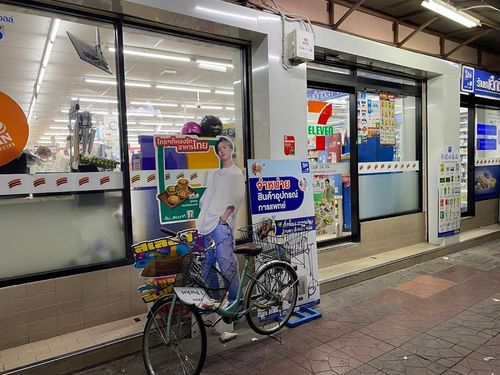
7-Eleven
Shops
Khao San’s 24/7 reset button: ice‑cold A/C, ham‑cheese toasties, All Café iced lattes, water for 7–14 THB, and late‑night supplies from snacks to sunscreen—right by Rikka Inn.
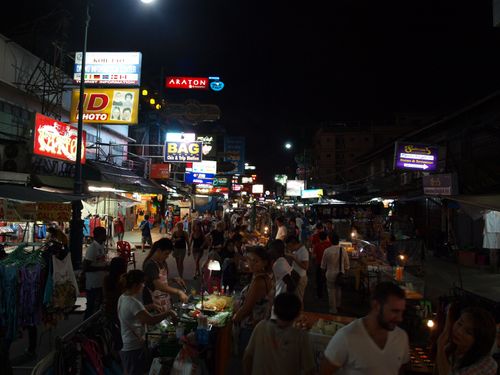
Khao San Road
Attractions
Bangkok’s backpacker carnival: curbside bars, live bands and DJs from 3pm–2am (midnight Sun). Street eats are cheap — pad thai 70–100 THB, mango sticky rice 60–100 THB. Come for wild people-watching; duck into Rambuttri for a calmer beer.
Recommended Products
More Khao San Road Guides
- Backpacker Packing List for Thailand’s Cash-and-Card Travel: Wallet, Money Belt, and Backup Essentials
- Thailand Backpacker Packing List for ATM-Scarce Trips: Cash Safety, Backup Cards, and Emergency Access
- What to Pack for Thailand for Cash-Heavy Backpacking: Wallet Security, Small Bills, and Payment Basics
- Backpacker Packing List for Thailand for Bangkok City Days: Heat-Smart Clothing, Cash Access, and EDC Basics