
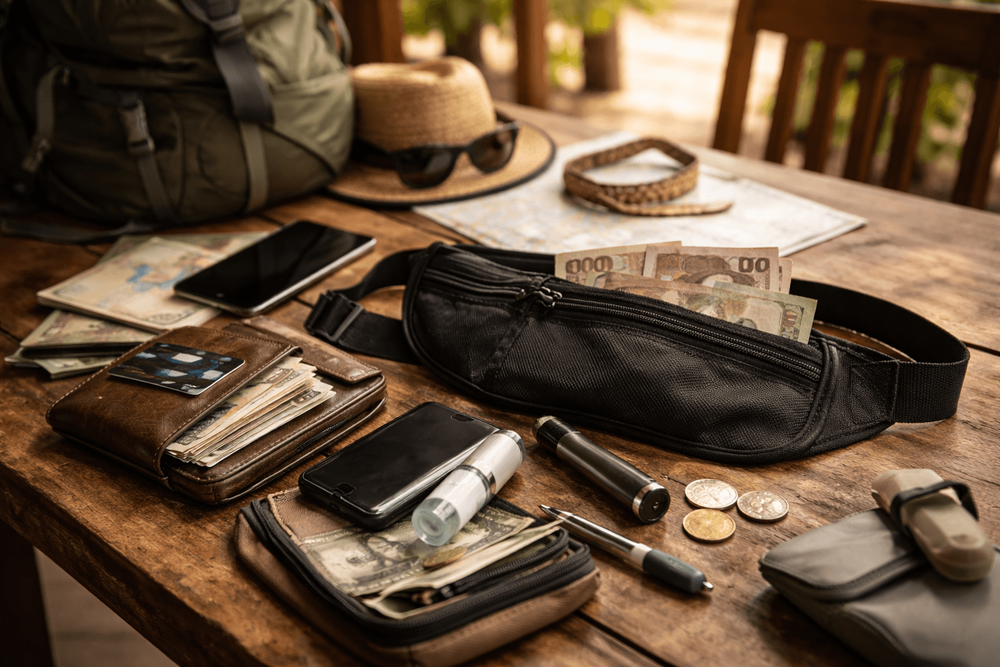
Backpacker Packing List for Thailand’s Cash-and-Card Travel: Wallet, Money Belt, and Backup Essentials
Cash, cards, and backups for Thailand—how much baht to carry, where to exchange, ATM fee tricks, and the gear that keeps your money safe and dry.
We’re standing on Soi Rambuttri, the air thick with wok smoke and frangipani, our pockets humming with small coins and a fresh stack of baht. A tuk-tuk coughs past, someone hawks plastic ponchos for the next sudden downpour, and the 7-Eleven’s blast of AC promises relief. This is exactly when a smart thailand money packing list earns its keep—because nothing kills the sanuk faster than a card decline or an ATM fee you didn’t see coming.
Data Freshness + Pricing:
- Prices are approximate and in THB.
- Last checked: July 2026.
- Happy hour and promo details change frequently—confirm locally.
Know Before You Go: Cash on Arrival, Airports, and First Buys
You don’t need to land with a brick of baht, but you do want enough to glide through those first 12–24 hours without hunting a rate-gouging kiosk. At Suvarnabhumi (BKK) and Don Mueang (DMK), airport exchange counters are convenient but usually worse than city rates. We often swap just a little at the airport (approx 1,000–2,000 THB), then head into town to use a better exchange house.
- Airport Rail Link (BKK to Phaya Thai): approx 15–45 THB per person, runs 06:00–24:00.
- Taxi from BKK into town: meter fare approx 250–400 THB plus 50 THB airport surcharge + tolls (approx 50–120 THB total). Bring small bills.
- Bus from DMK into town: approx 30–50 THB; taxi meter similar to BKK city fares.
Arriving late? We still avoid exchanging everything at the airport. Change a little, get into the city, then hit a reputable exchange the next morning. Night owls landing at 02:00: keep backup cash in a separate spot and don’t flash it in the queue.
If you’re the spreadsheet type (we see you), our deeper dives on carrying cash and documents help you get organized before wheels up: What to Pack for Thailand for Cash-Heavy Backpacking: Wallet Security, Small Bills, and Payment Basics and What to Pack for Thailand for Carrying Cash, Cards, and Travel Documents: Organization and Backup Essentials.
Your Thailand Money Packing List: What to Bring
Think layers of payment, not one magic card. Bangkok’s malls will happily beep your plastic; the boat noodle guy in Banglamphu won’t.
1) Cash (THB) + A Small Foreign-Currency Backup
- Arrival cash: approx 1,000–2,000 THB sorted into small notes (20s, 50s, 100s) for fares, street food, and water.
- Daily walking-around cash: approx 600–1,200 THB per person if you’re mostly eating street food and using public transport; more if you’re chasing rooftop cocktails.
- Emergency hidden cash: 3,000–5,000 THB sealed in a different bag + a small stash of clean USD/EUR (approx 100–200 in big notes) for bad-day scenarios.
2) Cards (Two Debit, One Credit)
- Two debit cards from different networks/banks, ideally with fee-friendly terms. If one fails (chip tantrum, bank fraud flag), the other saves your pad thai.
- One credit card with no foreign transaction fees for hotels, flights, and big restaurant bills. Decline dynamic currency conversion (more on that later) and always pay in THB.
- Optional: a multi-currency debit card for ATM withdrawals and contactless taps. Keep the app PIN and recovery codes backed up.
3) Digital and Phone-Based Payments
- Many Bangkok shops, BTS/MRT, and malls accept contactless. Smaller sois and markets tend to be cash-only.
- Some places add a 2–3% card surcharge—legal here, and they’ll usually warn you. We switch to cash if the fee feels silly.
4) Wallet Setup
- Primary wallet with small bills and one card.
- Decoy wallet with a few small notes—handy in crowded markets if someone’s peeking.
- Flat money belt or a neck pouch for long rides, border runs, and night buses.
- Tiny coin pouch; coins pile up fast riding river boats and grabbing iced Thai tea.
For a complete admin-and-cash drill-down, bookmark this one for the plane: Backpacker Packing List for Thailand: Documents, Cash, and Travel Admin Essentials.
How Much Thai Baht to Carry: Arrival, Transport, Meals, and Emergencies
Numbers below are working figures for Bangkok and popular backpacker routes. Upcountry and islands can swing cheaper or pricier depending on season.
Arrival Day (per person)
- Airport transit into town: approx 15–45 THB (Airport Rail Link) or 250–400 THB + fees by taxi.
- SIM/eSIM or top-up at 7-Eleven: data packs vary widely; budget approx 150–300 THB for a week starter.
- First meals + drinks: street eats run approx 40–120 THB per dish; iced drinks 20–60 THB.
- Cushion: carry at least 1,500–2,500 THB on landing day, split across pockets.
Daily Carry (per person)
- Street food and markets: approx 200–400 THB for two meals and snacks.
- Local transport: BTS/MRT rides approx 20–59 THB each; Chao Phraya Tourist Boat ICONSIAM Pier boat 16–65 THB depending on flag line; mototaxi hops 20–100 THB depending on distance.
- Drinks: water 8–15 THB at 7-Eleven; beer at a casual bar 80–150 THB.
- We like 600–1,200 THB in the daytime wallet. Keep the rest buried deeper.
Nights Out on Khao San and Chao Phraya Tourist Boat N13 Phra Arthit Pier
- Buckets and bass are a fast way to torch your funds. Budget an extra 400–1,000 THB if you’re chasing the thump of Khao San or riverside beers on Phra Athit Road.
Emergencies
- Keep 3,000–5,000 THB in a sealed pouch for last-minute taxis, clinic visits, or that lost-card limbo.
- Separate from your main wallet and check it once a week, then forget it exists.
Where to Exchange Money or Withdraw Cash in Thailand Safely and Affordably
You’ve got three paths: exchange cash, withdraw at ATMs, or card-swipe your way through the city. We mix and match.
Currency Exchange Houses
- City exchange houses (think the neon-green shops around Pratunam, Chit Lom, and along central arteries) usually beat airport counters by a few percent.
- Bring your passport. Inspect notes you receive—Thai baht is durable but humidity can rough them up. Count at the counter before you step away.
- Avoid random kiosks in hyper-touristy strips where the rate gap is obvious.
ATMs
- Foreign card withdrawals usually incur a machine fee of approx 220–250 THB per transaction, on top of your bank’s fees.
- Strategy: take out larger sums less often. We plan withdrawals around secure places (malls, bank branches), stash most of it at the guesthouse, and carry only what we need.
- Tip: once in a while you’ll spot lower-fee machines (e.g., certain mall ATMs). Always read the on-screen fee before you hit “OK.” If it looks high, cancel and try another bank.
- Cover the keypad, tug the card slot to check for skimmers, and keep your withdrawal receipt.
Paying by Card
- Big restaurants, malls, cinemas, and many hotels will take Visa/Mastercard; smaller family-run spots and market vendors are usually cash-only.
- Watch for surcharges (often 2–3%). If it feels steep, pay cash.
- Never accept dynamic currency conversion (DCC). If the terminal offers to bill you in your home currency, decline and choose THB. Billing in your currency usually adds a hidden rate penalty.
If you’re heading to islands or national parks where machines are scarce, prep a separate plan. This guide helps you stock up for ATM-light legs: Thailand Backpacker Packing List for ATM-Scarce Trips: Cash Safety, Backup Cards, and Emergency Access.
Practical Packing Items to Protect Money and Payment Tools
Humidity, sudden monsoons, and Songkran water fights conspire against your cash. Bangkok’s streets are safe by big-city standards, but crowds are crowds. Here’s what we actually carry.
Anti-Theft and Organization
- Money belt or neck pouch: flat, breathable, and boring (that’s the point). Use for transit days and night buses.
- Decoy wallet: a thin wallet with small notes and maybe an expired card. If someone fishes through your bag, this is what they’ll find first.
- RFID sleeve: mainly to protect cards from wear and accidental taps; actual RFID crime is rare, but sleeves are cheap and tidy.
- Slim zip pouches: color-coded for “today’s cash,” “emergency cash,” and “documents.”
- Tiny combination padlock: for hostel lockers and bus undercarriage bags.
Weather and Water Protection
- Waterproof phone pouch: doubles as a mini wallet on boat rides across the river or khlongs.
- Quart-size zip bags: stash currency during downpours, keep sweaty-day moisture off your notes.
- Silica gel packets: toss a couple in your daypack to fight humidity.
Copies and Backups
- Photocopies of passport photo page and Thai visa stamp (once issued). Keep digital copies in the cloud.
- A printed list of card numbers’ last four digits and bank contact numbers, stored separately.
- PINs and passwords in a secure manager. Never on a loose scrap in your wallet.
Day-to-Day Quality-of-Life
- Coin pouch for boats and buses.
- Minimalist card holder for quick taps on BTS/MRT where accepted. If not, buy single-journey tickets or a stored-value card at the station.
- Small flashlight or phone light for counting cash on dim buses or in night markets.
If you’re juggling weight limits on budget airlines while still keeping security tight, this piece keeps your pack lean and mean: Thailand Backpacker Packing List for Budget Airlines and Weight-Limit Fees.
Common Money-Related Mistakes in Thailand (and How We Avoid Them)
We’ve made most of these so you don’t have to.
1) Exchanging Too Much at the Airport
Airports are about speed, not value. Swap a little (approx 1,000–2,000 THB), then hit a city exchange for the bulk.
2) Accepting DCC at Shops and Hotels
If a card terminal asks “Charge in THB or your home currency?” always pick THB. Charging in your currency often bakes in a terrible rate.
3) Withdrawing Small Amounts Often
That 220–250 THB ATM fee adds up. We withdraw larger sums at once (in safe, well-lit places), then split the cash into separate stashes.
4) Carrying a Single Card
Cards fail. Machines sulk. Keep two debit cards and one credit card, and separate them on travel days.
5) Flashing the Roll in Crowded Spots
Night markets and Khao San get cozy. We count bills discreetly, use small notes for street food, and keep big notes tucked away.
6) Forgetting About Change-Making
Vendors hate breaking 1,000s for a 30 THB mango sticky rice. Keep a stack of 20/50/100 notes; ATMs spit mostly 1,000s.
7) Ignoring Surcharges
Some places tack on 2–3% for cards. If the fee stings, pay cash—or politely ask first.
8) Not Planning for ATM-Scarce Legs
Certain islands, national parks, and border towns run light on machines. We preload cash before ferries and overnight buses. If you know you’re going off-grid, level up your prep with this: Thailand Backpacker Packing List for ATM-Scarce Trips: Cash Safety, Backup Cards, and Emergency Access.
9) Leaving the Emergency Stash in the Main Wallet
Keep your emergency fund sealed and separate. If your day wallet goes missing in the thump of a Khao San bar, you’re still solvent.
10) Not Backing Up Documents
A police report is easier with copies. Keep paper and digital backups of your passport and entry stamp, and store bank hotlines in your phone and on paper.
Sample First-Week Money Plan (Bangkok Base)
We’ll assume we’re staying near Khao San, wandering Phra Athit at sunset, and hopping the Chao Phraya Express by day.
- Landing cash: 2,000 THB split between two people for airport transit, water, and a late bowl of boat noodles.
- Day 1 city exchange: trade your foreign cash or withdraw a larger sum (e.g., 8,000–12,000 THB). Hide most at the guesthouse.
- Daily pocket: 800–1,200 THB for two people—street food, boats, BTS/MRT, iced coffees.
- Nights out: add 500–1,000 THB if you’re leaning into buckets and live music.
- End of week: top up via ATM once, count fees, and adjust the next week’s rhythm.
Safety Habits That Don’t Kill the Vibe
- We ride the Orange Flag boat downriver with just one card and small notes; big cash stays locked up.
- On temple days (Golden Mount, Wat Pho), we carry exact change for donation boxes and shoe-bag rentals. No one wants to break a 1,000 with sweaty socks in hand.
- Night markets: front pocket for day cash; zip pocket for backup; deep bag pocket for emergency notes.
- Long-haul buses and trains: money belt on, decoy wallet up front for snack runs.
When Things Go Sideways
- Card swallowed? Note the bank and ATM location, snap a photo, and hit the nearest branch during open hours. They can often retrieve it same-day if it’s their machine.
- Card skimmed or lost? Freeze it in the app, call the bank, switch to your backup card, and dip into emergency cash while you wait for a replacement.
- Need a bigger cash chunk for a tour or rental? Meet at a bank branch ATM inside a mall, count your bills discreetly, and avoid street counting.
Lewis N. Clark RFID Blocking Money Belt
Final Word from Soi Rambuttri
We keep our money setup boring so the rest of the trip can be loud: wok sizzle, bass lines from Khao San, riverboats slapping the Chao Phraya. Stack your layers—small baht for street eats, big notes buried, two debit cards, one credit, and a calm emergency stash—and we’ll be first in line for boat noodles, not queuing at a broken ATM.
Related Hotels & Places
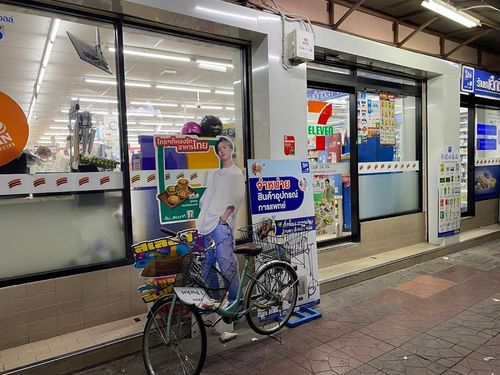
7-Eleven
Shops
Khao San’s 24/7 reset button: ice‑cold A/C, ham‑cheese toasties, All Café iced lattes, water for 7–14 THB, and late‑night supplies from snacks to sunscreen—right by Rikka Inn.
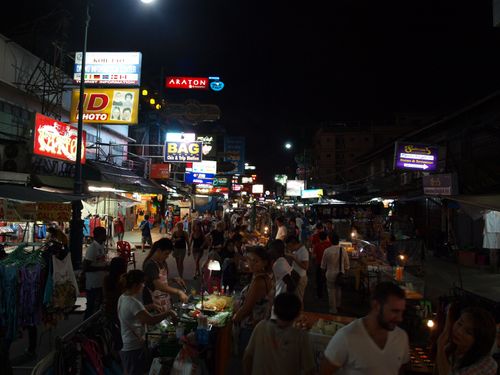
Khao San Road
Attractions
Bangkok’s backpacker carnival: curbside bars, live bands and DJs from 3pm–2am (midnight Sun). Street eats are cheap — pad thai 70–100 THB, mango sticky rice 60–100 THB. Come for wild people-watching; duck into Rambuttri for a calmer beer.
Rambuttri
Markets
Khao San’s calmer cousin: a tree‑shaded lane of VW van cocktail bars, open‑air foot massages, pad thai grills, and easygoing live bands. Best from sunset to 11pm; beers 80–120 THB, cocktails 150–220 THB. One block from the chaos, all the charm.
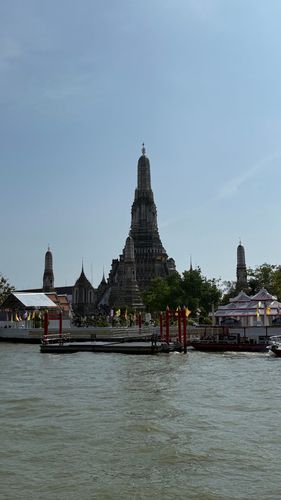
Chao Phraya Tourist Boat N13 Phra Arthit Pier
Services
Khao San's river gateway. N13 Phra Arthit is the Chao Phraya Tourist Boat stop: grab a day pass and hop to Wat Arun, the Grand Palace and Sathorn. Boats every ~30 mins; last around 7:15pm. The scenic, no-traffic way to get around.
Chao Phraya Tourist Boat ICONSIAM Pier
Services
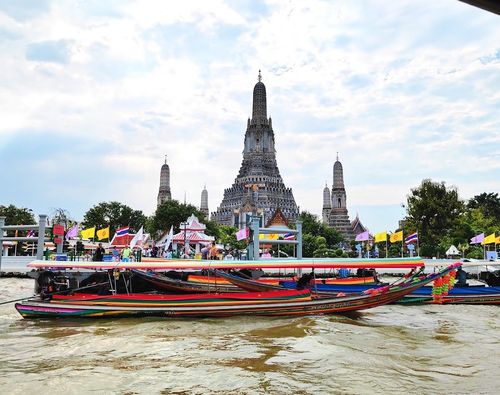
Hop on the blue‑flag tourist boat at ICONSIAM to cruise Wat Arun, Wat Pho, the Grand Palace and Chinatown. Day pass ~150 THB, boats every ~30 mins, last runs around 7:15pm. Easiest river launchpad via BTS Gold Line to Charoen Nakhon.
Recommended Products
More Khao San Road Guides
- Backpacker Packing List for Thailand’s Cash-and-Card Travel: Wallet Setup, ATM Safety, and Money-Handling Basics
- What to Pack for Thailand for Cash-Heavy Backpacking: Wallet Security, Small Bills, and Payment Basics
- Thailand Backpacker Packing List for Carrying Cash, Cards, and Travel Security
- What to Pack for Thailand for Budget Backpacker Essentials: Cash, Documents, and Everyday Security