
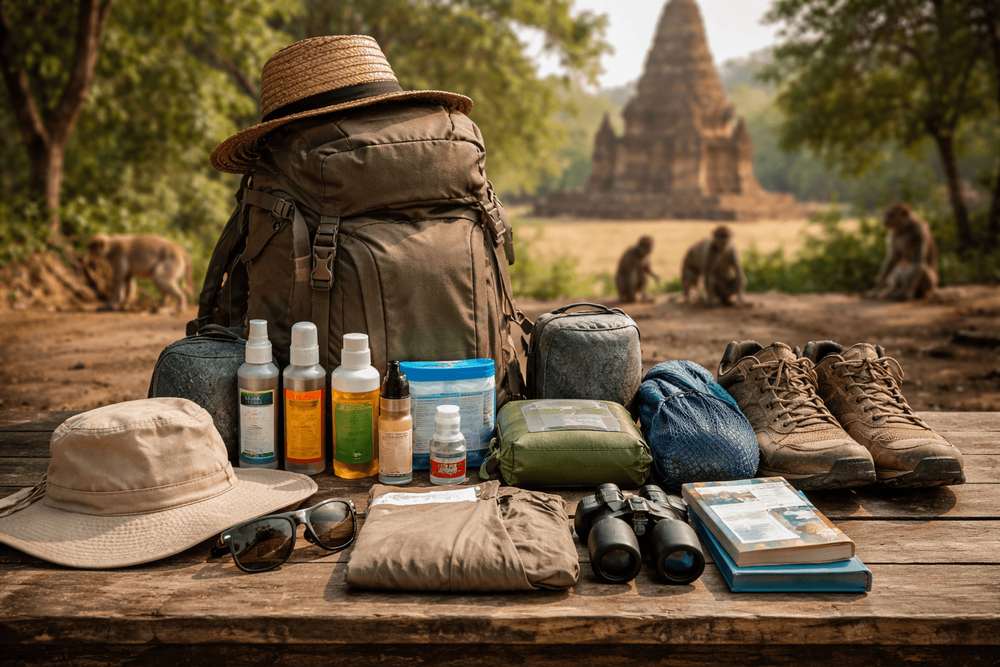
Backpacker Packing List for Thailand’s Monkeys, Mosquitoes, and Outdoor Nuisances: Protection Gear for Temples, Parks, and Rural Stops
Our Thailand bug protection packing list: repellents, treated clothing, nets, sandfly and leech defense, and after-bite care for cities, islands, and jungles.
We’re halfway down Soi Rambuttri at dusk, the air a warm soup of wok smoke and the sweet rot of durian from a cart, when the first squadron of mosquitoes dive-bombs our ankles. A tuk-tuk rattles by, the driver tossing us a sawadee as neon flickers on Khao San Road and a bar’s bass starts thumping. This is why we carry a Thailand bug protection packing list that actually works — gear we’ve tested from riverside temples to khlong-side bungalows, from jungle trails to island sunsets where the sandflies clock in right when we spread our sarongs.
Thailand Bug Protection Packing List: The Essentials
Here’s the quick-and-dirty kit we won’t board the Don Mueang bus without. We’ll explain the why below, but if you just want to shop or raid your gear drawer, start here.
Repellent you trust (DEET or picaridin):
- DEET: 20–30% for most travelers. Reliable, long-lasting. Expect 6–8 hours between reapplications when you aren’t sweating buckets.
- Picaridin (aka icaridin): 20% is our sweet spot. Low odor, gear-friendly, excellent for day-biting Aedes mosquitoes (the dengue culprits) and sandflies.
- IR3535: Solid option if you prefer a lighter feel; reapply more often.
- Pro tip: Sunscreen first, wait 15–20 minutes, then repellent. Reapply repellent after swimming or monsoon downpours.
Permethrin-treated clothing:
- Treat shirts, pants, socks, and a buff or scarf before you fly. Permethrin bonds to fabric and knocks down mosquitoes, sandflies, and ticks on contact. Hard to find in Thailand; much easier to bring pre-treated or do it at home.
- If you’re new to this, our deeper dive on dengue-smart clothing is here: Backpacker Packing List for Thailand with Mosquito Protection: Dengue‑Smart Clothing and Bite Prevention.
Long, light layers:
- A quick-dry long-sleeve shirt, thin travel pants, and socks you don’t mind tucking over your cuffs for jungle days. Black leggings or joggers for sandfly-prone beaches.
Bed barrier (situational):
- Mosquito net (fine mesh, single): Only if you’ll stay in basic bungalows or national park huts without screens. In Bangkok or Chiang Mai hotels, you won’t need it.
- Hanging kit: A couple of lightweight hooks or a string helps if rooms lack tie points.
Room protection:
- Plug-in vaporizer or mats (Thai pharmacies sell them cheap) for AC rooms.
- Mosquito coils for porches and patios — use outdoors with ventilation.
- A short roll of tape to patch torn screens.
Leech and tick defense (for the wet jungle crowd):
- Leech socks (or snug soccer socks over pants), plus a small salt packet in your pocket.
- Fine-tipped tweezers or a tick key.
Sandfly strategy:
- Cover ankles and calves at dawn/dusk, picaridin on exposed skin.
- A thin ground sheet or mat — don’t nap straight on damp sand near mangroves.
Monkey-proofing:
- Zip-top pouches and a small dry bag; monkeys at places like Lopburi or Railay grab shiny things and plastic bags like pros. Keep snacks buried and never feed them.
Daypack add-ons:
- Alcohol/antiseptic wipes, tiny bar soap, mini hand towel.
- A pocket fan (USB) — moving air keeps mozzies confused while we slurp boat noodles on Phra Athit Road.
Thailand’s Bugs and Bites: What We’re Up Against
Let’s set expectations. Thailand’s heat and humidity make everything feel alive — including things that want a taste of you. Knowing the enemy keeps the sanuk in your trip.
Mosquitoes (Aedes and Anopheles)
- Aedes mosquitoes are day-biters and spread dengue (and occasionally chikungunya and Zika). Biggest risk: cities and towns, especially during rainy season (May–Oct). That means Bangkok alleys, Chiang Mai’s moat area, island villages — not just deep jungle.
- Anopheles mosquitoes are dusk-to-dawn and carry malaria in forested border areas (think parts of Kanchanaburi, Tak, Mae Hong Son, and along the Cambodian and Laotian borders). Not an issue in Bangkok, Chiang Mai proper, Phuket, or Koh Samui.
- Defense: picaridin or DEET, long layers, permethrin-treated clothing. For border treks, talk to a travel clinic about malaria prophylaxis.
Sandflies
- These near-invisible ankle torpedoes lurk on certain beaches, especially near mangroves and during still, humid evenings. We’ve met them at low-tide stretches around Krabi, Koh Chang, and lesser-visited coves.
- Defense: cover up (leggings/joggers), picaridin, sit on a mat, and avoid lounging on damp sand at dawn/dusk.
Ticks
- Found in tall grass and forest leaf litter — national parks like Khao Yai, Khao Sok, or Mae Wong on wet-season hikes.
- Defense: permethrin-treated fabrics, socks over cuffs, quick tick checks after trails.
Leeches
- Rainy-season special on jungle trails and near Khlong Chao Lueam Waterfall. They’re gross but mostly harmless.
- Defense: leech socks or snug socks over pants, keep moving, salt for removals.
Ants, wasps, and bees
- Tropical ants sting like matchheads; wasps and bees do their thing if provoked around shrines and fruiting trees.
- Defense: watch your picnic spots, carry an antihistamine; those with known severe allergies should bring an epinephrine auto-injector.
Bedbugs and other hitchhikers
- Rare in midrange hotels, more common in well-worn dorms or long-haul buses.
- Defense: inspect seams, keep your bag zipped, and don’t toss clothes on mystery couches.
Monkeys (the non-bug nuisance)
- Macaques around Lopburi, Railay, and some temple hills have busker-level pickpocket skills. Bites and scratches carry infection risks, including rabies.
- Defense: never feed them, stash food and sunglasses, and keep distance. If scratched or bitten, wash thoroughly with soap and water for 15 minutes and go to a clinic the same day. Ask a travel doctor about pre-exposure rabies vaccination if you’ll be in monkey zones often.
Pack for Where You’re Going: Cities, Islands, Jungles, and Rainy Season
Cities (Bangkok, Chiang Mai)
- What to expect: Aedes mosquitoes love urban puddles and potted plants. We’ll be temple-hopping under the Golden Mount by day and eating pad thai near Khao San by night — both prime bite windows.
- What to pack: 20% picaridin or 20–30% DEET, a thin long-sleeve for daytime temple visits, and a plug-in vaporizer for rooms if windows don’t seal well.
- Insider tip: AC and fans are your friends. A sealed, cooled room is a de facto bug net.
Islands and beaches (Krabi, Koh Lanta, Koh Chang, Koh Phayam)
- What to expect: Sandflies at dawn/dusk, mosquitoes near mangroves and bungalow gardens. Sea breeze helps; still nights don’t.
- What to pack: Picaridin, leggings/joggers for sunset, light socks if sandflies are vicious, and a compact net if you’re going super-basic. A ground sheet for beach lounging keeps your calves happier.
- Insider tip: Rinse sand and saltwater off at sunset — sandfly bites are worse on salt-crusted skin.
Jungles and national parks (Khao Yai, Khao Sok, Doi Inthanon)
- What to expect: Leeches in the wet, mosquitoes anytime, ticks on trails, and the sweet stink of fruiting trees drawing in all sorts of buzzers.
- What to pack: Permethrin-treated clothes, leech socks, long pants, and the repellent you like best. A lightweight rain jacket both blocks bugs and handles cloudbursts.
- If wildlife is your mission, pair this with our deep-dive: Backpacker Packing List for Thailand’s Rainforest and Wildlife Trips: Binoculars, Dry Bags, and Bug-Proof Essentials.
Border treks and remote stays (Mae Sariang, Umphang, Sangkhlaburi)
- What to expect: Higher malaria risk pockets and more basic accommodation.
- What to pack: Same jungle kit plus a proper mosquito net if your stay lacks screens. Chat with a travel clinic ahead of time about prophylaxis.
Rainy season (roughly May–October)
- What to expect: Everything multiplies. Street puddles become mosquito nurseries; jungle trails turn into leech escalators.
- What to pack: Extra repellent, quick-dry long layers, and a second pair of socks. Keep coils or a plug-in vaporizer handy for guesthouses.
- Bonus: Afternoon storms can blow the air clean — perfect for a bite-free hour of sanuk on Phra Athit Road with grilled pork skewers.
Practical Tricks: Skin, Clothing, and Luggage Protection
- Time your layers: Wear long sleeves for temple mornings and shady city walks; switch to shorts in peak sun, then cover up again as the afternoon cools.
- Sunscreen + repellent order: Sunscreen first, then repellent. Reapply repellent after heavy sweating or a Songkran-style soaking.
- Go scentless: Skip floral body sprays and hair serums. You’re a walking buffet to the wrong crowd.
- Use movement and cool: Fans, AC, and breezes — mosquitoes struggle with air currents. We’ll often snag the windy riverside table by the Chao Phraya when the Express Boat drops us at Phra Arthit pier.
- Room sweep: On check-in, look for torn screens and standing water in planters. Ask for another room if it’s a mozzie festival.
- Laundry smart: Quick rinses remove salt and sugar that attract bugs. Hang clothes away from garden shrubs.
- Bag discipline: Keep zippers closed, use packing cubes, and avoid tossing sweaty clothes onto beds or couches (hello, ants and bedbugs).
- Foot tactics: Sandflies love ankles. Socks or leggings at golden hour saves you days of scratching.
- Don’t trust gimmicks: Ultrasonic bug gadgets are about as useful as a broken tuk-tuk meter.
- Layered defense in dengue-prone zones: Long sleeves + permethrin clothes + picaridin on exposed skin during the day, especially in shaded city areas.
- For heat help while you cover up, see: What to Pack for Thailand for Heat, Humidity, and Mosquito Protection: Backpacker Essentials That Actually Help.
Health and Comfort Kit: Prevention and After-Bite Care
- Oral antihistamine: Cetirizine or loratadine helps with itch and swelling from bites and stings. Handy on night trains when one bite can become a saga.
- Topical hydrocortisone 1% or a mild steroid cream: Calms inflamed bites.
- Calamine or menthol-based balms: Old-school, effective, and you can find them in Thai pharmacies. Tiger balm helps take the edge off.
- Antiseptic wipes and soap: Clean every bite or scratch from jungle branches, coral, or monkey encounters.
- Ammonia or after-bite sticks: Quick itch relief, useful in your daypack.
- Tweezers or tick key: For tick removal — slow, steady pull.
- Small bandages and gauze: For blisters and scratch protection (itch + sweat + street grit is an ugly combo).
- Pain relievers: Acetaminophen or ibuprofen for the swollen-ankle days.
- Epinephrine auto-injector: If you’ve ever had a serious reaction to stings, bring it.
- Prescriptions and specifics: If you’re managing allergies or asthma, pack your regular meds and a copy of prescriptions; for a fuller health packing rundown, bookmark: What to Pack for Thailand for Prescription Meds, Insect Protection, and Basic Health Care on the Road.
Know Before You Go: Buying vs. Bringing, Budget, and Local Help
- Where to buy in Thailand: 7-Eleven, Boots, Watsons, and independent pharmacies stock repellents, plug-in vaporizers, coils, and creams. Decathlon (Bangkok) and big markets like Chatuchak sell nets and leech socks.
- Prices (approximate):
- Local repellent: 60–180 THB depending on brand/size.
- Plug-in vaporizer + refill: 120–250 THB.
- Mosquito coils (10-pack): 25–60 THB.
- Basic bed net: 300–600 THB.
- Bring from home: Permethrin spray for clothing, your preferred high-concentration picaridin/DEET if you’re picky, and any specialty allergy meds.
- Thai phrases that help:
- Insect repellent: “ya-gan-yoong” (ยา กัน ยุง)
- Itch cream: “ya-tha-gae-khan” (ยา ทา แก้ คัน)
- Mosquito coil: “khorp-choon-yoong” (ขดกันยุง) — most shop staff will get it if you mime a coil.
- Clinics and pharmacies: If a bite looks infected, streaky, or you feel feverish after a rash, head to a clinic the same day. Bangkok and Chiang Mai have excellent private hospitals and neighborhood clinics that can sort you fast.
- Vaccines and prophylaxis: Dengue is widespread and day-biting; discuss the latest prevention options with a travel clinic before you come. Malaria risk varies by region; only some trips require prophylaxis.
- Packing for families or special diets? We’ve got broader lists too: Thailand Packing List for Family Travelers: Kid-Friendly Gear for a Smooth Trip and the all-in master checklist: Backpacker Packing List for Thailand.
Sample Loadout by Trip Type
- Two weeks Bangkok + Chiang Mai (Nov–Feb):
- 20% picaridin (100–150 ml), permethrin-treated long sleeve + pants, plug-in vaporizer, hydrocortisone, antihistamine, antiseptic wipes, tape.
- Island hop (Apr–Jun):
- Picaridin, leggings/joggers for sunset, ground sheet, coils, small fan, calamine or cooling balm, leech socks only if you’ll hike inland waterfalls.
- Jungle-heavy (rainy season):
- DEET or picaridin, full permethrin wardrobe, leech socks, rain jacket, tick key, net if staying in rustic huts, extra socks.
- Border trek with basic homestays:
- As jungle-heavy, plus consult a clinic on malaria prophylaxis; bring a net.
Accommodation Notes We Live By
- In cities, we pick guesthouses near Soi Rambuttri or Phra Athit with decent screens and fans; AC rooms mean fewer bites and better sleep.
- On islands, we ask to see the room before booking — check for gaps in doors and torn screens. If there’s a garden pond next to your porch, plan to run coils at dusk.
- National park bungalows vary wildly. We pack nets and coils for Khao Sok and similar spots, just in case.
If you want to go deeper on bug-smart fabrics and balancing coverage with the Bangkok bake, we also like this primer: Smart Packing for Thailand: Medications, Toiletries, and Travel Documents Checklist.
Final Word from the Soi
Repel 100 Insect Repellent, 8-oz
Bugs are part of the Bangkok chorus — like the hiss of a wok or the blast of AC when we duck into 7‑Eleven. With this Thailand bug protection packing list dialed, you’ll swat less and smile more, whether we’re catching the Chao Phraya Express to Wat Arun Ratchawararam Ratchawaramahawihan’s glittering spires or sinking our toes into a quiet Krabi sunset. We’ll save you a riverside stool on Phra Athit; bring the picaridin, we’ll order the boat noodles.
Related Hotels & Places
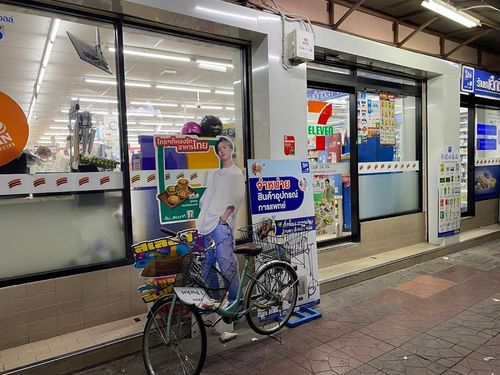
7-Eleven
Shops
Khao San’s 24/7 reset button: ice‑cold A/C, ham‑cheese toasties, All Café iced lattes, water for 7–14 THB, and late‑night supplies from snacks to sunscreen—right by Rikka Inn.
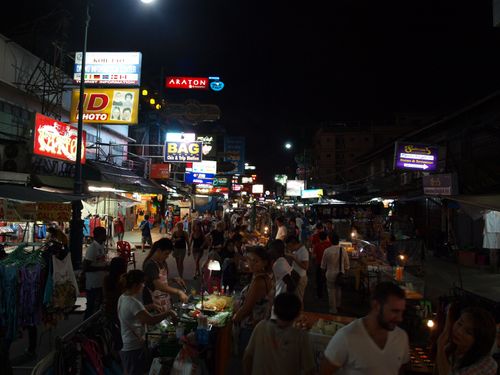
Khao San Road
Attractions
Bangkok’s backpacker carnival: curbside bars, live bands and DJs from 3pm–2am (midnight Sun). Street eats are cheap — pad thai 70–100 THB, mango sticky rice 60–100 THB. Come for wild people-watching; duck into Rambuttri for a calmer beer.
Khlong Chao Lueam Waterfall
Attractions
Northern Ko Chang’s low-key cascade near Klong Son—multi-tiered, shaded, and flowing year‑round. Ride 4 km inland, walk the last stretch, and cool off among jungle rock pools. Best after rain; trail gets slick. Open 8am–5pm.
Wat Arun Ratchawararam Ratchawaramahawihan
Temples
Recommended Products
More Khao San Road Guides
- Backpacker Packing List for Thailand with Mosquito Protection: Dengue‑Smart Clothing and Bite Prevention
- What to Pack for Thailand for Heat, Humidity, and Mosquito Protection: Backpacker Essentials That Actually Help
- Backpacker Packing List for Thailand for First-Time Visitors: Essentials, Mistakes to Avoid, and What You Can Buy There
- Backpacker Packing List for Thailand’s Remote Temple and Village Visits: Modest Clothing, Insect Protection, and Small-Day-Bag Essentials