
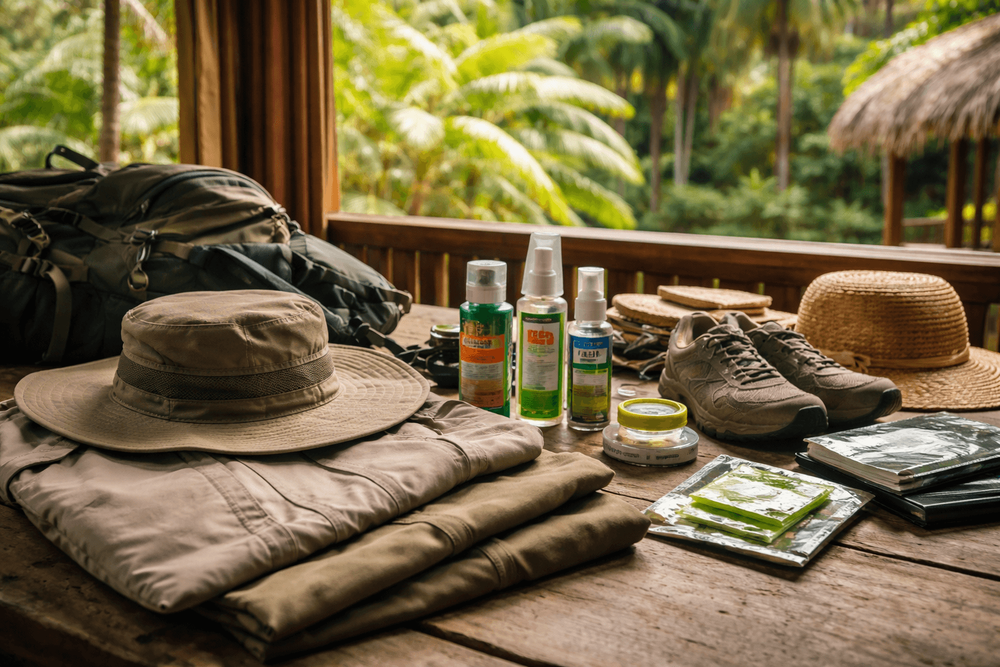
Backpacker Packing List for Thailand with Mosquito Protection: Dengue‑Smart Clothing and Bite Prevention
Field-tested Thailand mosquito packing: repellents, treated clothing, nets, and dengue-smart habits so you can chase night markets and beaches bite-free.
We’re shoulder to shoulder on Rambuttri at dusk, the air sweet with grilled pork skewers and that faint temple incense drifting off Phra Athit Road. A tuk-tuk coughs by, neon lights flicker on, and—zap—there’s that first ankle nip. If you’re googling thailand mosquito packing while the bass thumps from a Khao San Road bar, this is the field-tested list we actually carry so we can chase night markets and sunrise ferries without becoming a buffet.
Why Mosquito Protection Matters in Thailand
Thailand is sanuk (fun) in stereo—beaches, jungle treks, canals, rooftop bars—but mosquitoes didn’t get the memo. The big concern is dengue, spread by Aedes aegypti and Aedes albopictus, aggressive day-biters that love urban Bangkok as much as the islands. Chikungunya and Zika also circulate at times, and malaria has a low but present risk in some forested border regions (not in central Bangkok). We’re not here to scare you—just to make the bites the least memorable part of your trip.
When and where they’re worst:
- Rainy season (roughly May–October) amps up breeding, especially around standing water—khlongs (canals), construction sites, and bucket planters outside shophouses.
- Golden hour is prime time. Aedes bite all day, but they’re extra handsy at dawn and dusk—right when we’re watching longtails skim the Chao Phraya.
- Islands and beaches can add sandflies to the party at sunset. Markets with greenery (think Chatuchak) and temple gardens (Wat Phra Chetuphon Wimon Mangkhalaram Rajwaramahawihan, Wat Arun Ratchawararam Ratchawaramahawihan) can be buzzy too.
- Rural rice paddies, waterfalls, and jungle edges (Khao Sok, Mae Hong Son loops) bring evening biters and, in some pockets, different species.
Thailand Mosquito Packing: The Dengue‑Smart List We Actually Use
Here’s what earns a spot in our pack, even when we’re counting grams for budget flights.
Repellents that work
- DEET 20–30%: The reliable all-rounder for dengue mozzies. We like lotion or pump sprays over aerosols for carry-on rules. Reapply every 4–6 hours, more often if you’re sweating through a street-food crawl.
- Picaridin (also called icaridin) 20%: Less greasy, doesn’t melt plastics or watch bands, great for daytime in the city and nights by the river. Good against sandflies too.
- Oil of Lemon Eucalyptus (PMD) ~30%: Plant-derived and effective, but can require more frequent top-ups and isn’t recommended for very young children. In Bangkok heat, we find it best for evening strolls when we can reapply.
- Local buys: Soffell is a common Thai brand (lotion or spray) found in 7‑Eleven, Boots, and pharmacies for about 30–60 THB a small bottle; stronger DEET or picaridin options run ~120–250 THB.
Application tips:
- Sunscreen first, let it set 15 minutes, then repellent. Reapply repellent after swimming or heavy sweat.
- Go ankle to knee and wrist to elbow—biters have a thing for the edges.
Clothing that does more than vibe
- Lightweight long-sleeve shirt and quick-dry pants in light colors (mosquitoes cue on contrast and dark tones heat you up). Bangkok days beg for breathable fabrics; we live in airy, UPF-rated layers.
- Permethrin-treated clothing or a small bottle of permethrin for DIY treating before you fly. It bonds to fabric, repels/knocks down mozzies, and survives several washes. Game changer for jungle buses and twilight ferry piers.
- Thin socks for dusk and rural nights. Tuck pants if you’re in buggy grass.
Bed nets and room defense
- Travel bed net: Single or double, 156+ holes per square inch. Useful for fan rooms on islands or rustic bungalows. Many city guesthouses have AC and screens, but a backup net weighs little peace of mind. Bring a few lightweight hooks, cord, or tape.
- Plug-in vaporizer or mats: Popular across Thailand. Rooms with AC at night benefit from these. About 100–200 THB at Big C, Lotus’s, or local shops.
- Coils: Good for patios and open-air bungalows (not for enclosed rooms). Packs run ~25–60 THB. Check house rules; ash can be messy.
After-bite and rash control
- Hydrocortisone 1% cream and an antihistamine (cetirizine or loratadine) for itch and swelling.
- Calamine or cooling roll-ons; Thai balms (menthol/tiger-style) help with the “I scratched it in my sleep” regret.
- Alcohol wipes or an ammonia-based after-bite pen for quick sting relief.
Small extras that matter
- Zip bag for repellents (leaks happen in the heat).
- A light scarf or sarong doubles as sunset leg cover on ferries.
- A mini flashlight or headlamp—night paths in island villages are mozzie-heavy and pothole-rich.
If you’re building a bigger system around heat and comfort, our humidity-minded packing advice here pairs perfectly with bite prevention: What to Pack for Thailand for Tropical Humidity: Anti-Chafe, Sweat Control, and Fast-Drying Basics.
How to Choose Mosquito Products That Survive Bangkok Heat and Island Humidity
Bangkok is a sweat test. What works in a cool climate can slide right off at Saphan Taksin pier.
- Formulation matters: Lotions tend to stay put better than thin sprays when you’re glistening. Picaridin lotions feel nicer for everyday city wandering; go DEET or higher-strength picaridin when you’re in leafy parks or rural dusk.
- Reapplication is strategy: A day in Chatuchak Market plus a temple hop to the Golden Mount can be eight hours outdoors. Keep a 30–50 ml repellent in your daypack and top up when you duck into 7‑Eleven for that glorious AC blast.
- Fragrance-free is your friend: Skip scented body sprays and sweet lotions; you’re sending mixed invitations.
- Clothing over chemicals when you can: Long, airy layers mean less skin to treat and fewer reapplications.
- Flight rules: For carry-on, stick to non-aerosol containers under 100 ml. If you’re bouncing around on domestic budget carriers, weight adds up—see our take on packing for baggage-strict flights: Thailand Packing List for Backpackers in Domestic Flights and Baggage-Strict Travel.
- Buy there vs. bring it: We bring one small high-quality bottle to start and restock locally. Pharmacies (Boots/Watsons), 7‑Eleven, and grocery chains carry what you need, often cheaper than back home.
If you manage meds or want a tidy checklist for the health side of your kit (antihistamines, hydrocortisone, rehydration salts), bookmark this: What to Pack for Thailand for Prescription Meds, Insect Protection, and Basic Health Care on the Road.
Staying Comfortable and Bite‑Free Across Beaches, Temples, Markets, and the Backcountry
Beaches and islands
Sunset on Railay, the Andaman going gold, reggae out of a beach bar, and—hello—ankle gnats. We go picaridin or DEET on feet/ankles and toss on that light sarong if we’re lingering on the sand. After swims, reapply before the mojito. In fan bungalows, hang a net and run a coil outside on the porch while you read. Always check wind direction—smoke in your face is not the vibe.
City temples and old neighborhoods
At Wat Pho or climbing the Golden Mount, you’ll be temple-appropriate anyway (covered shoulders and knees), which doubles as bite armor. Hit exposed areas—wrists, neck, ankles—with repellent before you set off. Gardens around wats can be lush and buggy, especially after rain. A midday Chao Phraya Express hop? Reapply if spray blows off the deck.
Night markets and street food runs
From Yaowarat’s sizzling woks to Srinakarin’s Talat Rot Fai, the food distracts while mozzies scout. Long, breezy pants keep us focused on crispy oyster omelets, not itching. If you’re stationary on plastic stools for a while, repel ankles generously. Reward yourself with a 7‑Eleven ice-latte cool-down and a re-spritz under the AC.
Rural trails, waterfalls, and rice fields
Khao Sok’s emerald rivers and northern rice paddies near Pai are peak Thailand, plus peak dusk biters. Go long-sleeve/long pants treated with permethrin, tuck socks, and cap the neck. A compact net is worth its grams if your homestay is open-air. Malaria risk is location-specific and low for most travelers, but dusk/dawn long layers are still non-negotiable. When campfires aren’t an option, plug-in mats do the quiet work while you sleep.
On the water and around khlongs
Canal tours and riverside bars are mosquito magnets at sunset. If we’re sipping on Phra Athit Road watching the ferries, we reapply before round two. Water glare sunburns too—remember the sunscreen-then-repellent order.
Where to Buy Mosquito Gear in Thailand (and What It Costs)
- 7‑Eleven: Everywhere, 24/7, bless them. Small bottles of Soffell and similar for 30–60 THB; handy for late-night top-ups.
- Boots/Watsons: Air-con pharmacies with broad options, including picaridin and kids’ formulas. 120–250 THB for mid-size bottles.
- Big C/Lotus’s: Supermarkets with coils, plug-ins, nets, and bulk refills.
- Independent pharmacies: Friendly and often open late. Ask for “ya-gan-yung” (mosquito repellent) and they’ll sort you.
Health and Safety Notes: Dengue‑Smart, Not Paranoid
- Dengue signs: If you develop fever, severe headache, eye pain, body aches, or a rash—especially 3–7 days after heavy bites—get checked promptly. Hydrate and avoid aspirin/ibuprofen unless a clinician clears it (bleeding risk with dengue). Paracetamol/acetaminophen is the usual safer choice for fever.
- Zika/pregnancy: If you’re pregnant or planning, talk to your clinician about risks and repellents before you fly.
- Kids: Many guidelines allow lower-concentration DEET or picaridin for children above certain ages. Skip applying repellent to little hands and near eyes; use nets and clothing first. Check with your pediatric provider for specifics.
- Care access: Bangkok and major tourist hubs have solid clinics and hospitals; walk-in consults are straightforward. Keep cash or a card and your travel insurance details handy.
We keep a simple health pouch ready to toss in any daypack—docs, meds, and bite care included. If you like checklists, this one’s gold for pre-flight sanity: Smart Packing for Thailand: Medications, Toiletries, and Travel Documents Checklist. And for the whole shebang beyond mozzies, our broader kit here stays lean but complete: Backpacker Packing List for Thailand.
Know Before You Go: Quick Mosquito‑Smart Habits
- Put it on in the room: Sunscreen first, wait, then repellent. You’re less sticky when you step into the heat.
- Top-up triggers: After rain, after swims, before sunset beers, and anytime you duck into AC and feel human again.
- Dress the dusk: Long, loose, light layers. Treated fabrics if you have them.
- Room check: Shut windows, run AC or a fan, plug in a vapor mat, hang the net if gaps exist.
- Pack light, restock local: Start with travel sizes and grab refills at 7‑Eleven or Boots.
A Note on Accommodation
In Bangkok we usually choose rooms with decent screens and a fan or AC—simple comforts that cut bites dramatically, whether we’re near Khao San or tucked along quieter Phra Athit. On islands, we ask about nets or bring a travel one for fan bungalows. If a guesthouse sets coils on porches at dusk, that’s a small but appreciated sign they get it.
Sawyer Products Permethrin Insect Repellent Treatment
Step out tonight with your ankles sprayed and your sleeves breezy, and let’s go hunt the crispiest pad thai off Soi Rambuttri or ride the Chao Phraya till the city turns to glitter. The mosquitoes can buzz—we’ve packed smarter.
Related Hotels & Places
Rambuttri
Markets
Khao San’s calmer cousin: a tree‑shaded lane of VW van cocktail bars, open‑air foot massages, pad thai grills, and easygoing live bands. Best from sunset to 11pm; beers 80–120 THB, cocktails 150–220 THB. One block from the chaos, all the charm.
Khao San Road
Attractions
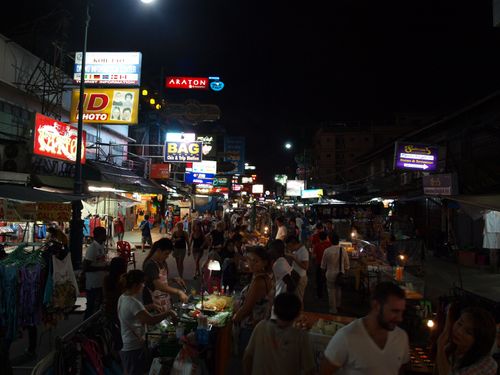
Bangkok’s backpacker carnival: curbside bars, live bands and DJs from 3pm–2am (midnight Sun). Street eats are cheap — pad thai 70–100 THB, mango sticky rice 60–100 THB. Come for wild people-watching; duck into Rambuttri for a calmer beer.
Wat Phra Chetuphon Wimon Mangkhalaram Rajwaramahawihan
Temples
Wat Arun Ratchawararam Ratchawaramahawihan
Temples
Recommended Products
More Khao San Road Guides
- What to Pack for Thailand for Heat, Humidity, and Mosquito Protection: Backpacker Essentials That Actually Help
- Backpacker Packing List for Thailand: Security Gear for Hostels, Buses, and Day Trips
- Backpacker Packing List for Thailand: Security, Organization, and Bag Setup for Moving Around Safely
- Backpacker Packing List for Thailand’s Remote Temple and Village Visits: Modest Clothing, Insect Protection, and Small-Day-Bag Essentials