
Bangkok Street Food for Vegetarians: What to Order Near Khao San Road and the Old Town
Our insider guide to vegetarian street food in Bangkok—what to order, where to find jay stalls near Khao San and Old Town, and the Thai phrases that work.
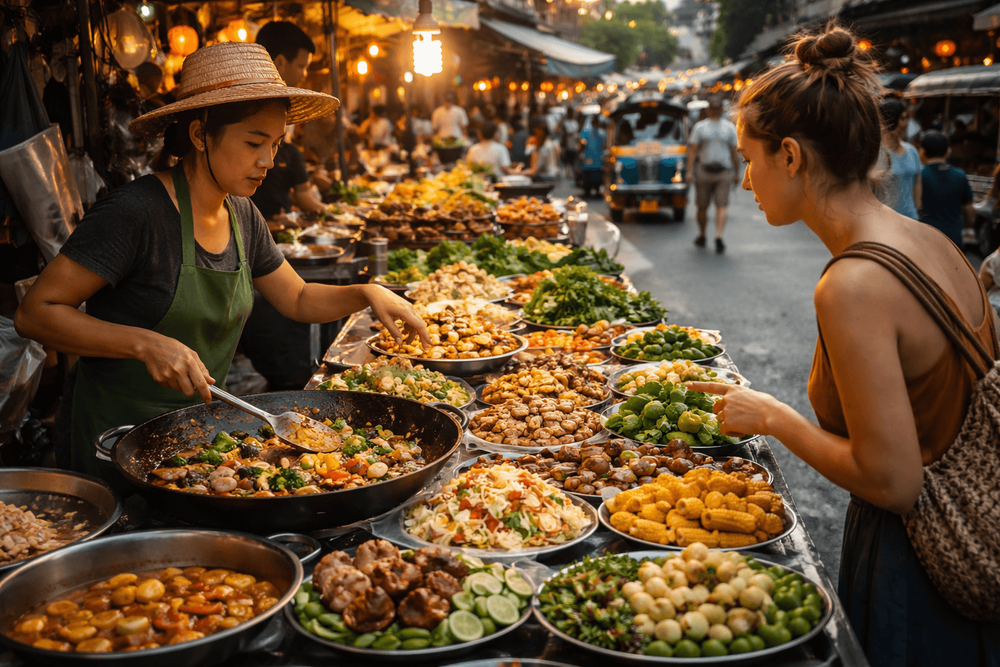
We’re shoulder-to-shoulder on Thanon Ram Buttri Night Market, a few steps from the thump of bass on Khao San Road, watching a wok flare like a street-side firework. Garlic hits hot oil, chilies sting the eyes, and the vendor tosses in tofu and morning glory with wrist-flick grace. If you’ve been hunting for vegetarian street food Bangkok style—flavor-packed, fast, and wallet-friendly—you’re in exactly the right part of town.
Data Freshness + Pricing:
- Prices are approximate and in THB.
- Last checked: July 2026.
- Happy hour and promo details change frequently—confirm locally.
Vegetarian street food Bangkok: the best meatless dishes to hunt down
Let’s get you fed first. The beauty of Bangkok’s streets is that many classic dishes can be made jay (Buddhist vegan) or mangsawirat (vegetarian). You just have to ask. Expect most plates to run approx. 50–100 THB from carts and shophouses in Banglamphu and Old Town.
- Pad Thai jay: Ask for tofu instead of shrimp and “mai sai nam pla” (no fish sauce). A good plate around The Local Khaosan Bangkok is sweet-sour, smoky, and approx. 60–90 THB.
- Pad see ew or pad kee mao (drunken noodles) with tofu: Big chewy rice noodles, Chinese broccoli, charred edges. Remember “mai sai nam man hoi” (no oyster sauce). Approx. 60–100 THB.
- Som tam thai (papaya salad): Say “mai sai nam pla, mai ao pla ra” to dodge fish sauce and fermented fish. Spice to taste—“pet nit noi” (a little spicy). Approx. 40–80 THB.
- Khao pad pak (veg fried rice) with tofu or egg: Easy win if you add “jay” or “mangsawirat.” Ask again for no fish/oyster sauce. Approx. 50–90 THB.
- Pad krapao het/tao hoo (holy basil with mushrooms/tofu): Tell them “mai sai nam pla, mai sai nam man hoi.” Served over rice with or without a fried egg. Approx. 60–100 THB.
- Gaeng jeud tofu (clear soup): Light veggie broth, tofu, cabbage, glass noodles. Confirm it’s “nam soup phak” (vegetable stock). Approx. 50–80 THB.
- Tom yum het or tom kha het (mushroom versions): Tart, herby, coconut-creamy if you choose tom kha. Say no fish sauce. Approx. 80–150 THB depending on portion and shop.
- Thai curries: Green, red, or massaman can be vegetarian if they’re made without shrimp paste and with veg stock—ask “mai sai kapi, mai sai nam pla.” Look for stalls that display a yellow jay sign for best luck. Approx. 60–120 THB over rice.
- Stir-fried morning glory (pad pak boong): Crisp, garlicky, full of wok smoke—just nix the fish and oyster sauce. Approx. 50–90 THB.
- Roti banana or roti with condensed milk: Street dessert classic. Vegetarian (contains dairy and often egg in the dough). Approx. 30–60 THB.
- Mango sticky rice: Coconut milk, sticky rice, ripe mango. Vegetarian and typically vegan. Approx. 60–120 THB depending on season.
- Spring rolls (poh pia tod): Often stuffed with cabbage and glass noodles—check they don’t add minced pork. Approx. 40–70 THB.
- Snacks and breakfast: Fresh fruit (20–60 THB a bag), grilled corn (30–50 THB), soy milk (nam tao hoo, 10–20 THB), and Chinese-style donuts (patongko) for dipping.
If you’re staying around Khao San, we’ve rounded up more meatless picks and how to order them here: Vegetarian and Vegan Street Food in Bangkok: What to Eat Around Khao San Road.
Where to find vegetarian street food near Khao San and the Old Town
Banglamphu (Khao San, Soi Rambuttri, Phra Athit Road)
- Morning to late night, this area is stacked with wok carts, noodle shophouses, and fruit sellers. The sois off Soi Rambuttri have fried rice and pad thai stands happy to go jay on request. Along Phra Athit Road, students from nearby Thammasat keep veggie-friendly stalls busy.
- Expect pad thai or fried rice at approx. 50–90 THB, noodle soups approx. 50–80 THB.
Phra Athit Pier to Tha Prachan
- Walk the riverfront and cut inland. University canteens and alleyway curry stalls often display the yellow jay flag (red Thai text on yellow) year-round. Lunchtime is prime.
Rattanakosin (Old Town: around the River View Resort At Chaewlan, Sanam Luang, and the Wat Saket Ratchawora Mahawihan)
- Around Wat Bowonniwetwiharn Ratchaworawiharn and the lanes toward the Golden Mount, you’ll spot mixed rice (khao rad gaeng) vendors with trays of veg curries. Look for tofu and pumpkin curries; ask your questions before they ladle. Prices approx. 40–60 THB per veg dish over rice.
Chinatown (Yaowarat Chinatown Heritage Center and around Wat Mangkon Kamalawat (Wat Leng Noei Yi))
- The motherlode during the Vegetarian Festival (more on that below), but even outside festival season, you’ll find tofu stir-fries, sesame buns, soy milk, and veg noodle soups around Soi Plaeng Nam and Mangkon Road. MRT Wat Mangkon drops you right in the action. Street plates approx. 50–100 THB.
Silom and Sri Maha Mariamman Temple (Wat Khaek)
- Around Pan Road and the Hindu temple, pure-veg Indian eateries and snack carts do dosa, samosa, and thali-style plates. It’s not Thai per se, but it’s some of the easiest vegetarian street food in Bangkok. Snack plates approx. 30–80 THB; larger meals 100–180 THB.
Markets worth a detour
- Pak Khlong Talat (Flower Market) (Flower Market): Open late, with nighttime fruit vendors, sticky rice stands, and a few curry counters. A cool walk from the Old Town along the river. Fruit and snacks approx. 20–80 THB.
- Chatuchak Weekend Market: In the food zones, look for stalls with tofu stir-fries and veg curries—lots of choice if you ask clearly. Dishes approx. 60–120 THB.
- Or Tor Kor Market: Cleaner, pricier produce market opposite Chatuchak with immaculate fruit and polished food court stalls. Worth it if you’re picky; plates approx. 80–150 THB.
If you’re bouncing between night bites and day temples, we often base ourselves in a simple guesthouse off Soi Rambuttri—you can walk to a dozen jay-friendly stalls in flip-flops, crash, then repeat. Pools help when the afternoon heat turns the soi into a skillet.
How to spot truly vegetarian (jay) food—and what to avoid
You’ll see two important terms in the wild:
- Jay (เจ): Stricter Buddhist vegan. No meat, seafood, dairy, eggs, or pungent alliums (garlic, onions, chives, spring onion, leeks). Look for the yellow flag with red lettering or the Chinese character 齋.
- Mangsawirat (มังสวิรัติ): Vegetarian. Usually allows eggs/dairy, and many cooks will still default to fish sauce unless you say otherwise.
Hidden non-veg landmines to watch for:
- Nam pla (fish sauce)
- Nam man hoi (oyster sauce)
- Kapi (shrimp paste) in curry pastes and chili dips
- Dried shrimp (kung haeng) in som tam and fried rice
- Meat-based stocks (often pork or chicken) in noodle soups
- “RosDee”/seasoning powders (pong churot), which can contain meat flavorings
Visual cues:
- Yellow jay flags on stalls during festival time—and at some year-round vegetarian kitchens.
- Pre-made curry trays: spot tofu, mushrooms, pumpkin, bamboo shoots; ask “jay mai?” before they serve over rice.
- Noodle vendors with tofu and mock meats displayed—still confirm the broth: “nam soup phak mai?”
Useful Thai phrases for vegetarian ordering
Keep it simple, smile, and speak slowly. Pointing helps. Here are the phrases we actually use:
- “Gin jay” = I eat jay (Buddhist vegan)
- “Chan/Phom gin mangsawirat” = I (female/male) eat vegetarian
- “Mai sai nam pla” = No fish sauce
- “Mai sai nam man hoi” = No oyster sauce
- “Mai sai kapi” = No shrimp paste
- “Mai sai kung haeng” = No dried shrimp
- “Nam soup phak mai?” = Is the broth vegetable?
- “Mai sai kai” = No egg
- “Mai pet / pet nit noi” = Not spicy / a little spicy
- “Song krataa mai dai mai?” = Can you use a new pan/wok? (If cross-contamination worries you)
If you’re managing multiple dietary needs (vegan, halal, gluten-free), we keep a deeper list of phrases and ordering strategies here: Bangkok Street Food for Dietary Restrictions: Vegetarian, Vegan, Halal, and Gluten-Free Options.
Eat well, stay safe: spice, stock, and cross-contamination
- Broths and curries: The number-one slip-up is animal stock. If you’re eyeing noodle soup, ask first about the broth—many bases are pork or chicken. Plenty of vendors are happy to swap in veggie broth or serve your noodles “haeng” (dry) with soy and chili on top.
- Sauce swaps: Soy sauce (see ew khao) is typically fine for vegetarians. Oyster and fish sauce are not. If the cook grabs a big brown bottle, don’t be shy—“mai sai nam man hoi, mai sai nam pla.”
- Spice management: Thai chilies are tiny napalm. “Mai pet” gets you mild; “pet nit noi” is a little spicy. You can always add prik nam pla (chili-vinegar mix) at the table—just skip it if it’s fish-sauce based.
- Cross-contamination: On busy carts, meats and veg share woks and ladles. If you’re strict, ask for a clean pan or for your dish first thing while it’s quieter. The phrase “song krataa mai” can help; pointing to a clean pan works wonders.
- Allergies and additives: Some seasoning powders pack surprise animal flavors or shellfish elements. If you have allergies, this guide helps you plan scripts and backups: Bangkok Street Food for Travelers with Allergies: What to Order, What to Avoid, and How to Ask for Changes.
- Street smarts: If a stall smells off, looks grimy, or the wok oil is dark and tired, move on. We trust our noses and the turnover—busy carts mean fresher food.
For budgeting a veg feast (50, 100, 200 THB kind of night), we’ve broken down real street prices here: Bangkok Street Food by Budget: What to Eat for 50, 100, and 200 Baht.
Seasonal and festival-only vegetarian goodness
The Tesagan Gin Jay (Vegetarian Festival) hits Bangkok for nine days around late September or October (dates shift with the lunar calendar). It turns entire streets—especially in Chinatown—into plant-based playgrounds.
What changes during the festival:
- Yellow flags everywhere: Stalls pop up with the jay emblem, meaning no meat, seafood, dairy, eggs, or pungent alliums. Even sauces and oils follow jay rules.
- Mock-meat mayhem: Skewers of soy-based satay, crispy “duck,” char siu-style gluten roasts, and deep-fried everything. Expect 20–40 THB per skewer, 60–120 THB for rice plates.
- Noodle bowls and congee: Vegetarian tom yum with mushrooms, khanom jeen with jay curry, and congee (jok) with tofu/shiitake. Bowls approx. 40–80 THB.
- Sweets and soy: Fresh soy milk with black jelly, sesame balls, herbal drinks. 10–40 THB per cup/snack.
Where to go for the festival:
- Chinatown Bangkok (Yaowarat) Road and side sois (Soi Plaeng Nam, Mangkon Road): The densest cluster of jay stalls. MRT Wat Mangkon drops you at the door.
- Around major Chinese shrines in Old Town: Lanterns, incense, and snack tents appear near shrines—follow the smoke and drums.
Pro tips for the festival:
- Go early evening before it’s shoulder-to-shoulder. Cash is king; bring small bills.
- Some jay food skips garlic/onion, so flavors can be subtler. Pile on chili-vinegar, soy, and pickles at the condiment stations.
- Prices perk up slightly during the festival (still great value). Assume approx. +10–20 THB over usual.
Know before you go: getting around and timing
- Getting to Khao San/Banglamphu: The easiest sanuk way is the Chao Phraya Express Boat to Phra Arthit Pier, then a 5–10 minute walk to Soi Rambuttri and Khao San. Taxis and tuk-tuks can be hot or pricey; agree on a fare first if it’s a tuk-tuk.
- Reaching Old Town sights: From Khao San, the The Grand Palace and Sanam Luang are walkable in the morning cool. The Golden Mount (Wat Saket) is a sweaty but satisfying climb; hit the noodle stalls at the base after.
- Chinatown: MRT Wat Mangkon drops you right on Yaowarat. Go at sunset for neon, then graze until you can’t.
- Silom/Wat Khaek: BTS Sala Daeng or Chong Nonsi, then stroll to Pan Road and the Sri Maha Mariamman Temple area for Indian veggie carts.
- When to eat: Breakfast soy milk and patongko kick off around sunrise. Lunch rush is 11:30–13:30. Dinner carts fire up from 17:00 and can run late, especially near Khao San.
A few reality checks (and how we deal)
- Heat and crowds: Bangkok is a steam room with scooters. We graze in short bursts, duck into 7-Eleven for an AC blast and a cold water (approx. 10–20 THB), then hit the next cart.
- Scams and tuk-tuk detours: If a driver insists a stall is “closed,” it probably isn’t. We smile, decline, and walk.
- Language gaps: Your best tools are a grin, a few phrases, and pointing at tofu/mushrooms. When in doubt, order something obviously plant-based (stir-fried morning glory, fried rice) and customize.
- Accommodation strategy: We like staying within a five-minute wander of Soi Rambuttri. You’ll have noodles at midnight, mango sticky rice for breakfast, and a quick escape back to the pool when the sun’s high.
Hungry now? Let’s start at Phra Athit Road at sunset—pad krapao het with a soft egg if you swing that way, a side of som tam sans fish sauce, and a bag of cut pineapple for the walk to the river. Tomorrow we’ll chase tofu satay in Yaowarat and finish on the Golden Mount stairs with coconut ice cream, watching Bangkok buzz beneath us.
Related Hotels & Places
Khao San Road
Attractions
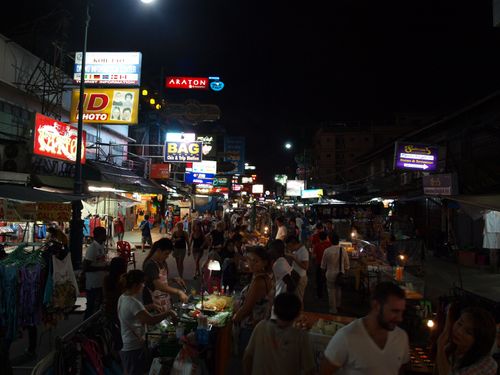
Bangkok’s backpacker carnival: curbside bars, live bands and DJs from 3pm–2am (midnight Sun). Street eats are cheap — pad thai 70–100 THB, mango sticky rice 60–100 THB. Come for wild people-watching; duck into Rambuttri for a calmer beer.
Thanon Ram Buttri Night Market
Markets
Laid‑back Rambuttri after dark: sizzling street food (50–80 THB), cold beers (80–120 THB), neon cocktail vans, live acoustic bars, and stalls of travel gear and hippie pants — a calmer pregame spot a minute from Khao San, best from sunset till late.
The Local Khaosan Bangkok
Hotels
A 3-star hotel in Bangkok.
Wat Bowonniwetwiharn Ratchaworawiharn
Temples
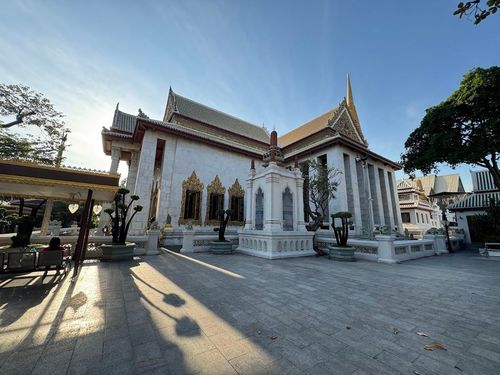
Royal monastery on Phra Sumen Rd, a short walk from Khao San. Home to the 14th‑century Phra Phuttha Chinnasi Buddha and a gleaming chedi. Quiet, photogenic grounds; best in the morning. Open daily 6:30am–4pm.
Wat Mangkon Kamalawat (Wat Leng Noei Yi)
Temples
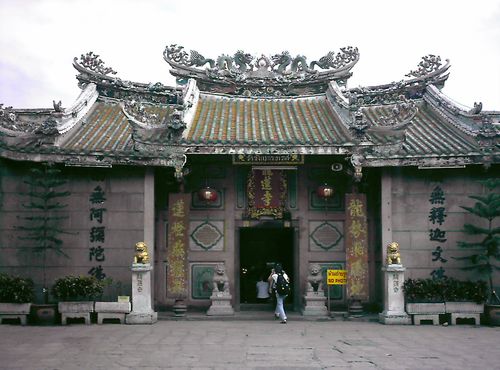
Chinatown’s grand Chinese Buddhist temple—smoky incense, red lanterns, and gilded altars. Free entry, donations welcome. Best early morning; electric during Lunar New Year and the Vegetarian Festival. Steps from MRT Wat Mangkon, 8am–5pm daily.
Yaowarat Chinatown Heritage Center
Attractions
Inside Wat Traimit by Chinatown Gate, this tidy museum charts Yaowarat’s Chinese roots with bilingual displays, period photos and short films. Open Tue–Sun 8:30am–4:30pm; closed Mon. Pair it with the Golden Buddha upstairs.
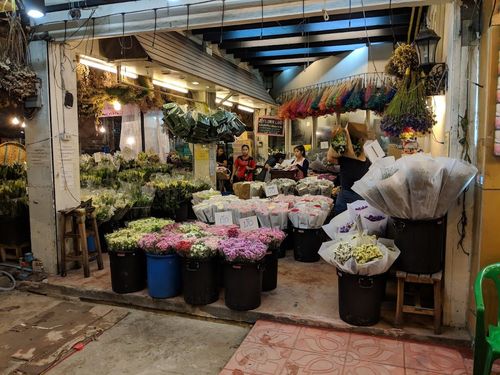
Pak Khlong Talat (Flower Market)
Markets
Bangkok’s 24‑hour flower market by Memorial Bridge. Best after midnight when trucks unload orchids, marigolds, roses and fragrant jasmine garlands. Photogenic, lively, and easy to reach from Khao San for a late‑night wander.
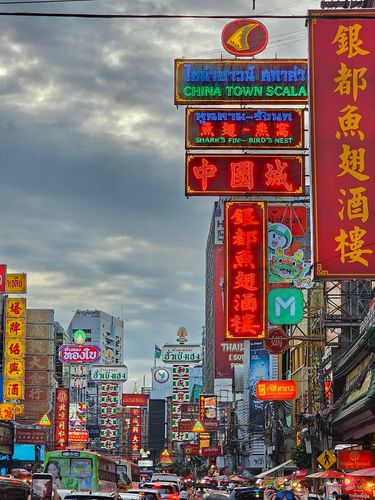
Chinatown Bangkok (Yaowarat)
Attractions
Neon, woks, and queues: Yaowarat is Bangkok’s street‑food strip. Start at Wat Mangkon MRT, graze T&K Seafood and Nai Ek’s peppery guay jub, snag toasted buns, and finish with mango sago at Sweet Time. Best 6pm–late; ~10‑minute taxi from Khao San.
River View Resort At Chaewlan
Hotels
Great care is taken to ensure guests experience comfort through top-notch services and amenities. Remain linked during your visit by utilizing the complimentary internet access available.
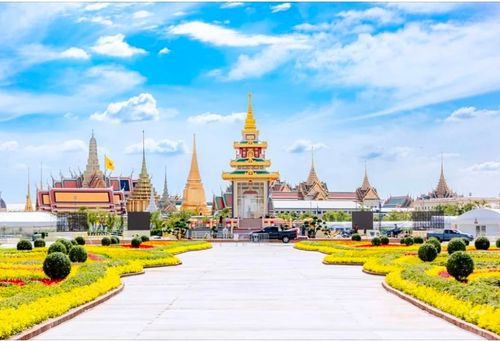
Sanam Luang
Attractions
Bangkok’s royal lawn facing the Grand Palace. Free to wander, ringed by tamarind trees, popular for kite flying (Feb–Apr) and lazy green‑space hangs. A 10‑minute walk from Khao San; come early for soft light and street snacks along Na Phra That Rd.
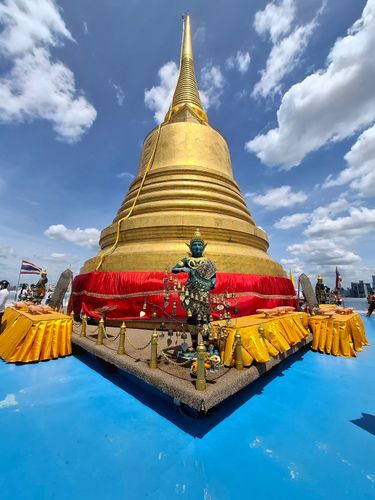
Wat Saket Ratchawora Mahawihan
Temples
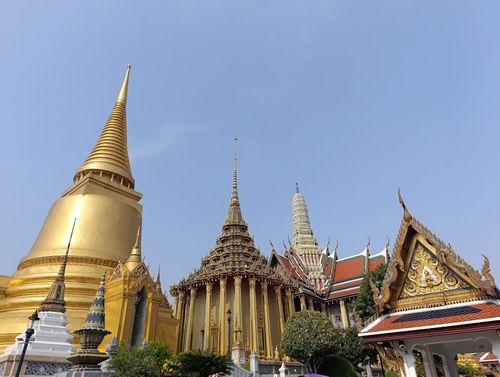
The Grand Palace
Attractions
Bangkok’s royal showpiece a short hop from Khao San: glittering Wat Phra Kaew, Ramakien murals, and gold-on-gold rooftops. Go 8:30am to dodge the heat, dress modestly, and boat to Tha Chang for the prettiest arrival.
More Khao San Road Guides
- Bangkok Street Food for Vegetarians and Vegans Near Khao San Road
- Bangkok Street Food for Vegetarians and Vegans: What to Order Near Khao San Road
- Bangkok Street Food for Vegetarians Near Khao San Road: What to Eat and Where to Find It
- Bangkok Street Food for Vegetarians and Vegans Near Khao San Road: Safe Orders, Hidden Ingredients, and Easy Stall Picks