
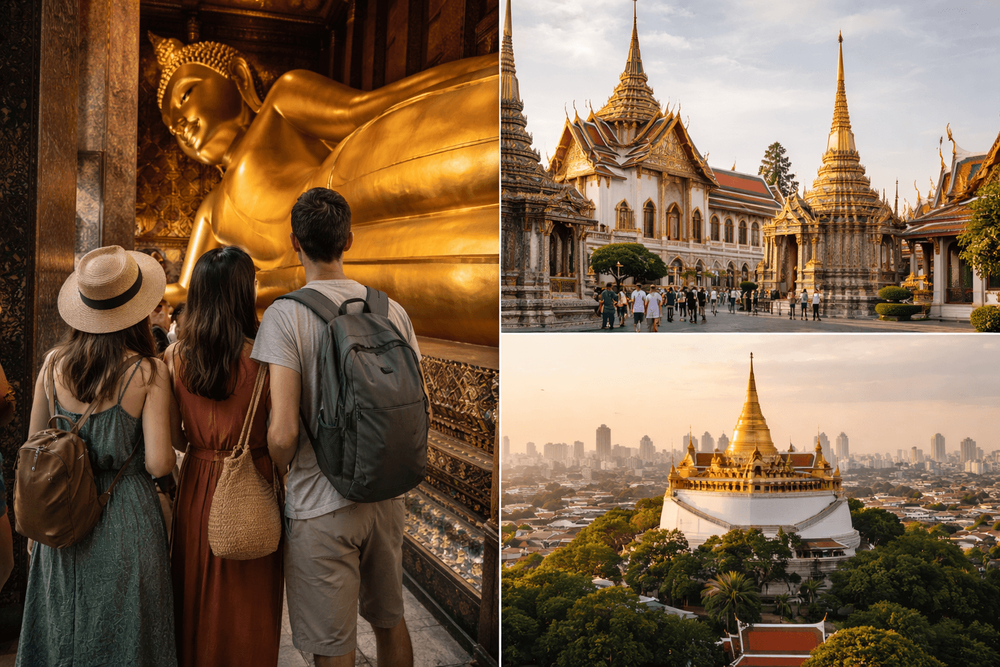
Bangkok Temple Run for Art and Architecture Lovers: What to Notice at Wat Pho, the Grand Palace, and Golden Mount
A design-lover’s temple run through Wat Pho, the Grand Palace, and Golden Mount—how to read roofs, spires, and murals, with respectful tips and real-world hacks.
We step off Soi Rambuttri into the morning—incense curling up, sandals squeaking on wet stone, a monk’s saffron robe flashing like a flag in the heat—ready to turn a basic temple hop into a full-on Bangkok temple architecture guide. We’re here for the details: the knife-edge rooflines, the glass mosaics that throw sunlight like confetti, the yaksha demon guardians staring us down as if we owe them lunch money. If you’ve ever squinted at a glittering chedi and wondered what it actually means, this is our run.
Data Freshness + Pricing:
- Prices are approximate and in THB.
- Last checked: June 2026.
- Happy hour and promo details change frequently—confirm locally.
Bangkok Temple Architecture Guide: What to Notice First
Bangkok’s wats (temples) are like compressed encyclopedias—religion, monarchy, myth, and craftsmanship stuffed into a single courtyard. Before we geek out at Wat Pho, the Grand Palace (Wat Phra Kaew), and Golden Mount (Wat Saket), let’s set our eyes to “architect mode.”
The Layout: Reading a Wat Like a Map
- Ubosot (ordination hall): The holiest building, where monks take vows. Look for boundary markers—semi-buried sema stones—that “seal” sacred space.
- Wihan (assembly hall): Where big Buddha images and rituals happen for the public. Often less restricted than the ubosot.
- Chedi/Stupa: The reliquary spire. Shapes vary (bell, inverted-bell, or angular). Think of it as a cosmic antenna linking ground to sky.
- Prang: Khmer-style tower, usually corncob-shaped, loaded with stucco figures. Wat Arun Ratchawararam Ratchawaramahawihan is the city’s poster child.
- Mondop: Square pavilion with a steep, pyramidal roof—often for scriptures or relics.
- Cloister/Gallery (phra rabiang): A roofed walkway lined with Buddha images, framing the main courtyard like a picture.
Pro tip: Start with a slow clockwise lap (sunwise) around the main courtyard—Buddhist sites often read best in that flow.
Rooflines and Gable Drama
- Multi-tiered roofs signal status. More tiers = more importance (and more shade—practical sanuk).
- Chofah: The birdlike finial at the roof peak—imagine a stylized garuda or swan’s head. It’s meant to spear evil right out of the sky.
- Bai raka and hang hong: Serrated “naga rib” eaves and sweeping finials that look like fishhooks—movement frozen in wood.
- Tiles: Glazed terracotta in mango-green, flame-orange, and egg-yolk yellow. Catch them in early sun and they glow like hard candy.
Spires: Reading Lineage by Silhouette
- Sri Lankan bell-shaped chedi: Clean, curving; purity and stillness.
- Ayutthaya-style chedi: Slender, stacked rings; looks like a rocket mid-launch.
- Prang (Khmer influence): Vertical punch; guardian deities tucked into niches. Feels ancient, earthy.
- Prasat: Multi-spired form linked to palatial or cosmic symbolism—Mount Meru in architectural cosplay.
Murals, Guardians, and Storytelling
- Ramakien murals (Thai Ramayana): Epic battles and jungle scenes circling a cloister like a graphic novel on lacquer.
- Jataka tales: Buddha’s past lives, tucked into quieter chapels—look for moral beats and animal cameos.
- Guardians: Yaksha demons at gates, kinnari (bird-women) and garuda emblems. It’s the court of myth keeping watch over the sacred.
Materials: Bangkok’s Glitter Isn’t Random
- Glass mosaic (kruang khruaeng): Tiny tiles that smash sunlight into stars.
- Gold leaf and lacquer: Fragile, constant-restoration territory—respect the no-touch zones.
- Stucco reliefs: White-on-white florals and scrolls—Ayutthaya DNA shining through.
- Chinese porcelain: Upcycled bowls, plates, tea-set shards pressed into floral patterns—evidence of 19th-century trade.
- Mother-of-pearl inlay: Doors and pulpits that look like night skies.
- Benjarong tiles: Five-color ceramics with aristocratic swagger.
Influences and Symbolism: Why These Temples Look the Way They Do
Bangkok didn’t sprout from a vacuum. The capital shifted here in 1782 after Ayutthaya’s fall, and the new Rattanakosin court rewrote the skyline with royal budgets and obsessive craft.
Cosmology Under the Sun
Buddhist layout mirrors the universe: the main chedi as Mount Meru, the axis mundi. Lotus motifs (purity rising from muck), naga serpents (protection and water), and garuda (royal power) aren’t just décor—they’re a theology lesson you can walk through.
Influences Layered Like a Roof
- Khmer prangs travel from Angkor-era DNA.
- Sri Lankan stupas arrive via Theravada ties.
- Chinese porcelain mosaics hitch a ride on junk boats up the Chao Phraya, getting immortalized in floral swirls.
- Ayutthaya’s proportions and stucco finesse survive the sack, reimagined in Bangkok’s shinier palette.
Royal Hands All Over
The Chakri dynasty turns temples into statecraft. Court artisans calibrate every tier and chofah, and the King still presides over the seasonal robe-changing rite of the Emerald Buddha. Even the Garuda emblem stamped around palace gates says, “This is royal ground—mind your manners.”
Where to See It: Bangkok Temples by Style and Era
We’ll stick to three heavy-hitters for our temple run, with a couple of side quests if we have the legs.
The Grand Palace & Wat Phra Kaew (Temple of the Emerald Buddha)
- Why we go: It’s the Vatican-meets-court-drama of Thai architecture. You come for the Emerald Buddha’s sanctity, stay for the encyclopedic details.
- What to notice:
- Phra Si Rattana Chedi: Bell-shaped, gold-plated—Sri Lankan silhouette in Thai gold.
- Prang and mondop mix: Khmer towers shoulder next to crisp, jewel-box pavilions.
- Cloister murals: The Ramakien story wraps the courtyard in a riot of armies, forests, and monkey generals. Check the perspective tricks and landscape layering.
- Yaksha at the gates: Their colors and crowns are a crash course in courtly hierarchy.
- Practical bits:
- Entry: approx 500–600 THB. Tickets sold on-site at official counters only—ignore the “palace closed” scam outside the walls.
- Hours: approx 8:30–15:30 daily; last entry cuts early on some ceremony days.
- Photos: No photography inside the Emerald Buddha hall. Shoulders and knees covered (sarongs for rent on-site, approx 50–100 THB deposit).
- Crowd hack: Be at the gate before opening, or go just after lunch when tour buses peel off.
- Route note: From Khao San Road, we can wander down Phra Athit Road to the river breeze, then cut across Sanam Luang. Or take a short tuk-tuk (approx 80–150 THB) if the sun bites.
For dress specifics and what not to wear, keep this handy: Bangkok Temple Run Ticket and Dress Code Guide: Fees, Passes, and What to Wear for Wat Pho, Grand Palace, and Golden Mount.
Wat Pho (Temple of the Reclining Buddha)
- Why we go: It’s a masterclass in Rattanakosin color and proportion, plus the country’s oldest public education project hidden in plain sight.
- What to notice:
- Reclining Buddha: 46 meters of gold leaf serenity. Don’t miss the soles—mother-of-pearl inlay mapping auspicious symbols.
- Phra Maha Chedi Si Rajakarn: Four tiled stupas dedicated to Rama I–IV. Each chedi has its own colorway—floral porcelain petals cling like spring.
- Cloisters: Long galleries of seated Buddhas, each a slightly different face—restored over centuries.
- Epigraphy walls: Marble plaques and diagrams of Thai traditional medicine and massage—literal textbook walls.
- Practical bits:
- Entry: approx 200 THB.
- Hours: approx 8:00–18:30.
- Photos: Allowed in most areas; no flash near delicate murals; keep voices low.
- Soundtrack: The clink of donation bowls as we walk the length of the Reclining Buddha—metronomic, soothing.
- Nearby fuel: Street carts on Soi Chetuphon throw down crisp pork and iced Thai tea (approx 25–40 THB)—exactly what we need when the heat tries to turn us into farang curry.
Golden Mount (Wat Saket)
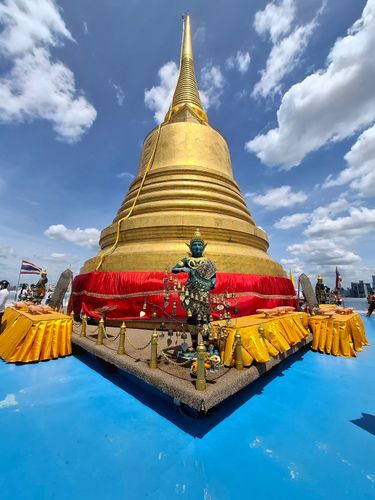
- Why we go: It’s the city’s slow breath. We climb the spiral ramp, brushing past prayer bells and misting fans, then pop up into a 360-degree skyline with a golden chedi gleaming like a beacon.
- What to notice:
- The hill itself: An artificial mound built over an aborted chedi project from the early Rattanakosin era—Bangkok turned a structural headache into a sacred mountain.
- Chedi form: Simpler, cleaner lines than the palace—monastic hush instead of royal theater.
- Details: Rows of bells and bronze gongs, shrines tucked into alcoves, wind-whipped prayer flags.
- Practical bits:
- Entry: approx 50–100 THB.
- Hours: approx 7:00–19:00; evening light is magic.
- Getting there from Wat Pho: Walkable if we love heat (30–40 min), or hop a canal boat (khlong) on Saen Saep to Phanfa Pier (approx 10–14 THB) for a breezy approach.
If you want a deeper dive on the climb and etiquette, bookmark: Golden Mount Bangkok Guide from Khao San Road: Climb, Views & Temple Etiquette.
Side Quests for Style Hunters
- Wat Arun: The porcelain-prang queen across the river—Chinese ceramics turning sunlight into a lingerie of light. Ferry from Tha Tien (approx 5 THB).
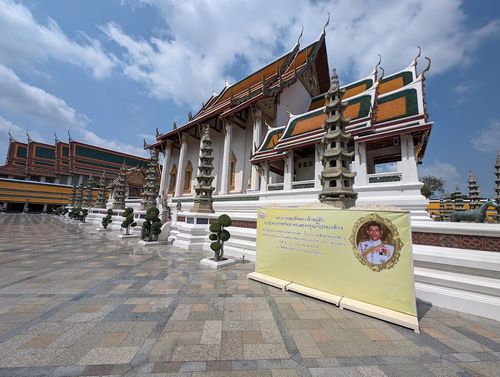
- Wat Suthat Thepwararam Ratchaworamahawihan & the Giant Swing: Marble floors and massive wihan; outside, the red Teak swing frame where Brahmin ceremonies once took place.
- Wat Benchamabophit (Marble Temple): Italian Carrara grace with Thai bones—late-19th-century fusion at its most photogenic.
- Loha Prasat (Wat Ratchanatdaram): The “Metal Castle” spire forest near Golden Mount—an angular meditation on repetition and void.
How to Look Like an Architect: Field Tips for Your Temple Run
We’re chasing details, not just ticking boxes. Here’s how we make it sing.
Timing, Flow, and Getting Around
- Start early: We like a 7:30 sawadee to the street vendors, then Grand Palace gate by 8:20. The air is cooler, the glare softer, the photos kinder. Need a playbook? See: Bangkok Temple Morning Guide from Khao San Road: Best Start Times, Dress Codes, and Queue-Saving Tips.
- Route that saves your feet: Grand Palace → Wat Pho → ferry or canal hop → Golden Mount. For stitching them neatly, we’ve mapped strategy here: Grand Palace to Golden Mount: How to Connect Bangkok’s Top Temples in One Smooth Day.
- Boats beat traffic: Chao Phraya Express boat (orange flag) runs approx 16–20 THB per ride; hop off at Tha Chang for the palace, Tha Tien for Wat Pho. From Khao San, Phra Athit pier is our breezy launchpad.
- Tuk-tuks are fun but negotiate first: Short hops around Rattanakosin should be approx 80–150 THB; if a driver pitches a gem shop, smile and bail.
Dress, Conduct, and Sanuk-with-Respect
- Cover shoulders and knees; avoid ripped denim and sheer fabrics. Thin travel pants + light scarf = happy guards, happy us. For tickets and dress nitty-gritty: Bangkok Temple Run Ticket and Dress Code Guide: Fees, Passes, and What to Wear for Wat Pho, Grand Palace, and Golden Mount.
- Shoes off at thresholds; feet never point at Buddha images. Sit side-saddle if we need to rest.
- Monks first: Offer your seat, keep distance; women don’t touch monks—hand items via a neutral surface.
- No-touch art: Murals, doors, and inlays are fragile. We carry our curiosity in our eyes, not our hands.
Photography Without Being That Person
- Golden hour rules: Early at the Palace for warm gold; late at Golden Mount for skyline silhouettes.
- Lenses: A 24–70mm covers gables-to-guardians; a 70–200mm snipes chofah and mosaic detail without climbing on things we shouldn’t.
- Tripods: Often restricted. Monopods and bean bags are friendlier; lean on a cloister pillar shadow instead.
- Signs decide: Some ubosots ban photography; Emerald Buddha hall is a hard no. When in doubt, ask or follow the crowd’s cameras (or lack thereof).
What to Hunt For On-Site
- Sema stones: Little boundary markers—sometimes lotus-bud shaped—around the ubosot. They define the holiest footprint.
- Eaves hardware: Naga-scale bai raka patterning like a serrated wave.
- Craft seams: Where stucco meets porcelain or glass—spot restoration joins and workshop styles.
- Gable panels: Wood or gilt reliefs packed with lotus, kinaree, or Garuda emblems—mini-mythology lessons.
- Floor changes: Marble to terracotta can signal a shift from royal to monastic zones.
- Sound cues: The scatter of bells on Golden Mount, the clink of alms bowls at Wat Pho—architecture has a soundtrack here.
Heat, Hydration, and the 7‑Eleven Lifeline
- Water is cheaper at 7‑Eleven (approx 10–20 THB). The blast of AC is a bonus mercy.
- Sun armor: Hat, sunscreen, and light sleeves. We chase shade lines like we’re playing temple Tetris.
- Breaks with purpose: Duck into the National Museum side lanes or a leafy soi off Phra Athit for a caffeine reset (iced coffee approx 40–60 THB).
How Bangkok’s Temples Reflect Thailand
Royal Theaters, Monastic Quiet
Bangkok’s big complexes are royal statements dressed as sacred spaces—status in tiers, gilding, and procession axes. Step into a side wihan or a small ordination hall, and the volume drops. The same city that throws Songkran water fights does deep silence just as well.
Trade Routes in Porcelain and Stucco
Those china-plate blossoms on Wat Arun and the multi-colored chedi skins at Wat Pho? That’s the Chao Phraya telling its trade story—Chinese ceramics pulled from ship ballast and reborn as floral spirals. Stucco scrolling climbs walls with Ayutthaya DNA, while gold-leaf lacquer reads pure Rattanakosin courtly flair.
Buddhism, Everyday Life, and the Long Game
Theravada practice threads through it all—merit-making bowls at Wat Pho, the bell chorus on Golden Mount, amulet stalls whispering promises along Bamrung Mueang Road. The architecture is a textbook for ethics and cosmology, but also a stage for daily kindness, jokes, and the all-important concept of sanuk—joy in the doing.
A City’s Mirror
Bangkok grows upward and outward, yet the temples hold the plan. Walls and moats from the old city grid still shape traffic and festivals; klongs slice neighborhoods with breezes and shortcuts. Restoration plaques and fresh gold leaf show a living tradition—not a museum, but a workshop that never quite clocks out.
Know Before You Go
- Money: Bring small bills. Entrance fees run approx 50–600 THB. Donations help keep the gold on; we drop coins where we can.
- Scams: Outside the Grand Palace, anyone saying “closed—special holiday” is selling tuk-tuk tours. The palace almost never closes fully. Stick to official signs.
- Accessibility: Courtyards are flat; ubosot entrances often have steps. Midday heat is the real barrier—pace ourselves.
- Restrooms: Usually inside temple grounds, sometimes a small donation box (approx 5–10 THB).
- Temple pass rumors: Bundles come and go—if you’re optimizing multiple entries, read this first: Temple Pass Tips for Bangkok: Tickets, Dress Rules, and Queue Strategy for Wat Pho, the Grand Palace, and Golden Mount.
If we want to string the day just right—Grand Palace glitter to Wat Pho color to Golden Mount breeze—use this connective play: Grand Palace to Golden Mount: How to Connect Bangkok’s Top Temples in One Smooth Day.
Where We Crash Between Temples
We usually base ourselves near Khao San and Phra Athit so dawn walks to the river feel doable and late-night noodle runs are a two-minute stumble. Look for a spot with shade, a quiet soi, and, if the budget allows, a pool—Bangkok’s heat respects a quick dip.

Step out at sunset onto Golden Mount’s terrace, bells chiming us into blue hour, the city softening into neon. Then we’ll slide down the spiral, catch the tuk-tuk breeze back toward Phra Athit, and finish with boat noodles so peppery they sting in the best way. Tomorrow, we can do it again—different soi, same sparkle.
Related Hotels & Places
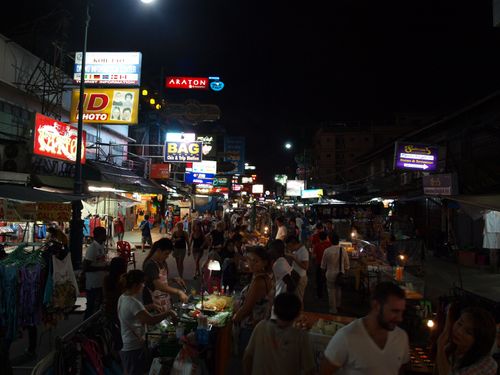
Khao San Road
Attractions
Bangkok’s backpacker carnival: curbside bars, live bands and DJs from 3pm–2am (midnight Sun). Street eats are cheap — pad thai 70–100 THB, mango sticky rice 60–100 THB. Come for wild people-watching; duck into Rambuttri for a calmer beer.
Wat
Temples
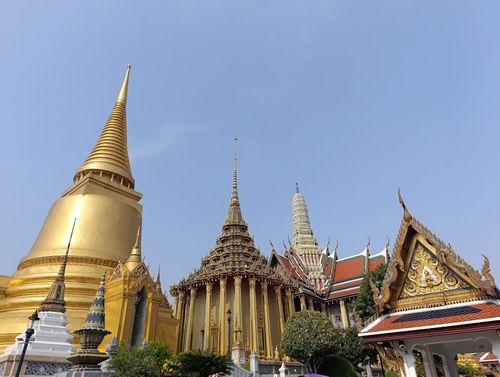
The Grand Palace
Attractions
Bangkok’s royal showpiece a short hop from Khao San: glittering Wat Phra Kaew, Ramakien murals, and gold-on-gold rooftops. Go 8:30am to dodge the heat, dress modestly, and boat to Tha Chang for the prettiest arrival.
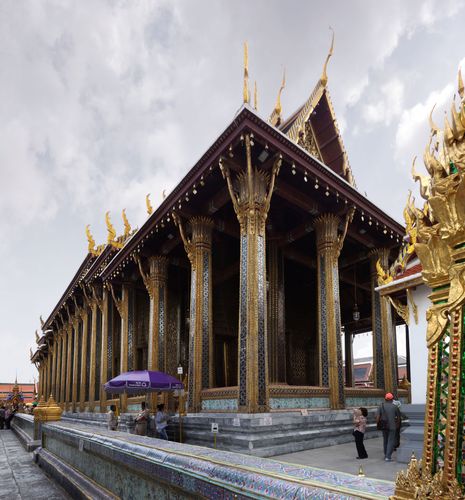
Wat Phra Kaew
Temples
Bangkok’s holiest temple inside the Grand Palace. Go early (8:30am–3:30pm). Buy the 500 THB ticket at Na Phra Lan Rd gate. Dress code enforced. Marvel at Ramakien murals and the tiny Emerald Buddha whose robes change with the seasons. 10–15 minutes’ walk from Khao San.
Wat Saket Ratchawora Mahawihan
Temples
Wat Arun Ratchawararam Ratchawaramahawihan
Temples
Wat Suthat Thepwararam Ratchaworamahawihan
Temples
Serene counterpart to the Giant Swing: a soaring hall, Sukhothai‑era 8 m bronze Buddha, and some of Bangkok’s finest murals. An easy 15‑minute walk from Khao San; open daily till 8pm for golden‑hour visits.
Sanam Luang
Attractions
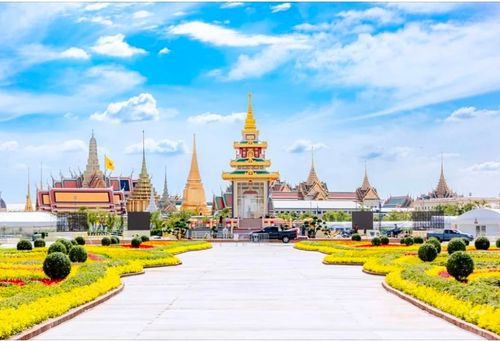
Bangkok’s royal lawn facing the Grand Palace. Free to wander, ringed by tamarind trees, popular for kite flying (Feb–Apr) and lazy green‑space hangs. A 10‑minute walk from Khao San; come early for soft light and street snacks along Na Phra That Rd.
Recommended Products
More Khao San Road Guides
- Bangkok Temple Run for Art and Architecture Lovers: Reading the Details at Wat Pho, the Grand Palace, and Golden Mount
- Bangkok Temple Run for History Lovers: What to See in Each Stop at Wat Pho, the Grand Palace, and Golden Mount
- Bangkok Temple Run for Culture and History Fans: What to See at Wat Pho, the Grand Palace, and Golden Mount
- Bangkok Temple Run for First-Time Visitors: What to See First at Wat Pho, the Grand Palace, and Golden Mount