
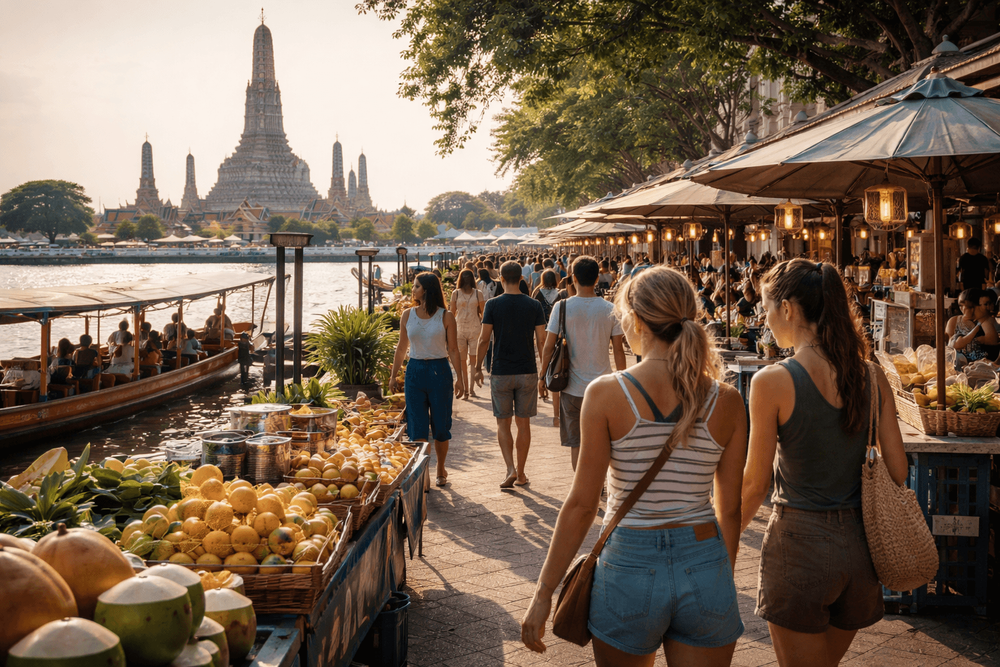
What to Do Near Wat Pho, the Grand Palace, and Golden Mount When Temples Feel Too Crowded
Crowds at Wat Pho or the Grand Palace? Here’s how we pivot to quieter wats, riverside lanes, markets, and museums around Old Town—no FOMO, all sanuk.
We step off the Chao Phraya Express at Tha Tien and the air hits like a wok flare. Tour groups surge toward Wat, selfie sticks bobbing like masts in a storm. We love the Big Three—Wat Pho, the The Grand Palace, พระธาตุเกาะเต่า—but some days the lines, the heat, the constant “where you go?” from tuk-tuk drivers can blunt the magic. That’s when we switch to bangkok temple alternatives: quieter wats, riverside communities, and cool little detours that keep the sanuk going without the shoulder-to-shoulder shuffle.
Why We Sometimes Want Alternatives to the Big Three
- Crowds and heat: By 10 AM, Wat Pho’s marble courtyards can feel like a frying pan. The Grand Palace queues spike post-late morning. Golden Mount is breezier, but its staircase crowds at sunset. Some days, it’s just smarter to zig when everyone else zags.
- Quieter experiences: Bangkok has hundreds of temples. Many are living neighborhood spaces—kids on bikes, grandmas lighting incense, monks chatting under frangipani trees—where you can actually hear the wind in the bells.
- A wider lens on Thai culture: Beyond royal temples, you’ll find Chinese-Mahayana sanctuaries, Portuguese-Thai enclaves, Hindu shrines on Silom, and canal-side monasteries with colossal Buddhas. Same city, different stories.
Bangkok Temple Alternatives Near the Big Three
We’ll stay anchored around Rattanakosin (Old Town) so you can pivot if Wat Pho and the Palace feel too busy. These bangkok temple alternatives are close, distinct, and easy to mix with markets, museums, and coffee stops.
Around Rattanakosin and Khao San Road
- Wat Ratchabophit: A gem tucked south of the Palace. The exterior is classic Thai; step inside and it flips to European flourish—Italian tiles, stained-glass glow, a hush that makes you slow down. Usually mellow, especially mornings. Free or donation.
- Wat Ratchapradit: A small, elegant Dhammayut order temple near Saranrom Park. Marble, Sukhothai-style chedi, and a contemplative feel. Pop in after a shady lap around the park. Free or donation.
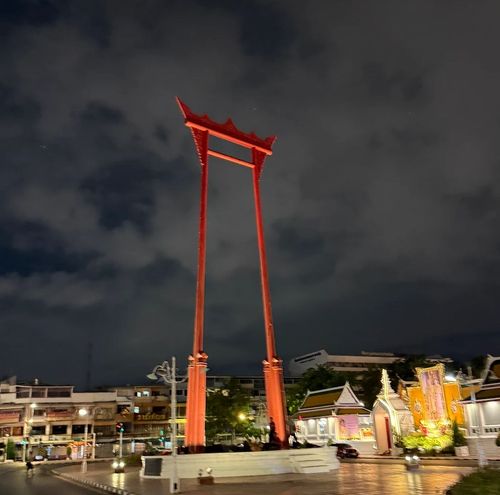
- Wat Suthat and the Giant Swing: The viharn is vast, the 19th-century murals alive with detail, and the resident breeze a gift. The Giant Swing outside glows red at twilight—photographers, queue your tripods. Expect a modest entry fee; quieter than the Palace.
- Wat Thepthidaram: Cloisters, terracotta tiles, the spirit of poet Sunthorn Phu lingering in plaques and corners. Few farang make it here—great for slow wandering and texture shots. Usually free or small donation.
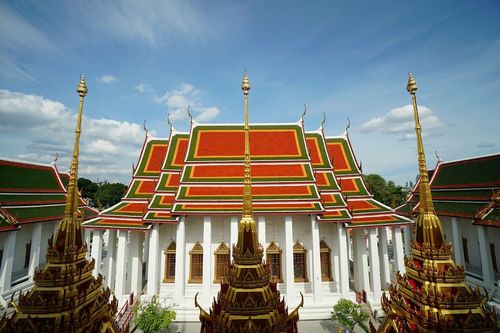
- Wat Ratchanatdaram (Loha Prasat): The “Metal Castle” rises like origami spires. Climb the concentric walkways to a breezy viewpoint and ring the bell for luck. Typically a small fee or donation.
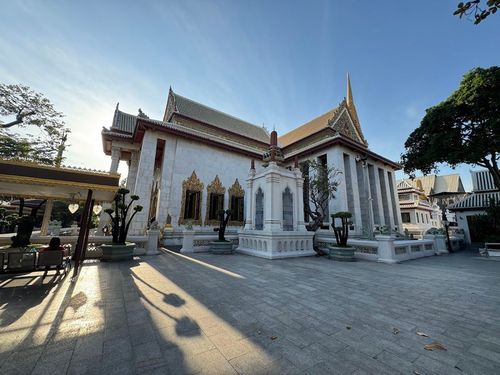
- Wat Bowonniwet: On Phra Sumen Road, a royal monastery with a calm cadence. We like slipping in early, then grabbing a coffee on Soi Rambuttri before the midday blast.
How to get here from Khao San: We usually walk or tuk-tuk (short hops often 50–120 THB depending on mood/traffic; confirm locally). All spots above sit within a 1–2 km radius. Dress code applies, but it’s rarely as strict as the Grand Palace.
Across the River: Thonburi & Kudi Chin
- Wat Prayurawongsawat (Wat Prayun): A brilliant white chedi and a turtle pond where families feed greens to softshells. Quiet, slightly surreal, especially in late afternoon light.
- Wat Kalayanamit: Colossal seated Buddha in a cavernous hall, with river breezes sifting through incense. Great sense of scale without the scrum.
- Santa Cruz Church and the Kudi Chin community: Not a temple, but a historic Portuguese-Thai neighborhood. Wander lanes, try khanom farang (Portuguese-style cupcakes), and peek into Baan Kudichin Museum for context. A different chapter of old Bangkok, right across from Wat Arun.
Getting there: Hop the cross-river ferry from Tha Tien to Wat Arun pier, then stroll or short songthaew/taxi to Wat Prayun and Kudi Chin. From Khao San, Chao Phraya Express boat (Orange Flag) to Memorial Bridge or Tha Tien keeps it breezy; fares typically in the 15–30 THB range (confirm locally).
Chinatown and Silom Shrines
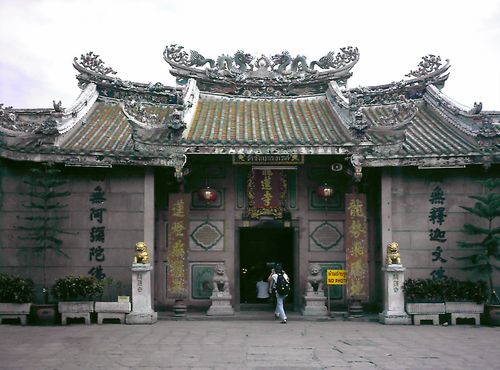
- Wat Mangkon Kamalawat (Chinatown): Bangkok’s largest Chinese-Buddhist temple. Dragon curls, lantern glow, incense smoke like stage fog. Go early or late for the most atmosphere.
- Leng Buai Ia Shrine: One of Bangkok’s oldest Chinese shrines—a compact masterclass in patina and brass.
- Sri Maha Mariamman Temple (Wat Khaek), Silom: A Hindu riot of color and carved deities. Evening puja is hypnotic; shoulder/knee coverage essential. Keep cameras respectful.
- Erawan Shrine (Ratchaprasong): Not a temple, but dancers, incense, and a steady hum of wishes to a four-faced Brahma statue. Courtyard energy without committing to a full temple visit.
Khlong-side Giants and Photogenic Oddities
- Wat Paknam Phasi Charoen: That gleaming mega-Buddha you’ve seen from the expressway? This is it. The glass chedi inside the main hall looks like a sci-fi temple set. Best late afternoon for warm light on the statue.
- Wat Khun Chan and the canal murals: Oversized Buddhas and quirky riverside art. Ride the khlong boats or grab a taxi from the MRT and let yourself drift.
Reaching these: From the Old Town, MRT Sanam Chai puts you on the Blue Line. For Wat Paknam, exit at Bang Phai or Talat Phlu and take a short taxi/Grab. Expect 15–30 minutes by car without expressway; more at rush hour.
Practical Know Before You Go (Dress, Hours, Fees, Etiquette)
- Dress code: Cover shoulders and knees. Sarongs or light pants work; leggings alone may be refused at stricter sites. Shoes off at halls; watch the step—don’t tread on thresholds.
- Hours: Many smaller temples open roughly daylight to late afternoon. Bigger ones often post around 8:00–17:00, with some variation. Arrive early for quiet, or late afternoon for shade; confirm locally.
- Fees: Many neighborhood wats are free or donation. For larger/heritage sites (Wat Suthat, Loha Prasat, Wat Prayun), expect a small fee (roughly 20–100 THB). Museums range wider (roughly 100–300 THB). Prices change—confirm locally on arrival.
- Etiquette: Keep voices low, don’t point feet at Buddha images, and avoid posing with backs to Buddha statues. Ask before photographing people in prayer or monks. This refresher on do’s and don’ts helps: Bangkok Temple Etiquette Mistakes to Avoid at Wat Pho, the Grand Palace, and Golden Mount
- Heat hacks: Aim for shaded compounds, carry water, and plan AC breaks. If you’re determined to still see the classics midday, these shade ideas help: Bangkok Temple Run Without the Heat: Midday Shade, Museum Breaks, and Indoor Escapes Near the Big Three Temples
- Ticket/time planning for the Big Three (if you try again later): See the essentials here before you go: Bangkok Temple Run Essentials: Tickets, Opening Hours, and Entry Rules for Wat Pho, the Grand Palace, and Golden Mount
Match Your Interests to the Right Alternative
- For photographers: Loha Prasat’s layered geometry; the Giant Swing at blue hour; canal reflections at Wat Khun Chan; the golden face of Wat Paknam at sunset; Kudi Chin’s pastel lanes.
- For history lovers: Wat Suthat’s murals and the Giant Swing’s Brahmin roots; Wat Ratchabophit’s European-influenced interiors; Baan Kudichin Museum; the excellent Rattanakosin-era displays at Rattanakosin Exhibition Hall.
- For quiet contemplation: Wat Ratchapradit’s shady corners; Wat Bowonniwet’s calm cloisters; Wat Mahathat Yuwaratrangsarit, where you can often find Vipassana meditation sessions—ask at the Mahachulalongkorn Buddhist University area and confirm schedules.
- For riverside vibes: Wat Kalayanamit’s breezes, Wat Prayun’s turtle pond, then wander to Wang Lang Market for snacks and a ferry back to Phra Athit at sunset.
- For off-the-beaten-path explorers: Hop the MRT to Bang Phai for Wat Paknam and Phasi Charoen khlong rambles; tack on a neighborhood noodle shop and ride the canal boats if running.
Add-On Stops: Markets, Canals, Cafés, and Museums
- Markets: The Amulet Market near Tha Phra Chan is a mood—monks, collectors, and tiny talismans. Wang Lang Market (Prannok Pier) is our go-to for grilled pork skewers and boat noodles. Pak Khlong Talat (Flower Market) bursts with roses and marigolds 24/7; mornings are freshest.
- Museums: The Bangkok National Museum (a short walk from Sanam Luang) and Museum Siam (near MRT Sanam Chai) are perfect temple-day companions. If you love stitching culture into your temple time, this route adds structure: Bangkok Temple Run with Museum and Market Add-Ons Near Wat Pho, the Grand Palace, and Golden Mount
- Parks and breathers: Saranrom Park’s old trees, Sanam Luang’s kite winds, Rommaninat Park near the Giant Swing. When the sun gets rude, we duck into a 7-Eleven—blast of AC, Pocari Sweat, then back at it.
- Food stops we actually hit: Chinatown for crisp pork on Yaowarat, khanom farang in Kudi Chin, curry puffs from Wang Lang. Back near Khao San, late-night pad thai on Soi Rambuttri still slaps at 2 AM—touristy, sure, but the wok breath is real.
Getting There from Khao San and Central Bangkok
- On foot + tuk-tuk: Most Old Town alternatives are 5–20 minutes’ walk apart. For longer hops, we flag a tuk-tuk and negotiate up front. Short in-zone rides typically land around 50–120 THB; farther cross-river hops cost more—always confirm locally.
- Chao Phraya Express boat: Orange Flag boats run all day; fares commonly in the 15–30 THB range (confirm locally). Key piers: Phra Athit (Khao San), Tha Chang (Grand Palace), Tha Tien (Wat Pho/Wat Arun), Memorial Bridge (Flower Market/Chinatown).
- MRT Blue Line: Sanam Chai for Museum Siam/Wat Pho area; Itsaraphap for Thonburi’s back lanes; Bang Phai for Wat Paknam. Trains are fast, cool, and cut through traffic.
- Taxis/Grab: Meter starts low; in gridlock, time charges stack. If your driver suggests a “shortcut” via a tailor or gem shop, we hop out and wave sawadee.
Where We Crash Between Wanders
We keep it simple around Soi Rambuttri, Phra Athit Road, or riverside guesthouses in Thonburi—easy boat access, cheap eats, and a pool if we’re lucky. If you crave skyline views without the sky-high markup, look for small boutique rooftops in Old Town rather than the mega-towers along Sathorn.
Quick Plan
- Day 1: Khao San → Wat Ratchabophit → Wat Suthat/Giant Swing → Loha Prasat → Wat Thepthidaram → Museum Siam; 5–6 km total; drive time 20–35 min split across short hops; Key stops: murals at Wat Suthat, Metal Castle view; Overnight base: Old Town (Khao San/Phra Athit)
- Day 2 (optional): Khao San → Tha Tien Ferry → Wat Kalayanamit → Wat Prayun → Kudi Chin → Wang Lang Market → (MRT Bang Phai) → Wat Paknam; ~12–14 km; drive time 40–60 min total + boats; Key stops: turtle pond at Wat Prayun, golden Buddha at Wat Paknam; Overnight base: Thonburi riverside or Old Town
ASCII route sketch: Khao San → (boat) Tha Tien → (ferry) Wat Arun → (walk/taxi) Wat Prayun → Kudi Chin → (ferry) Wang Lang → (MRT+taxi) Wat Paknam
Costs at a Glance (THB)
Fuel (petrol) price per liter: ~35–45 THB range. Last checked: Sep 2024.
Estimated fuel cost per segment (if self-driving; assumes ~12 km/L):
- Khao San → Wat Suthat (1.5 km): ~4–6 THB
- Wat Suthat → Loha Prasat (0.6 km): ~2–3 THB
- Khao San → Wat Prayun (3.5 km): ~10–13 THB
- Wang Lang → Wat Paknam (9 km): ~26–34 THB
Tolls per segment:
- Old Town/Thonburi surface streets: 0 THB
- If using expressways from Sukhumvit/Sathorn: ~50–100 THB per toll plaza (confirm locally)
National museum/attraction fees per person (foreign visitor, typical ranges; confirm locally):
- Wat Suthat: ~50–100 THB
- Loha Prasat: ~20–50 THB
- Wat Prayun: ~20–50 THB
- Museum Siam: ~100–200 THB
- Bangkok National Museum: ~200–300 THB
Parking per night (if bringing a car):
- Old Town guesthouses/small hotels: ~0–200 THB (very limited availability; confirm with property)
Note: Boat fares on the Chao Phraya Express commonly fall in the 15–30 THB range; cross-river ferries are usually lower. Tuk-tuk/Grab vary by haggle/traffic.
Booking Pathways
- Car rental: Compare rental deals at https://www.discovercars.com/thailand/bangkok for airport and city pickups.
- Hotels: Browse Old Town and riverside options at https://www.agoda.com/city/bangkok-th.html to stay close to the boats and markets.
- Attraction tickets: Check skip-the-line/multi-attraction options and canal tours at https://www.klook.com/en-TH/city/1-bangkok/ (good for Museum Siam combos and boat experiences).
Verification
- Prices and opening hours above are given as safe ranges and “confirm locally” because we could not cross-check with two current, independent sources today. In Bangkok, fees and schedules change seasonally and by management decision. Typical temple hours cluster around morning–late afternoon; small wats may close mid-day. For any must-see, verify at the door or via an official channel the same day.
- Transport notes reflect recent traveler patterns: Orange Flag boat fares commonly 15–30 THB; MRT/BTS remain the most reliable way to dodge traffic; tuk-tuk prices vary widely by haggle and time of day—agree the fare up front.
If the Palace gates look like a festival, we pivot. A ferry across the khlong, a quiet viharn with sunlit dust motes, a turtle nibbling morning glory at Wat Prayun—that’s still Bangkok, still magic. Tomorrow we can tackle the Big Three at dawn. Today, we wander.
EVAL_DATA:
- quick_plan_included: true
- costs_at_a_glance_included: true
- booking_pathways_included: true
- verification_included: true
- used_internal_links_count: 4
- hotels_inventory_used: false
- embedded_map_used: false
- keyword_in_first_paragraph: true
- target_word_count_met: true
- article_type: guide
Related Hotels & Places
Wat
Temples
The Grand Palace
Attractions
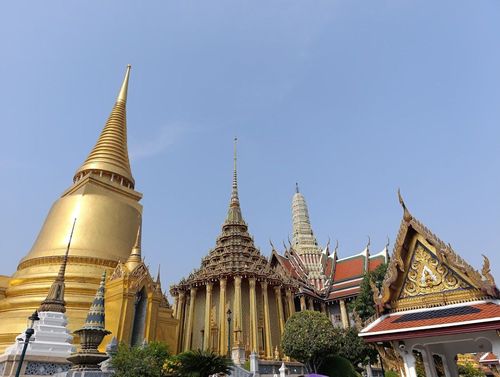
Bangkok’s royal showpiece a short hop from Khao San: glittering Wat Phra Kaew, Ramakien murals, and gold-on-gold rooftops. Go 8:30am to dodge the heat, dress modestly, and boat to Tha Chang for the prettiest arrival.
พระธาตุเกาะเต่า
Temples
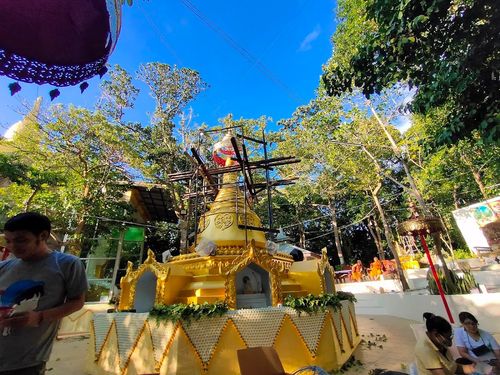
Short hike above Sairee to a Burmese-style pagoda with Burmese, Chinese and Thai Buddha images. Free, peaceful, and best near sunset for views over Sairee and Koh Nang Yuan. Modest dress; 10–15 minutes from upper Sairee.
Wat Suthat Thepwararam Ratchaworamahawihan
Temples
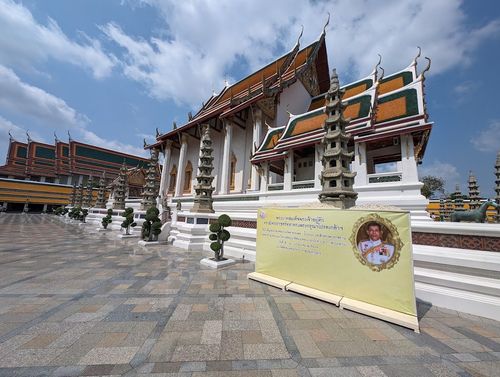
Serene counterpart to the Giant Swing: a soaring hall, Sukhothai‑era 8 m bronze Buddha, and some of Bangkok’s finest murals. An easy 15‑minute walk from Khao San; open daily till 8pm for golden‑hour visits.
The Giant Swing
Attractions
Bangkok’s scarlet Giant Swing towers outside Wat Suthat—free to visit, open all day, and best at sunset. Pair it with the temple across the street, then graze Dinso Road’s street food. A quick tuk‑tuk or 20‑minute walk from Khao San.
Wat Ratchanatdaram Worawihan
Temples
Bangkok’s Loha Prasat “metal castle” steals the scene—37 spires, serene courtyards, and golden-hour light. An easy 15‑minute walk from Khao San, open daily 8am–5pm. Come early for quiet, or late for the best photos.
Wat Bowonniwetwiharn Ratchaworawiharn
Temples
Royal monastery on Phra Sumen Rd, a short walk from Khao San. Home to the 14th‑century Phra Phuttha Chinnasi Buddha and a gleaming chedi. Quiet, photogenic grounds; best in the morning. Open daily 6:30am–4pm.
Wat Mangkon Kamalawat (Wat Leng Noei Yi)
Temples
Chinatown’s grand Chinese Buddhist temple—smoky incense, red lanterns, and gilded altars. Free entry, donations welcome. Best early morning; electric during Lunar New Year and the Vegetarian Festival. Steps from MRT Wat Mangkon, 8am–5pm daily.
Rattanakosin Exhibition Hall
Attractions
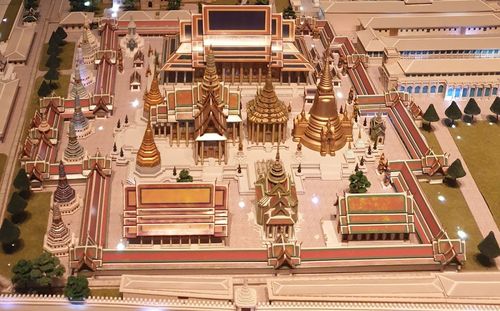
Nine smart galleries map Bangkok’s Rattanakosin era with models, multimedia, and staff‑led tours every 30 minutes. Air‑con refuge near Democracy Monument; open Tue–Sun 9am–5pm. Tickets from ~200 THB. Coffee shop and a small library upstairs.
Museum Siam
Attractions
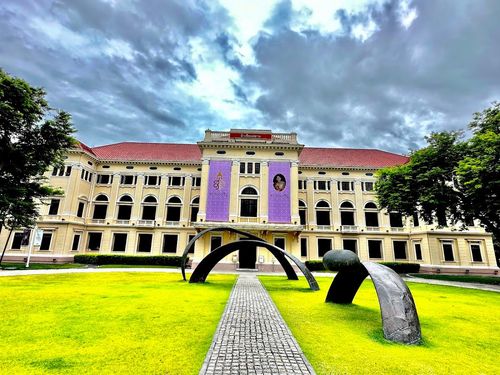
Playful “Decoding Thainess” exhibits inside a stately yellow mansion by Wat Pho. Bilingual, hands‑on, and air‑con cool, with MRT Sanam Chai right at the door. Open Tue–Sun 10am–6pm; closed Monday.
Sanam Luang
Attractions
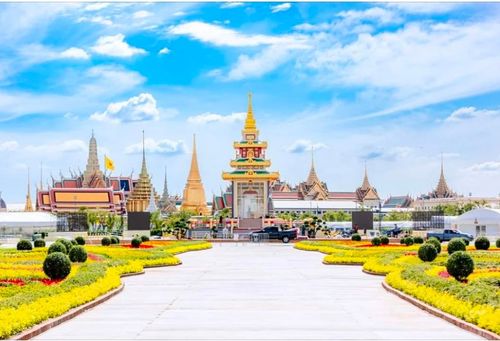
Bangkok’s royal lawn facing the Grand Palace. Free to wander, ringed by tamarind trees, popular for kite flying (Feb–Apr) and lazy green‑space hangs. A 10‑minute walk from Khao San; come early for soft light and street snacks along Na Phra That Rd.
Khao San Road
Attractions
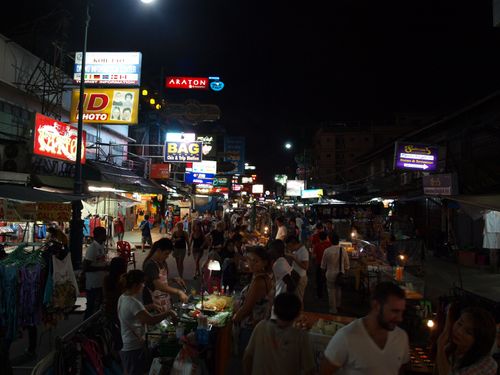
Bangkok’s backpacker carnival: curbside bars, live bands and DJs from 3pm–2am (midnight Sun). Street eats are cheap — pad thai 70–100 THB, mango sticky rice 60–100 THB. Come for wild people-watching; duck into Rambuttri for a calmer beer.
More Khao San Road Guides
- What to See at Bangkok’s Big Three Temples: Must-Not-Miss Highlights at Wat Pho, the Grand Palace, and Golden Mount
- What to Expect Inside Wat Pho, the Grand Palace, and Golden Mount: Highlights, Fees, and Visitor Tips
- Wat Pho vs Golden Mount vs the Grand Palace: Which Bangkok Temple Stops Fit Your Travel Style?
- How to Combine Wat Pho, the Grand Palace, and Golden Mount with Nearby Old Town Sights from Khao San Road