Bangkok Street Food Near Ferry Piers: Easy Local Eats by Phra Athit, Tha Chang, and the Chao Phraya River
Hop on/off the Chao Phraya to eat like a local at Phra Athit, Tha Chang, Wang Lang, and beyond. Pier-by-pier bites, best times, and how to get there.
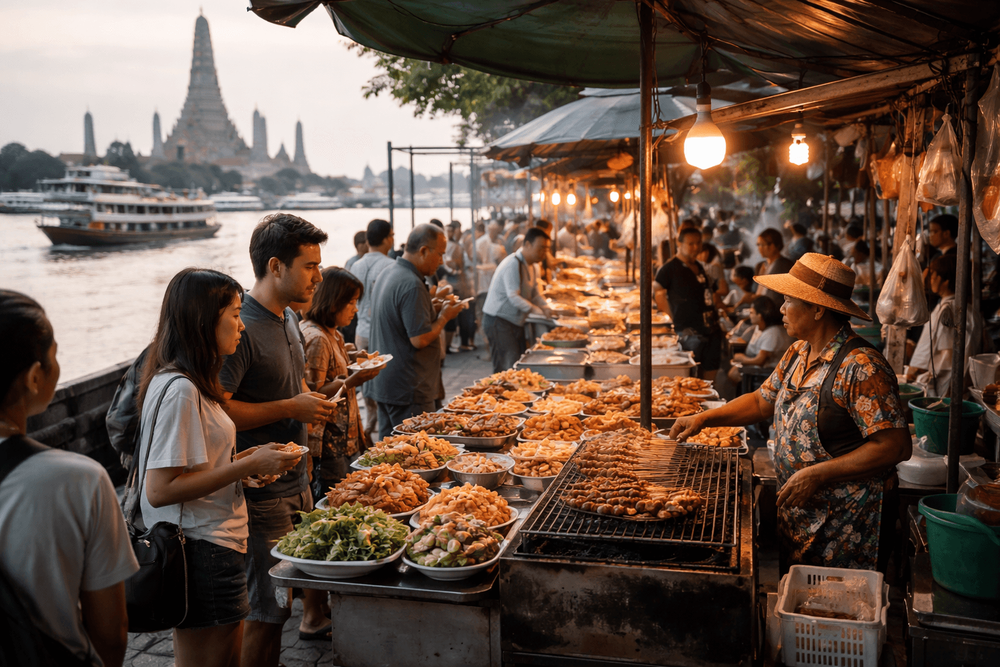
We step off the Chao Phraya boat at Phra Athit and the river air slaps us with a cool breeze and the smell of grilled pork fat. A wok hisses from a cart tucked beside a blue-painted shophouse, ice rattles in a stainless pitcher of cha yen, and the loudspeaker from the next pier barks something we half understand. This is the bangkok street food river scene—delicious, chaotic, and gloriously convenient. We’re eating our way from pier to pier.
Why the Chao Phraya is Street-Food Gold
The river is Bangkok’s original highway. Merchants, fishermen, monks, students—everyone funnels to the piers. Where people gather, snacks follow. That’s why you’ll find clusters of carts and hole-in-the-wall kitchens around Phra Athit, Tha Chang, Wang Lang, and Sathorn. You get two big wins here: food with a view and built-in transit. We hop on and off boats like they’re moving sidewalks, graze on skewers, slurp noodles, then glide downstream to the next round.
Expect a different flavor at each stop. Banglamphu’s Phra Athit hums with backpacker energy from Soi Rambuttri and Khao San. Tha Chang and Tha Tien feed temple-goers and office workers. Wang Lang is pure Thonburi local—hospital staff, students, aunties with market baskets. Sathorn drops us into Bang Rak, where old shophouses on Charoen Krung flip woks for the after-work crowd. Ratchawong gets us into Chinatown. And down by Memorial Bridge and Pak Khlong Talat (Flower Market), the Flower Market perfumes late-night noodle cravings.
For a deeper look at eating near must-see spots like the Wat Phra Kaew and Wat Phra Chetuphon Wimon Mangkhalaram Rajwaramahawihan, we’ve also mapped out bites in our landmark guide: Bangkok Street Food at Tourist Landmarks: What to Eat Near the Grand Palace, Wat Pho, and Along the River.
Bangkok Street Food River Hotspots by Pier
Phra Athit Pier (Banglamphu)
Step ashore and drift toward Phra Athit Road. The old teak houses and leafy lanes make this one of the gentlest arrivals in Bangkok. Carts lean into the student crowd from nearby Thammasat: moo ping (grilled pork skewers, 10–15 baht each) with sticky rice; boat noodles in peppery broth (40–60 baht); and banana roti drizzled with condensed milk (25–40 baht). We usually cut along the river park near Phra Sumen Fort for a breather, then backtrack to Soi Rambuttri when the snack alarm goes off—pad kra pao frying in woks, limey som tam slapped together to order.
- Best for: Easy first bites, mellow river vibe, hopping to Khao San by foot (10 minutes)
- Time it right: Late afternoon to evening for a breeze and fewer tour groups
We often base ourselves somewhere walkable here—simple guesthouses off Soi Rambuttri keep our noodle budget intact, and stumbling to the pier in the cool morning is a gift.
Tha Chang and Tha Tien (Grand Palace/Wat Pho)
These are temple-adjacent, so they hum from breakfast to late afternoon. Around Tha Chang’s old arcades, look for coconut ice cream in sanded-down coconuts (30–50 baht), grilled bananas lacquering over charcoal, and mango sticky rice that’s pricier than backstreets (80–150 baht) but reliable when you need a sugar reboot. At Tha Tien the wet-market DNA lingers—fried oysters in crispy hoy tod (80–120 baht), tom yum noodle soups, and khanom krok (coconut-rice pancakes) flipped on cast-iron pans.
- Cross-river tip: Catch the little ferry to Wat Arun Ratchawararam Ratchawaramahawihan for around 5–10 baht. Snack, ride, snap the spires, snack again.
- Watch for: Tuk-tuks with “special temple tour” pitches. Smile, wai, and keep walking.
If you’re planning to temple-hop and eat in one loop, we’ve got more routes and snack intel here: Bangkok Street Food at Tourist Landmarks: What to Eat Near the Grand Palace, Wat Pho, and Along the River.
Wang Lang Pier
Wang Lang is our weekday lunch crush. The lanes behind the pier burst with fried chicken crackle, grilled squid, curry rice stalls, and dessert shelves leaning under pandan jellies. Dive into khao kha moo (braised pork leg on rice, 50–70 baht), or slurp boat noodles by a fan that barely wins against the heat. If you spy a tiny wok hammering pad see ew with real wok hei, follow your nose.
- Best for: Midday grazing, cheap eats, people-watching hospital scrubs and students
- Time it right: 10:30–15:00 on weekdays—crowded but fast turnover; evenings are quieter with fewer stalls
On the Thonburi side, we like staying in low-key spots near the khlongs for slower mornings—strong coffee, a short hop to Wang Lang, and back in time for an afternoon nap.
Sathorn/Central Pier (Saphan Taksin) and Bang Rak
Hop off the BTS at Saphan Taksin, walk straight to the pier, and you’re smack in the overlap of skytrain and river. Bang Rak’s Charoen Krung Road has a worker-bee food rhythm: breakfast congee (30–50 baht), braised duck rice, peppery fish-ball noodles, and evening stalls for satay skewers (5–7 baht per stick) and gai yang (grilled chicken) with som tam and sticky rice.
- Best for: Seamless BTS-to-boat snacking, after-work street stalls, easy access to river ferries
- Time it right: 07:00–09:00 for breakfast carts; 18:00–21:00 for dinner rush and breezes
If you’re a transit nerd (we are), this hub is perfect. We stitched together a whole guide to eating by transit lines here: Bangkok Street Food Near Public Transit: Easy Eats by MRT, BTS, and River Boat.
Ratchawong Pier
Boat in, walk up to Yaowarat Road, and snack your way into the night. This is where peppery guay jub (rolled rice-noodle soup), oyster omelets, roast duck, and sticky-sweet chestnuts fight for attention with neon and sizzling woks. Prices drift up with the crowds—expect 60–120 baht for most plates, more for seafood.
- Best for: Night-eating theatre, endless choice, late closing times
- Time it right: After 18:00, later on weekends; bring patience and loose clothes
Memorial Bridge and Pak Khlong Talat (Flower Market)
Follow the scent of jasmine garlands and marigolds and you’ll find late-night eats that haven’t given up on the night. Under and around Memorial Bridge, carts sling pad kra pao cooked to order and peppery noodle soups to market workers and night-owl romantics hauling roses. Pak Khlong Talat is most alive after dark—grab a bowl, then wander the flower aisles for a midnight bloom high.
- Best for: Post-midnight bites, atmospheric wandering, cheap and cheerful
- Time it right: 22:00–03:00 for peak flower energy and simple rice-plate stalls
Charoen Nakhon/ICONSIAM Side
Yes, it’s glossy. Yes, there’s a mall. But the Thonburi riverbank hides heritage shophouse bites along Charoen Nakhon if you stretch your legs beyond the escalators. Think fish-ball skewers with sweet chili, Thai iced coffee (o-liang) in frosty metal cups, and crispy pork on rice.
- Best for: Easy river views, mixed modern/old-school options, family-friendly walks
- Time it right: Late afternoon into evening for sunset glare and a cooling breeze
For more neighborhood-by-neighborhood flavor across the riverfront, Banglamphu, Old Town, and Chinatown, this guide is your compass: Bangkok Street Food by Neighborhood: Where to Eat in Banglamphu, Old Town, Chinatown, and Riverside.
Signature Riverfront Bites and Sips
- Boat noodles: Dark, herbaceous broth with beef or pork, often a splash of nam tok richness. Small bowls mean you can try two. 40–60 baht.
- Moo ping + sticky rice: Sweet-salty, smoky skewers—the street breakfast of champions. 10–15 baht per skewer.
- Hoy tod: Crispy-edged oyster or mussel omelet; vinegar-chili dip cuts the richness. 80–120 baht.
- Kuay jub (Chinatown classic): Rolled rice noodles in peppery broth, with pork belly and tofu. 60–90 baht.
- Pla pao: Salt-crusted grilled fish stuffed with lemongrass, eaten riverside if you can snag a seat. 180–250 baht.
- Som tam + gai yang: Papaya salad thwacked in a mortar; pairing with grilled chicken and sticky rice is sanuk-level eating.
- Khanom krok: Little cups of coconut custard, crisp outside, molten inside. 20–30 baht for a set.
- Mango sticky rice: Ripe nam dok mai mango, warm coconut sticky rice, salty-sweet sauce. Prices vary widely near temples.
- Drinks: Cha yen (Thai iced tea), nam manao (lime soda), pomegranate juice near Grand Palace, herbal bael fruit tea (nam matoom). 25–60 baht.
When to Go: Food, Breeze, and Fewer Crowds
- Early morning (07:00–09:00): Congee, soy milk, moo ping, and fresh dough sticks. Cooler air, gentle light, monks on alms rounds near Old Town.
- Late morning to lunch (10:30–14:00): Wang Lang hits its stride; Tha Chang/Tha Tien are full swing with office and temple traffic.
- Golden hour to night (17:00–21:00): Best river breeze, more grills fired up. Chinatown starts glowing from Ratchawong upward.
- Late night (22:00–03:00): Memorial Bridge/Pak Khlong Talat earn their nocturnal stripes; some Chinatown stalls go late on weekends.
Avoid the high noon furnace unless you love eating soup while your sunglasses melt. If we must, we dart between shophouse arcades and the blessed blast of 7-Eleven AC breaks.
Getting There: Boat, BTS, MRT, Taxi, and On Foot
- Chao Phraya Express Boat: The orange-flag boats are our workhorse—cheap and frequent. Buy a ticket at the pier or onboard; keep small bills (fares are typically under 20 baht per ride). Tourist boats cost more but have clear English signage and announcements.
- BTS: Saphan Taksin Station drops you at the Central Pier. From there, hop upriver to Phra Athit, Tha Chang, or across to ICONSIAM/Charoen Nakhon.
- MRT: Sanam Chai gets you a short walk to Tha Tien and the Museum Siam area; Itsaraphap is handy for the Thonburi side, including Wat Arun and a short tuk-tuk or songthaew to Wang Lang.
- Cross-river ferries: Small local boats link Wat Arun–Tha Tien and other pairs for around 5–10 baht. Great views, zero hassle.
- Taxis and tuk-tuks: Useful for short hops, but insist on the meter for taxis and agree on a fair price before hopping into a tuk-tuk. Around the Grand Palace, the “closed temple” scam still circles—don’t bite.
- Walking links: From Phra Athit, Khao San and Soi Rambuttri are easy. From Tha Chang, the Grand Palace and Sanam Luang are a stroll. From Ratchawong, Yaowarat Road is a short straight shot.
If you’re planning to link eats with trains and boats like a pro, we put the pieces together here: Bangkok Street Food Near Public Transit: Easy Eats by MRT, BTS, and River Boat.
Practical Tips: Hygiene, Prices, Ordering, Cash, and Combining with Sightseeing
- Hygiene: Follow the crowd—high turnover means fresher food. Watch for carts frying or boiling to order. Skip seafood that’s been sitting. Bring tissues and hand gel.
- Pricing: Typical street plates run 40–100 baht; seafood and temple-adjacent sweets cost more. Ask the price before you order if you’re unsure. If a stall posts prices in Thai and English, you’re fine. If it doesn’t, just smile and ask: “tao rai khrap/ka?”
- Paying: Most carts are cash-first. Keep a pocket of 10s and 20s; big notes slow things down. Some vendors accept QR (PromptPay), but don’t rely on it.
- Ordering Thai that helps: “Mai phet” (not spicy), “phet nit noi” (a little spicy), “sai prik dai” (chili okay), “kin tiao” (to eat here), “ao klap baan” (to take away). Always toss in a polite “khrap” or “ka.”
- Heat strategy: Hydrate. Nam manao is our go-to. Duck into 7-Eleven for a minute of arctic air when you feel woozy. Wear light clothes; temples require covered shoulders and knees—carry a scarf or light pants.
- Mix food with sights:
- Phra Athit: Snack, then sunset at Phra Sumen Fort park.
- Tha Chang/Tha Tien: Breakfast near the pier, then Grand Palace and Wat Pho before the crowds, ferry to Wat Arun for photos, back for lunch.
- Wang Lang: Lunch crawl, then a museum hour at Siriraj Medical Museum (quirky and cool).
- Ratchawong: Early dinner in Chinatown, then boat back downriver under the lit bridges.
- Safety and sanity: Watch your bag in crowds. Boats can be jostly—step carefully, follow staff directions. If a price feels off, it’s okay to politely pass.
Where We Crash Near the River (Without the Markup)
We keep it simple around the river: in Banglamphu, budget guesthouses near Soi Rambuttri let us hit Phra Athit Pier before the heat. Across in Thonburi, small family-run stays near the khlongs give us market mornings and Wang Lang lunches. When we want a pool without five-star prices, we look at midrange riverside places in Bang Rak—close to Saphan Taksin and Charoen Krung eats, and the pool pays for itself every sticky afternoon. Book a spot that’s walkable to a pier and your whole trip picks up a sanuk rhythm.
Sample Eat-By-Boat Game Plan
- Morning: Ride to Tha Tien for khanom krok and iced coffee, cross to Wat Arun for quiet temple time.
- Late morning: Boat up to Wang Lang—fried chicken, curry rice, and a cheeky dessert.
- Afternoon siesta: Back to your room (we love a fan nap) or a shaded park bench at Phra Athit.
- Sunset: Phra Athit street snacks, stroll along Phra Sumen Fort, people-watch.
- Night: Boat to Ratchawong and walk Yaowarat—guay jub, oyster omelet, and herbal tea. Sail home under the bridges.
Final Bite
Meet us at the rail of the next orange-flag boat—wind in our faces, coins in our pocket, the river doing the hard work between courses. First stop, Phra Athit. We’ll chase wok smoke up the soi and let the Chao Phraya set the pace.
Related Hotels & Places
Khao San Road
Attractions
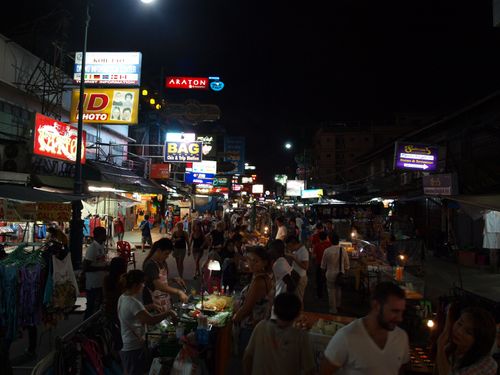
Bangkok’s backpacker carnival: curbside bars, live bands and DJs from 3pm–2am (midnight Sun). Street eats are cheap — pad thai 70–100 THB, mango sticky rice 60–100 THB. Come for wild people-watching; duck into Rambuttri for a calmer beer.
Wat Arun Ratchawararam Ratchawaramahawihan
Temples
Phra Sumen Fort
Attractions
1783 riverfront fort on Phra Athit with white battlements, park breezes, and killer sunset views over Rama VIII Bridge. Free entry; best from 5–7pm before the gates close at 9pm.
ICONSIAM
Shops
Riverfront mega-mall with SOOKSIAM’s indoor floating market, an evening fountain show on the promenade, and a riverside Apple Store with terrace views. Easy boat hop from Saphan Taksin; snacks from 50 THB, open daily 10am–10pm.
Pak Khlong Talat (Flower Market)
Markets
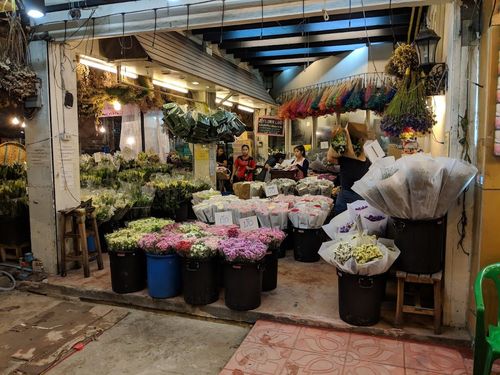
Bangkok’s 24‑hour flower market by Memorial Bridge. Best after midnight when trucks unload orchids, marigolds, roses and fragrant jasmine garlands. Photogenic, lively, and easy to reach from Khao San for a late‑night wander.
Wat Phra Kaew
Temples
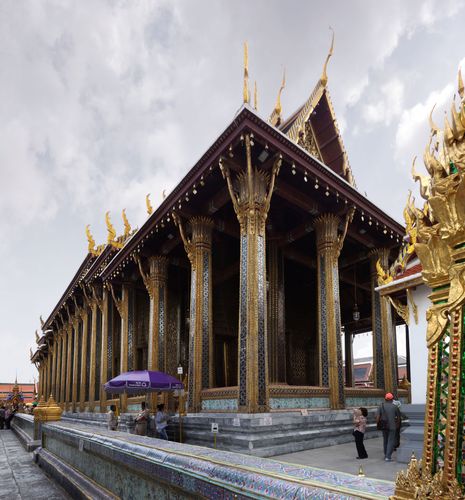
Bangkok’s holiest temple inside the Grand Palace. Go early (8:30am–3:30pm). Buy the 500 THB ticket at Na Phra Lan Rd gate. Dress code enforced. Marvel at Ramakien murals and the tiny Emerald Buddha whose robes change with the seasons. 10–15 minutes’ walk from Khao San.
Wat Phra Chetuphon Wimon Mangkhalaram Rajwaramahawihan
Temples
More Khao San Road Guides
- Bangkok Street Food Around Transit Hubs: Easy Eats Near MRT, BTS, and River Ferry Stops
- Bangkok Street Food Near Transit: Best Eats by Boat, MRT, and Old Town Walking Routes
- Best Street Food Near Bangkok Canals and River Crossings: Easy Eats on the Move
- Bangkok Street Food for Dietary Needs: Halal, No-Pork, and Egg-Free Options