
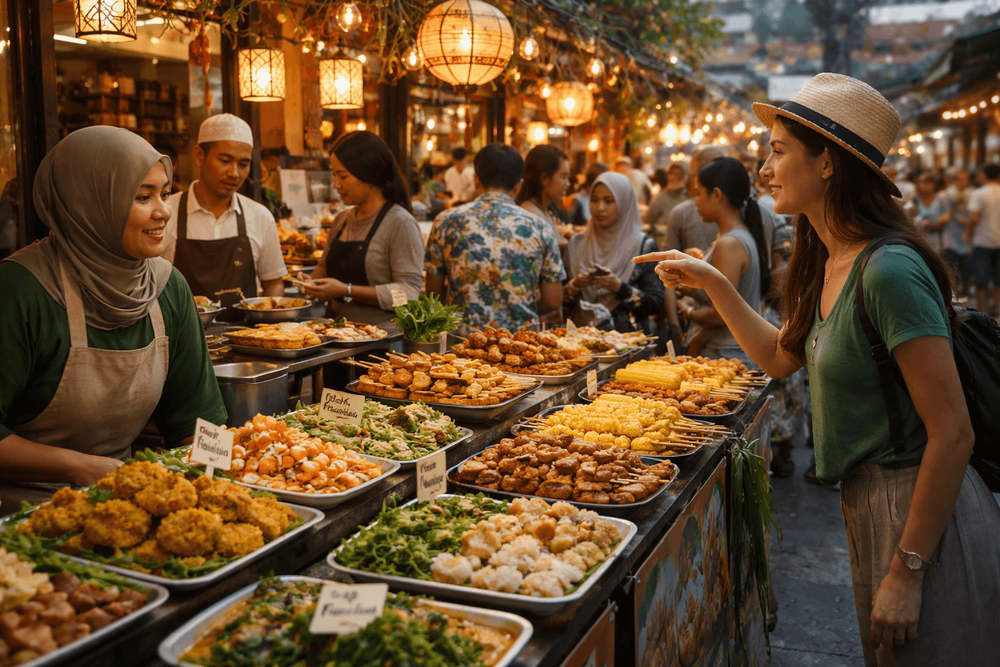
Bangkok Street Food for Diets: Vegetarian, Halal, and Gluten-Free Options
A local’s guide to Bangkok street food diets—vegetarian, halal, gluten-aware, lower-cal, and high-protein—plus Thai phrases, smart swaps, and safety tips.
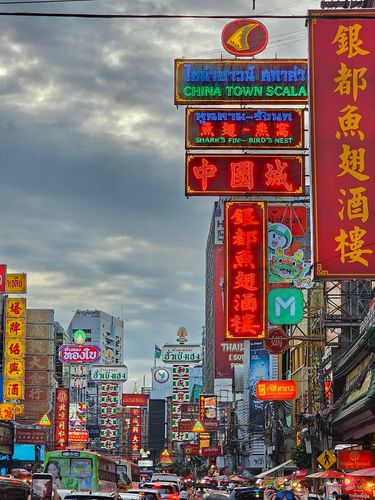
We’re shoulder-to-shoulder on Chinatown Bangkok (Yaowarat) as a wok hisses like a summer storm. The cook tosses morning glory high into a blaze, a fist of chilies hits the oil, and the smell slaps us awake. This is Bangkok street food at full volume—and it can work for pretty much any diet if we know what to ask for. Consider this our pocket playbook for Bangkok street food diets, whether we’re eating vegetarian, halal, gluten-aware, lower-cal, or hunting for clean protein between temple-hopping and tuk-tuk rides.
Bangkok Street Food Diets: What You Can Eat (and How to Find It)
Different diet goals don’t mean eating sad salads while the city feasts around us. We just steer the menu our way—and pick the right soi at the right time.
Lower-calorie picks
- Clear soups (guay tiew nam sai): Rice noodles in a light broth with herbs; skip the crispy pork and crackling. 40–70 baht.
- Tom yum without milk (mai sai nom): Sour and spicy, fragrant with lemongrass and kaffir lime; ask for “less sugar” (mai waan). 60–120 baht.
- Grilled fish (pla pao): Salt-crusted fish stuffed with lemongrass, served with herbs. Ask for less sauce or put it on the side. 120–220 baht at night markets.
- Green papaya salad (som tam): Order “som tam Thai, mai sai pla ra, mai sai goong haeng” (no fermented fish, no dried shrimp) if veg-friendly; ask “mai waan.” 40–70 baht.
Downside: Sugar sneaks into soups, salads, and dips; oil loves to flood the wok. Say “nam man nid noi” (less oil) and “mai waan.”
High-protein staples
- Gai yang (grilled chicken): Charred, juicy, great with sticky rice; watch the sweet dipping sauce. 20–40 baht per piece.
- Boat noodles (kuay tiew rua): Beef or pork, tiny bowls built for slurping. Ask for lean cuts and skip cracklings. 15–25 baht per bowl; we down two or three.
- Khao man gai (Hainanese chicken rice): Poached chicken, clean protein. Go easy on the soy-heavy sauce if sodium’s a concern. 50–70 baht.
- Grilled squid or prawns: Night-market skewers are protein gold; choose a lime–chili dip sparingly. 25–80 baht per skewer.
Downside: Marinades often skew sweet; dips can be salt bombs. Request “nam jim nit noi” (just a little sauce).
Vegetarian and vegan (jay and mangsawirat)
- “Jay” (vegan Buddhist style): No meat, seafood, eggs, dairy, or pungent alliums (garlic/onion/chives). Look for the yellow-red “เจ” sign.
- “Mangsawirat” (vegetarian): No meat/seafood; eggs and dairy usually OK.
- Stir-fried morning glory (pad pak bung fai daeng): Ask “mai sai nam man hoy, mai sai si-iew, mai sai nam pla” (no oyster, soy, fish sauce), and “nam man nid noi.”
- Jay curries and mock-meat stalls: Around Chinatown and during the Vegetarian Festival; sauces may still be sweet—ask “mai waan.”
- Som tam jay at jay stalls: Fish sauce replaced with soy/mushroom sauce—still confirm “mai sai si-iew” if avoiding gluten.
Downside: Fish sauce hides everywhere; dried shrimp is a ninja. Say it out loud: “mai sai nam pla, mai sai goong haeng.”
Halal-friendly streets
- Nana (Sukhumvit Soi 3/5): Kebabs, biryani, halal khao man gai. Easy to ask “halal mai?” Vendors will usually point you right.
- Haroon Mosque area (off Charoen Krung near the river): Family-run halal stalls; grilled fish, curries, and roti (skip roti if gluten-free).
- Pratunam (around Phetchaburi): Malay-Thai and Indian Muslim options mixed with classic Thai plates cooked without pork/lard.
Go-tos: Gai yang, pla pao, tom yum seafood, halal chicken biryani, pad kra pao gai (holy basil chicken) cooked in vegetable oil—clarify “mai sai mu” (no pork) and “nam man phak” (vegetable oil).
Downside: Shared grills/fryers with non-halal items in mixed markets—ask or look for fully halal signage.
Gluten-aware choices
- Naturally safe bases: Steamed rice (khao suay), sticky rice (khao niao), rice noodles (sen lek, sen yai), glass noodles (woon sen).
- Safer orders: Grilled seafood/meats with salt and lime; clear soups seasoned with salt, chili, lime; omelets (kai jeow) with fish sauce swapped for salt if tolerated.
- Watch-outs: Soy sauce (si-iew) and oyster sauce (nam man hoy) often contain wheat; pad see ew, pad kra pao, and most woks default to them. Spring rolls, wontons, buns, roti, and most fish balls/dumplings can include wheat.
Downside: Cross-contamination is real in a small wok. If you’re celiac, consider jay stalls and still ask “mai sai si-iew, mai sai nam man hoy” and request a clean pan (if they have one) with “kratha mai?” (new pan?)—smiles and patience help.
The Hidden Stuff: Ingredients, Sauces, and Cooking Methods
Bangkok hawkers cook fast and with flair. Here’s what changes calories, sugar, sodium, spice, and allergens without you noticing:
Oils and fats
- Wok stir-fries love soybean or palm oil; request “nam man nid noi.”
- Some stalls still use lard for depth—ask “chai kra-dook mu nam man mai?” (do you use pork fat?) if halal/veg.
Sauces
- Soy sauce (si-iew) and oyster sauce (nam man hoy): Umami bombs, usually with wheat and lots of sodium.
- Fish sauce (nam pla): Salty and typically gluten-free, but double-check; it spikes sodium.
- Fermented fish (pla ra): Funky and strong; a no-go for vegetarians, halal diets, and many gluten-free diners.
- Sweet chili sauce and pad Thai sauce: Loaded with sugar; ask for “mai waan.”
Sweeteners
- Palm sugar and white sugar sneak into som tam, stir-fries, and dips. “Mai waan” or “waan nid noi” dials it back.
Thickeners and coatings
- Tempura-style frying, battering, and some gravy noodles (rad na) can include wheat flour; others use tapioca/cornstarch. Ask or avoid if unsure.
Spice and aromatics
- Chilies are negotiable: “mai pet” (not spicy), “pet nit noi” (a little spicy). Jay diets avoid garlic/onions—say “mai sai krathiam, mai sai hom.”
Broths
- Clear vs. creamy: Clear broths run lighter; creamy tom yum sometimes adds evaporated milk. Boat noodles “nam tok” are enriched with blood—delicious, but not for halal or some vegetarians.
How to Order for Specific Diets (With Thai You’ll Actually Use)
When the line is deep and the wok’s roaring, simple is best. Point, smile, and use short, clear phrases.
- “Vegetarian, please.” – “mangsawirat”
- “I eat vegan (jay).” – “gin jay”
- “No fish sauce.” – “mai sai nam pla”
- “No oyster sauce.” – “mai sai nam man hoy”
- “No soy sauce.” – “mai sai si-iew”
- “No egg.” – “mai sai khai”
- “No pork.” – “mai sai mu”
- “Halal?” – “halal mai?”
- “Not spicy / a little spicy.” – “mai pet / pet nit noi”
- “Less oil.” – “nam man nid noi”
- “Not sweet.” – “mai waan”
Customization tips:
- We point to prepped veggies/proteins and hold up fingers for quantity. Vendors love clarity.
- For salads and soups, we ask to taste before they add extra sugar/sauce. A grin and “cham dai mai?” (may I taste?) often works.
- If allergies are serious, we show a printed Thai card explaining what we can’t eat. It cuts through the rush-hour chaos.
For more on ordering like a local, we keep this handy: Bangkok Street Food Etiquette: How to Order, Pay, Sit, and Eat Like a Local.
What to Choose, Modify, or Avoid
Here’s our quick-choose grid for common stalls around Khao San, Chinatown, Silom, and Sukhumvit.
Noodle stalls
- Choose: Guay tiew nam sai (clear-broth rice noodles) with chicken or tofu; woon sen tom yum (glass noodles, hold milk); boat noodles if not halal/veg.
- Modify: Pad Thai—ask “mai sai goong haeng, mai sai nam pla,” add tofu and extra bean sprouts; request “nam man nid noi, mai waan.”
- Avoid if gluten-free: Pad see ew, anything dark with soy; wontons (giew), egg noodles (ba mee) unless you tolerate wheat.
Grills and seafood
- Choose: Pla pao (salt-grilled fish), gai yang, grilled squid or prawns with lime and chili.
- Modify: Sauces on the light side—“nam jim nit noi.”
- Avoid if halal: Stalls brushing skewers with lard or sharing grills with pork—ask first.
Salad carts and Isan corners
- Choose: Som tam Thai with tailored sauce; larb gai (minced chicken salad) without fish sauce if veg/halal-sensitive; grilled chicken on the side.
- Modify: “Mai sai pla ra, mai sai goong haeng, mai waan.”
- Avoid if vegan: Larb/nam tok unless at jay stalls—they usually contain fish sauce and sometimes toasted rice roasted with shared pans.
Rice plates (khao raat gaeng)
- Choose: Steamed rice with boiled eggs (if allowed), stir-fried mixed veg, basil chicken (pad kra pao gai) with “mai sai si-iew/nam man hoy.”
- Modify: Ask the server to point out dishes cooked without fish/oyster/soy sauces; many curries use shrimp paste—check.
- Avoid if gluten-free: Dark glossy stir-fries and anything labeled “si-iew.”
Breakfast and light bites
- Choose: Jok (rice porridge) with chicken and ginger; fresh fruit; grilled bananas (kluay ping) with minimal syrup.
- Modify: Porridge “mai sai nam pla,” add soft-boiled egg if you eat eggs.
- Avoid if vegan/gluten-free: Roti stands, Chinese buns (salapao), and dough sticks (pa tong go).
Drinks and sweets
- Choose: Coconut water (nam maprao), unsweetened iced tea (cha yen mai waan, mai sai nom), lime soda (nam manao sod, mai waan).
- Modify: Fruit shakes “mai sai nam tan” (no added sugar) and “mai sai nom khondens” (no condensed milk) if they default to it.
- Avoid for lower-cal: Thai iced tea/coffee drenched in condensed milk, mango sticky rice mountains—split one if the sweet tooth is howling.
If you want a bigger menu primer while keeping costs in check, we lean on this hit list: Bangkok Street Food by Budget: What to Eat for 50, 100, and 200 Baht.
Safety and Hygiene for Diet-Conscious Travelers
We’re not here to meet the pavement gods of Bangkok Belly. A few street-smart habits go a long way.
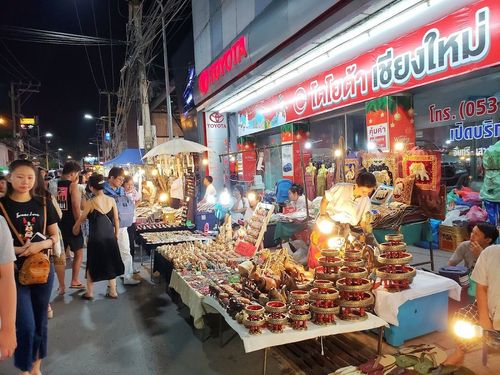
- Follow the crowd: Busy stalls mean fast turnover and hot food. Lunchtime on Silom Road, evenings on Tha Phae Walking Street, late nights along Sukhumvit Soi 38—lines are your friend.
- Watch the heat: We want food cooked to order, served piping. Reheated curries are fine if bubbling. Grilled items should be sizzling, not sunbathing.
- Check water and ice: Most places use factory ice; it’s generally safe. If unsure, we go bottled—7-Eleven’s icy blast is a bonus.
- Avoid pre-cut fruit that looks tired; pick whole fruit or choose vendors cutting to order.
- Celiac or severe allergies: Cross-contamination is the biggest risk. Choose simple grills and soups, ask for clean utensils/pans if possible, and carry a Thai allergy card.
For a deeper dive on choosing clean, fresh stalls, we keep this bookmarked: Bangkok Street Food Safety Guide: How to Choose Clean, Fresh Stalls Like a Local.
Where to Find Diet-Friendly Stalls (Without the Tourist Tax)
- Old Town/Khao San & Phra Athit: Som tam carts roll in from sunset; jay spots pop up seasonally. We graze Rambuttri for lighter plates and sit by the river on Phra Athit when the heat breaks.
- Chinatown (Yaowarat & Charoen Krung): A wonderland for jay eaters during the Vegetarian Festival, plus endless grill carts for protein hunters.
- Silom & Sathorn lunch rush: Office worker queues equal fresh stir-fries and clear soups—perfect for custom orders on the fly.
- Sukhumvit (Soi 38, Thonglor–Ekkamai): Night food alleys with variety—great for mixed-diet groups.
- Halal clusters: Nana (Sukhumvit Soi 3/5), Haroon Mosque area, and parts of Pratunam. Ask for “ahaan halal.”
If you’re ready to roam farther than Khao San, we love this cheat sheet: Best Bangkok Street Food Markets Beyond Khao San Road: Where to Eat Like a Local.
Know Before You Go: Prices, Timing, and Tactics
- Prices: Most plates run 40–80 baht; grills and seafood climb higher. Cash is king; QR payments are common but not universal.
- Timing: Markets flip with the sun. Mornings: jok and soy milk stands. Lunch: office canteens on the curb. Nights: everything wakes up; Sukhumvit and Yaowarat glow. Late-late: Khao San thumps till 2–3 AM—follow the bass.
- Heat and crowds: Bangkok is a sauna. We graze, then cool off in a mall AC blast or by the river breeze. Hydration isn’t optional.
- Accommodation strategy: We like staying within a short walk of night markets (Old Town or Chinatown) so a quick bowl is always within reach—easier to stick to dietary plans when we can scout a few reliable stalls and return to them.
For bigger-picture planning on what to eat when, this helps: Bangkok Street Food by Meal: What to Eat for Breakfast, Lunch, Dinner, and Late Night.
Quick-Reference Phrase Card (Copy This In Your Notes)
- gin jay / mangsawirat – I eat vegan (jay) / vegetarian
- halal mai? – Is it halal?
- mai sai nam pla / nam man hoy / si-iew – no fish sauce / oyster sauce / soy sauce
- mai sai khai – no egg
- mai pet / pet nit noi – not spicy / a little spicy
- nam man nid noi – less oil
- mai waan – not sweet
Final Bite
We don’t need to dodge Bangkok’s street stalls to keep our diet on track—we just need to steer them. We’ll follow the smoke to a grill, hear the clack of a ladle on a tin pot, say a few magic words, and end up with a bowl that fits us like a tailor-made suit. Tomorrow, let’s chase a salt-crusted pla pao by the Chao Phraya and a som tam that makes us sweat just enough—sanuk guaranteed.
Related Hotels & Places
Chinatown Bangkok (Yaowarat)
Attractions
Neon, woks, and queues: Yaowarat is Bangkok’s street‑food strip. Start at Wat Mangkon MRT, graze T&K Seafood and Nai Ek’s peppery guay jub, snag toasted buns, and finish with mango sago at Sweet Time. Best 6pm–late; ~10‑minute taxi from Khao San.
Khao San Road
Attractions
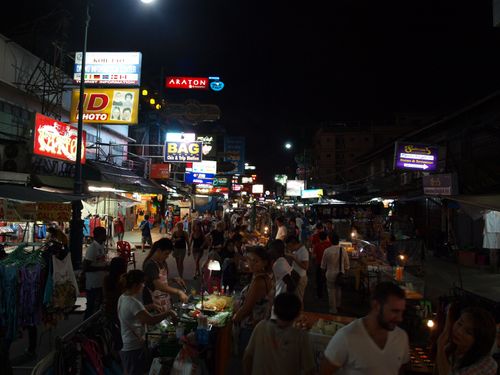
Bangkok’s backpacker carnival: curbside bars, live bands and DJs from 3pm–2am (midnight Sun). Street eats are cheap — pad thai 70–100 THB, mango sticky rice 60–100 THB. Come for wild people-watching; duck into Rambuttri for a calmer beer.
Tha Phae Walking Street
Shops
7-Eleven
Shops
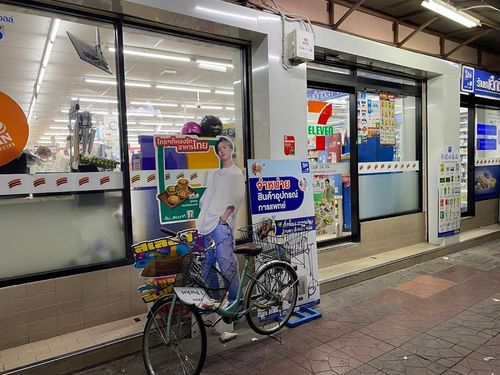
Khao San’s 24/7 reset button: ice‑cold A/C, ham‑cheese toasties, All Café iced lattes, water for 7–14 THB, and late‑night supplies from snacks to sunscreen—right by Rikka Inn.
More Khao San Road Guides
- Bangkok Street Food for Dietary Restrictions: Vegetarian, Vegan, Halal, and Gluten-Free Options
- Bangkok Street Food for Special Diets: Vegetarian, Vegan, Halal, and Gluten-Free Options Near Khao San Road
- Bangkok Street Food by Diet: Halal, Gluten-Free, and Dairy-Free Options Near Khao San Road
- Bangkok Street Food for Dietary Needs: Vegetarian, Vegan, Gluten-Free, and No-Pork Tips