
Bangkok Street Food by Region: Best Dishes in Chinatown, Old Town, Silom, and Sukhumvit
Eat your way through Bangkok by area: Chinatown nights, Old Town classics, Silom lunches, and Sukhumvit late bites—plus tips, prices, and how to order.
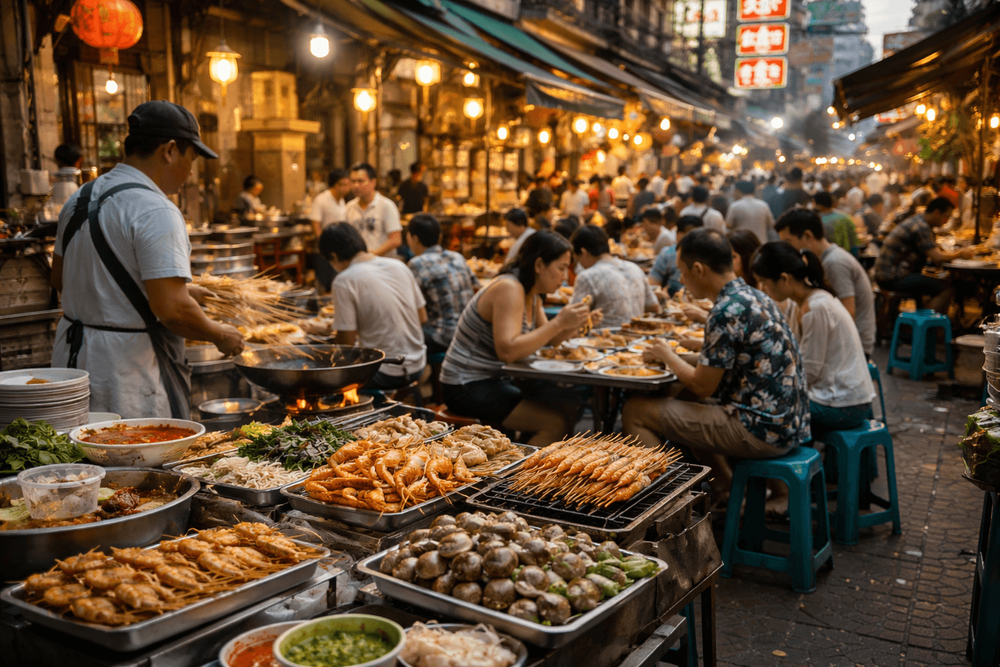
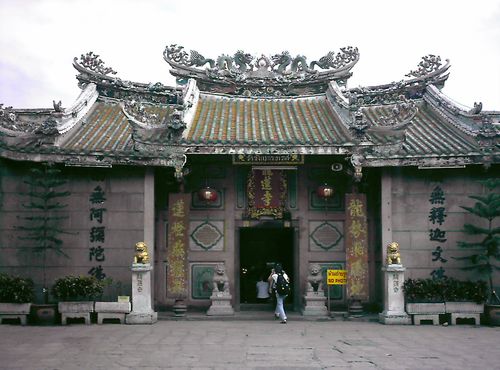
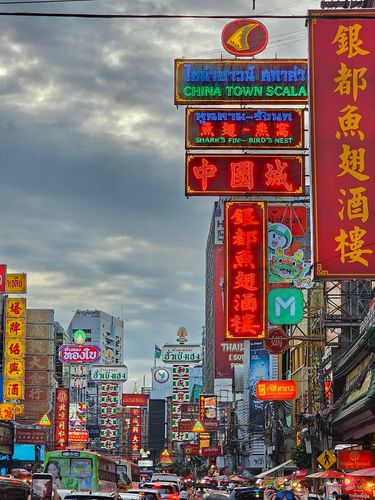
We step out of Wat Mangkon Kamalawat (Wat Leng Noei Yi) into a cloud of wok smoke and neon, and Chinatown Bangkok (Yaowarat) hums like a beehive on espresso. Charcoal crackles, ladles clang, and a vendor fans flames under a skillet heavy with garlic and morning glory. This is where bangkok street food by area starts to make sense: every neighborhood has its signature rhythm, its flavor profile, its own best time of day to eat.
Bangkok Street Food by Area: The Big Four (and a Few Bonus Stops)
Bangkok is a sprawl, but food-wise it breaks neatly into zones. Here’s what each area is famous for and when to go.
Chinatown (Yaowarat & Talat Noi)
- Vibe: Nighttime carnival—gold shop glow, temple spires, and a parade of steamers and grills.
- What it’s known for: Seafood cooked to order, roast duck, dim sum, old-school sweets, peppery soups.
- Best time: 6 pm–11 pm (later on weekends). Some breakfast spots around Charoen Krung open early.
- Getting there: MRT Wat Mangkon or MRT Sam Yot, then walk.
Old Town (Rattanakosin, Banglamphu, Khao San Road, Phra Athit)
- Vibe: Layers of history with monks on morning alms rounds and backpackers hunting night snacks.
- What it’s known for: Classic Thai staples—pad thai, boat noodles, rice porridge (jok), grilled pork (moo ping), mango sticky rice.
- Best time: Breakfast til lunch for markets; 7 pm–late around Khao San/Rambuttri Village Hotel.
- Getting there: Chao Phraya Express Boat to Phra Arthit Pier (N13); buses; tuk-tuk (negotiate hard or use Grab).
Silom & Bang Rak (Charoen Krung, Soi Convent, Soi 20, Sathorn edges)
- Vibe: Office towers by day, late-night izakaya energy after work.
- What it’s known for: Lunchtime curry stalls, stir-fries, southern Thai heat, Muslim Thai rotis, fruit shakes; evenings bring seafood grills and Isaan skewers.
- Best time: 11 am–2 pm for office-lunch chaos; 6 pm–10 pm for after-work bites.
- Getting there: BTS Sala Daeng, BTS Saphan Taksin, or MRT Silom.
Sukhumvit (Asok to Thong Lo/Ekkamai)
- Vibe: Farang central with a Bangkok twist—skytrain rumble overhead, hawkers threading between cocktail bars.
- What it’s known for: Mixed bag—grilled skewers, pad kra pao over rice, late-night noodles, and a smaller but solid cluster around Thong Lo.
- Best time: 6 pm–midnight.
- Getting there: BTS Asok/Phrom Phong/Thong Lo/Ekkamai.
Bonus: Victory Monument, Ari, Wang Lang, and Talat Phlu
- Victory Monument: Boat noodles alley off the traffic circle; best midday. BTS Victory Monument.
- Ari: Hip but homey—great weekday lunches on Ari Soi 1 and the market by BTS. BTS Ari.
- Wang Lang Market (Thonburi side): Snack heaven across the river from the Grand Palace; best 10 am–5 pm. Chao Phraya ferry to Wang Lang Pier.
- Talat Phlu: Grills and desserts in the evening; BTS Talat Phlu.
For a deeper neighborhood overview with stall types and timing, we also like the advice in Bangkok’s broader area roundups: Bangkok Street Food by Neighborhood: Where to Eat from Old Town to Chinatown.
Signature Dishes to Try by Area
Let’s eat our way through the city one soi at a time. Prices shift, but these ballparks will keep your wallet happy.
Chinatown (Yaowarat)
- Pepper soup with offal (kuay jap nam sai): Rolled rice noodles in a white-pepper broth, often with crispy pork belly. 60–100 baht. Great on cool nights.
- Stir-fried morning glory (pad pak boong): Garlic, chilies, fermented soy, a blast in the wok—smoky and fresh. 60–90 baht.
- Charcoal seafood: Prawns, cockles, and squid slapped on grills in front of you. Expect 200–500 baht depending on size.
- Chinese-Thai sweets: Sesame balls, black sesame soup, chestnut in syrup. 20–50 baht.
- How to order: Point-and-smile works; for heat control, say “mai ped” (not spicy) or “ped nid noi” (a little spicy).
Old Town (Banglamphu, Khao San, Phra Athit)
- Pad thai cooked over charcoal: The sizzle and smoke matter—look for woks blackened from years of use. 70–120 baht, add prawns for more.
- Boat noodles near Victory Monument spillover: Tiny bowls, deeply savory stock. 15–25 baht per mini-bowl; stack three or four.
- Moo ping + sticky rice: Pork skewers lacquered with palm sugar and fish sauce. 15–25 baht/skewer; sticky rice 10–15 baht.
- Mango sticky rice (khao neow mamuang): Ripe mango, coconut cream, salty-sweet balance. 80–150 baht.
- Jok (rice porridge) near temples at dawn: Comfort in a bowl with ginger, scallion, a runny egg. 40–70 baht.
We usually crash in a simple guesthouse near Soi Rambuttri when we’re doing Old Town mornings—the 6 am stroll to a jok pot beats any hotel buffet.
Silom & Bang Rak (Charoen Krung)
- Southern Thai curries (kaeng tai pla, gaeng som): Fiery, funky, and unforgettable. 60–90 baht over rice.
- Stir-fried basil (pad kra pao): Office-worker fuel; minced pork or chicken, holy basil, fried egg. 60–90 baht.
- Muslim Thai rotis and beef curry: Flaky roti torn into rich gravies. 50–100 baht.
- Grilled seafood and Isaan salad (som tam): After dark around Convent/Silom sois. 70–120 baht per dish.
- Old shop-house snacks on Charoen Krung: Curry puffs, coconut pancakes, Chinese pastries. 10–30 baht.
When we need a pool and quick BTS access for post-lunch naps, we pick a mid-range place around Sala Daeng or Saphan Taksin—easy home base for second lunches.
Sukhumvit (Asok–Thong Lo–Ekkamai)
- Sukhumvit Soi 38 cluster by BTS Thong Lo: Compact but reliable—noodles, mango sticky rice, moo ping. 60–120 baht mains.
- Late-night noodles (ba mee, yen ta fo): Broths go pink or clear, toppings pile high. 60–100 baht.
- Pad see ew and rad na: Wok-charred wide rice noodles; the tell is that soy-sweet smokiness. 60–90 baht.
- Isaan grills and larb around side sois: Pork neck, chicken thighs, larb, sticky rice. 70–120 baht per plate.
If we know it’s going to be a 2 am bowl kind of night, we book somewhere walkable to Thong Lo or Ekkamai so we can drift from skewers to sleep.
Victory Monument, Ari, Wang Lang, Talat Phlu
- Victory Monument: Boat noodles row—order small bowls until you’re full; chase with fried pork skins. Best before 3 pm.
- Ari: Curry-over-rice vendors at lunch with 10–15 trays—point at two curries and rice (khao rad gaeng). 50–80 baht.
- Wang Lang: Fried chicken with crisp shallot sprinkles, khanom buang (crispy crepes), and herbal drinks. Snack crawl heaven.
- Talat Phlu: Moo krob (crispy pork), Chinese desserts, and smoky grills; evenings are best.
If you want more night-specific picks, save this for later reading: Bangkok Night Street Food Guide: Best Late-Evening Stalls, Markets, and Snacks After Dark.
How to Find the Good Stuff by Area
Chinatown
- Follow the smoke. The best seafood grills and noodle carts set up right on Yaowarat Road and the lanes towards Soi Texas. Long lines = fast turnover = fresher food.
- Go weekday nights to dodge weekend crush. If a stall’s menu has photos and English but the wokman is sprinting, you’re still golden.
Old Town
- Morning is magic. Work the triangle between Phra Athit Road, Soi Rambuttri, and the small markets near the khlong (canal). Street carts reset around 5–6 pm for the night shift.
- Khao San itself skews touristy; cross to Soi Rambuttri or Phra Athit for more local prices and better bowls.
Silom/Bang Rak
- Lunch is king. Hit Soi Convent and the Sois around Sala Daeng from 11:30 am—many close by 2 pm. Bring cash and be ready to point.
- For evenings, drift from Charoen Krung’s old shophouses down toward Saphan Taksin. Chilled drinks and grills pop up as offices empty out.
Sukhumvit
- Focus around BTS stations—Asok for variety, Thong Lo for quality. The Soi 38 pocket gets going after 6 pm.
- Late-night larb and skewers hide down quieter sois; if you hear Isaan music and smell charcoal, follow your nose.
Bonus pockets
- Victory Monument’s boat noodles area runs best from late morning until mid-afternoon. Don’t arrive at 5 pm unless you like shuttered doors.
- Wang Lang thrives on weekdays; many vendors take Sundays off or close early.
Want more market-style destinations beyond Khao San? We’ve got a handy list here: Best Bangkok Street Food Markets Beyond Khao San Road: Where to Eat Like a Local.
What Different Travelers Can Expect in Each Area
Budget travelers
- Old Town and Ari offer the lowest prices with the most character. Breakfast porridge, curry-over-rice, and moo ping will keep you under 150 baht for two items.
- Victory Monument boat noodles are a cheap thrill—count bowls like poker chips.
First-timers and families
- Chinatown is spectacular but crowded; start early (6–7 pm). Stick to stalls with visible prep and seats. Silom at lunchtime is easier with kids—short lines, clear trays.
Night owls
- Sukhumvit and Chinatown carry you past midnight. Sukhumvit is easier for bar-to-noodles-to-bed logistics.
Vegetarians and the spice-shy
- Silom’s curry-over-rice vendors often have veg-friendly trays—say “mangsawirat” (vegetarian) and “mai sai nam pla” (no fish sauce) if you need it. Ari’s lunch stalls have tofu and veg stir-fries. Chinatown’s stir-fried greens and chive dumplings are good bets.
Short-stay convenience seekers
- Silom/Bang Rak wins for transit: BTS/MRT/boat converge. You can graze at lunch, sightsee on the river, then graze again at night.
For a citywide primer on dishes and etiquette, tuck into this too: Bangkok Street Food: Best Dishes, Where to Eat & Traveler Tips.
Prices, Timing, and How Much to Order
- Expect 60–100 baht for most noodle bowls and one-plate rice dishes; seafood and specialty items cost more.
- Eat small and often. Share plates so we can try more; two or three stops make a mini-crawl.
- Peak times mean best turnover. In Bangkok heat, fresh beats empty seats.
Basic Safety, Hygiene, and Ordering Advice
- Follow the crowd: Busy stalls move food fast. If ingredients sit sad and sunbaked, skip.
- Watch the water: Ice is generally safe in city centers, but if you’re unsure, ask for bottled water. Avoid drinks mixed with questionable tap water.
- Look at the wash-up: One tub for washing, one for rinse is a good sign; a gray soup of reuse is not.
- Allergies: Fish sauce, shrimp paste, peanuts, and shellfish hide in sauces. Say “mai sai tua li song” (no peanuts) or “mai sai nam pla/ket chuu” (no fish sauce) and confirm.
- Spice control: “Mai ped” (not spicy), “ped nid noi” (a little spicy), or “ped mak” (very spicy). Don’t be a hero on your first bowl.
- Money and change: Most stalls are cash-only. Keep small bills (20s/50s). Count change with a smile.
- Scams and tuk-tuks: Around the Grand Palace and Khao San, ignore anyone promising “special” food tours for 20 baht. Metered taxis or Grab beat mystery detours. Tuk-tuks are fun; agree a price first.
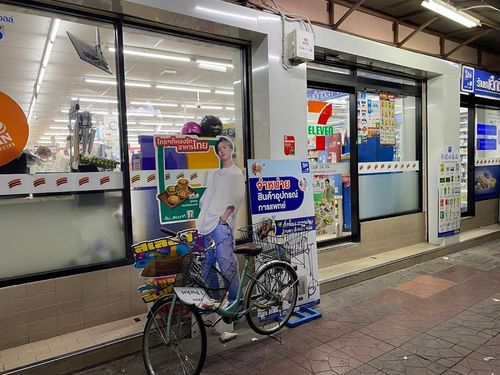
- Heat and dehydration: We duck into 7-Eleven for a blast of AC and an electrolyte drink, then dive back into the steam.
Getting Between Areas (Without Melting)
- River first: For Old Town and Bang Rak/Charoen Krung, the Chao Phraya Express Boat is cheap and breezy. Use Phra Arthit Pier for Khao San and Saphan Taksin for Charoen Krung.
- Skytrain for the spine: The BTS Silom Line gets you to Sala Daeng and Saphan Taksin; the Sukhumvit Line handles Asok–Thong Lo–Ekkamai; Victory Monument and Ari are on the Sukhumvit Line too.
- MRT to Chinatown: MRT Blue Line to Wat Mangkon drops you on Yaowarat’s doorstep.
- Walk the last soi: In Bangkok, the last 300 meters is always on foot—and that’s where the best smells hide.
A Few Personal Playbooks (Use, Adapt, Devour)
- Chinatown evening crawl: Start at Wat Mangkon Station at 6:30 pm, eat peppery kuay jap, share a plate of charcoal prawns, finish with black sesame soup. Detour into Talat Noi’s lanes if you need a breather from the crowds.
- Old Town day: Boat to Phra Arthit, jok breakfast near the khlong, climb the Golden Mount for a breeze, then boat noodles near Victory Monument. Siesta. Back to Soi Rambuttri at 8 pm for pad thai and cold beer.
- Silom lunch-to-night: Ride BTS to Sala Daeng at 11:30 am, point at two curries over rice, iced tea on the curb. Return after 7 pm for grilled pork neck and som tam on a side soi.
- Sukhumvit late: BTS to Thong Lo at 9 pm, Soi 38 cluster for noodles and mango sticky rice, then a final moo ping before bed.
If you want even more area-by-area ideas (including Khao San and Ari specifics), cross-check with this take: Bangkok Street Food by Area: Where to Eat from Khao San Road to Chinatown and Ari.
We’ll be out there most nights, chasing the clang of a wok and the thump of a bassline down some soi—you’ll smell the garlic first. Text us when you find a stall with fire-kissed morning glory and a cook who smiles before they flip the pan. We’ll bring the napkins and order one more round of moo ping.
Related Hotels & Places
Wat Mangkon Kamalawat (Wat Leng Noei Yi)
Temples
Chinatown’s grand Chinese Buddhist temple—smoky incense, red lanterns, and gilded altars. Free entry, donations welcome. Best early morning; electric during Lunar New Year and the Vegetarian Festival. Steps from MRT Wat Mangkon, 8am–5pm daily.
Chinatown Bangkok (Yaowarat)
Attractions
Neon, woks, and queues: Yaowarat is Bangkok’s street‑food strip. Start at Wat Mangkon MRT, graze T&K Seafood and Nai Ek’s peppery guay jub, snag toasted buns, and finish with mango sago at Sweet Time. Best 6pm–late; ~10‑minute taxi from Khao San.
Khao San Road
Attractions
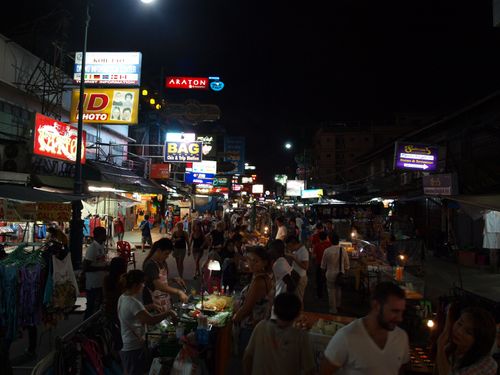
Bangkok’s backpacker carnival: curbside bars, live bands and DJs from 3pm–2am (midnight Sun). Street eats are cheap — pad thai 70–100 THB, mango sticky rice 60–100 THB. Come for wild people-watching; duck into Rambuttri for a calmer beer.
Rambuttri Village Hotel
Hotels
Rambuttri Village Hotel provides flawless service and all the necessary facilities for visitors. Stay connected with your associates, as complimentary Wi-Fi is available during your entire visit. The inn offers taxi amenities to assist you in discovering your desired offerings in Bangkok.The inn off
7-Eleven
Shops
Khao San’s 24/7 reset button: ice‑cold A/C, ham‑cheese toasties, All Café iced lattes, water for 7–14 THB, and late‑night supplies from snacks to sunscreen—right by Rikka Inn.
More Khao San Road Guides
- Bangkok Street Food by District: Where to Eat in Old Town, Chinatown, Silom, and Sukhumvit
- Bangkok Street Food by Neighborhood: Where to Eat in Banglamphu, Old Town, Chinatown, and Riverside
- Bangkok Street Food for First-Time Visitors: What to Order, How to Eat, and Where to Go Beyond Khao San Road
- Where to Eat on a Bangkok Street Food Crawl: Old Town, Banglamphu, and Riverside Stops