
Bangkok Street Food by Neighborhood: Where to Eat from Old Town to Chinatown
From Chinatown neon to Ari’s calm sois, we map Bangkok’s best street food neighborhoods—what to eat, when to go, and how to graze like a local.
We duck off Phra Athit Road just as dusk softens the Chao Phraya into bronze. A wok hisses; a fan belts chili fumes down the soi; a tuk-tuk coughs past. This is why we chase Bangkok street food neighborhoods: each pocket of the city has its own rhythm, its own smells, its own late-night legends. Tonight we’ll ride the MRT to Chinatown for peppery guay jub, tomorrow we’ll slurp boat noodles by a khlong, and somewhere in between we’ll grab moo ping hot off the coals on Sukhumvit at 2 AM.
Before we map the feast, a quick note: Bangkok is huge. Don’t try to eat it all in one go. We’ll help you pick the right neighborhood for your appetite and your patience, then show you what to order, when to go, and how to eat like we’ve been here a while.
Best Bangkok Street Food Neighborhoods
Chinatown (Yaowarat): Neon, noodles, and seafood frenzy
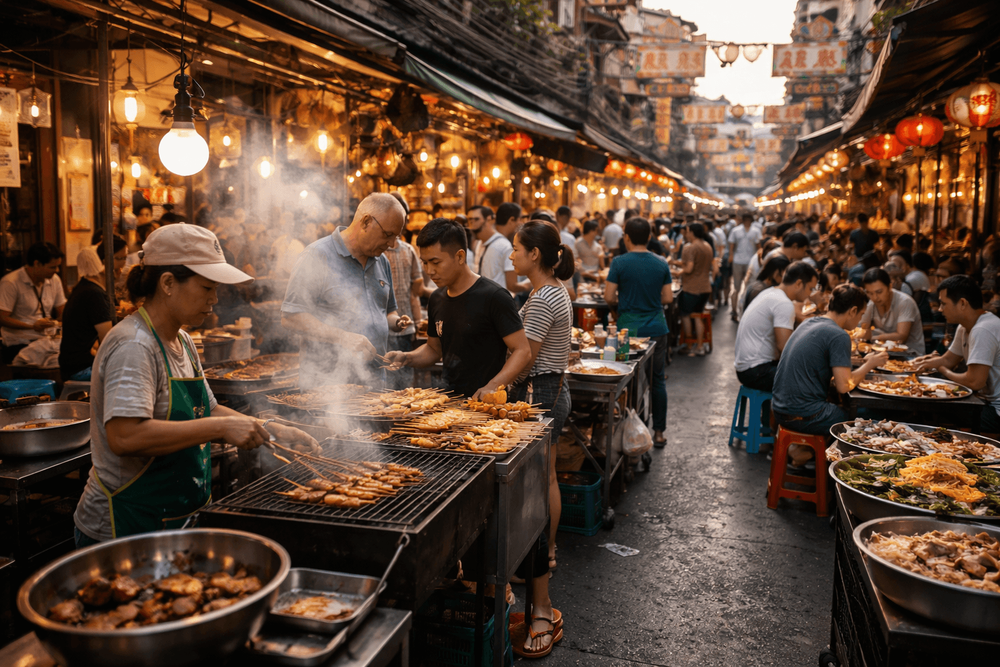
- Vibe: Night market madness under a forest of neon. You’ll shuffle shoulder-to-shoulder past woks, grill smoke, and duck carcasses hung like ornaments.
- What to eat:
- Guay jub (rolled rice noodles in peppery broth with crispy pork)
- Hoy tod (crispy oyster omelet) and khanom bueang (Thai crepes) from old-school hawkers
- Grilled river prawns, mantis shrimp, and cockles for seafood fiends
- Chinese-Thai desserts: black sesame dumplings, grass jelly, and shaved ice with syrup and lotus seeds
- Price range: 60–120 baht for noodles/snacks; 200–500+ baht for seafood platters.
- When to go: 6:00 pm–11:30 pm is peak. Come early weekend nights or brave the late rush for fresher grills.
- Getting there: MRT Wat Mangkon Kamalawat (Wat Leng Noei Yi) drops us right into the action; pop out, say sawadee to the chaos, and follow the smoke down Yaowarat Road and its alleys.
- Heads-up: Crowded, hot, and touristy in parts; some stalls charge a “seafood premium.” Worth it for the spectacle and those peppery soups.
Old Town (Rattanakosin & Banglamphu): Historic bites by temples and khlongs
- Vibe: Daytime classics near the The Giant Swing (Sao Chingcha), Democracy Monument, and through Banglamphu’s back sois by Khao San and Soi Rambuttri. Nights bring skewers, congee, and late bowls under soft lamplight.
- What to eat:
- Pad krapao at mom-and-pop khao gaeng (curry rice) shops on Thanon Dinso
- Tom yum noodles and roast duck over rice near the Giant Swing
- Moo ping (pork skewers) and grilled squid on Soi Rambuttri after dark
- Mango sticky rice and fried bananas along Phra Athit
- Detour: Khao San Road Night Market for old-school desserts and clay-pot curries (mornings to early afternoon)
- Price range: 40–90 baht for most plates; desserts 20–50 baht.
- When to go: Mornings to lunch for markets, early evening for Rambuttri/Phra Athit.
- Getting there: Chao Phraya Express boat to Phra Arthit Pier, or MRT Sanam Chai for the temple side then a tuk-tuk.
- Heads-up: Khao San itself is more party snacks and inflated prices. Wander two blocks out and you’ll eat better for less.
For more area-to-dish ideas across these parts of town, we keep this handy: Bangkok Street Food by Area: Where to Eat from Khao San Road to Chinatown and Ari.
Bang Rak & Charoen Krung: Heritage shophouses and lunch legends
- Vibe: Old shophouses strung along Charoen Krung Road by the river, a mix of Thai-Chinese institutions and Muslim-Thai kitchens. Office crowds swarm at lunch, locals graze all day.
- What to eat:
- Jok (rice porridge) with century eggs in the cool morning air
- Guay tiew kua gai (wok-charred wide noodles with chicken and runny egg)
- Khao mok gai (Thai biryani) and beef broth noodles from halal vendors
- Curry rice shops with trays of daily specials—point to what glistens
- Price range: 50–100 baht. Sit-down shophouses edge higher; still fair.
- When to go: 8:00 am–2:00 pm for peak variety; early evenings for grilled snacks.
- Getting there: BTS Saphan Taksin, then walk or hop a songthaew along Charoen Krung.
- Heads-up: Many classics close on Sundays and after lunch. Don’t roll in at 3 pm expecting everything hot.
Sukhumvit (Asok to On Nut): Late-night skewers and easy first bites
- Vibe: BTS pillars, office gloss, and side-soi carts that clock in when the bars do. Less “old Bangkok” than practical and plentiful.
- What to eat:
- Moo ping and gai yang (grilled pork and chicken) with sticky rice near BTS exits—perfect at 1:30 am
- Som tam (papaya salad) and Isan grill sets on plastic stools
- Boat-noodle-style stands and tom yum mama hotpots that cure jet lag
- Where exactly:
- Asok/Phrom Phong: lunchtime carts for office crowds; fewer at night
- Thonglor Soi 38: a compact lane of dependable night vendors and a small market hall
- On Nut/Udom Suk: casual night markets with lots of grill smoke and beer towers
- Price range: 20–30 baht per skewer; 60–120 baht for noodles and salads.
- When to go: Evenings till late—midnight or later on weekends.
- Getting there: BTS Sukhumvit Line makes this the easiest grazing strip in town.
- Heads-up: Gentrified pockets mean pricier bites; look for the busiest carts for value.
Ari: Lunch markets, mellow nights, and northern Thai gems
- Vibe: Leafy, low-rise, and friendly. Less farang frenzy, more families and office workers.
- What to eat:
- Khao soi and nam ngiao from northern Thai stalls
- Stir-fries over rice from weekday lunch markets on Soi Ari Samphan
- Moo ping, sai ua (northern sausage), and coconut ice cream at dusk along Phahon Yothin Soi 7/Ari Soi 1
- Price range: 60–120 baht, coffee and desserts a bit more thanks to café culture.
- When to go: Weekdays for peak lunch markets; early evenings for a mellow stroll.
- Getting there: BTS Ari, then wander the grid of sois.
- Heads-up: Some popular stalls close once they sell out—don’t arrive just before closing.
Victory Monument: The boat noodle gauntlet
- Vibe: Tangles of skywalks and a quiet khlong a short walk away where cooks slam down tiny bowls by the dozen.
- What to eat: Boat noodles—dark, aromatic broth (often spiked with pig’s blood for body), pork crackling, morning glory, slippery noodles. Also tom yum variants.
- Price range: 20–30 baht per small bowl; stack 5–8 and feel smug.
- When to go: Late morning to mid-afternoon. Many close by 5:00 pm.
- Getting there: BTS Victory Monument; follow signs toward the canal-side alleys.
- Heads-up: Cash only; move quickly, tables turn fast.
Talat Phlu & Thonburi: Old tracks and Thai-Chinese comfort food
- Vibe: On the “wrong” side of the river, which is exactly why we love it. Family-run shophouses and carts along the railway and roads.
- What to eat:
- Kuay jab nam sai (clear-broth rolled noodles) and crisp pork belly
- Khao mu daeng (red pork over rice) with sticky-sweet gravy
- Freshly made khanom buang and black sesame sweets
- Price range: 40–90 baht.
- When to go: Evenings 5:00–10:00 pm.
- Getting there: BTS Talat Phlu, then a short walk or motorbike taxi.
- Heads-up: English is rare; point, smile, and embrace the adventure.
Wang Lang Market (Siriraj side): River breeze and snack paradise
- Vibe: A daytime maze opposite the Grand Palace where hospital staff, students, and aunties rule the aisles.
- What to eat:
- Grilled squid on skewers, fried chicken skin, and fresh fruit shakes
- Northern sausages, nam prik (dips) with vegetables, and mango sticky rice to-go
- Price range: 20–80 baht per item.
- When to go: 10:00 am–4:00 pm, Monday–Saturday. Many stalls close Sundays.
- Getting there: Cross-river ferry from Tha Chang or Tha Phra Arthit piers to Wang Lang.
- Heads-up: Tight aisles; keep bags in front and glide with the flow.
Huai Khwang Night Market: Late, local, loud
- Vibe: Fluorescents, steam, and a post-midnight crowd where wok smoke meets karaoke bass.
- What to eat: Seafood platters, tom yum mama hotpots, moo kata (tabletop grill), and Chinese-Thai snacks.
- Price range: 60–150 baht per dish; seafood by weight.
- When to go: 7:00 pm–2:00 am, later on weekends.
- Getting there: MRT Huai Khwang; stroll along Pracha Rat Bamphen.
- Heads-up: Bring cash; menus often photo-based and easy to point-order.
Jodd Fairs (Rama 9 & DanNeramit): Curated night market comfort
- Vibe: Instagram-ready lights, tidy aisles, and an edible roll call of Thai favorites with a few gimmicks for fun.
- What to eat: Grilled pork neck, oyster omelets, pad thai, jumbo prawns, roti, and dessert stalls galore.
- Price range: 70–200 baht; drinks extra.
- When to go: Evenings till late; busiest Friday–Sunday.
- Getting there:
- Jodd Fairs Rama 9: MRT Phra Ram 9, short walk behind Central Rama 9
- Jodd Fairs DanNeramit: MRT Phahon Yothin, near the old Magic Land castle
- Heads-up: Not the cheapest, but zero stress—perfect for first nights in town.
What to Look For in Each Neighborhood
- Chinatown: Peppery soups, crispy omelets, Chinese-Thai sweets, and showy seafood grills. Expect queues, clatter, and sanuk chaos.
- Old Town: Heritage Thai—curries over rice, duck noodles, fried snacks, and market desserts. Daytime focus with cozy evening stalls.
- Bang Rak/Charoen Krung: Thai-Chinese comfort and halal classics with lots of lunch action and gentle evenings by the river.
- Sukhumvit: Skewers, Isan salads, and late-night noodles near the BTS. Convenient, varied, and beginner-friendly.
- Ari: Northern Thai hits, clean markets, and calm streets—great for grazing without the crush.
- Victory Monument: Boat noodles, small bowls, big bragging rights.
- Talat Phlu/Thonburi: Old-school Thai-Chinese plates and sweets in a slower, more local neighborhood.
- Wang Lang: Snack safari heaven—perfect for a portable picnic by the river.
- Huai Khwang/Jodd Fairs: Night owl playgrounds with easy ordering and group-friendly tables.
Practical Tips for Eating in Bangkok Street Food Neighborhoods
Best times to eat
- Breakfast to lunch: Old Town markets (Nang Loeng), Bang Rak porridge, Wang Lang.
- Early evening: Sukhumvit sois, Ari, Talat Phlu.
- Late night: Chinatown, Huai Khwang, Sukhumvit near BTS hubs.
How to spot trustworthy stalls
- Follow the crowd. High turnover means fresh ingredients and a steady hand at the wok.
- Watch the workflow. Gloves or tongs for handling money, separate boards for raw meats, boiling water dips for utensils—good signs.
- Peek at the oil. Clear to light amber is fine; dark sludge is a hard pass.
- Smell matters. Sweet rot of durian? Great. Rancid fryer? Keep walking.
If you want deeper pointers on staying healthy while you munch, we’ve written the playbook: Bangkok Street Food Safety Guide: How to Choose Clean, Fresh Stalls Like a Local.
Ordering, language, and spice
- Point and smile. Most vendors are masters at the universal language of “this one.”
- Key phrases: “pet nit noi” (a little spicy), “mai sai prik” (no chili), “khob khun” (thanks).
- Expect “farang” heat adjustments if you ask—don’t be shy, you can always add chilies from the table caddy.
Payment and costs
- Cash is king. Many carts now take Thai QR (PromptPay), but carry small bills and coins.
- Typical prices: 40–90 baht for single-dish plates, 20–30 baht for skewers, 70–150 baht for seafood noodles.
Crowds, lines, and seating
- Sharing tables is normal. A curt nod does the trick; slurp and slide when you’re done.
- Popular stalls run waitlists via paper slips or a shouted queue number—listen for your dish name.
- Heat is real. Duck into a 7-Eleven for that blessed AC blast and a bottle of water between stops.
For more hand-holding on first bites, scope our guide for newbies: Bangkok Street Food for First-Time Visitors: What to Order, How to Eat, and Where to Go Beyond Khao San Road.
Getting Around the Neighborhoods
- MRT Blue Line: Drops us at Wat Mangkon (Chinatown), Sam Yan (student eats), Huai Khwang (night market), and Phahon Yothin (DanNeramit).
- BTS Sukhumvit Line: Ari, Asok, Thonglor, Ekkamai, Phra Khanong, On Nut, Udom Suk—all easy hop-off points for grazing.
- BTS Silom Line: Saphan Taksin for Bang Rak/Charoen Krung and river ferries.
- Chao Phraya Express Boat: Scenic, cheap, and cool. Use Phra Arthit, Tha Chang, and Sathorn piers for Old Town and Bang Rak.
- Tuk-tuk and motorbike taxis: Short hops between sois; agree on price before you zoom.
- Grab/taxi: Metered rides are cheap, but traffic snarls. Time your moves around rush hours.
If you love the after-dark scene, we’ve rounded up more late-night haunts here: Bangkok Night Street Food Guide: Best Late-Evening Stalls, Markets, and Snacks After Dark and market-heavy picks here: Bangkok Night Markets for Street Food: Best Places Near Khao San Road and Across the City.
Which Neighborhood Is Right for You?
- We want neon, seafood, and chaos till midnight: Chinatown (Yaowarat).
- We want heritage bites by temples and easy daytime grazing: Old Town (Banglamphu, Dinso, Nang Loeng).
- We want a lunch crawl with serious variety near the river: Bang Rak & Charoen Krung.
- We land late and crave simple, reliable street food near the BTS: Sukhumvit (Asok to On Nut).
- We want calm, quality stalls and northern Thai hits without crowds: Ari.
- We’re on a mission for boat noodles and bragging rights: Victory Monument.
- We want river breeze snacks and a take-home dessert haul: Wang Lang Market.
- We need a no-stress, photogenic night market warm-up: Jodd Fairs (Rama 9 or DanNeramit).
- We want late-late eats and a local scene: Huai Khwang Night Market.
Know Before You Go
- Hydrate and pace yourself. Two stalls per hour beats a gut-busting sprint.
- Dress light, pack tissues and hand gel, and bring a reusable water bottle.
- Respect the rhythm. Vendors are busy; smile, wai if you can, and bus your tray if there’s a return station.
- Allergies? Learn “mai sai…” (don’t add…) plus your ingredient, or stick to stalls with photo menus.
We’ll finish where we started: on a Bangkok corner where the wok sings and the road hums. Tonight we might ride the boat to Phra Arthit, graze Old Town till the lanterns flick on, then MRT to Chinatown for one more peppery guay jub. Meet us under the Yaowarat neon—bring cash, an appetite, and a willingness to get a little sweaty. That’s the tax for greatness in Bangkok’s best street food neighborhoods, and it’s worth every baht.
Related Hotels & Places
Khao San Road
Attractions
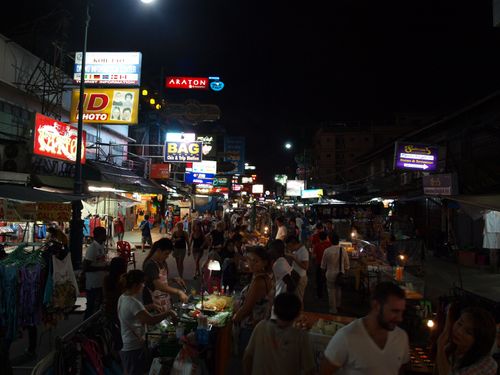
Bangkok’s backpacker carnival: curbside bars, live bands and DJs from 3pm–2am (midnight Sun). Street eats are cheap — pad thai 70–100 THB, mango sticky rice 60–100 THB. Come for wild people-watching; duck into Rambuttri for a calmer beer.
Khaosan Social Capsule Hostel
Hotels
A 5-star hotel in Bangkok.
The Giant Swing
Attractions
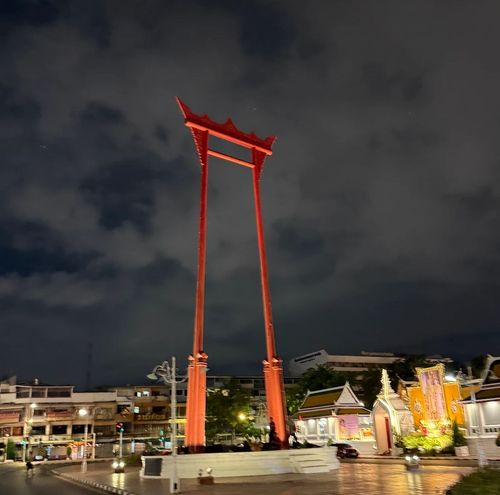
Bangkok’s scarlet Giant Swing towers outside Wat Suthat—free to visit, open all day, and best at sunset. Pair it with the temple across the street, then graze Dinso Road’s street food. A quick tuk‑tuk or 20‑minute walk from Khao San.
Wat Mangkon Kamalawat (Wat Leng Noei Yi)
Temples
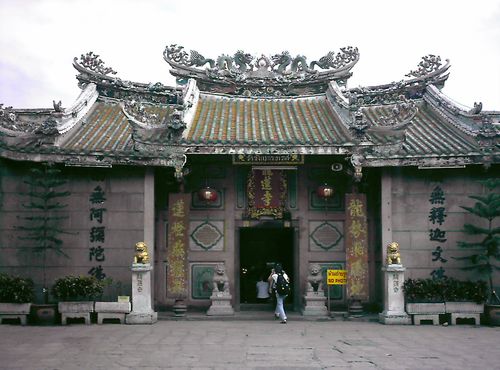
Chinatown’s grand Chinese Buddhist temple—smoky incense, red lanterns, and gilded altars. Free entry, donations welcome. Best early morning; electric during Lunar New Year and the Vegetarian Festival. Steps from MRT Wat Mangkon, 8am–5pm daily.
Khao San Road Night Market
Markets
Khao San’s nightly street market fires up from 3pm and peaks 7pm–midnight: pad thai and roti carts, fruit shakes, bargain tees and “elephant pants,” foot massages, tattoos, and those infamous cocktail buckets—all packed into one neon‑loud strip.
More Khao San Road Guides
- Bangkok Street Food by Neighborhood: Where to Eat in Banglamphu, Old Town, Chinatown, and Riverside
- Bangkok Street Food by District: Where to Eat in Old Town, Chinatown, Silom, and Sukhumvit
- Bangkok Street Food by Region: Best Dishes in Chinatown, Old Town, Silom, and Sukhumvit
- Where to Eat on a Bangkok Street Food Crawl: Old Town, Banglamphu, and Riverside Stops