
Thailand Vacation Guide: Where to Go, When to Visit, and How to Plan Your Trip
Plan your Thailand vacation with insider tips on where to go, when to visit, budgets, transport, and the best experiences from Bangkok to Chiang Mai and the islands.
We step off the Chao Phraya Express at Phra Athit, the river breeze teasing the sweat off our necks, and head down a shady soi toward a bowl of boat noodles that costs less than a coffee back home. Tuk-tuks buzz, a monk pads past with an easy "sawadee," and the thump of bass from Khao San Road floats over the khlongs like a dare. This is a Thailand vacation the way we like it: a little chaotic, a lot delicious, and full of sanuk—good fun—if you know where to look.
If you’re plotting a Thailand vacation and wondering where to go, when to come, and how it all fits together, we’ve got you. We’ll skip the tourist traps, keep the budgets real, and make sure you taste the good stuff.
What Your Thailand Vacation Can Look Like
First-timers
We do three bases and a sampler platter of experiences: 3–4 nights in Bangkok (temples, markets, river, Chinatown), 3–4 nights in Chiang Mai (mountains, elephants from ethical sanctuaries only, khao soi, night bazaars), and 4–6 nights on an island for a beach detox. It’s a greatest-hits album without the burnout.
Beach seekers
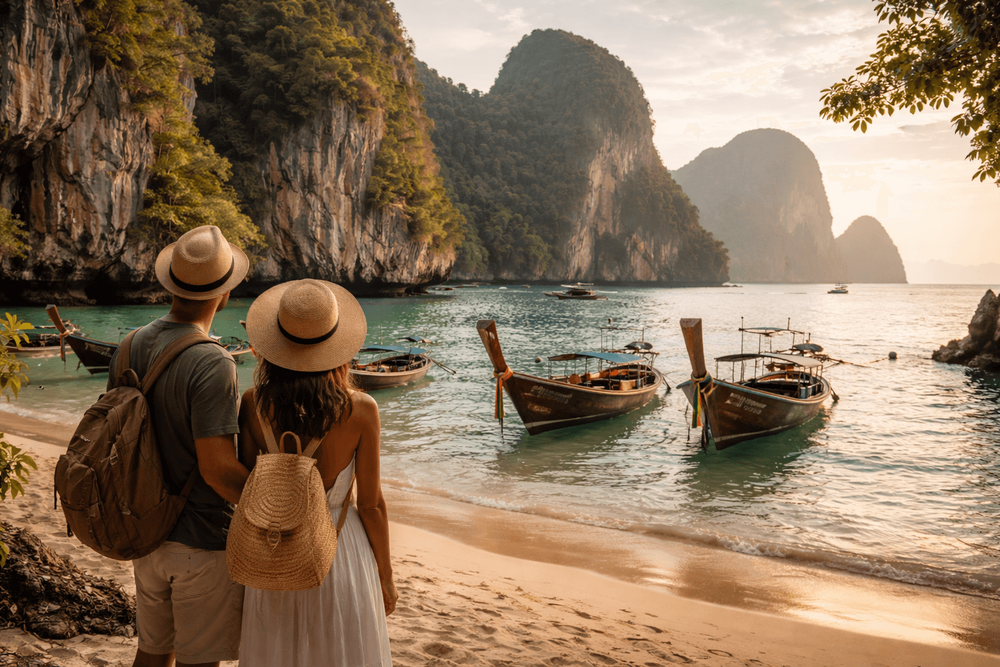
Think two islands, not six. On the Andaman side, Phuket for flights and food, then Koh Lanta or Railay/Krabi for limestone cliffs and longtail boats. On the Gulf side, Koh Samui for creature comforts and Koh Phangan or Koh Tao for boho sands or dive schools. We post up at a simple bungalow steps from the surf and let the tides plan our day.
Culture lovers
Bangkok’s Grand Palace and Wat Pho at dawn, a khlong boat to quiet temples on Thonburi’s side, then north for Lanna temples at Doi Suthep, and a detour to Sukhothai Historical Park or Ayutthaya’s ruins. We time it for Loi Krathong/Yi Peng lanterns in November if we can, or an early morning alms round in Chiang Mai Old City.
Foodies
We hunt street carts by sound and smell: the sizzle of a wok on Sukhumvit Soi 38, the peppery perfume of boat noodles by Victory Monument, mango sticky rice at a market stall near Pak Khlong Talat. Then we swing to Chiang Mai for khao soi and northern sausages, and down south for turmeric curries and grilled seafood eaten with sandy toes.
Nightlife fans
Bangkok runs the table: craft cocktails in Thonglor, high-rise sundowners without the markup in Ari, neon chaos on Khao San and Soi Rambuttri, and Chinatown’s Yaowarat for bar-hopping amid steam and neon. On the islands, choose your flavor: laid-back reggae bars, beach clubs, or the all-night beach blowouts.
Budget backpackers
We ride sleeper trains, grab 40–80 baht street plates, and bargain for rooms near Phra Athit or in Chiang Mai’s Old City. We hop buses and ferries to cheaper-is-better islands like Koh Lanta or Koh Chang, and we save splurges for a dive course or a national park hop.
Plan Your Thailand Vacation: Essentials
Best time to visit
- Cool and dry (roughly Nov–Feb): Prime time. Bangkok’s bearable, the north is crisp at night, and the Andaman coast (Phuket/Krabi) shines. Book ahead.
- Hot season (Mar–May): Bangkok bakes. We lean into pool time and mango season. Songkran (Thai New Year) splashes across the country in mid-April—citywide water fights and a joyful mess.
- Rainy/green season (May–Oct): Afternoon downpours, cheaper rooms, lush rice fields up north. The Andaman side sees rougher seas during peak monsoon; the Gulf (Samui/Phangan/Tao) often enjoys better breaks mid-year. Shoulder months (May, Oct/Nov) can be sweet spots.
Festivals to know: Songkran (mid-April), Loi Krathong/Yi Peng (usually November), and Chinese New Year (Jan/Feb) in Bangkok’s Chinatown.
Ideal trip length
- 7–10 days: Bangkok + north or Bangkok + one island
- 2 weeks: Bangkok + Chiang Mai + one island, or Bangkok + two islands
- 3–4 weeks: The full loop—Bangkok, north (Chiang Mai, Pai or Chiang Rai), a couple of islands, plus a culture stop like Sukhothai or ไขปริศนๅ พระเครื่อง Kanchanaburi.
For big-picture planning and sample routes, we keep this handy: Thailand Trip: Ultimate Travel Guide for Planning Your Visit.
Visa basics
Many nationalities receive visa-exempt entry on arrival (often 30 days). Extensions are commonly possible at immigration offices (fee around 1,900 baht). Requirements change, so confirm with a Thai embassy or the official e-visa portal before you fly. Keep proof of onward travel and accommodation handy.
Getting around
- Flights: Low-cost carriers knit the country together. Bangkok (BKK/DMK) to Chiang Mai runs 1 hr 15 mins; Bangkok to Phuket or Krabi about 1 hr 20 mins. Book early for 1,000–2,500 baht fares.
- Trains: We love the night sleeper to Chiang Mai—cheap, scenic, and sanuk if you bring snacks. Second class AC bunks are the sweet spot. East to Isaan and west to Kanchanaburi are also classic rides.
- Buses and minivans: Reliable, frequent, and the backbone of island connections via ferry piers.
- Ferries/longtails: Island-hopping is easy if you keep weather windows in mind.
- In Bangkok: BTS/MRT for speed (fares ~17–62 baht), the Chao Phraya Express Boat for breeze and views, and tuk-tuks for short hops (negotiate first). Metered taxis are fine; insist on the meter. Grab is convenient when the rain hits.
Budget expectations (per person)
- Shoestring: 1,000–1,800 baht/day (hostel/guesthouse, street food, buses)
- Mid-range: 2,500–5,000 baht/day (nice hotels, a few flights, cocktails on rooftops without the tourist markup)
- Splash: 6,000+ baht/day (pool villas, private charters, tasting menus)
Street meals run 40–80 baht; mid-range local restaurants 120–250 baht; a big beer 60–120 baht; cocktails 250–400 baht. A one-hour Thai massage is often 250–400 baht in town, 300–500 on islands. ATMs usually charge a foreign card fee (around 220–250 baht per withdrawal); currency exchanges in tourist areas can offer good rates if you bring cash.
Where to Go: Places and Vibes
Bangkok: Electric and essential
We start early at Wat Pho before the crowds, ferry across to Wat Arun Ratchawararam Ratchawaramahawihan when the light hits those porcelain spires, then chase lunch through Chinatown’s Yaowarat and little alleys in Talat Noi. By afternoon we cool down at 7-Eleven (that blast of AC is the unofficial Thai welcome) and glide the river from Phra Athit Pier. Sunset? A no-fuss rooftop near Ari, or a riverside beer on Phra Athit Road while street musicians tune up around Soi Rambuttri and Khao San Road wakes.
- Markets we rate: Chatuchak Weekend Market for the sprawl, Wang Lang Market for local eats, and the flower wonderland at Pak Khlong Talat after dark.
- Neighborhoods to wander: Charoen Krung’s galleries and cafes, the Old Town lanes near the Golden Mount, and leafy Phra Athit.
Chiang Mai and the North: Temples, mountains, cool nights
The Old City’s moat keeps time while we nibble khao soi and browse night bazaars. Day trips climb Doi Suthep, weave through craft villages, and breathe piney air at national parks. With longer time, we roll to Pai for hot springs and curves, or to Chiang Rai for the white-and-wilder temple circuit. Nights are gentle: lantern-lit streets, foot massages, and a late bowl of noodles.
The Islands: Pick your water
- Andaman Sea: Phuket for easy flights and eats, Krabi/Railay for cliffs, and Koh Lanta for family-friendly sands and sunsets. Phi Phi is stunning but busy—go early or stay off-peak.
- Gulf of Thailand: Koh Samui for resorts and waterfalls, Koh Phangan for beaches that can swing between chill bays and big parties, Koh Tao for diving and postcard coves.
- Off-grid contenders: Trang islands like Koh Mook for caves and calm, or Satun’s Koh Lipe for luminous water when seas are kind.
Thinking resorts? We skim options by vibe here: Thailand Resorts: Best Resort Destinations Across the Country.
Detours worth the bus ride
- Ayutthaya or Sukhothai: Ancient capitals wrapped in brick-and-banyan.
- Kanchanaburi: River landscapes, WWII history, waterfalls in Erawan National Park.
- Isaan (Northeast): Farang are fewer, flavors are fire. Nakhon Ratchasima, Khon Kaen, Ubon—come for sticky rice and warm smiles.
Signature Thailand Experiences
Temples and quiet moments
Dress modestly, slip off your shoes, and let the incense do its thing. In Bangkok, the Grand Palace complex radiates gold while Wat Pho whispers with reclining-Buddha calm. Up north, Doi Suthep’s bells chime over the city at sunset. In the ruins of Sukhothai or Ayutthaya, we pedal between stupas as birdsong replaces traffic.
Street food and markets
We chase smoke and queues. Pad kra pao with a runny egg at a cart off Sukhumvit, moo ping skewers by the pier, boat noodles under a flyover near Victory Monument, mango sticky rice from a stall beside the flower market. Markets are the heartbeat: Chatuchak for treasure hunts, Chiang Mai Night Bazaar for souvenirs you won’t hate, and riverside Wang Lang for snack-crawls that never end.
If you’re packing light and smart for the food-and-ferry dance, this helps: Backpacker Packing List for Thailand.
Island days and water time
We hire a longtail at low tide, hop between coves, and snorkel over coral gardens. Dives off Koh Tao, sea-kayaks under Krabi cliffs, and lazy swims at Koh Lanta’s south-end beaches are all-time. Respect the sea—watch currents, heed flags, and wear reef-safe sunscreen.
Thai massage and wellness
Muscles unknot under firm thumbs; the price tag doesn’t raise blood pressure. Traditional Thai massage is a stretch-and-press reset. We tip well and float out for fresh coconut water.
Nights out
From cold Chang beers on plastic stools to sleek speakeasies, we play it by ear. Bangkok’s mix is unmatched; on islands, follow fairy lights to find your mood. Don’t sleep on live music joints along Phra Athit and rambunctious bars on Soi Rambuttri—close enough to stumble home, far enough from Khao San’s loudest thump.
Etiquette quick hits
A wai (palms together) isn’t required from visitors, but a smile goes a long way. Remove shoes at thresholds when locals do. Cover shoulders and knees at temples. Don’t touch anyone’s head; don’t point feet at people or altars. Public displays of anger won’t get you far—soft voices, big results.
Practical Insider Tips: Safe, Savvy, and Smooth
Staying safe without killing the vibe
- Common scams: A “10-baht” tuk-tuk tour that detours to gem shops; too-cheap jet skis with “damage” on return. Trust your gut, say no thanks, move on.
- Money: Use ATMs sparingly due to fees; consider cash exchange or fee-friendly cards. Keep a stash of small bills for street eats and ferries.
- Health: Tap water isn’t for drinking. Ice is usually factory-made and fine. Pack sunblock, electrolytes, and bug spray. Travel insurance is boring until it’s not.
- Laws and respect: Thailand’s lèse-majesté laws are strict. Cannabis rules have been evolving—buy only from licensed shops, avoid public consumption, and never carry across borders.
For meds, documents, and what’s worth space in the daypack, see: Smart Packing for Thailand: Medications, Toiletries, and Travel Documents Checklist.
Avoiding common mistakes
- Over-scheduling: Distances and weather eat time. Build in lazy mornings and travel buffers.
- Temple dress code fails: Keep a light scarf/sarong in your bag.
- Sun and scooters: Tropical sun hits harder than pride. If you ride, wear a helmet and don’t learn in traffic.
- Monsoon misreads: Some ferries cancel last minute—have a Plan B beach or a mainland stay.
Choosing your base
- Bangkok: Old Town near Khao San/Soi Rambuttri for temple-hopping and river breezes; riverside near Phra Athit for calmer nights; Silom for park access and street eats; Sukhumvit (Asok–Thonglor) for skytrain and nightlife; Chinatown/Charoen Krung for food and heritage.
- Chiang Mai: Inside the Old City for walkability and mellow nights; Nimman for cafes, co-working, and later hours.
- Islands: Pick your energy. Quiet bays on Koh Lanta, family-friendly sands on Samui, dive hubs on Tao, mixed moods on Phangan (north for chill, south for parties). Simple beach bungalows are still a thing—bring a book and adjust your expectations upward for sea-view pricing.
We usually crash in small guesthouses near Phra Athit when we want to walk the river and grab late-night noodles, and on the islands we go for modest beach bungalows a few palms back from the water—shade, hammock, and less salt in the sockets.
Know Before You Go
- Airports: Bangkok has two—Suvarnabhumi (BKK) and Don Mueang (DMK). DMK handles many low-cost carriers.
- SIM cards: Tourist packages from AIS/True/DTAC are easy at airports and 7-Eleven; expect 200–600 baht for a week or two of data.
- Connectivity: Cafes and guesthouses rarely skimp on Wi‑Fi; speeds are solid in cities and main islands.
- Cash vs QR: Cards are common in malls and hotels. Street vendors like cash; some take Thai QR (PromptPay) if you have a local account.
- Opening hours: Temples open early and wind down by late afternoon; markets often spike in the evening.
- Dress: Light, breathable fabrics; a rain layer in green season; something modest for temples.
If you’re still sketching routes and timing, keep this bookmark ready: Trip to Thailand: A Complete Travel Guide.
And when you start dreaming poolside, this round-up helps compare coast vibes: Thailand Resorts: Best Resort Destinations Across the Country.

We’ll be the ones on Phra Athit, sweating happily into a paper cup of iced cha yen after a spicy lunch, plotting ferries and night trains with a pen that’s already leaked in the heat. When you land, ping us for a stroll down Soi Rambuttri—we’ll save a plastic stool and order the first round of boat noodles before the pot runs dry.
Related Hotels & Places
Khao San Road
Attractions
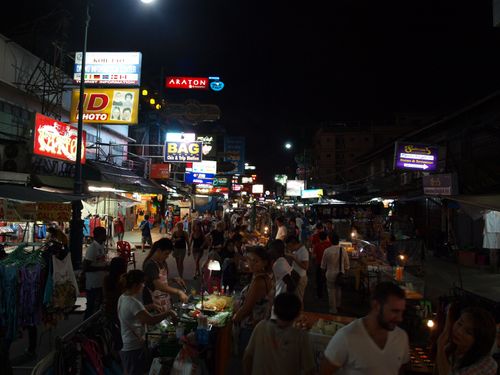
Bangkok’s backpacker carnival: curbside bars, live bands and DJs from 3pm–2am (midnight Sun). Street eats are cheap — pad thai 70–100 THB, mango sticky rice 60–100 THB. Come for wild people-watching; duck into Rambuttri for a calmer beer.
Wat Arun Ratchawararam Ratchawaramahawihan
Temples
Sukhothai Historical Park
Attractions
Sunrise by bicycle through 13th‑century ruins. Hit Wat Mahathat, island‑set Wat Sa Si, and the giant Buddha at Wat Si Chum. Gates 6:30am–7:30pm; bikes rent 30–50 THB (+small park fee). Go early or at golden hour; weekends draw Thai families and photographers.
ไขปริศนๅ พระเครื่อง Kanchanaburi.
Attractions
Chiang Mai Night Bazaar
Markets